Hidden Chemical Evidence Suggests Uranus and Neptune Were Born in Different Parts of the Solar System
New evidence from deep within Uranus and Neptune suggests these distant ice giants may have formed in different parts of our solar system.
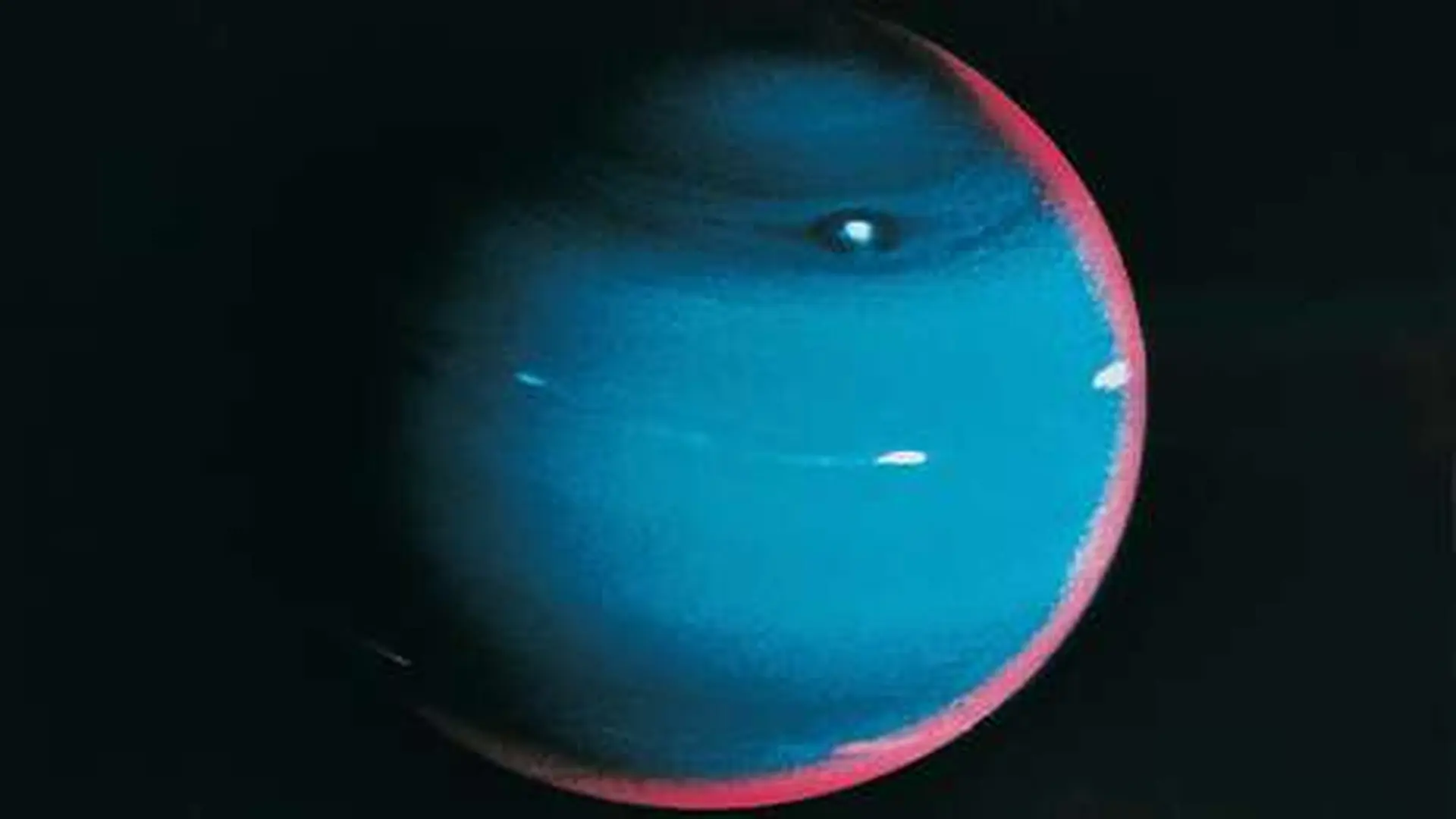
Uranus and Neptune have long been considered the quintessential planetary twins of our solar system. Positioned far beyond the gas giants, both are categorized as ice giants with similar dimensions and frigid, cloud-shrouded atmospheres. However, a study published in Astronomy & Astrophysics suggests that these two worlds may be far less similar than their outward appearances imply, hinting at distinct evolutionary histories that began in different regions of the protoplanetary disk.
The research, which utilized atmospheric simulations and data from the Atacama Large Millimeter/submillimeter Array (ALMA), indicates that Neptune possesses a significantly higher concentration of oxygen than its neighbor, Uranus. Because the deepest, most revealing layers of these planets are hidden beneath thick, opaque clouds, scientists cannot perform direct sampling. Instead, the team relied on carbon monoxide as a proxy; by measuring this molecule as it migrates from the depths to the upper atmosphere, researchers were able to estimate the hidden carbon-to-oxygen (C/O) ratios within the planets.
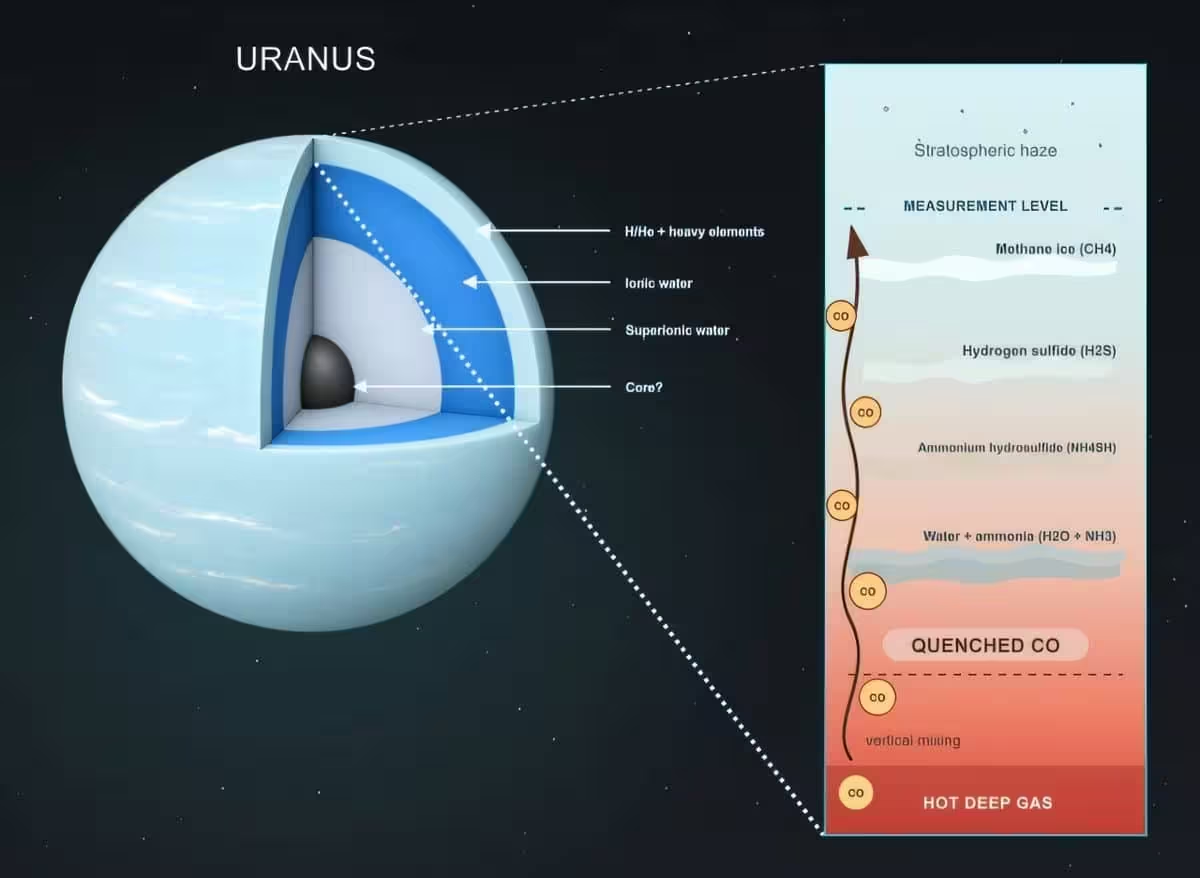
Chemical Fingerprints of Planetary Migration
The C/O ratio serves as a vital diagnostic tool for astronomers, acting as a chemical signature of the materials available during a planet’s formation. When the researchers applied their findings to models of the primordial solar system, a compelling narrative emerged: Neptune may have originated much closer to the Sun, where oxygen-rich materials were more abundant, before migrating to its current, distant orbit through gravitational interactions. Uranus, by contrast, appears to have formed further out, perhaps closer to where it resides today.
While this hypothesis aligns with modern theories of planetary migration—which posit that giant planets rarely remain in their birthplaces—the authors remain cautious. The current data contains uncertainties regarding vertical atmospheric circulation, meaning a shared origin for the two planets cannot be entirely dismissed.
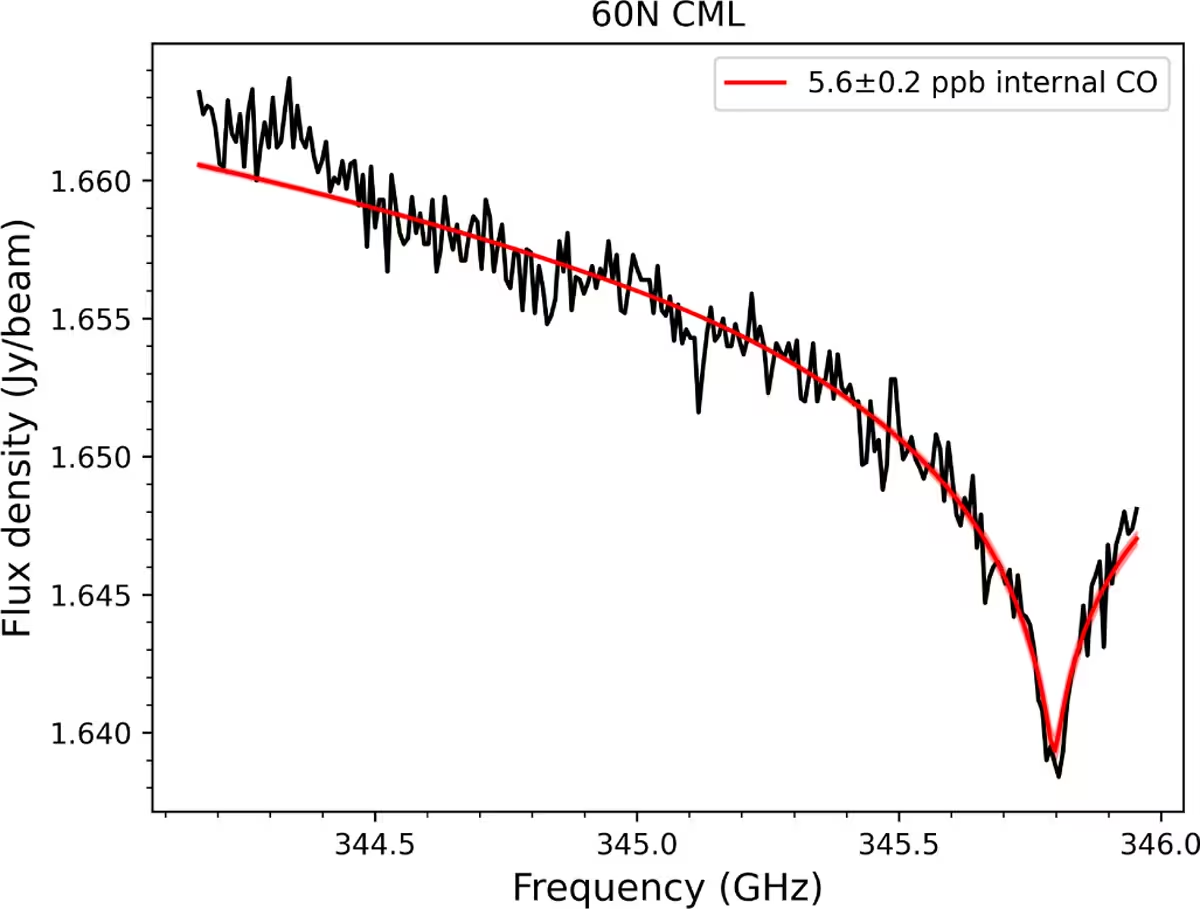
A New Perspective on Exoplanetary Systems
The implications of this study reach well beyond our own solar system. With thousands of exoplanets identified, many of which share the size and characteristics of ice giants, understanding how Uranus and Neptune formed is crucial to interpreting the diversity of planetary systems throughout the galaxy. Despite their proximity in cosmic terms, these two ice giants remain among the most poorly understood worlds in our neighborhood. The last and only direct observations came from NASA’s Voyager 2 spacecraft during its flybys in the late 1980s.
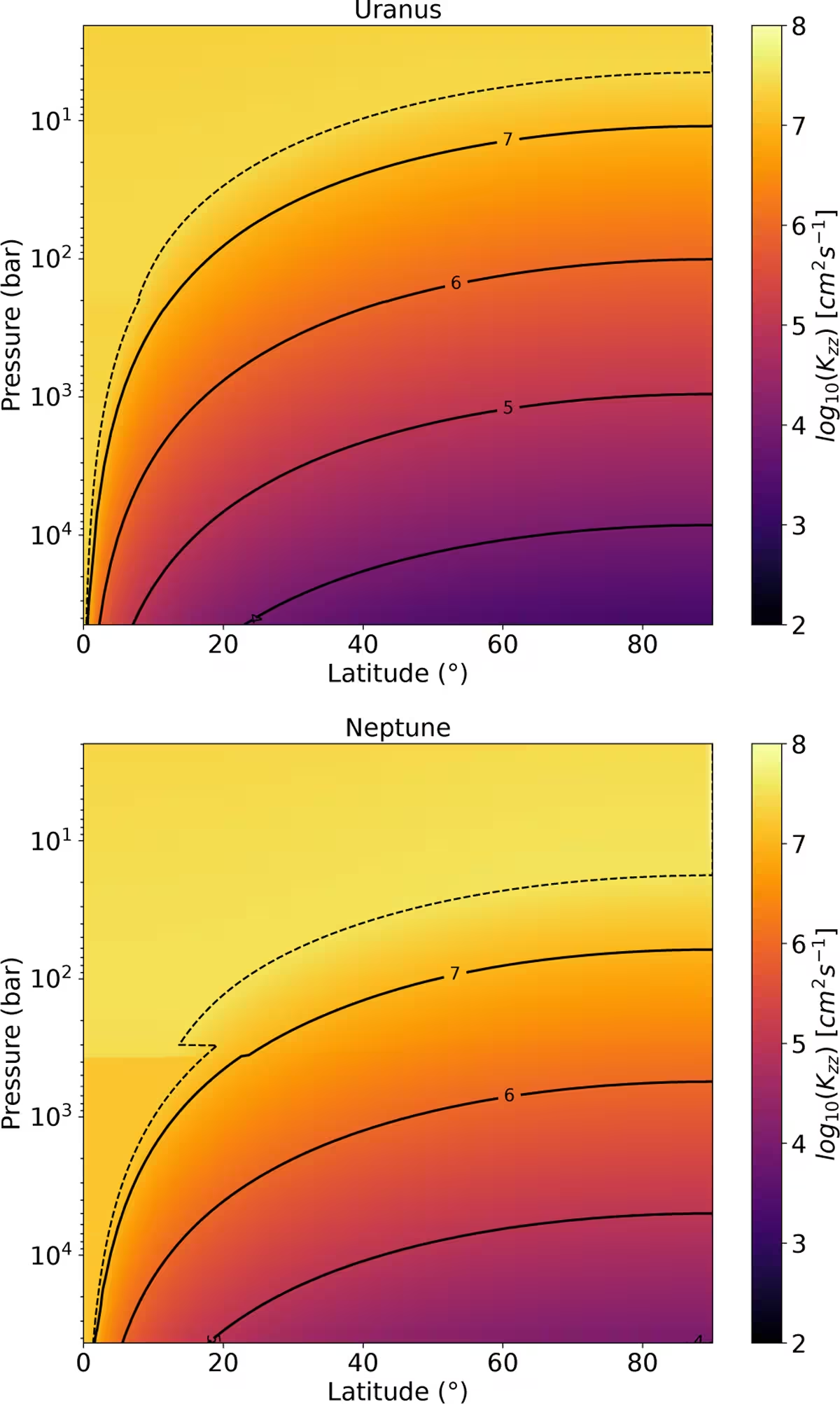
To move past theoretical modeling, scientists are pushing for a dedicated mission to the ice giants. The proposed Uranus Orbiter and Probe, which has been flagged as a priority in the latest planetary science decadal survey, would be essential for capturing the direct measurements needed to confirm these chemical discrepancies. Until such a mission arrives, the subtle chemical differences detected by ALMA serve as a vital reminder that our solar system’s history is far more dynamic than it appears from the outside.
This article has been fact checked for accuracy, with information verified against reputable sources. Learn more about us and our editorial process.
Last reviewed on .
Article history
- Latest version
Cite this page:
- Posted by Aisha Ahmed