Why Even Unlimited Water Can No Longer Protect the World’s Tallest Trees From Rising Heat
Coast redwoods have survived millions of years of climate change, but scientists have now discovered a hidden biological weakness threatening their future.
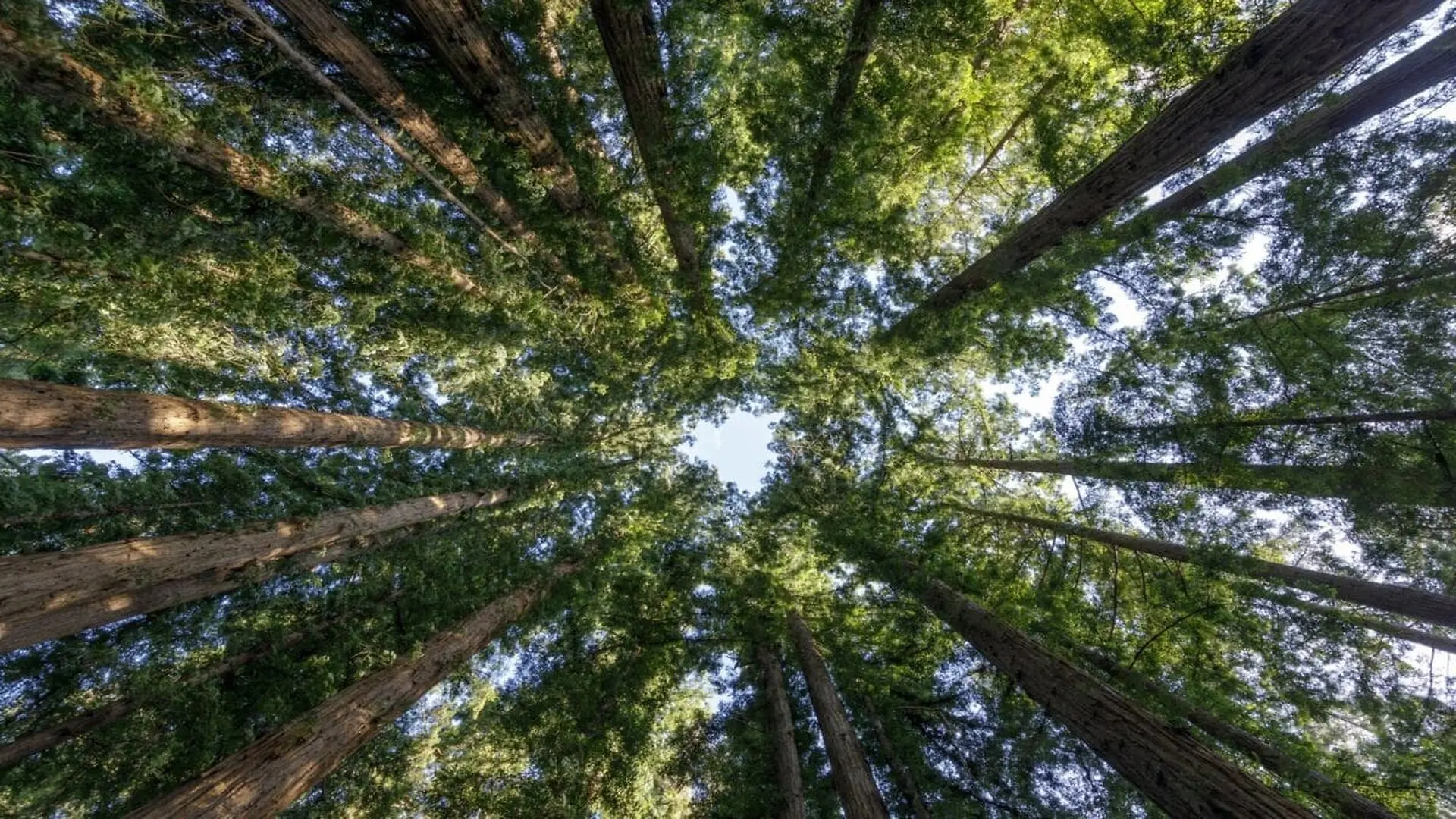
Coast redwoods (Sequoia sempervirens) have endured for roughly 20 million years, a timeline that predates the evolutionary divergence of humans and gibbons. While these giants once spanned vast regions of the Northern Hemisphere, shifting climatic patterns have long pushed them into a narrow, moisture-rich sanctuary along the fog-drenched coasts of northern California and southern Oregon. Today, however, that stronghold is under threat: human development has whittled their natural range down to a mere 5 percent, and a rapidly warming climate is now compromising the very biological mechanisms that allow these titans to thrive.
A new study conducted by researchers at the University of California, Davis, and published in JGR Biogeosciences, reveals that rising temperatures are hitting these trees harder than previously understood. By analyzing the physiological responses of redwood leaves to heat, scientists found that the trees struggle to maintain essential life functions when ambient temperatures climb.
Leaves Struggle to Cool Down as Mercury Climbs
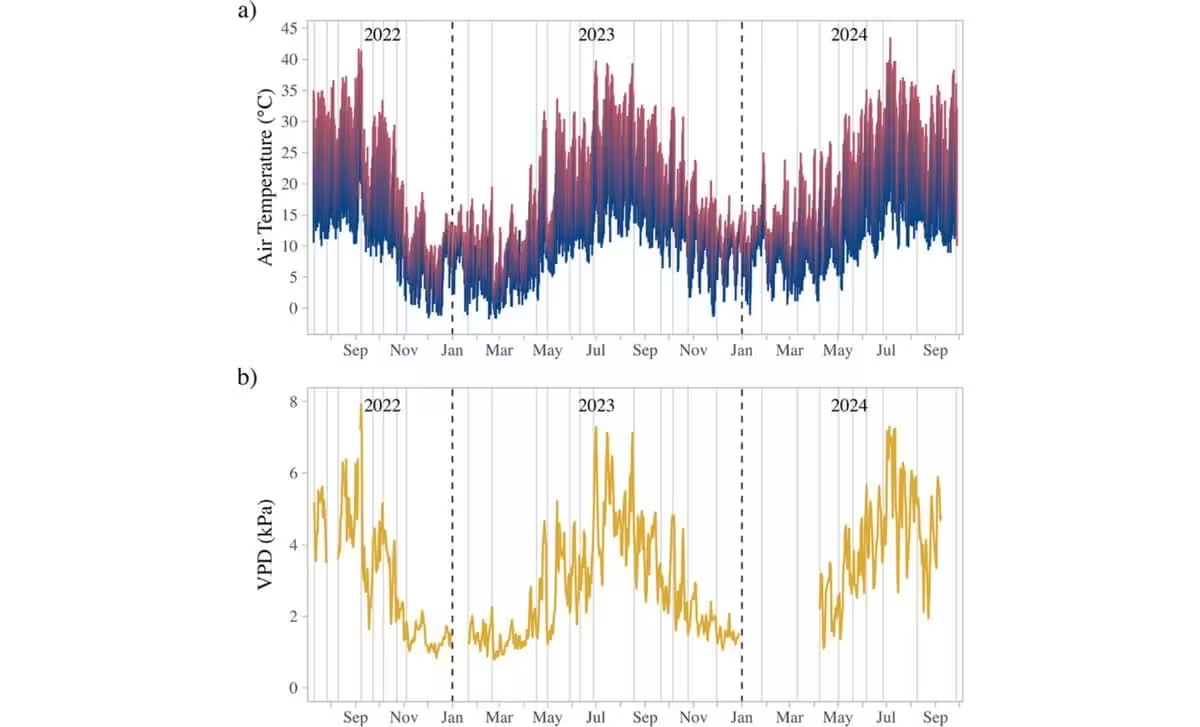
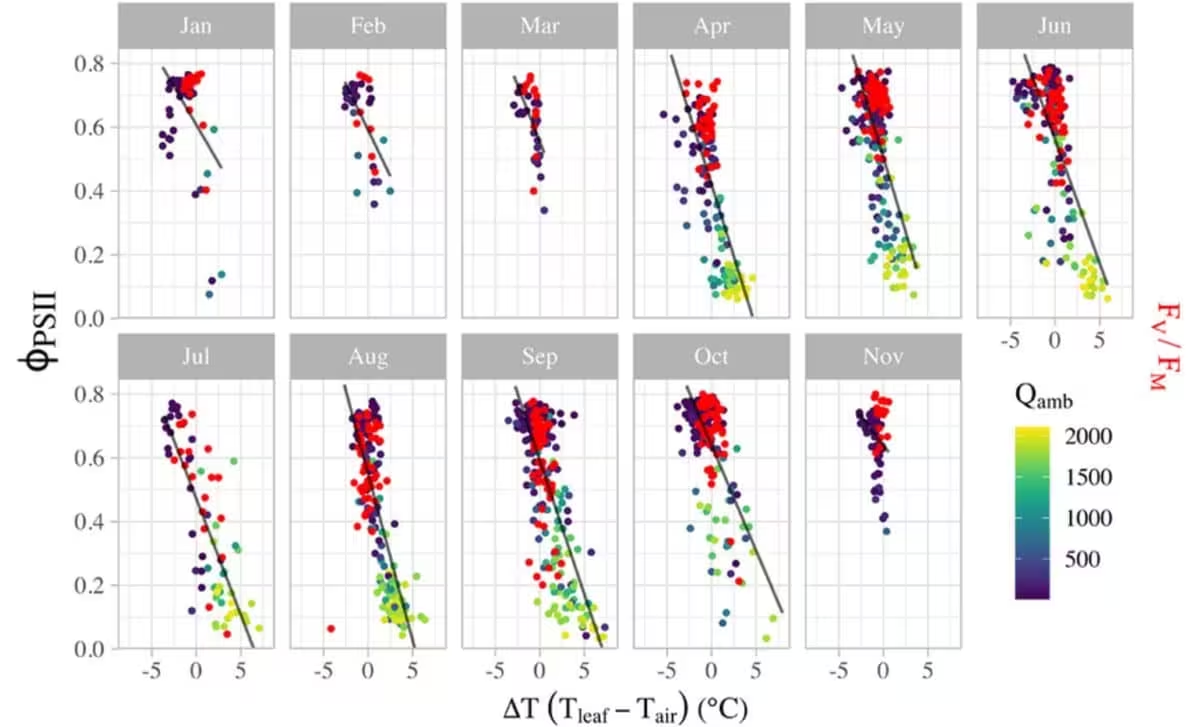
Led by UC Davis researcher Lily Klinek, the team monitored the physiology of redwood leaves from July 2022 to October 2024 to determine how the species manages thermal stress. The data indicates a significant drop in photosynthetic performance as temperatures rise. Perhaps more alarming is the discovery that redwoods become increasingly inefficient at regulating their own surface temperatures under heat stress.
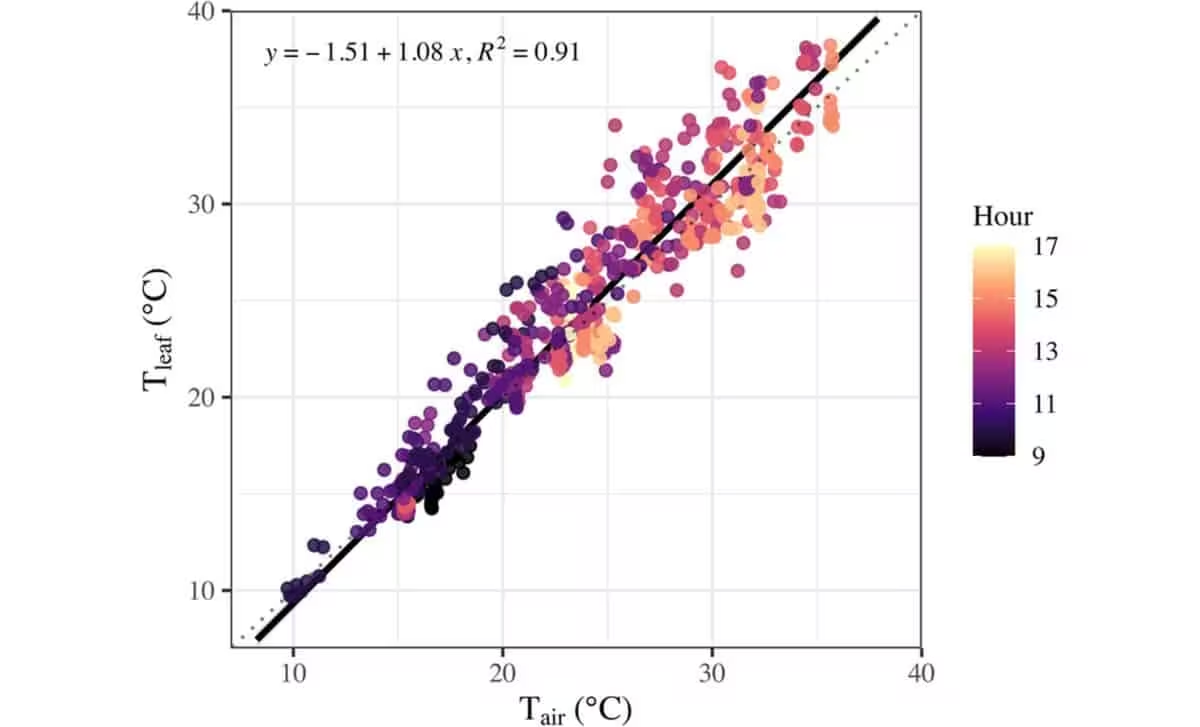
When air temperatures hit 86 degrees Fahrenheit (30 degrees Celsius), the leaves themselves can soar to temperatures nearly 20 degrees Fahrenheit (roughly 11 degrees Celsius) hotter than the surrounding air. This physiological overheating highlights the strain placed on a species that can grow over 300 feet tall.
She emphasized that this research is a critical first step in pinpointing which areas of the forest are most at risk, helping experts develop strategies to bolster the health of these ancient ecosystems.
Water Availability Is Not a Silver Bullet
Like humans sweating to maintain a stable internal temperature, redwoods utilize microscopic pores known as stomata to regulate moisture release and cooling. This process relies heavily on water availability, which is often provided by the consistent, cool fog banks of the Pacific coast. However, as the climate shifts and these fogs dissipate, the trees are forced to choose between closing their stomata to save water or keeping them open to cool their leaves.
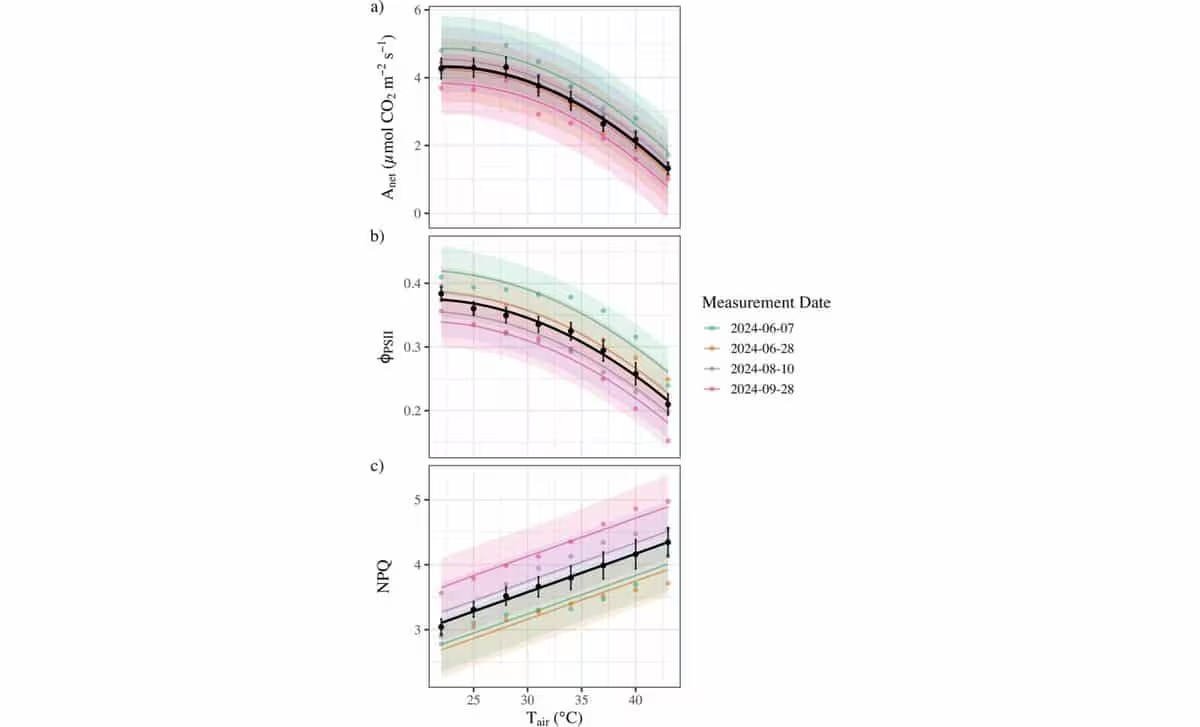
To determine if water scarcity was the sole driver of the observed decline in photosynthesis, the researchers conducted a controlled experiment. They placed redwood leaf samples in water, ensuring the stomata remained open and fully hydrated. Even with access to unlimited water, the leaves still experienced a reduction in photosynthetic output when exposed to higher temperatures.
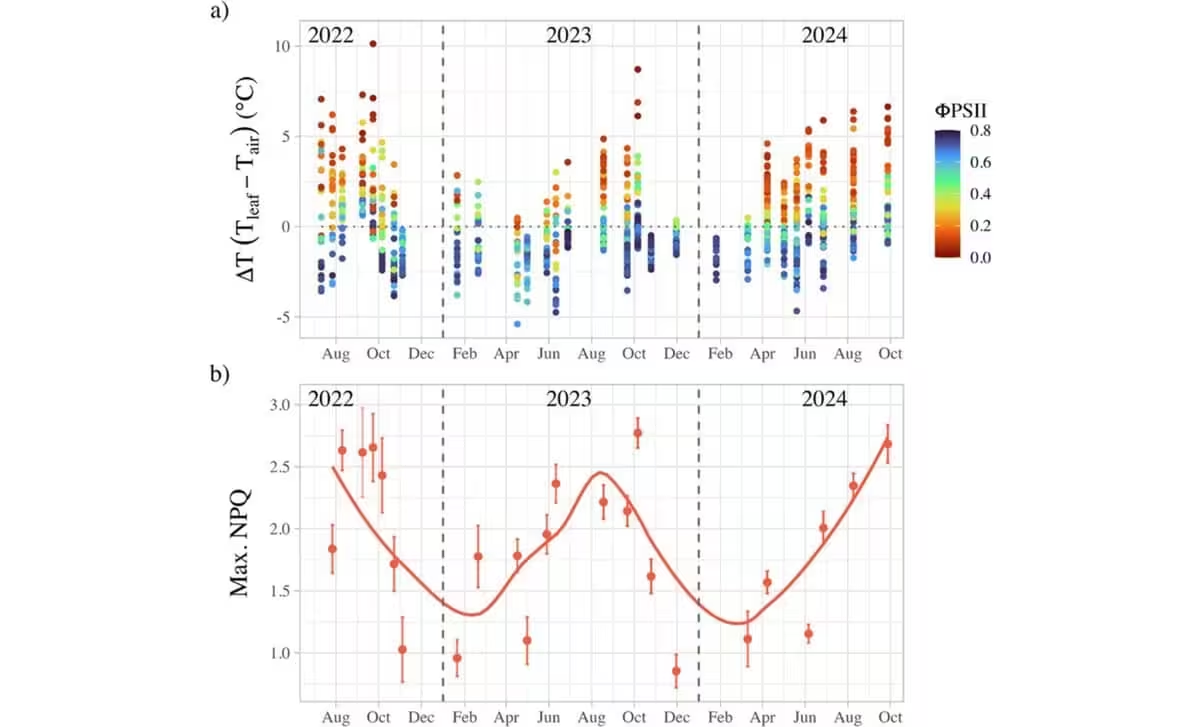
This suggests that heat acts as a direct inhibitor of the trees’ biological machinery, separate from the challenges of water regulation. As Klinek noted in coverage by Popular Mechanics, even when trees have the resources to “sweat,” the intense heat can still impair their fundamental breathing and functioning processes.
Thermal Thresholds and Future Resilience
Historically, the redwood habitat has been defined by mild annual temperatures, typically averaging around 59 degrees Fahrenheit (15 degrees Celsius). However, projections from the Scripps Institution of Oceanography and the U.S. Forest Service paint a more daunting picture, with annual maximum temperatures potentially rising by 6.8 degrees Celsius before the end of the century.
The study provides clear evidence that these trees are approaching a thermal tipping point. While the research does not define an exact “lethal” temperature, it underscores that the trees’ capacity for adaptation is being severely tested. These findings mirror trends observed in other temperate forest species, suggesting that widespread physiological suppression could be a mounting issue for global forest health.
“The vulnerability observed in redwoods may be part of a broader trend in temperate forests, underscoring the need to consider thermal thresholds in climate resilience assessments,” the authors concluded.
After navigating millions of years of climatic volatility, the coast redwoods now face a modern challenge that threatens their ability to capture carbon and maintain their massive, ancient structures. This study makes it clear that understanding these internal thermal limitations is vital for the long-term survival of one of the planet’s most iconic species.
This article has been fact checked for accuracy, with information verified against reputable sources. Learn more about us and our editorial process.
Last reviewed on .
Article history
- Latest version
Reference(s)
- Klinek, Lily., et al. “Summer Heat Stress Downregulates Photochemistry in Coast Redwoods.” Journal of Geophysical Research: Biogeosciences, vol. 131, no. 9, September 22, 2026 American Geophysical Union (AGU), doi: 10.1029/2026JG010052. <https://agupubs.onlinelibrary.wiley.com/doi/10.1029/2026JG010052>.
- “07354626212.” <https://www.noaa.gov/sites/default/files/legacy/document/2020/Oct/07354626212.pdf>.
Cite this page:
- Posted by William Moore