Why Scientists Say Milk May Actually Keep You Hydrated Longer Than Water
A Harvard doctor’s investigation into a bold dairy billboard reveals surprising evidence that challenges long-held beliefs about milk and human health.
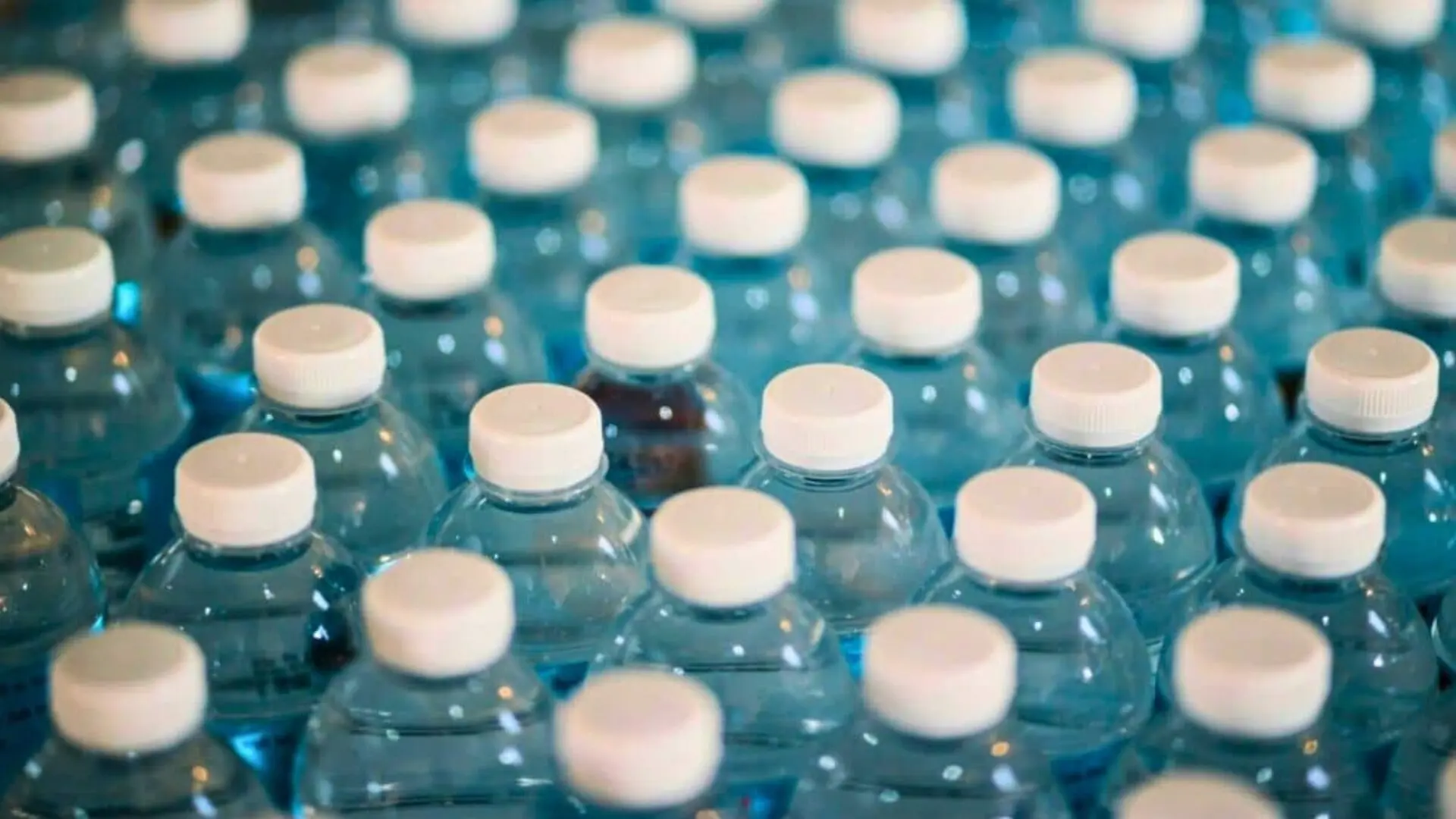
When Harvard Medical School physician Robert Shmerling encountered a roadside billboard claiming that milk is superior to water for hydration, he did what any scientist would: he investigated the underlying data. His search led him to a collection of specialized studies suggesting that, in specific contexts, milk may indeed keep the body in a state of positive fluid balance for a longer duration than plain water.
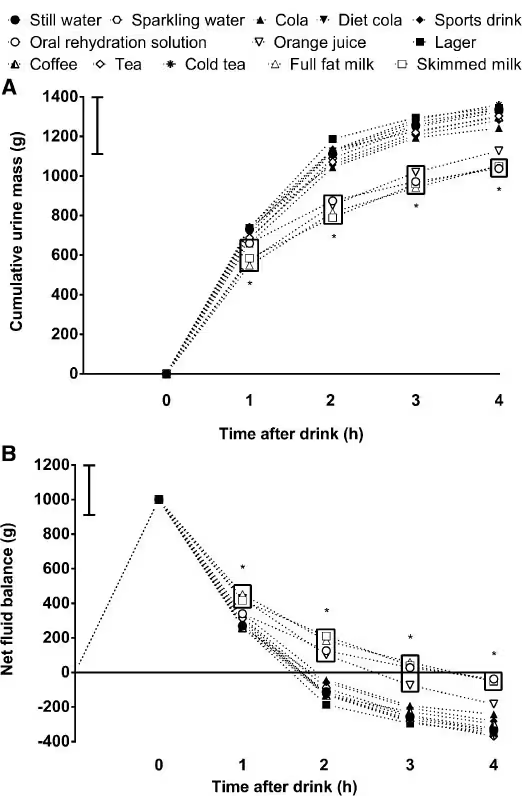
The evidence largely stems from the Beverage Hydration Index, a 2016 study published in The American Journal of Clinical Nutrition. Researchers monitored 72 men who consumed a liter of various beverages, finding that both whole and skim milk resulted in roughly 20 percent less urine production compared to water over a four-hour window.
Analyzing Hydration Efficiency Through Beverage Testing
Led by Ronald Maughan of Loughborough University, the index study compared 13 different drinks against water. Participants consumed one liter of their assigned beverage within 30 minutes. The results were telling: while water led to the production of approximately 1.3 liters of urine, milk drinkers produced significantly less. Notably, only oral rehydration solutions, specifically formulated to treat severe fluid loss, outperformed milk in fluid retention.
Other common beverages, including beer, coffee, tea, and sports drinks, showed hydration performance levels closer to that of plain water. By the two-hour mark, milk drinkers retained about 50 percent more fluid than their water-drinking counterparts.
The Biological Mechanics of Fluid Retention
The superior hydration performance of milk can be attributed to its unique composition. The presence of protein, lactose, and fat slows the rate at which the stomach empties, ensuring that fluids are delivered to the small intestine and absorbed more steadily. Additionally, milk contains naturally occurring electrolytes like sodium and potassium. Sodium acts similarly to a sponge in the body, helping to retain fluid rather than allowing it to be immediately excreted by the kidneys.
According to registered dietitian Melissa Majumdar of the Academy of Nutrition and Dietetics, these electrolytes, combined with the caloric density of milk, create a physiological environment that favors gradual fluid uptake. This effect is particularly pronounced following intense physical activity. In a 2007 study involving athletes, those who consumed low-fat milk after exercise remained in a positive fluid balance, whereas those who consumed water or sports drinks entered a fluid deficit within an hour. A 2016 trial at the University of Limerick confirmed these findings, showing sustained fluid retention in active individuals five hours post-exercise.
Isolating Minerals and Nutritional Trade-offs
Researchers at Pennsylvania State University sought to determine if these benefits were purely mineral-driven. They tested milk permeate—a byproduct created by removing the protein and fat from milk while retaining its sugars, sodium, and potassium. Published in the journal Nutrients in 2020, the study revealed that milk permeate still outperformed water and sports drinks in hydration markers, suggesting that the electrolyte profile is a major driver of the effect.
However, practical application comes with caveats. Shmerling, writing for Harvard Health, highlights the significant caloric intake required to achieve these hydration results. In some studies, the volume of milk consumed exceeded 1,000 calories. While such an intake might be appropriate for a high-performance athlete recovering from extreme training, it is counterproductive for the average person seeking daily hydration or weight management.
Ultimately, while milk offers a scientifically backed advantage for specific post-exercise recovery, medical consensus remains that water remains the standard for routine hydration, supplemented by listening to the body’s natural thirst signals.
This article has been fact checked for accuracy, with information verified against reputable sources. Learn more about us and our editorial process.
Last reviewed on .
Article history
- Latest version
Reference(s)
- Maughan, Ronald J., et al. “A randomized trial to assess the potential of different beverages to affect hydration status: development of a beverage hydration index.” The American Journal of Clinical Nutrition, vol. 103, no. 3, March 1, 2016, pp. 717-723. Elsevier BV, doi: 10.3945/ajcn.115.114769. <https://doi.org/10.3945/ajcn.115.114769>.
- <https://pubmed.ncbi.nlm.nih.gov/17459189/>.
- Seery, Suzanne. “A metered intake of milk following exercise and thermal dehydration restores whole-body net fluid balance better than a carbohydrate-electrolyte solution or water in healthy young men.”, vol. 116, no. 6, September 28, 2016, pp. 1013-1021. University of Limerick, doi: 10.1017/S0007114516002907. <https://pure.ul.ie/en/publications/a-metered-intake-of-milk-following-exercise-and-thermal-dehydrati/>.
- <https://www.mdpi.com/2072-6643/12/5/1502>.
- MD, Robert. “When replenishing fluids, does milk beat water?.”, November 14, 2022 Harvard Health <https://www.health.harvard.edu/blog/when-replenishing-fluids-does-milk-beat-water-202211142849>.
Cite this page:
- Posted by Zara Tariq