Chinese Rocket Upper Stage Explodes, Flooding Crowded LEO Zone Near ISS and Starlink
A Chinese rocket upper stage broke apart in low Earth orbit, spawning debris near Starlink satellites and sparking fresh worries about orbital congestion.
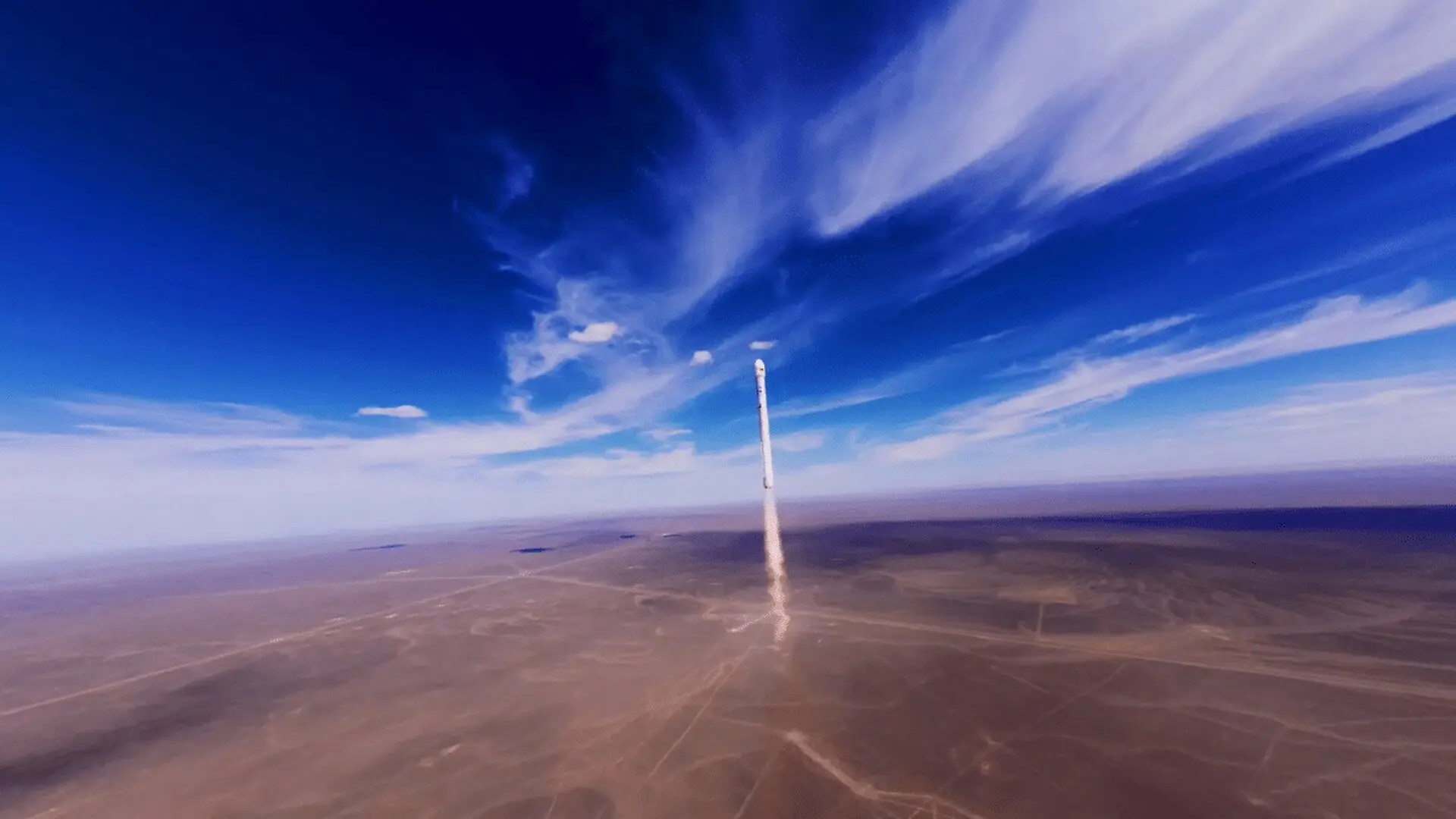
A Chinese launch vehicle’s upper stage broke apart in low‑Earth orbit shortly after liftoff, scattering a cloud of fragments through a region already packed with satellites, the International Space Station and numerous SpaceX constellations, according to a report from Ars Technica. The sudden breakup has prompted space‑monitoring agencies to update collision‑avoidance calculations for active spacecraft sharing the same orbital band.
Unexpected Disintegration of the Zhuque‑2E Upper Stage
The incident occurred after the Zhuque‑2E rocket, launched on 9 June, delivered two payloads designed for direct‑to‑cell communications. Instead of performing its planned disposal burn, the vehicle’s upper stage – built by the Beijing‑based private firm LandSpace – shattered, releasing debris across an altitude corridor that spans roughly 335 to 424 km. This slice of space intersects the trajectories of crewed missions as well as the densely populated Starlink satellite network.
According to an advisory posted on space‑track.org, the U.S. Space Force confirmed the breakup and indicated that its tracking systems are incorporating the new fragments into routine conjunction assessments. The agency emphasized that, at present, there is no identified danger to human spaceflight, but analysis of the evolving debris cloud is ongoing.
LandSpace’s upper stage measured about eight metres in length and 3.35 metres in diameter. While atmospheric drag will eventually lower the orbits of smaller particles, the immediate distribution of debris raises short‑term collision hazards that must be continuously modeled by satellite operators.
China successfully deployed two new satellites into orbit last week aboard the Zhuque-2E Y6 rocket, developed by LandSpace, a private aerospace firm headquartered in Beijing.
— China Xinhua News (@XHNews) June 16, 2026
The launch marks the latest in a series of successes for commercial space companies based in the Chinese… pic.twitter.com/YEtFcl67DC
Collision‑Risk Assessment for Satellite Constellations
Experts estimate that the fragmentation produced between one hundred and one hundred fifty separate pieces, each traveling at orbital speeds sufficient to cause severe damage on impact. Because many of these fragments have not yet entered official tracking catalogs, predicting their trajectories adds complexity to existing risk‑assessment models used by satellite operators, especially those managing the lower‑altitude Starlink fleet.
Ars Technica notes that the affected orbital shell is a favored zone for broadband satellite deployments and emerging direct‑to‑device communication systems. The overlap of multiple satellite layers at similar inclinations increases the frequency of potential conjunctions that must now be monitored closely.
LeoLabs senior technical fellow Darren McKnight placed the event in a broader context, observing that three of the four largest breakup incidents in low‑Earth orbit over recent years originated from Chinese launches, with two of those involving rocket‑body explosions within the last four years. He highlighted that design choices, passivation procedures and end‑of‑mission disposal strategies are critical factors influencing the likelihood of such fragmentation events.
This article has been fact checked for accuracy, with information verified against reputable sources. Learn more about us and our editorial process.
Last reviewed on .
Article history
- Latest version
Reference(s)
- “https://twitter.com/XHNews/status/2066865341700153842/photo/1.” <https://t.co/YEtFcl67DC>.
- Clark, Stephen. “A Chinese rocket breaks apart dangerously close to the Starlink constellation - Ars Technica.”, June 15, 2026 Ars Technica <https://arstechnica.com/space/2026/06/a-chinese-rocket-breaks-apart-dangerously-close-to-the-starlink-constellation/>.
Cite this page:
- Posted by Zara Tariq