While Exploring Their School Basement, Students Came Across a Locked Door That Led to an Ancient Roman Villa Forgotten for Generations
Ancient Roman villa unearthed beneath Rome high school after student rumors spark investigation
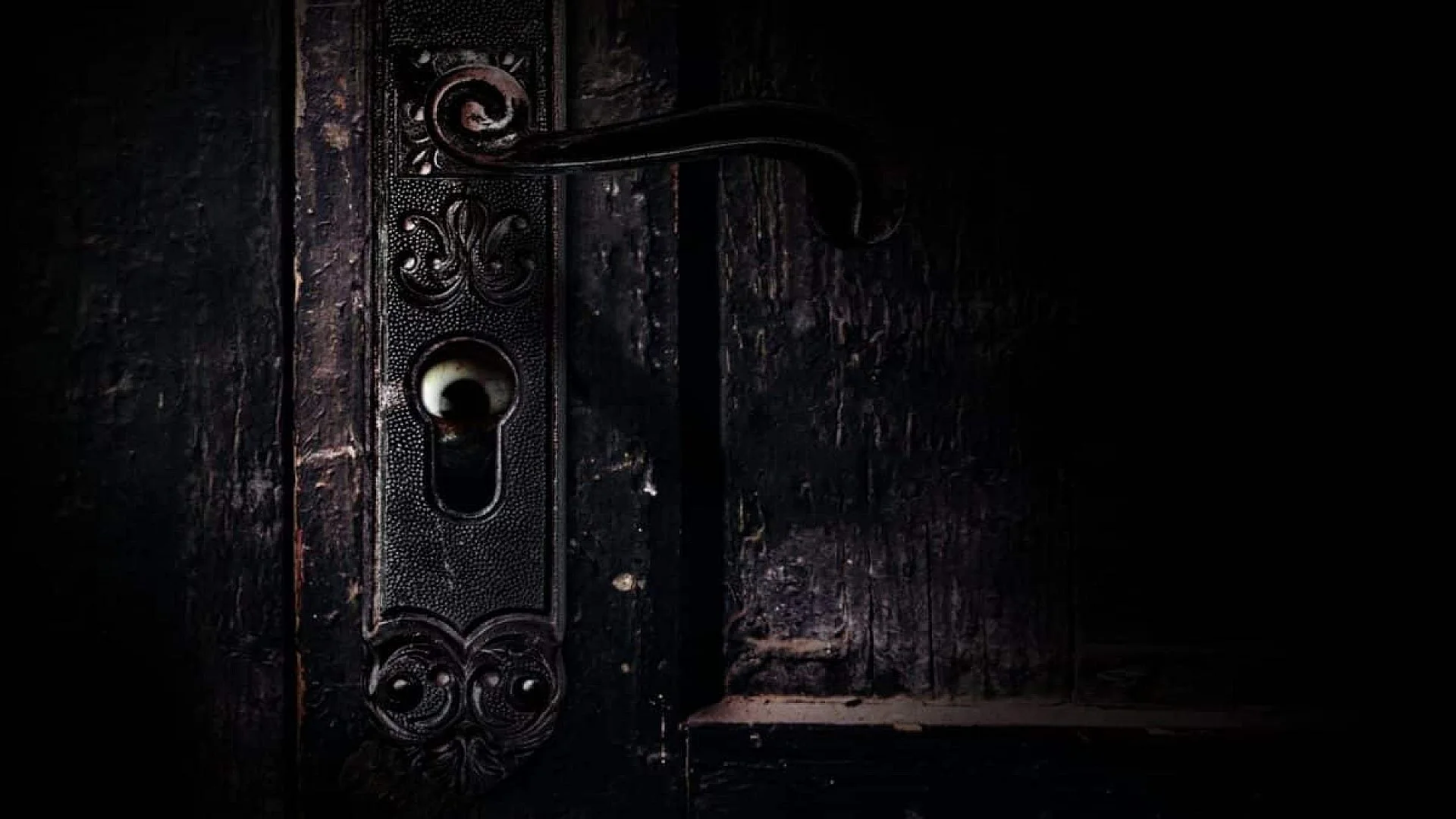
A rumor that circulated for decades among pupils at a Rome high school turned out to be more than myth: a well‑preserved Roman residence was uncovered beneath the school’s gymnasium.
Archaeologists have identified the find as a second‑century domus featuring frescoed walls, mosaic flooring and original stucco work. The site, now dubbed the Domus Liceo Cavour, lies a short walk from the Colosseum.
At the Liceo Scientifico Cavour in central Rome, tales of a concealed underground chamber had been passed down through generations of students. While teachers largely dismissed the stories, a recent student‑led protest granted access to normally restricted areas of the campus, setting the stage for the discovery.
Hidden Roman Residence Discovered Behind an Iron Door
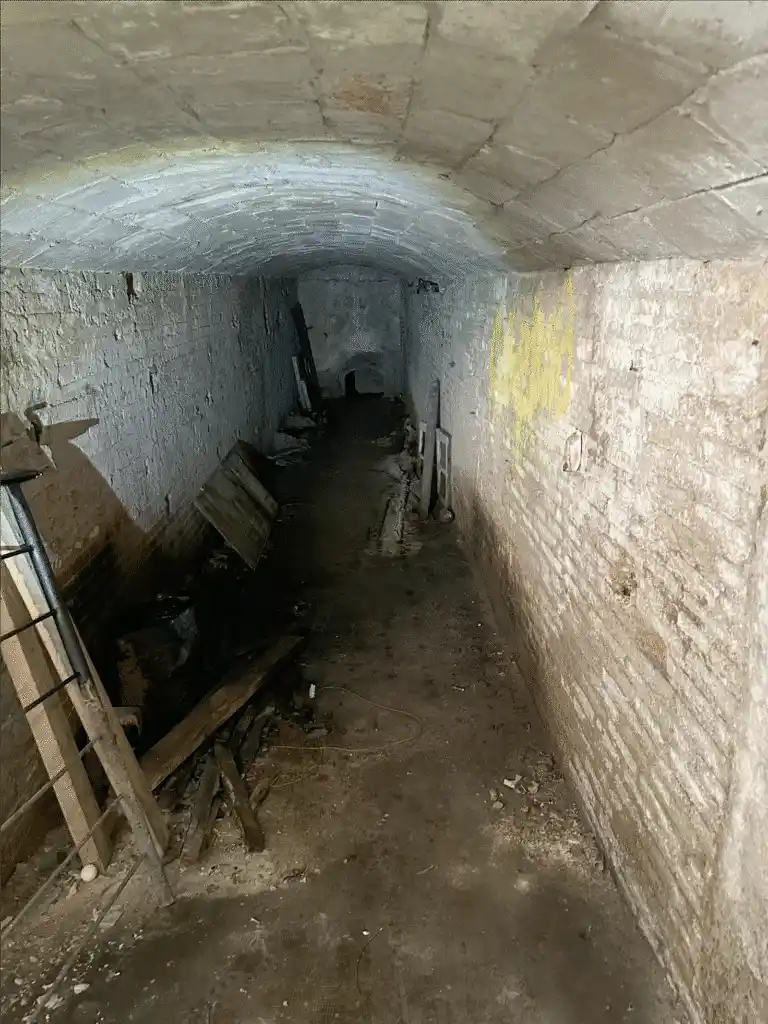
According to the school’s official statement notes that history and Latin instructor Claudia Marino and a group of students located a locked iron door, retrieved its key and entered an old boiler room. Beyond the clutter, ancient Roman walls emerged.
“For now, the house has been named the Domus Liceo Cavour pending further excavations, which are expected to help determine with greater certainty when it was built and who its owners were,” said the researchers.
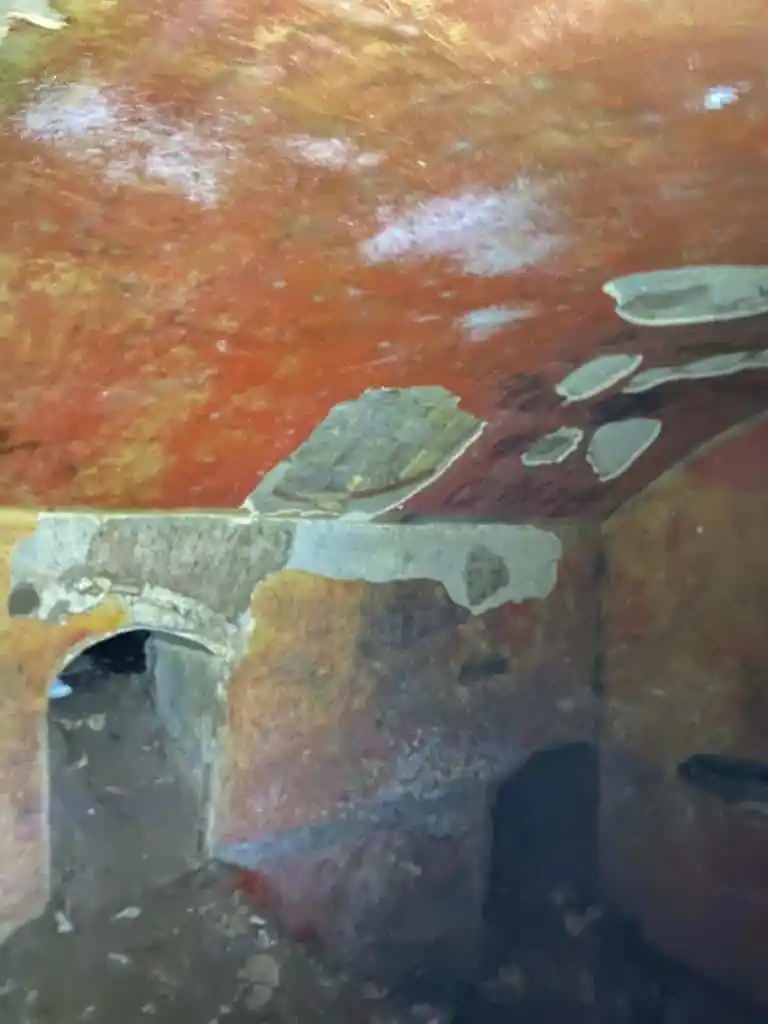
School officials later confirmed that authentic Roman masonry lay hidden behind the modern equipment. By squeezing through a narrow opening, the team entered a villa that had remained sealed for decades.
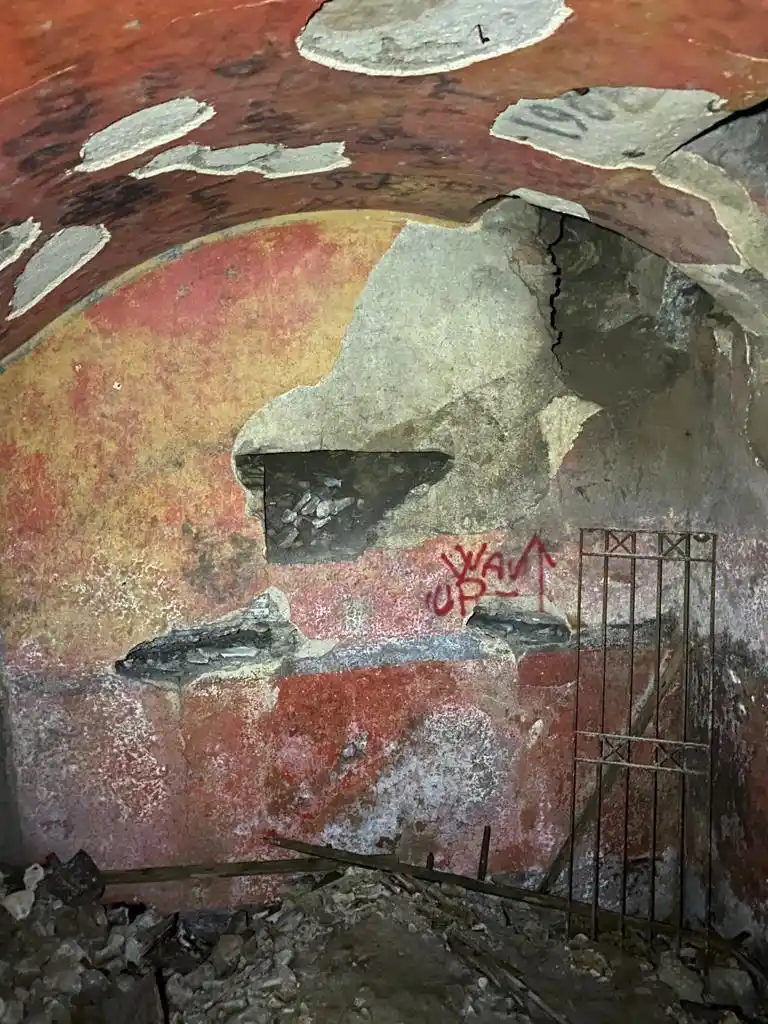
The underground home displayed vaulted ceilings still coated in original stucco, walls adorned with floral and figurative frescoes, and mosaic pavements. Its isolation in darkness contributed to the remarkable level of preservation, prompting swift involvement from the Special Superintendency of Rome, which began a systematic investigation.
Excavation Uncovers a Luxurious 2nd‑Century Roman Home
Archaeological work commenced in January 2026, with preliminary findings released on May 28. Researchers concluded that the structure is a mid‑imperial domus dating to the second century CE, now officially referred to as the Domus Liceo Cavour.
The team suggests the property may have belonged to a member of the Umbrius family, possibly linked to the Samnium region of south‑central Italy.
Excavators have already catalogued 48 crates of artifacts. Highlights include a mosaic composed of large, irregular tiles typical of the second century, as well as wall paintings and stucco that extend up to the vaulted ceilings.
The Italian Ministry of Culture reported lead‑pipe inscriptions bearing the names L. Fabius Gallus and Umbria Albina. Analysts are still assessing any connection between these individuals and the villa.
“Given the spectacular state of preservation of all the paintings within these rooms, it is essential that they be fully excavated to reveal the entire decorative scheme and allow for its detailed documentation,” the ministry said in a statement.
Centuries‑Old Secret Beneath a School Campus
The villa was not completely forgotten. The school building, erected between 1865 and 1885 as a Catholic missionary headquarters, recorded that workers encountered part of the ancient structure during construction and reported it to authorities. Official references then cease.
Nevertheless, graffiti on the walls shows dates from the 1940s and 1950s, predating the school’s 1962 inauguration. More recent markings indicate that some students were aware of the underground chambers long before the recent protest.
According to the excavation team, only a portion of the villa has been explored so far; further sections may extend beneath the school’s courtyard, suggesting additional hidden remains await discovery.
This article has been fact checked for accuracy, with information verified against reputable sources. Learn more about us and our editorial process.
Last reviewed on .
Article history
- Latest version
Reference(s)
- “Domus Liceo Cavour – Liceo Scientifico Cavour.”, February 4, 2026 <https://www.liceocavour.edu.it/web/?page_id=1636&fbclid=IwY2xjawSOdrtleHRuA2FlbQIxMABicmlkETFTNFpibUNlUDZmOGU1Y3FOc3J0YwZhcHBfaWQQMjIyMDM5MTc4ODIwMDg5MgABHuxxT335z9kfbe-hhMvjov9rQgEZbUsafLBnu8mvj4zjDb5cXnYCXj0E9tKW_aem_hmEDrWQHA-gEw7_44ajTHA>.
- “Soprintendenza Speciale Archeologia Belle Arti e Paesaggio di Roma.” <https://soprintendenzaspecialeroma.it/>.
- “DOMUS LICEO CAVOUR – Cantieri Narranti.” Cantieri Narranti <https://cantierinarranti.it/intervent/domus-liceo-cavour/?utm_id=97758_v0_s00_e0_tv4_a1demonz0ph8um&fbclid=IwY2xjawSOdyxleHRuA2FlbQIxMABicmlkETFTNFpibUNlUDZmOGU1Y3FOc3J0YwZhcHBfaWQQMjIyMDM5MTc4ODIwMDg5MgABHng9p6RgTqN7ytW691vaEM0PfMN3zR9UfBJ1D85aoMBRgrH3LK7Im0-L3qqN_aem_dmBRJSSAnL31w9Xrkf_fug>.
Cite this page:
- Posted by Zara Tariq