Why Recycling Is Failing to Stop the Global Plastic Crisis
Adding more recycling bins won’t solve the plastic crisis. Discover why systemic changes, not just better disposal, are the only real way forward.
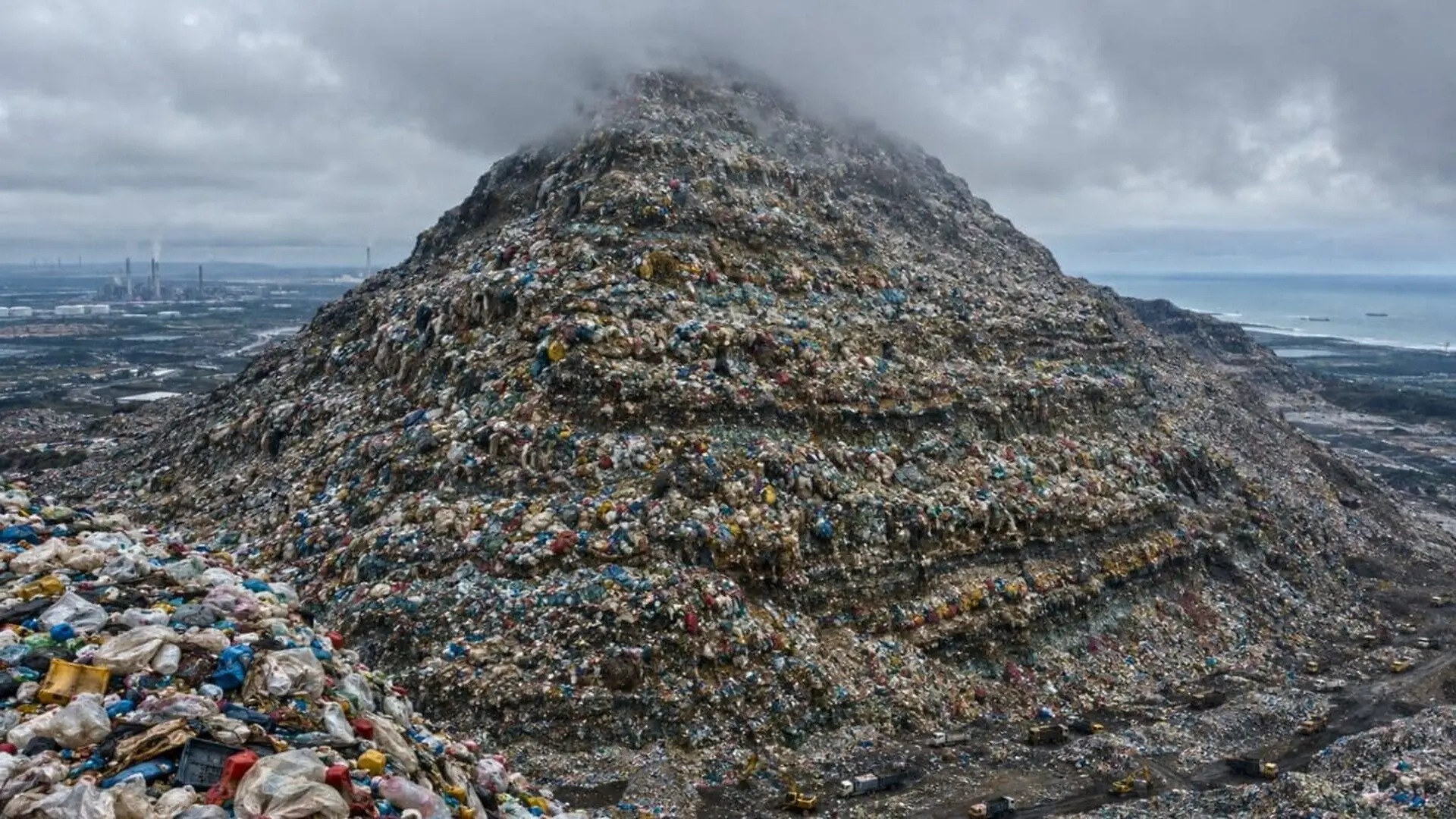
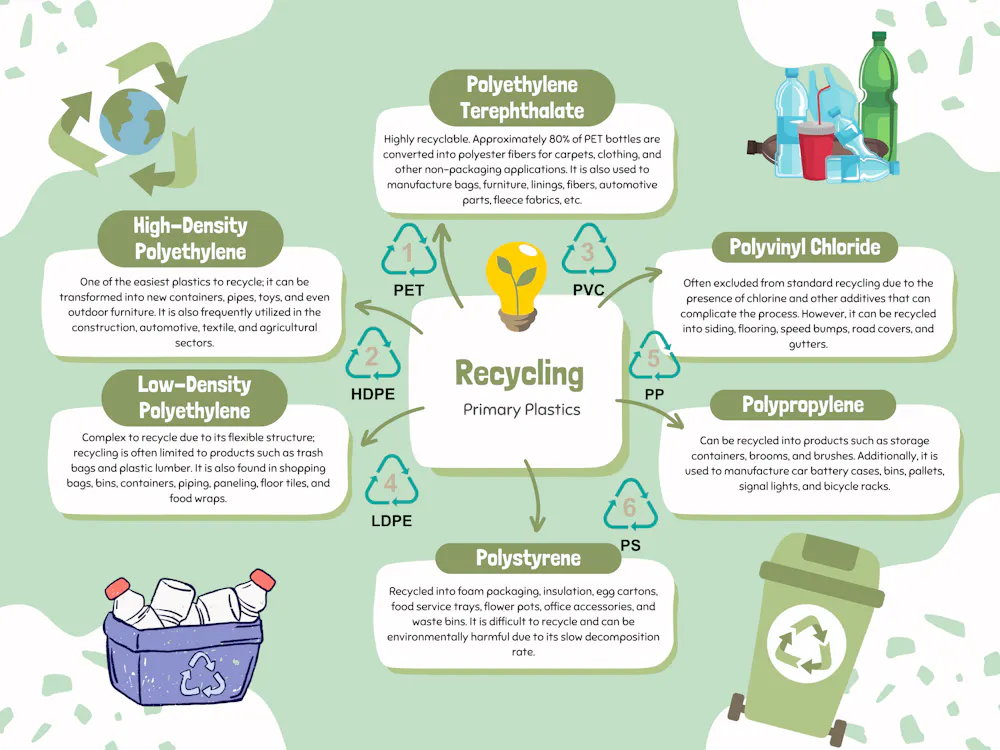
When you toss a plastic bottle into a recycling bin, it is statistically unlikely to be transformed into a new container. Instead, it will almost certainly be shredded and melted down to create fleece or carpet fibers—a process that effectively marks the end of its life cycle. This linear path is a primary reason why the global recycling rate remains stubbornly low.
A recent analysis published in Communications Earth & Environment by researchers at Tsinghua University reveals that of the roughly 400 million metric tons of plastic produced globally in 2022, only 9.5% originated from recycled materials. The vast majority of the world’s plastic supply continues to be manufactured from virgin fossil fuels, primarily oil and gas. These findings underscore a persistent lack of progress in global recycling efforts.
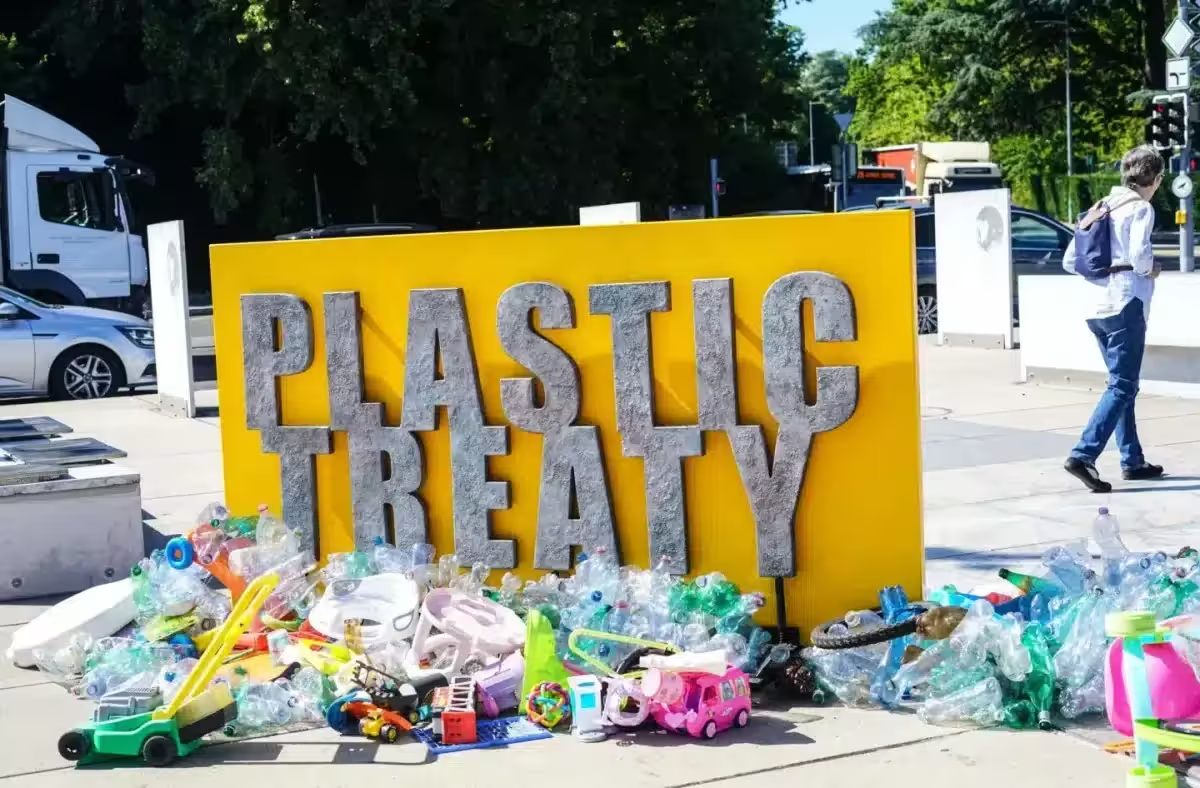
The issue has returned to the spotlight following recent diplomatic efforts. Government representatives gathered in Bangkok from September 27 to 30 to conduct informal discussions regarding a potential global plastics treaty, a process that has already faced setbacks after failing to reach a consensus during high-stakes sessions in December 2024 and August 2025.
Stagnation in the Global Plastic Supply Chain
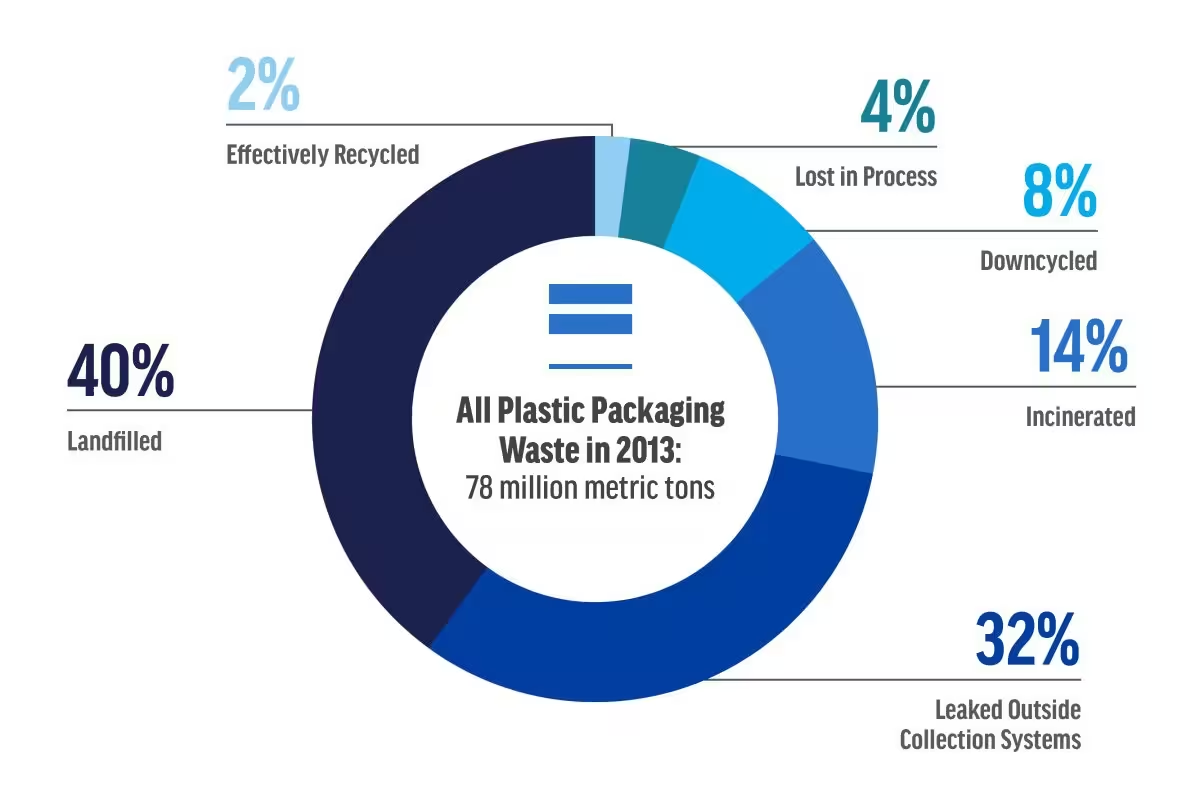
The failure to improve recycling efficiency is a long-standing trend. According to a 2017 study in Science Advances led by industrial ecologist Roland Geyer of the University of California, Santa Barbara, global production of plastic resins and fibers surged from 2 million tons in 1950 to more than 400 million tons by 2015. By that time, only 9% of the 6.3 billion tons of accumulated plastic waste had been recycled, while 12% had been destroyed via incineration. The remaining 79% ended up in landfills or polluting the natural environment.
The Organisation for Economic Co-operation and Development (OECD) reached similar conclusions in its Global Plastics Outlook, estimating that after accounting for processing losses, only 9% of plastic waste is successfully recycled. While the share of plastic sent to landfills has decreased compared to historical levels, this has not been offset by an increase in recycling; instead, there has been a significant uptick in incineration.
The Technical and Economic Barriers to Circularity
Unlike glass or aluminum, which can be reprocessed indefinitely, plastic suffers from material degradation during recycling. Mechanical recycling—the standard industry approach—involves grinding and heating the material, which fundamentally weakens its molecular structure. Consequently, even when plastic is successfully recycled, it is often downgraded into inferior products, preventing further recyclability.
Economics further complicates these efforts. Virgin plastic is generally cheaper to produce than its recycled counterpart, and the contamination of waste streams—caused by the vast variety of plastic types, colors, and additives mixed with food residue—remains a major operational hurdle for processing facilities.
Diplomatic Impasse Over Production Caps
The widening gap between global plastic production and recycling capacity remains the most contentious point in the ongoing treaty negotiations. Environmental researchers and the OECD argue that effective intervention requires limiting the total volume of new plastic produced, rather than focusing solely on waste management.
However, recent preparatory documents circulated by treaty chair Julio Cordano omitted specific mandates on production and accountability, sparking criticism from environmental advocacy groups. Cordano has maintained that the scope of the treaty is a matter for member states to determine. The next formal negotiating session, which will address whether to include production caps in the final agreement, is currently scheduled for March 2027.
This article has been fact checked for accuracy, with information verified against reputable sources. Learn more about us and our editorial process.
Last reviewed on .
Article history
- Latest version
Reference(s)
- <https://www.scimex.org/newsfeed/less-than-10-percent-of-global-plastics-are-made-from-recycled-materials>.
- Geyer, Roland. “Production, use, and fate of all plastics ever made.”, vol. 3, no. 7, pp. e1700782 PubMed Central (PMC), doi: 10.1126/sciadv.1700782. <https://pmc.ncbi.nlm.nih.gov/articles/PMC5517107/>.
- <https://www.oecd.org/en/about/news/press-releases/2022/02/plastic-pollution-is-growing-relentlessly-as-waste-management-and-recycling-fall-short.html>.
- “Pdf.”, May 3, 3425 <https://data.consilium.europa.eu/doc/document/ST-10949-2026-INIT/xx/pdf>.
- “File 20260223 86 F18aes.” <https://images.theconversation.com/files/719889/original/file-20260223-86-f18aes.png?ixlib=rb-4.1.0&q=45&auto=format&w=1000&fit=clip>.
Cite this page:
- Posted by William Moore