Scientists Drill 60 Feet Into Noah’s Ark Site and Find Something Unexpected Beneath the Soil
Researchers have conducted the first-ever core samples of Turkey’s boat-shaped Durupinar formation on Mount Ararat, revealing surprising new geological data.
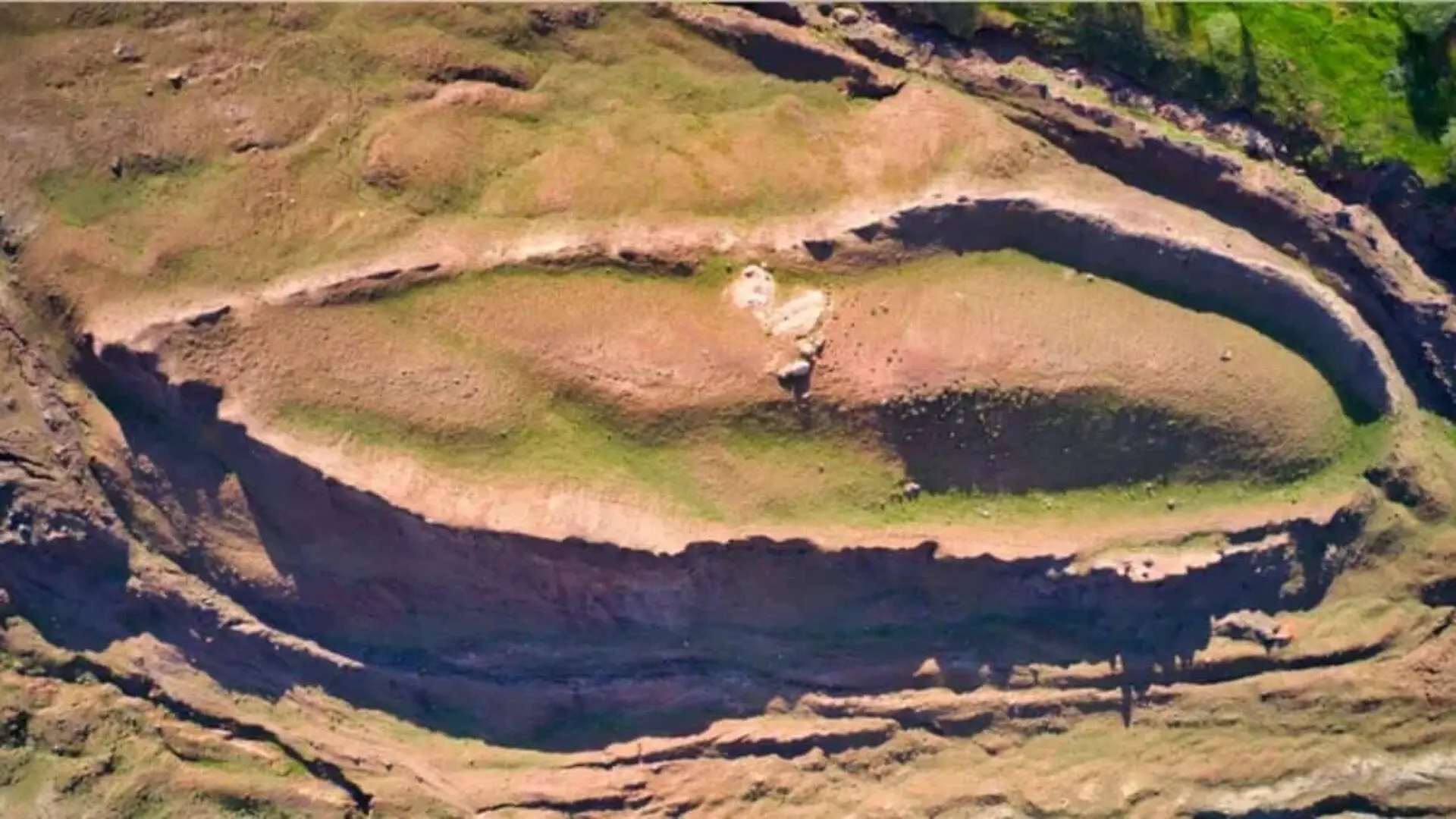
Researchers investigating the Durupınar formation on Mount Ararat have completed their most extensive drilling campaign to date, revealing unexpected conditions beneath the surface of the site often linked to the biblical story of Noah’s Ark. By penetrating up to 60 feet into the earth, the international team of roughly 20 scientists discovered an absence of solid stone, encountering primarily soil instead.
Geological Findings and Preliminary Analysis
The field work, which concluded recently, focused on extracting hundreds of soil samples from both within and outside the boat-shaped formation. Andrew Jones, vice president of the Noah’s Ark Research Project, noted that the drilling process did not hit limestone or any other substantial rock formations, a detail that challenges previous assumptions about the site’s composition.
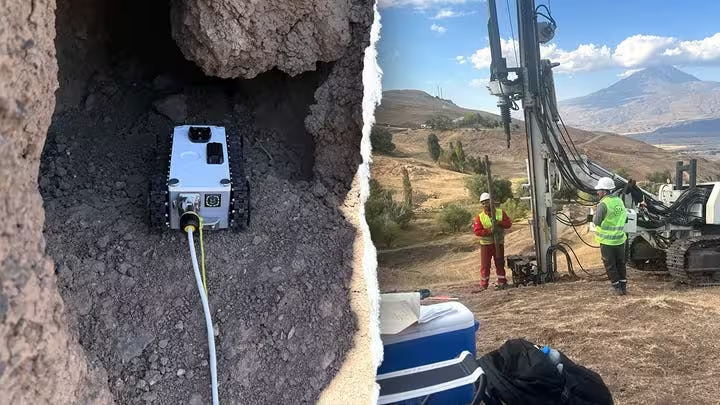
Early field data suggest that the interior of the formation contains approximately 40 percent higher carbon levels compared to the surrounding terrain. Researchers hypothesize that this elevation in organic matter could indicate the presence of decaying wood, though they emphasize that these findings remain speculative until rigorous laboratory testing is completed. Official results are not expected until the winter months.
Contextualizing the Historical Debate
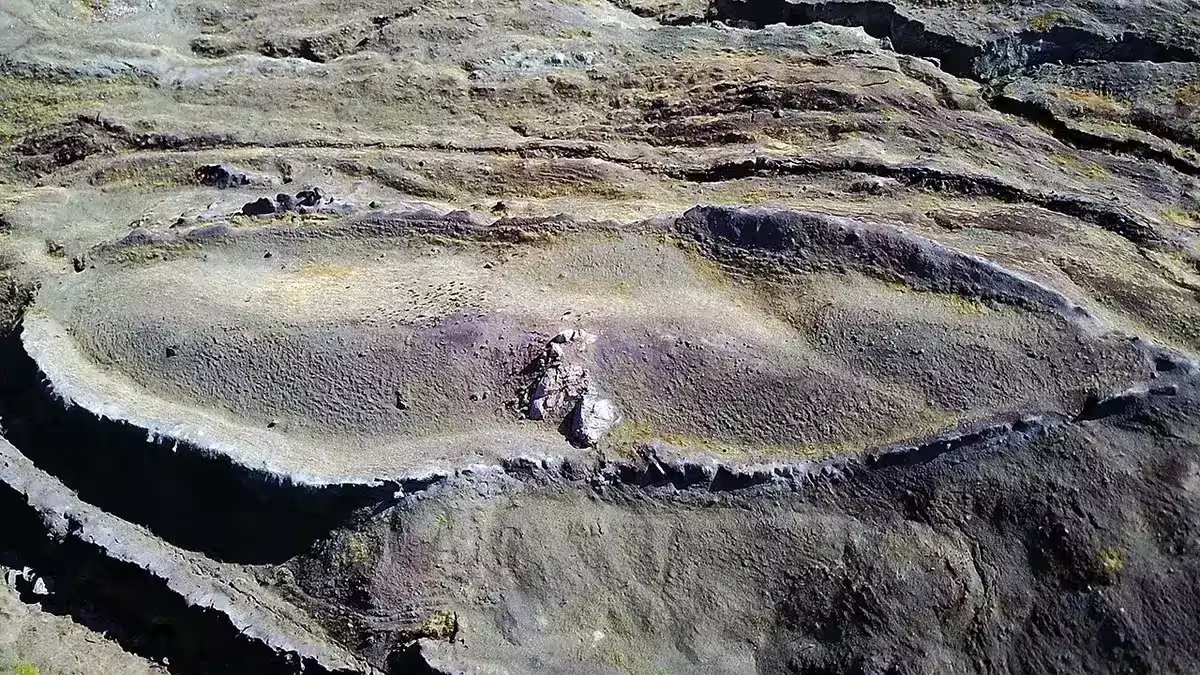
The Durupınar formation has been a subject of intense speculation since its identification in 1959. While some proponents believe the site represents the remains of the ark described in religious texts, mainstream scientific consensus has historically leaned toward a geological explanation. A 1996 study published in the Journal of Geoscience Education concluded that the formation is a naturally occurring geological feature.
Addressing the skepticism surrounding his work, Jones acknowledged the difficulty of the search. “I have friends who are atheists or agnostic, and they think that I’m looking for Santa’s house or something,” he told FOX News. Despite the criticism, he argues that the value of the mission lies in the ability to apply modern, systematic investigation to a site that has been shrouded in conjecture for decades.
Archaeological Connections
Beyond the drilling samples, the team recovered pottery fragments in the vicinity. While these items were not found inside the formation, Jones suggested they might provide evidence of ancient human settlements that existed in the area. “You can connect the dots,” he noted. “If this is Noah’s Ark, we have people living right beside it early on.”
As the team shifts to the laboratory phase, they maintain that this year’s efforts represent a significant progression in empirical research. “We have taken a substantial step forward in our ability to test the site, not completed the investigation,” Jones stated.
This article has been fact checked for accuracy, with information verified against reputable sources. Learn more about us and our editorial process.
Last reviewed on .
Article history
- Latest version
Reference(s)
- “Noah's Ark Scans — Geophysical Surveys of the Durupinar Noah's Ark Site.” Noah's Ark Scans <https://www.noahsarkscans.com/about>.
- Collins, Lorence Gene., et al. “Bogus “Noah's Ark” from Turkey Exposed as a Common Geologic Structure.” Journal of Geoscience Education, vol. 44, no. 4, February 8, 2018, pp. 439-444. Informa UK Limited, doi: 10.5408/1089-9995-44.4.439. <https://www.tandfonline.com/doi/abs/10.5408/1089-9995-44.4.439>.
- Margolis, Andrea. “Noah's Ark mystery enters new phase as researchers probe deep beneath site.”, October 2, 2026 Fox News <https://www.foxnews.com/travel/noahs-ark-mystery-enters-new-phase-researchers-probe-deep-beneath-site>.
Cite this page:
- Posted by Zara Tariq