Solar Storm Alert: 22 States May See The Northern Lights This Weekend
Powerful solar eruptions may push the northern lights as far south as 22 U.S. states this weekend. Here is how to track the best viewing windows.
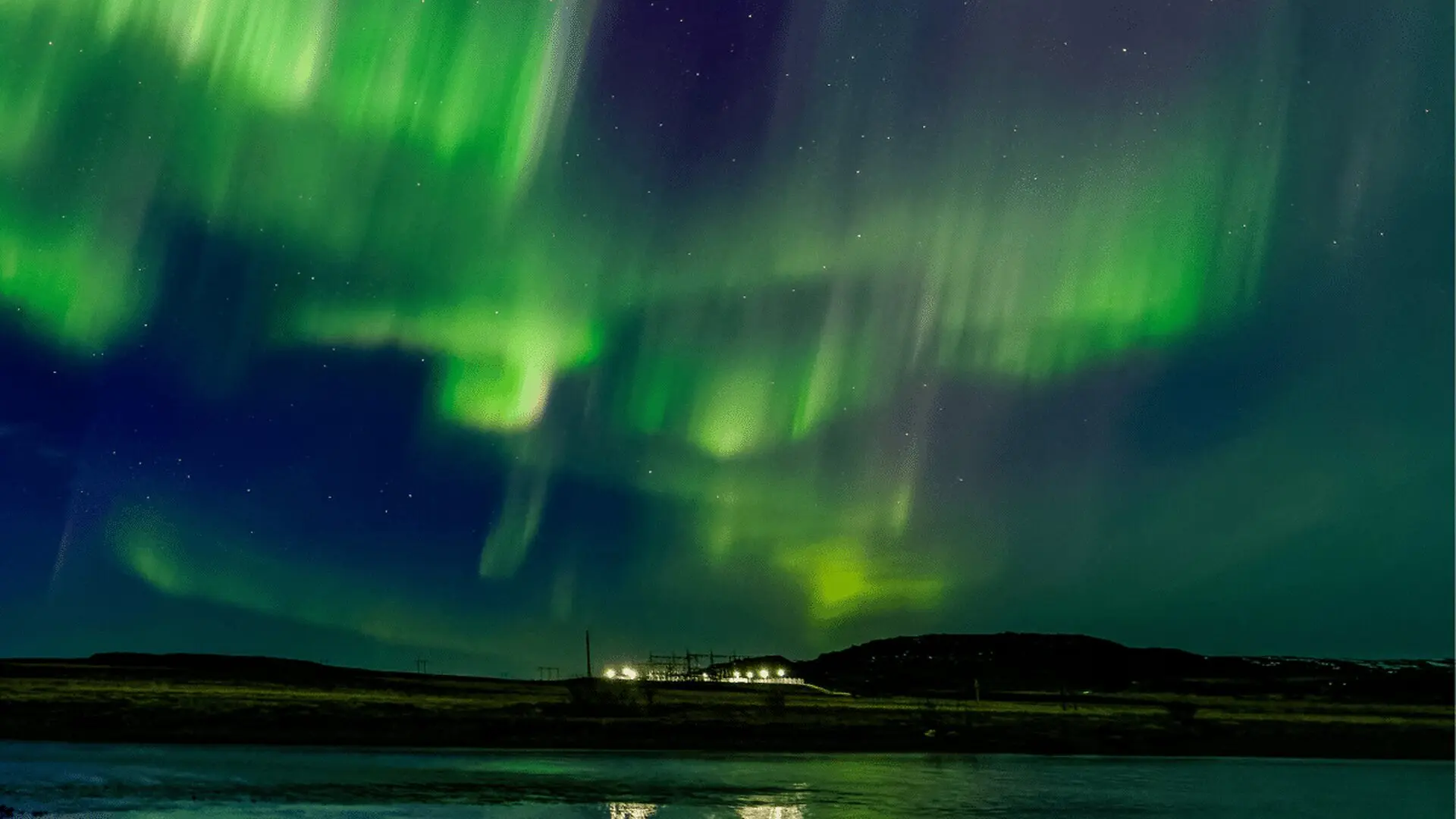
Skywatchers across a broad swath of the United States may have a rare opportunity to witness the aurora borealis this weekend, as a series of solar eruptions creates the potential for a significant geomagnetic display. Federal forecasters suggest that the resulting atmospheric activity could push the northern lights far beyond their usual polar habitat, potentially reaching as many as 22 states.
Solar Eruptions Trigger Atmospheric Light Shows
The celestial spectacle is driven by intense solar activity, specifically the release of coronal mass ejections (CMEs). These massive clouds of plasma and magnetic fields are launched from the Sun’s surface, traveling through space until they collide with Earth’s protective magnetosphere. When these high-energy particles interact with oxygen and nitrogen in our upper atmosphere, they trigger the vibrant shifts in color—typically green, purple, and red—that define the aurora borealis.
While these phenomena are standard fare for residents of high-latitude regions such as Alaska, Canada, and parts of Scandinavia, the strength of an incoming solar event can force the auroral oval to expand toward the equator. Meteorologists are currently monitoring the conditions to see just how far south this specific pulse of energy will travel.
Forecasting the Best Windows for Viewing
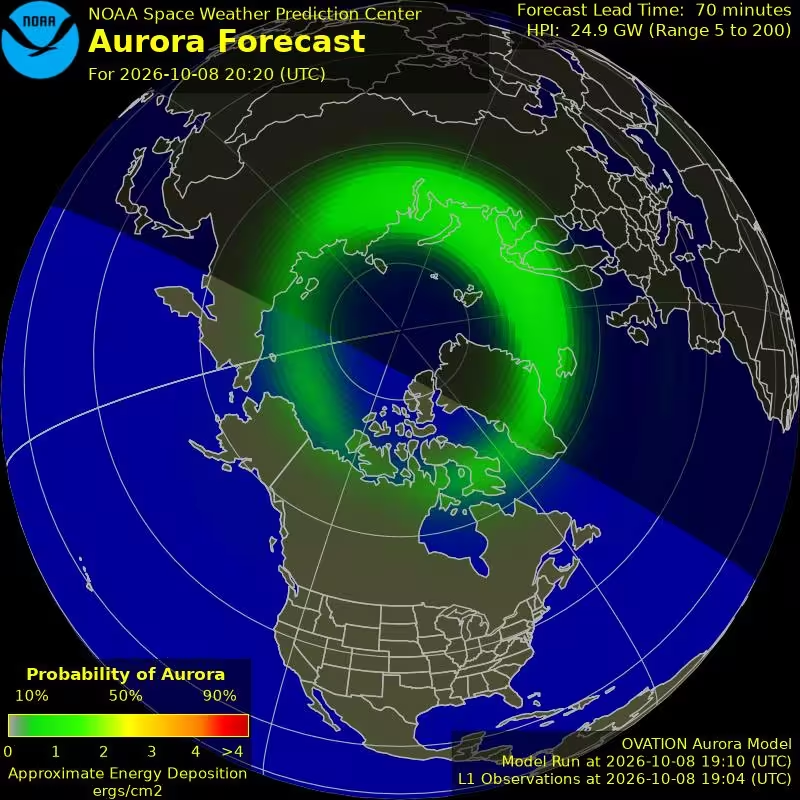
According to data from NOAA’s Space Weather Prediction Center (SWPC), initial geomagnetic disturbances are expected to begin late Thursday, October 8. A secondary, potentially more intense period of activity is currently projected for the early hours of Friday, October 9. Furthermore, a third CME launched on October 8 is being tracked, which may arrive by October 10 or 11, potentially extending the window for observation.
Experts emphasize that these timelines are estimates based on the speed and density of solar material. Because space weather can be volatile and change rapidly upon reaching Earth’s magnetic field, the most accurate predictions regarding intensity and visual range often emerge only hours before the event occurs.
Where to Look for the Aurora
The reach of the geomagnetic storm is expected to be widespread. The states with the highest probability of catching the display include Alaska, Washington, Idaho, Montana, North Dakota, South Dakota, Minnesota, Wisconsin, Michigan, Maine, Vermont, and New Hampshire. Observers in these regions are encouraged to seek out areas with clear skies and minimal light pollution to maximize their chances of seeing the lights.
Should the G2 geomagnetic storm watch materialize as expected, a secondary tier of states may also witness the glow, likely appearing as a faint illumination on the northern horizon. This potential visibility zone includes Oregon, Wyoming, Nebraska, Iowa, Illinois, Indiana, Ohio, Colorado, Pennsylvania, and New York.
This article has been fact checked for accuracy, with information verified against reputable sources. Learn more about us and our editorial process.
Last reviewed on .
Article history
- Latest version
Reference(s)
- “Aurora for Tonight and Tomorrow Night (Experimental) | NOAA / NWS Space Weather Prediction Center.” <https://www.spaceweather.gov/products/aurora-viewline-tonight-and-tomorrow-night-experimental>.
Cite this page:
- Posted by Zara Tariq