Solar Powered Stratospheric Platform Completes Historic Round Trip Between US and Japan
Sceye’s solar-powered HAPS airship successfully completed a 30,000 km test flight, demonstrating its potential for global mobile and emergency connectivity.
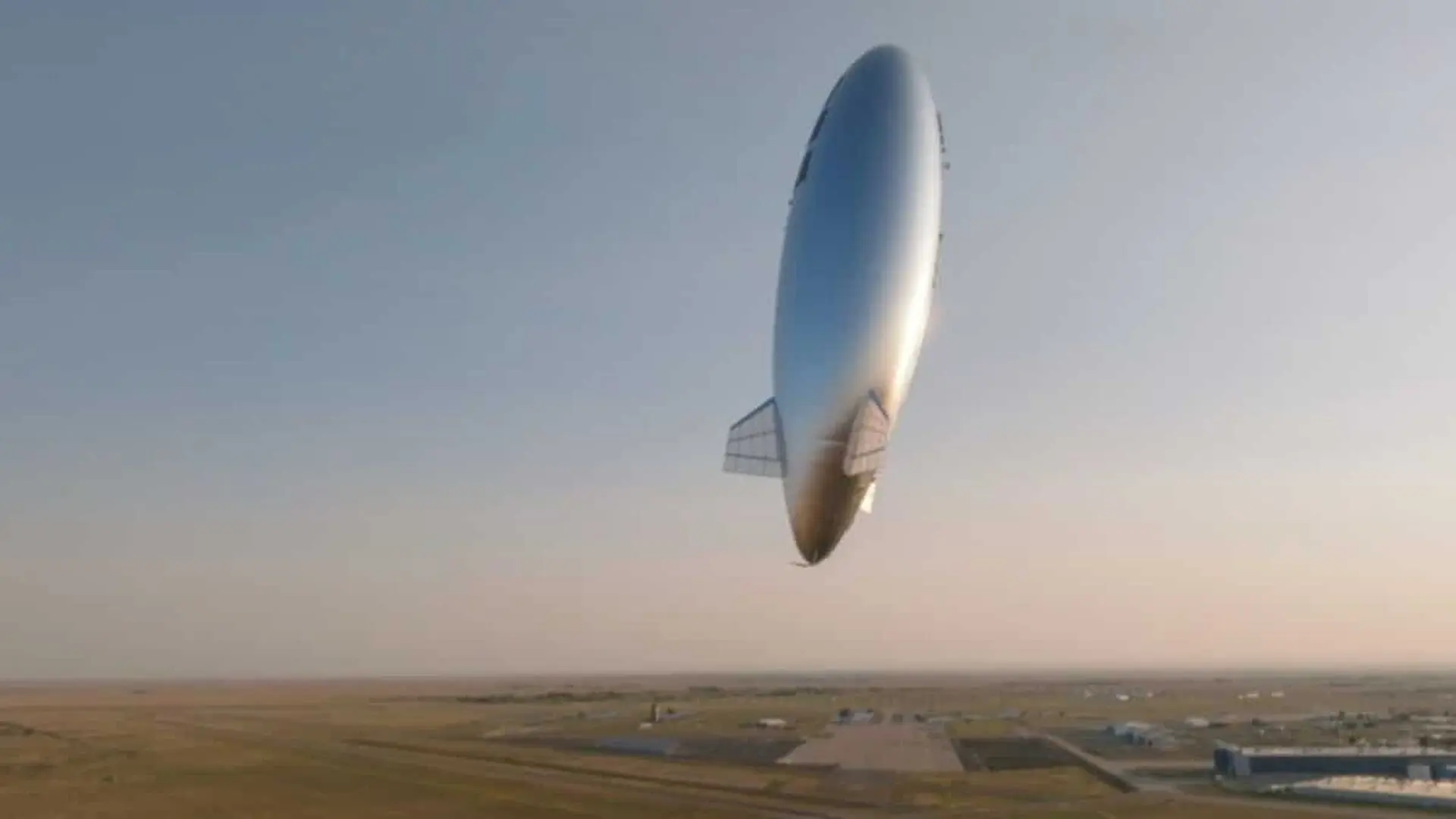
A recent mission has pushed the boundaries of telecommunications, as an uncrewed solar-powered platform successfully completed a trans-Pacific journey, operating as a floating cell tower in the stratosphere. The vehicle, developed by Sceye, launched from New Mexico on August 9, 2026, and reached Japan 13 days later, where it remained for over a week of rigorous testing before returning to its home base on September 5.
Stratospheric Connectivity and the Future of Mobile Broadband
The mission, dubbed ST1, served as a proof-of-concept for integrating High Altitude Platform Stations (HAPS) into existing global communications architecture. Crucially, the platform carried the SceyeCELL system, which is engineered to transmit mobile broadband signals directly to standard consumer smartphones without the need for specialized hardware.
While operating at altitudes between 16.5 and 17 kilometers, the craft successfully facilitated voice calls, high-speed data access, and video streaming. By leveraging energy stored from solar harvesting during the day, the platform demonstrated its ability to maintain power through the night. According to the company, a single operational HAPS could provide coverage equivalent to roughly 500 ground-based cell towers, offering a massive potential boost for connectivity in remote or disaster-stricken regions.
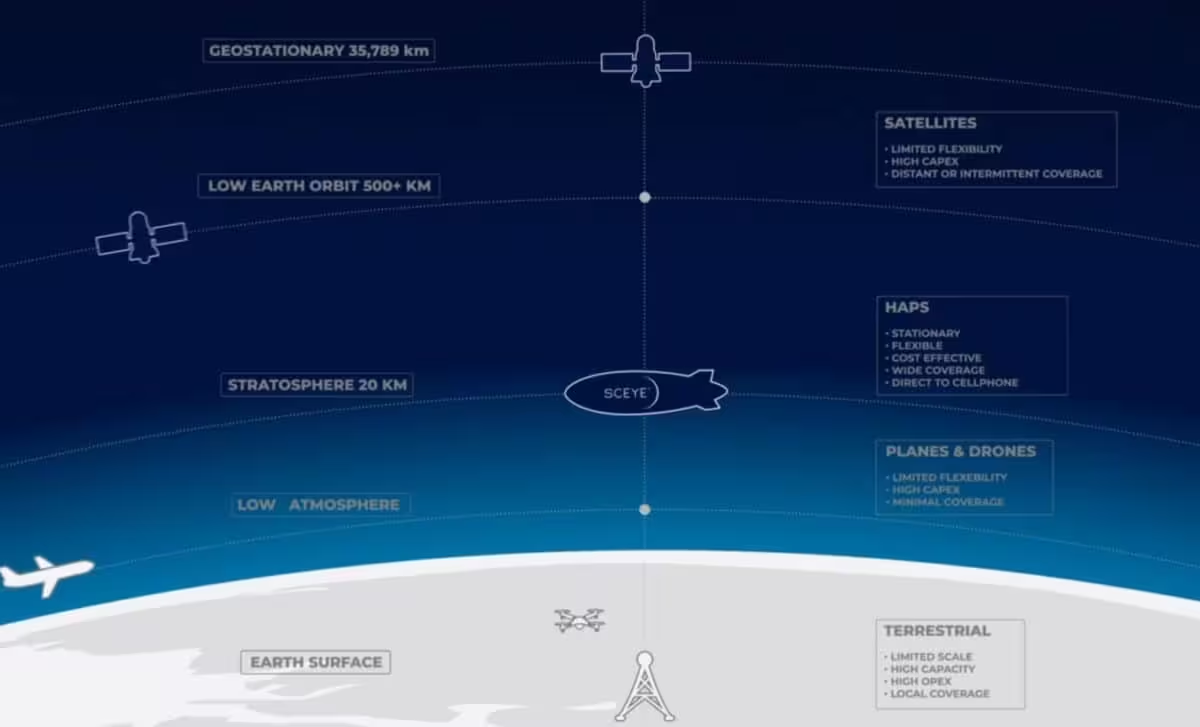
Collaborating with SoftBank Corp., the company also tested the platform’s role in a three-dimensional network, successfully coordinating communications between the stratosphere, ground stations, and drones.
Onboard Edge Computing Slashes Latency
Perhaps the most significant technical achievement during the flight was the deployment of an onboard mobile core network and web server. By processing data directly on the aircraft rather than routing it through distant cloud services, the team achieved a round-trip processing time of just 68 milliseconds.
This approach reduced latency by more than 40% compared to traditional cloud-based processing. The test confirmed that advanced computing can be sustained within the harsh, high-altitude environment of the stratosphere, providing a blueprint for low-latency communications infrastructure.
Sceye is developing uncrewed high-altitude aircraft that operate in the stratosphere as floating communications infrastructure.
— Space and Technology (@spaceandtech_) September 9, 2026
Its SceyeCELL technology can act like a cell tower in the sky, providing mobile broadband directly to standard smartphones without special equipment on… pic.twitter.com/LUYkzh3G9X
Defining the Future of Non-Terrestrial Networks
While the mission was focused on validating hardware and infrastructure rather than commercial service launch, the results are a major milestone. Mikkel Vestergaard Frandsen, CEO of Sceye, emphasized that the data collected highlights the stratosphere as a viable new layer for global infrastructure. Following previous endurance flights, such as a 6,400-mile journey toward the Brazilian coast, this trans-Pacific success confirms the platform’s ability to navigate, maintain a station-keeping radius as tight as 5 kilometers, and return safely.
The next phase for the team involves refining long-term durability, ensuring the platform can withstand the stresses of the stratosphere over extended periods. As the industry looks toward hybrid networks that seamlessly blend satellite, ground, and airborne technologies, these HAPS tests offer a promising path toward more resilient and expansive global connectivity.
This article has been fact checked for accuracy, with information verified against reputable sources. Learn more about us and our editorial process.
Last reviewed on .
Article history
- Latest version
Reference(s)
- “Sceye | Stratospheric Infrastructure for a Connected World.” Sceye <https://sceye.com/>.
- “Sceye's Stratospheric Platform Re-enters United States After Record-Breaking Roundtrip Stratospheric Flight Between U.S. and Japan.”, September 9, 2026 <https://www.prnewswire.com/il/news-releases/sceyes-stratospheric-platform-re-enters-united-states-after-record-breaking-roundtrip-stratospheric-flight-between-us-and-japan-302873007.html>.
- “https://twitter.com/spaceandtech_/status/2097658180994261108/video/1.” <https://t.co/LUYkzh3G9X>.
Cite this page:
- Posted by Zara Tariq