Scientists Date 16,000-Year-Old Black Cave Paintings in France Using Charcoal
Ancient black cave markings unlock the breakthrough scientists have sought for decades, revealing new insights into prehistoric art.
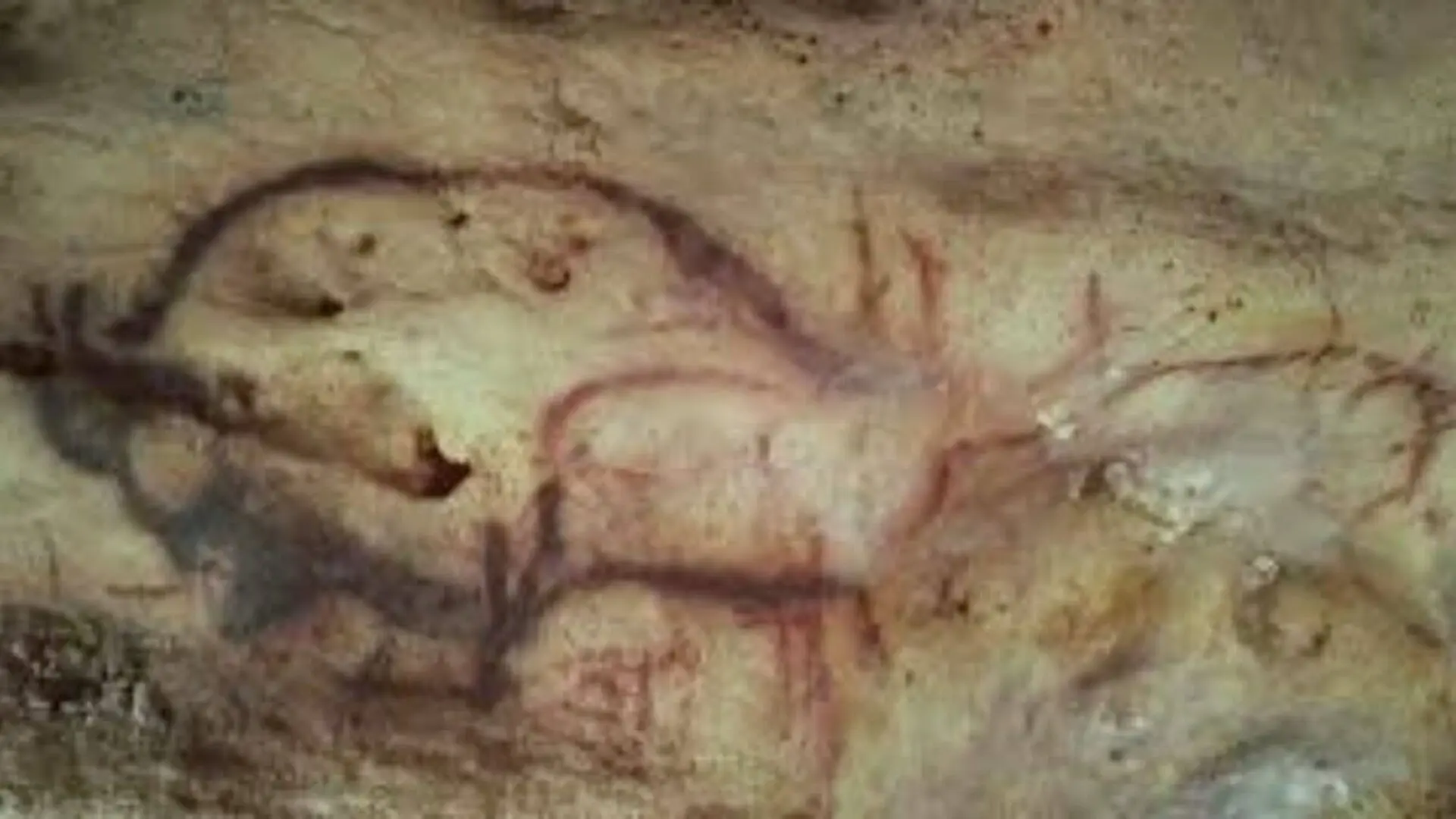
A team of researchers has succeeded in directly dating the black drawings that adorn the Font-de-Gaume cave in southwestern France, placing the artwork between roughly 13,000 and 16,000 years old. The finding provides the first solid chronological anchor taken straight from the pigments themselves.
For decades, scholars have been hampered by the fact that most dark figures in Dordogne’s caves were assumed to be produced with mineral pigments such as manganese, which lack any organic carbon and therefore cannot be dated with radiocarbon techniques.
A new investigation, published in the Proceedings of the National Academy of Sciences, turned that assumption on its head. By demonstrating that several of the black lines are actually charcoal, the scientists opened a pathway to direct radiocarbon dating of the art.
Charcoal Detection Unlocks Radiocarbon Potential
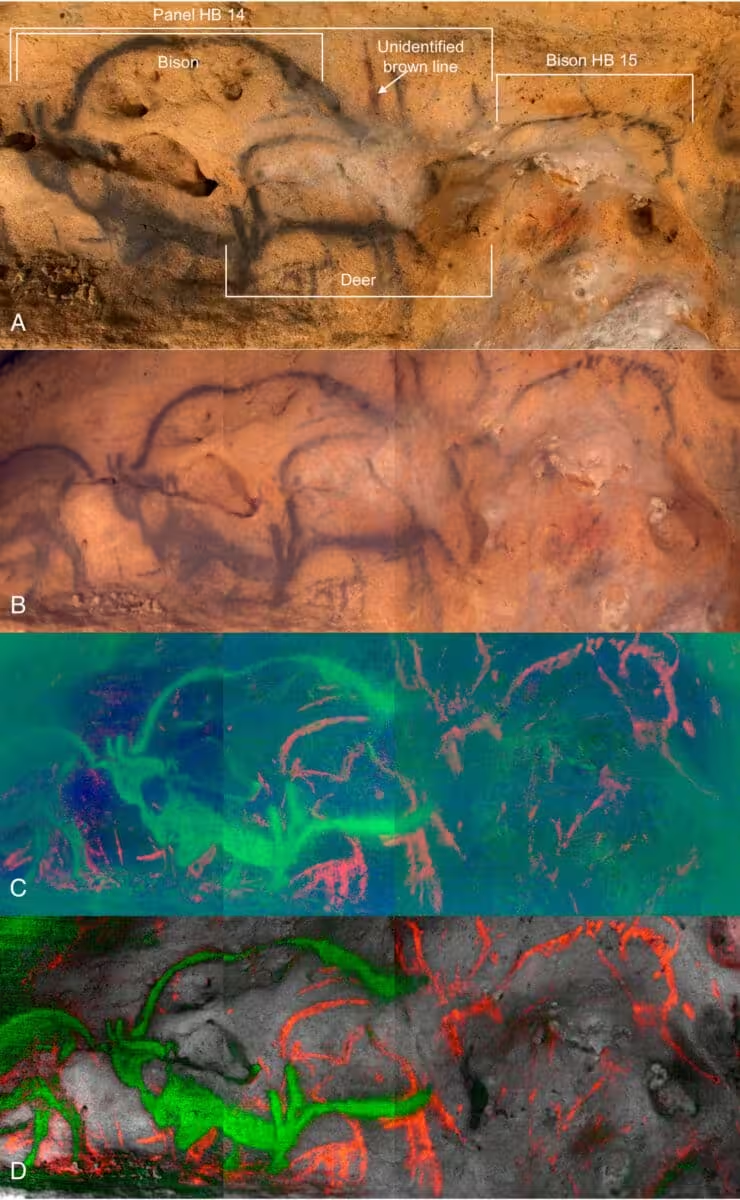
The breakthrough emerged from two modest motifs located at a junction inside the cavern—a bison and a mask‑like face. Residual pigment on the wall was examined with reflectance imaging spectroscopy, a method that maps how materials reflect light across wavelengths. The analysis revealed a signature consistent with burnt‑wood charcoal rather than the expected manganese mineral.
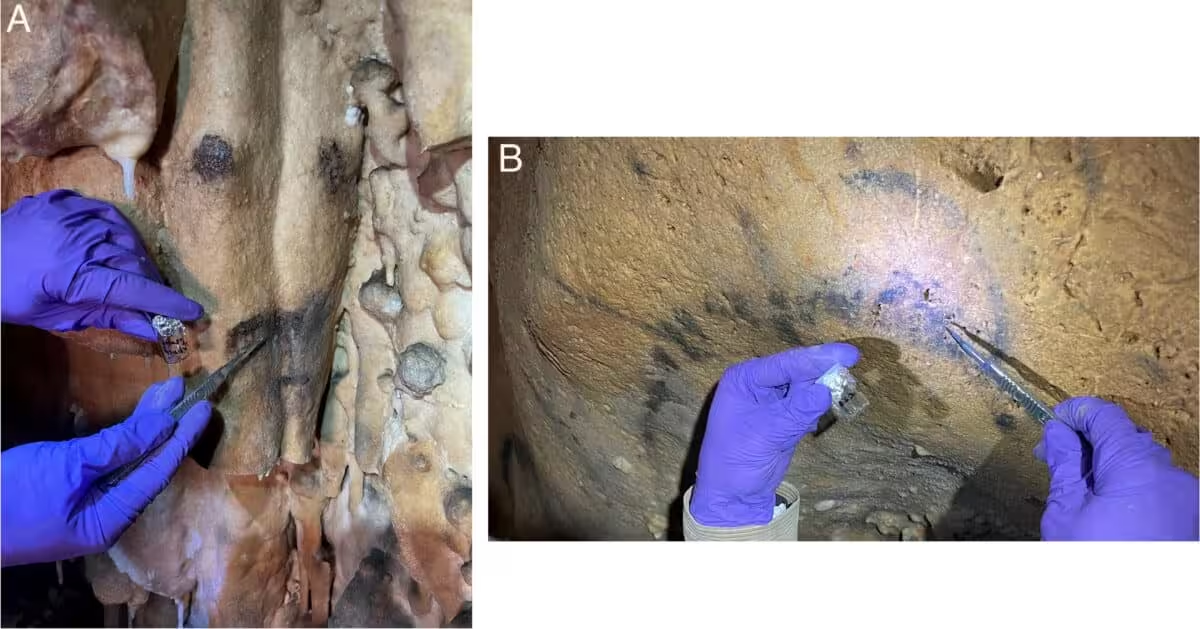
Armed with that identification, the team extracted minute samples from the charcoal lines. The sampling strategy was designed to preserve the integrity of the protected site while still providing enough material for high‑precision radiocarbon analysis. This approach addresses a long‑standing obstacle: dating prehistoric wall art when no organic component is apparent.
Ice‑Age Chronology Confirmed
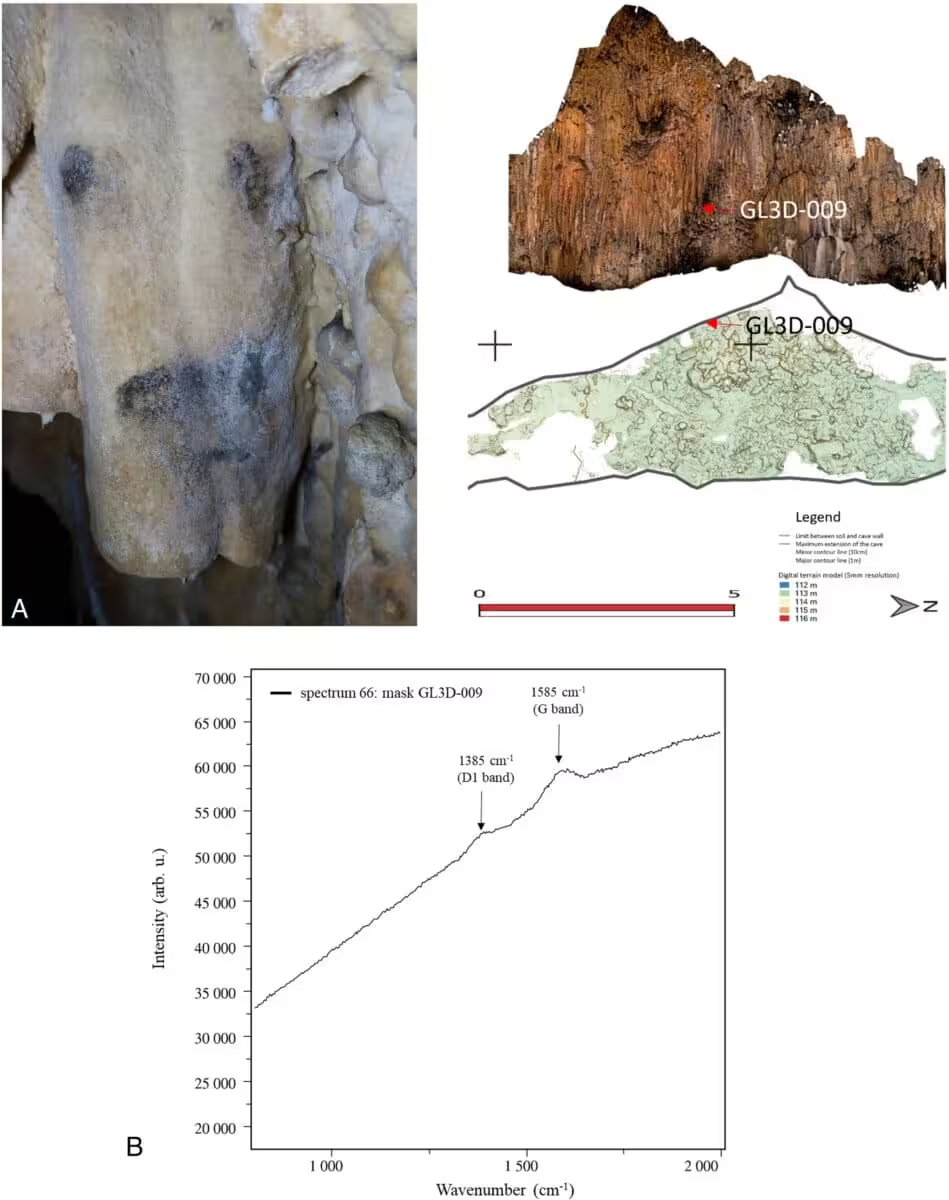
Radiocarbon results place the bison illustration between 13,461 and 13,162 years before present. The mask’s lip area yielded dates that cluster around 16,000 to 15,300 years ago, confirming its creation deep within the Ice Age period. One outlier—material from the mask’s left eye—produced a much younger age of about 9,000 years before present, a discrepancy the authors attribute to post‑depositional contamination from smoke, moisture or human contact.
The authors argue that the younger date likely reflects minute infiltration of newer carbon, a known risk when working with sub‑milligram samples. Nevertheless, the dominant signal aligns the two motifs firmly within the Upper Paleolithic.
A Turning Point for Prehistoric Art Studies
These results echo earlier work suggesting that many of the black figures throughout the Dordogne caves were produced with charcoal, undermining the long‑held belief that dark cave art relied exclusively on mineral inks. Moreover, the discovery that some charcoal drawings lie beneath later manganese layers hints at repeated visits by prehistoric artists, each adding new layers of expression.
Direct dating of pigment, rather than stylistic comparison, now offers a reliable tool to untangle such superimpositions and to build more precise cultural chronologies across the region’s extensive rock‑art record.
Situated near Les Eyzies, Font-de-Gaume houses more than 200 painted and engraved motifs and remains one of the few decorated prehistoric caves still accessible to the public. The site forms part of the Vézère Valley, a UNESCO World Heritage landscape that contains 147 prehistoric locations and 25 decorated chambers. Lead researcher Ina Reiche described the findings as experimental confirmation of the cave’s Paleolithic age.
“This result represents a scientific breakthrough and a paradigm change with implications for the Paleolithic cave art in the Dordogne region and the broader field of prehistory,” she added.
This article has been fact checked for accuracy, with information verified against reputable sources. Learn more about us and our editorial process.
Last reviewed on .
Article history
- Latest version
Reference(s)
- Reiche, Ina., et al. “Radiocarbon dating and chemical imaging of carbon black–based Paleolithic cave art in the Dordogne region (France).” Proceedings of the National Academy of Sciences, vol. 123, no. 12, March 9, 2026 National Academy of Sciences, doi: 10.1073/pnas.2524751123. <https://www.pnas.org/doi/10.1073/pnas.2524751123>.
- <https://www.researchgate.net/profile/Ina-Reiche>.
Cite this page:
- Posted by Zara Tariq