Ancient 5,000-Year-Old Tombs Reveal Early Engineering That Preceded Egypt’s Pyramids
New discoveries in Minya’s ancient tombs reveal early engineering feats that paved the way for Egypt’s iconic pyramids.
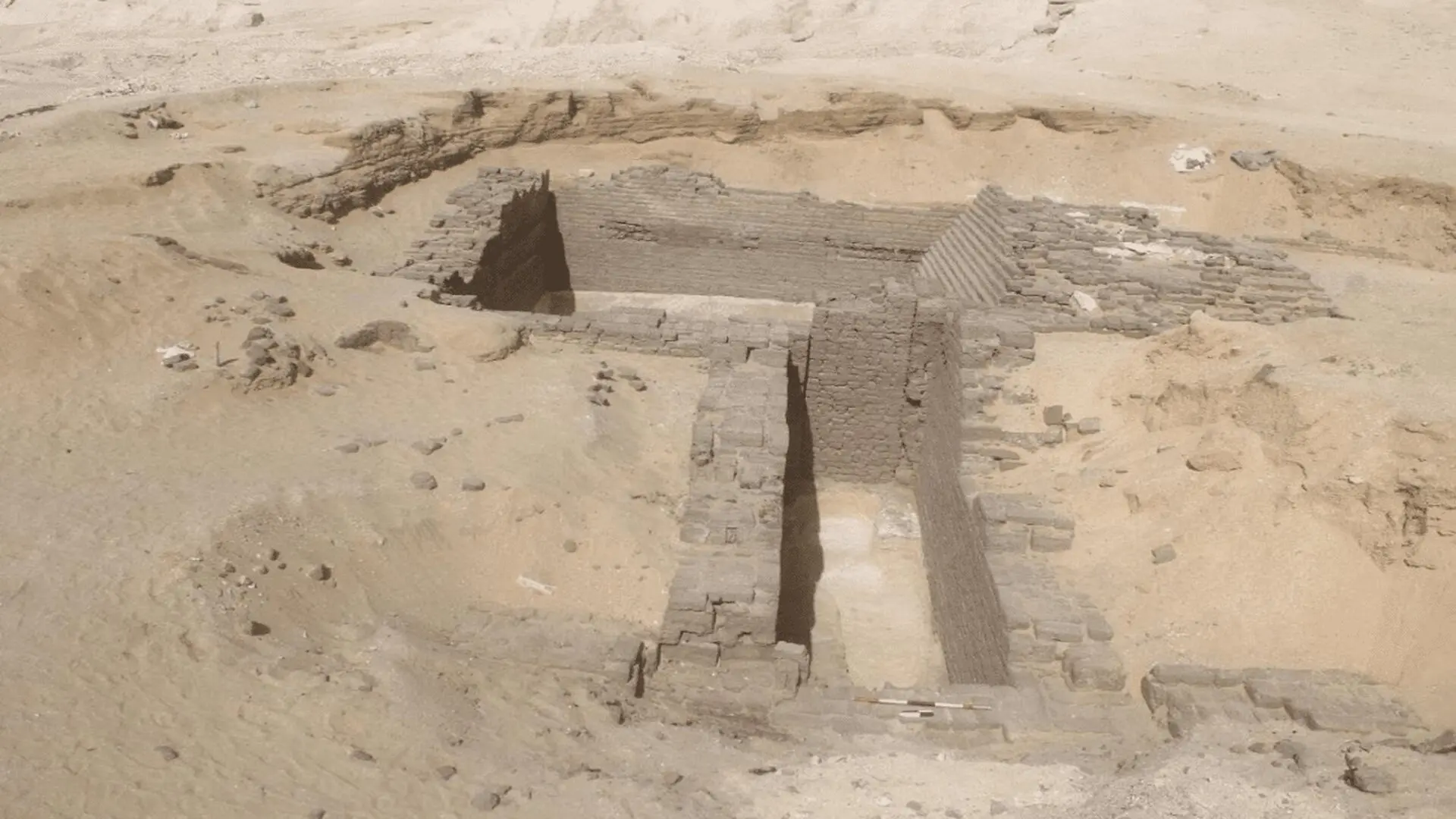
Archaeologists working in Egypt have uncovered two tombs that date back roughly 5,000 years, offering fresh evidence of how early builders experimented with forms that later evolved into the classic pyramids, the Ministry of Tourism and Antiquities said.
Proto‑Pyramid Design Evident in First Tomb
The site at Jabal al‑Tayr on the Nile’s eastern bank in Minya Governorate yielded an Early Dynastic tomb whose walls are noticeably thicker at the base and gradually narrow toward the top, a construction logic that foreshadows the step pyramids and the later true pyramids that dominate Egypt’s skyline.
Researchers identified traces of ancient stone‑cutting methods and wooden braces that would have helped distribute weight across the structure, providing a rare glimpse into the engineering thinking that pre‑dated the large‑scale pyramid complexes . Even the damaged portions of the tomb reveal the meticulous care applied by the builders.
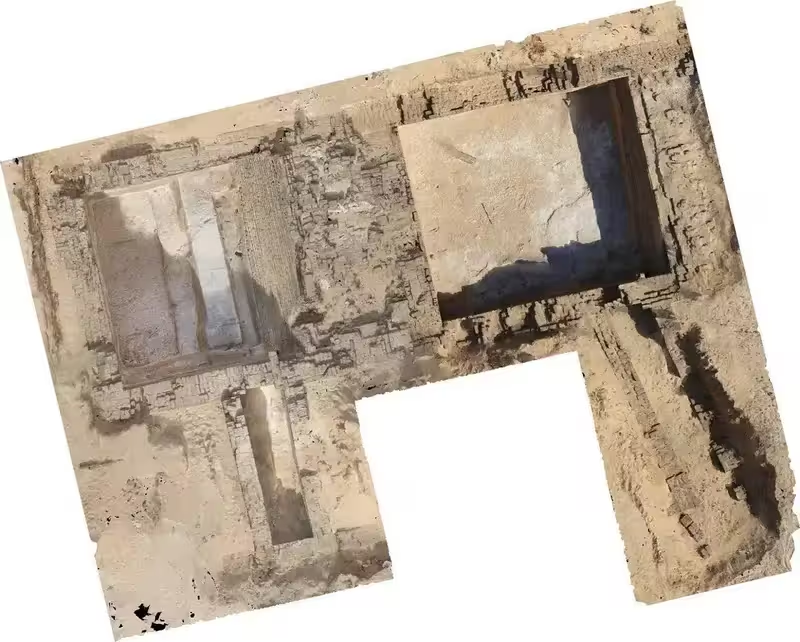
Companion Tomb Preserves Original Layout
A second tomb located just south of the first shares a similar floor plan but is far better preserved, allowing archaeologists to examine the original stonework and reinforcement system in detail.
The intact condition of this tomb offers a comparative baseline for other Early Dynastic sites, suggesting that construction knowledge circulated across different regions as the early Egyptian state took shape. The findings point to a higher level of sophistication in burial architecture and cross‑regional influence than previously assumed.
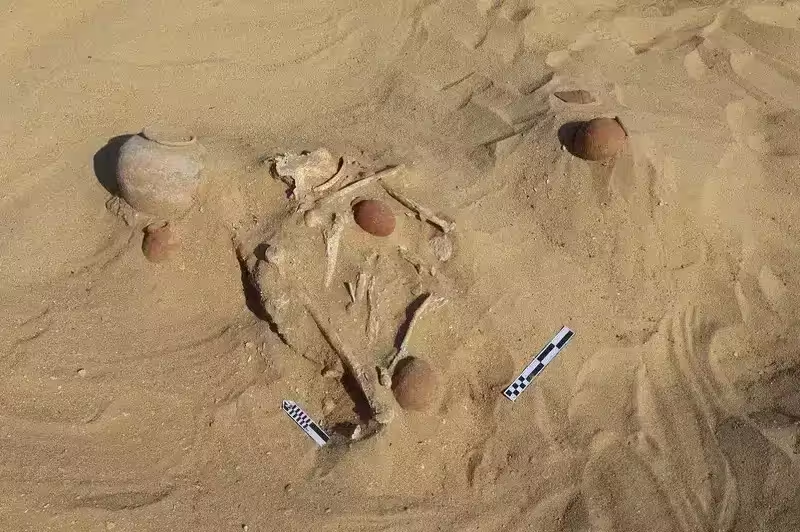
Predynastic Burials Add Cultural Layer
The necropolis also contains a Predynastic cemetery where several individuals were interred in crouched positions wrapped in plant mats, accompanied by black‑topped pottery from the Naqada II and III phases. These graves predate Egypt’s political unification and provide a backdrop for the evolution of funerary customs.
Placing the Predynastic and Early Dynastic tombs side by side highlights a continuous ritual tradition that gradually gave way to more monumental building projects, researchers note. Studying the older burials helps illuminate the social and technological shifts that eventually enabled pyramid construction.
Late Period Graves Demonstrate Ongoing Sacred Use
Later interments from the Late Period, including both single and communal graves some containing wooden coffins, show that the Jabal al‑Tayr landscape remained a focal point for burial activities over many centuries.
These later graves attest to the durability of the site’s sacred status, with successive generations adapting earlier construction ideas while introducing new funerary practices, creating a layered historical record of architectural development.
Broader Implications for Early Egyptian Architecture
Collectively, the finds at Jabal al‑Tayr map a clear trajectory of how burial architecture and engineering concepts spread across early Egyptian societies. The tombs preserve fundamental load‑distribution techniques and reveal a pattern of communal reuse of sacred spaces that persisted through multiple eras.
Excavation work continues at the site, and archaeologists expect additional discoveries that could further revise our picture of how Egypt’s iconic pyramids originated, the Ministry of Tourism and Antiquities said.
This article has been fact checked for accuracy, with information verified against reputable sources. Learn more about us and our editorial process.
Last reviewed on .
Article history
- Latest version
Cite this page:
- Posted by Zara Tariq