New Stone Inscriptions Reveal 15‑Year Roman Tax Fraud and Threat of Execution
Newly decoded Roman inscription exposes a centuries‑long tax fraud, community defiance and an unusually severe imperial punishment.
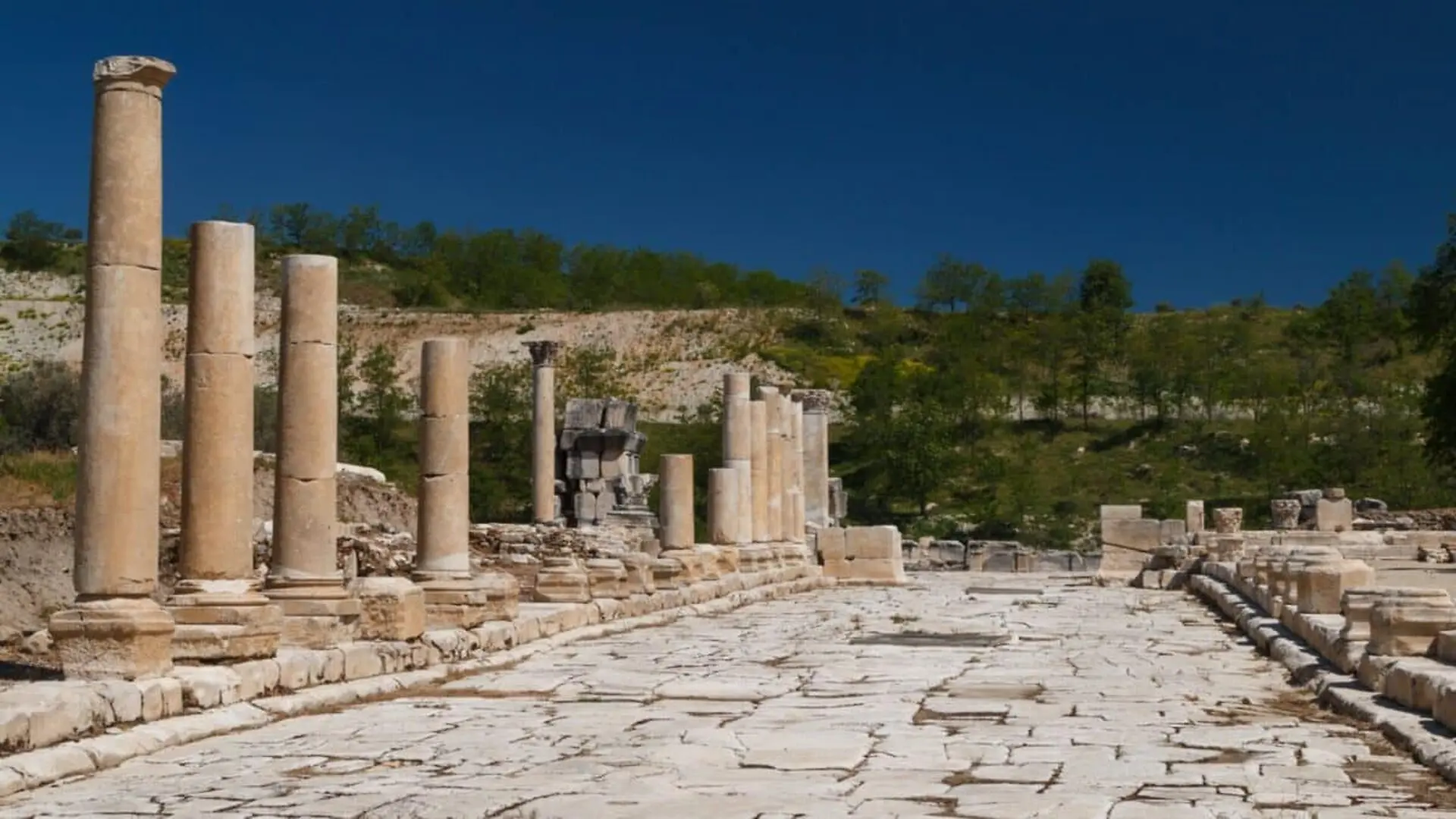
Inscription fragments unearthed in western Turkey have completed a missing portion of a Roman edict dated 480 CE, revealing a tax‑collection scheme that operated for at least fifteen years. The restored text records that officials who manipulated imperial estate taxes faced a death sentence after earlier attempts to curb the misconduct failed.
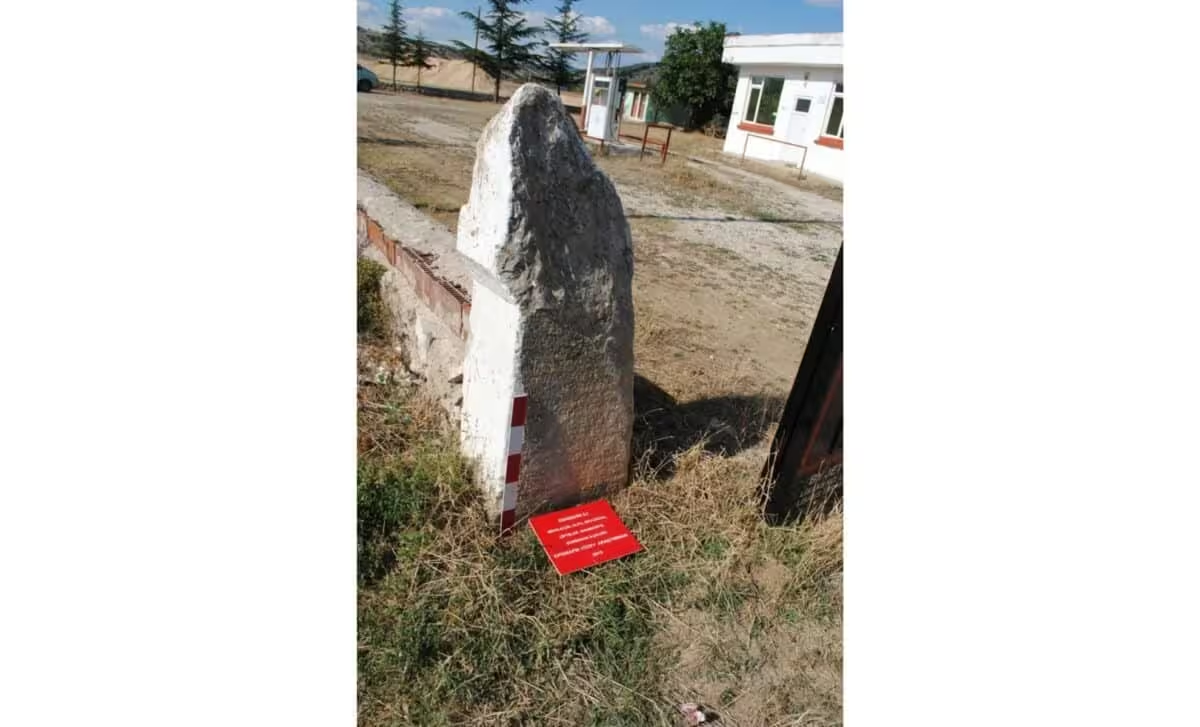
Archaeologists uncovered the pieces in 2024 at Stratonicea, an ancient Carian settlement now located in western Turkey. Initial assessments suggested the shards belonged to a commemorative verse for a local dignitary, but detailed analysis showed they formed part of a legal proclamation already known from copies discovered at Stratonicea, Mylasa and Ceramus.
Researchers from the University of Warsaw and Akdeniz University, led by Dr. Paweł Nowakowski and Professor Mustafa Adak, matched the new fragments with sections of a decree scholars have examined since the eighteenth century. The decree, issued on 1 August 480 by Flavius Illus Puseus Dionysius, praetorian prefect of the East, was formally endorsed by two fellow prefects.
The proclamation targeted tax irregularities on the estates of Placidia, daughter of Emperor Valentinian III. Beyond exposing the fraud, the surviving copies illustrate how imperial orders traveled to provincial communities and how local craftsmen transformed administrative texts into publicly displayed stone inscriptions.
Long‑Running Tax Scam Uncovered in Roman Decree
The scheme hinged on incomplete receipt documentation. Collectors issued vouchers for monetary and in‑kind payments but omitted both the amounts and the applicable tax units. According to Nowakowski, as cited by the University of Warsaw, officials likely reported lower figures to Constantinople while extracting larger sums from local taxpayers, pocketing the difference.
Complaints reached the central administration around 465 CE. A preceding praetorian prefect issued directives to halt the practice, but the orders were ignored, allowing the abuse to continue for another decade and a half.
When Dionysius addressed the issue in 480 CE, his decree prescribed unusually harsh measures for fiscal infractions. A special envoy was dispatched with a three‑month window to rectify the situation; failure to comply threatened confiscation of the envoy’s property. The corrupt officials themselves faced capital punishment.
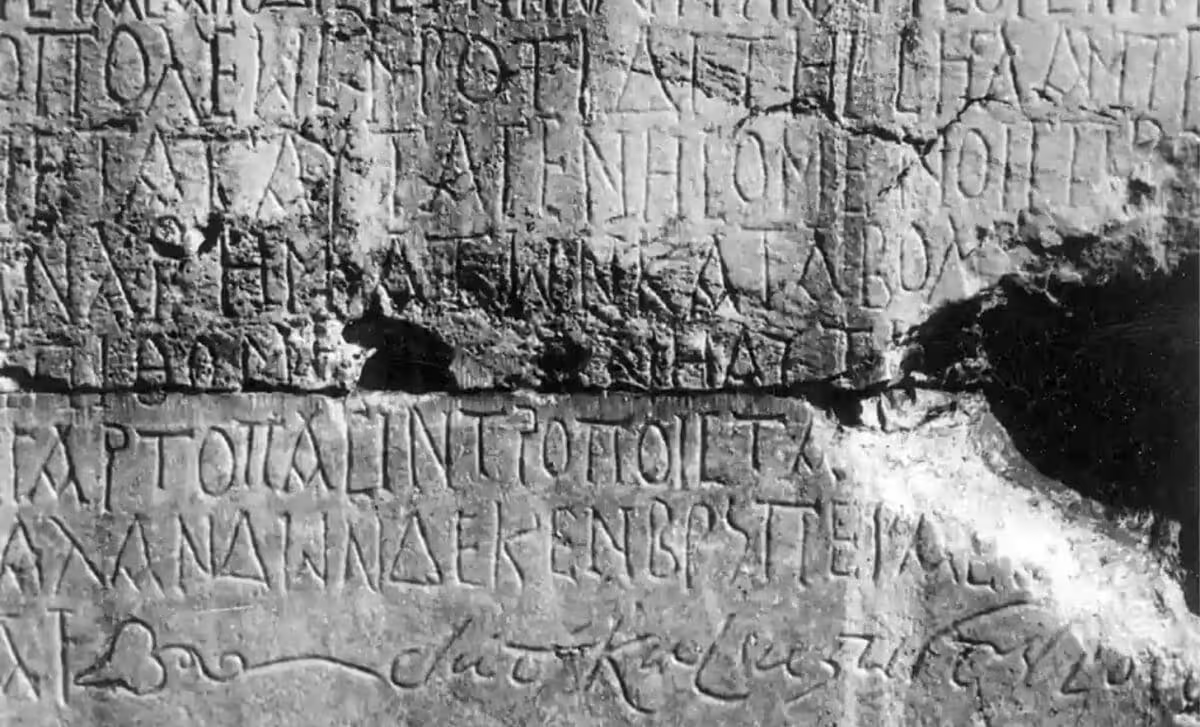
Reporting by La Brújula Verde notes that at least eleven other decrees issued between the fourth and sixth centuries dealt with similar receipt‑recording problems, typically imposing substantial monetary fines. The Carian decree stands out as the sole example that explicitly threatens execution.
Nowakowski suggests that the extreme penalty may have signaled more than a financial violation; persistent refusal to obey imperial commands could be read as open defiance. He also observes that Roman legal texts sometimes employed severe language for rhetorical effect rather than for routine enforcement. The edict additionally warned provincial governors and city defenders that continued neglect would incur a fine of three pounds of gold.
New Fragments Reveal Local Production of Imperial Edicts
Comparisons between the Stratonicea shards and the extant Mylasa version expose variations in wording, syntax, and word order. These discrepancies indicate that local copyists did not always replicate an identical master text.
Scribes working on papyrus or parchment, as well as stone‑cutters responsible for the final inscription, could introduce minor adjustments while preserving the decree’s core meaning. Nowakowski argues that late‑Roman legal documents therefore did not function like modern statutes, where every published copy must match the original verbatim. Local workshops also determined the visual style of the inscriptions, resulting in differing monumental lettering across cities.
One striking detail highlights the artisans’ skill: at the base of the Greek text, the carvers reproduced the prefect’s handwritten Latin signature with enough fidelity to create a carved facsimile. The decree set 1 December 480 as the deadline for resolving the tax dispute. Dionysius likely never saw that date; he was executed later that year after being accused of plotting against Emperor Zeno.
Nevertheless, scholars believe the appointed envoy reached the region and fulfilled the assignment. The existence of multiple copies displayed publicly in several cities demonstrates that the prefect’s decision was effectively disseminated, leaving a lasting record of both the corruption scandal and the administrative mechanisms that sought to suppress it.
This article has been fact checked for accuracy, with information verified against reputable sources. Learn more about us and our editorial process.
Last reviewed on .
Article history
- Latest version
Reference(s)
- “Paweł Nowakowski – Faculty of History.” <https://historia.uw.edu.pl/en/personel/pawel-nowakowski-2/>.
- <https://akdeniz.academia.edu/MustafaAdak/CurriculumVitae>.
- Konieczna, Karina. “Afera podatkowa sprzed 1500 lat. Co nowe fragmenty inskrypcji mówią o korupcji w cesarstwie rzymskim?.”, August 4, 2026 Uwaga nauka <https://serwisnaukowy.uw.edu.pl/afera-podatkowa-sprzed-1500-lat-co-nowe-fragmenty-inskrypcji-mowia-o-korupcji-w-cesarstwie-rzymskim/>.
- Posted by Zara Tariq