Ancient Persian Gold Coin Hoard Unearthed in Turkey May Have Paid Mercenaries
Gold coins unearthed at an ancient Turkish site spark a mystery as researchers investigate their centuries‑old origins.
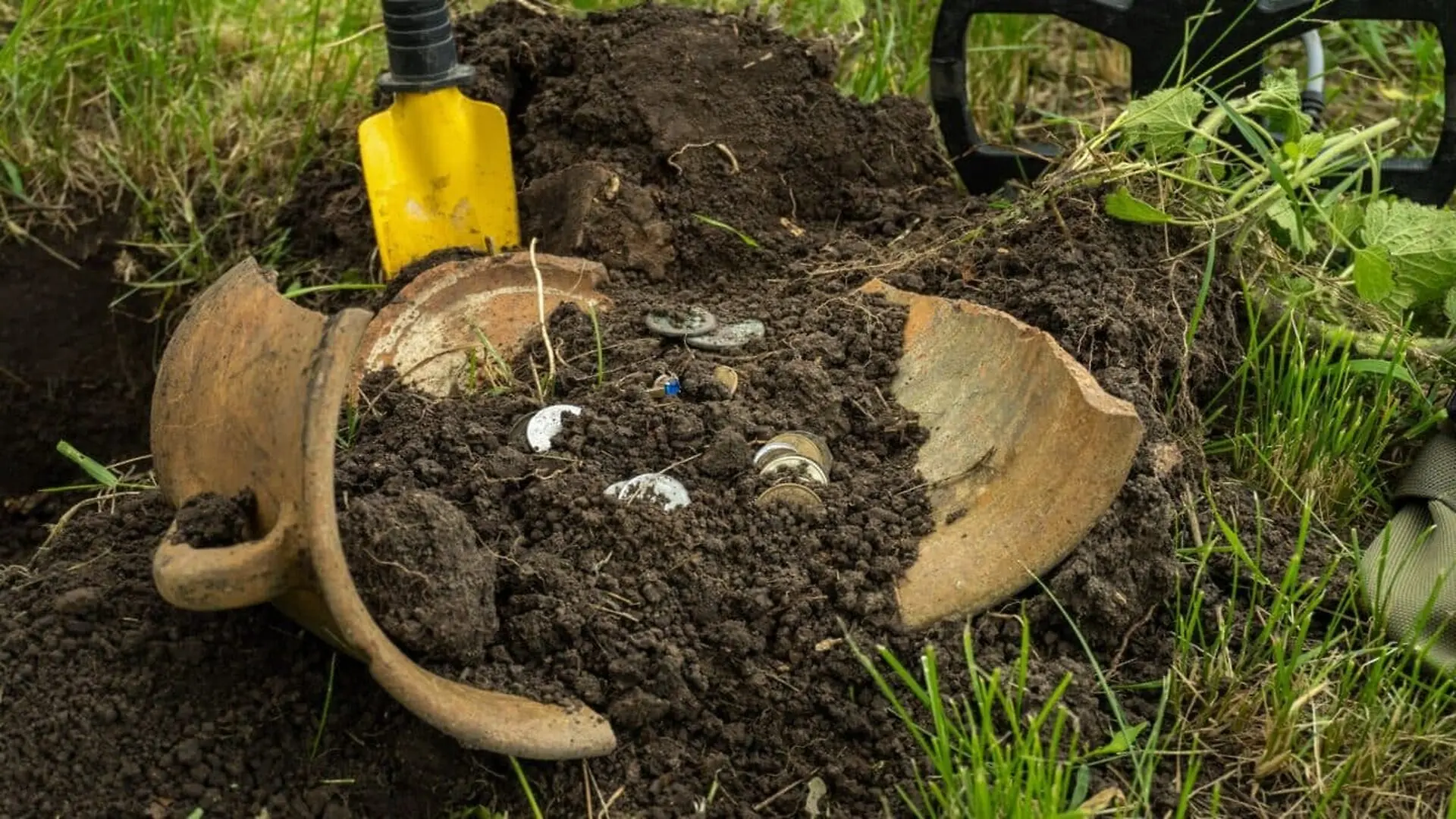
A team of archaeologists has uncovered a concealed cache of Persian gold coins beneath the ancient settlement of Notion, located on Turkey’s western coast. The trove, wrapped in a small ceramic pot and hidden for more than two thousand years, may represent payments made to mercenary forces during the period of conflict between Persian and Athenian armies.
The find emerged in 2023 during fieldwork by scholars from the University of Michigan as part of the Notion Archaeological Survey. Turkish Ministry of Culture and Tourism has now cleared the research for publication, allowing specialists to examine a treasure that has lain undisturbed since antiquity.
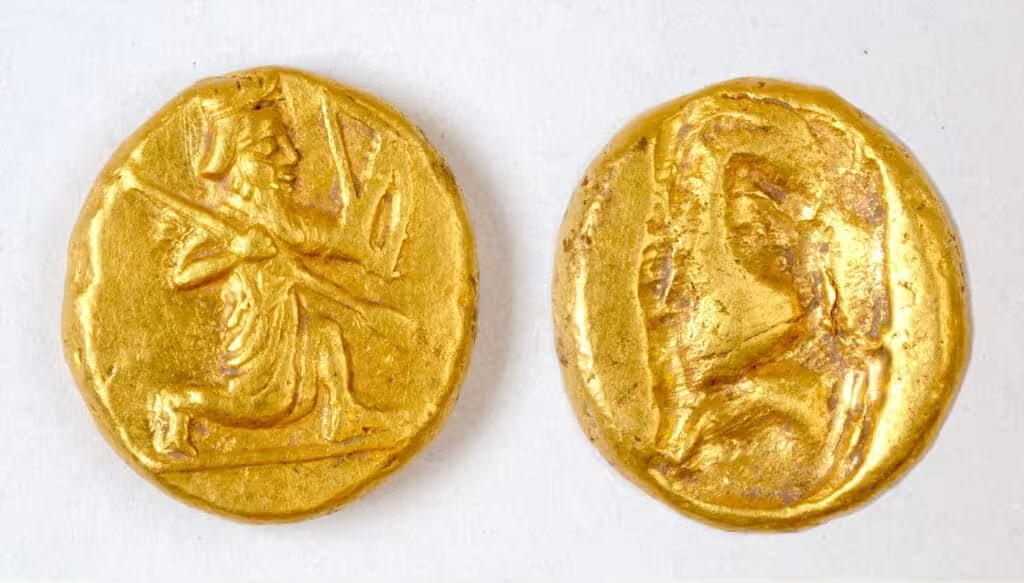
Contained within the hoard are darics, the gold coinage of the Achaemenid Persian Empire, each bearing the iconic kneeling archer. Researchers date the pieces to the fifth century B.C., and suggest they may have been minted in Sardis, an ancient city roughly sixty miles northeast of Notion.
Strategic Crossroads on the Aegean Shore
Notion occupied a pivotal position on the western Anatolian coastline, making it a focal point in the rivalry between Persian and Greek powers. The settlement entered the Persian Empire in the sixth century B.C., later fell under Greek control, and reverted to Persian rule before Alexander the Great’s campaign arrived in 334 B.C. This succession of regimes kept the city near the front lines of regional wars.
The discovery of a buried hoard of precious metal coins is exceptionally rare, because owners typically intend to retrieve such caches. The circumstances surrounding this particular deposit suggest an abrupt interruption of the owner’s plans.
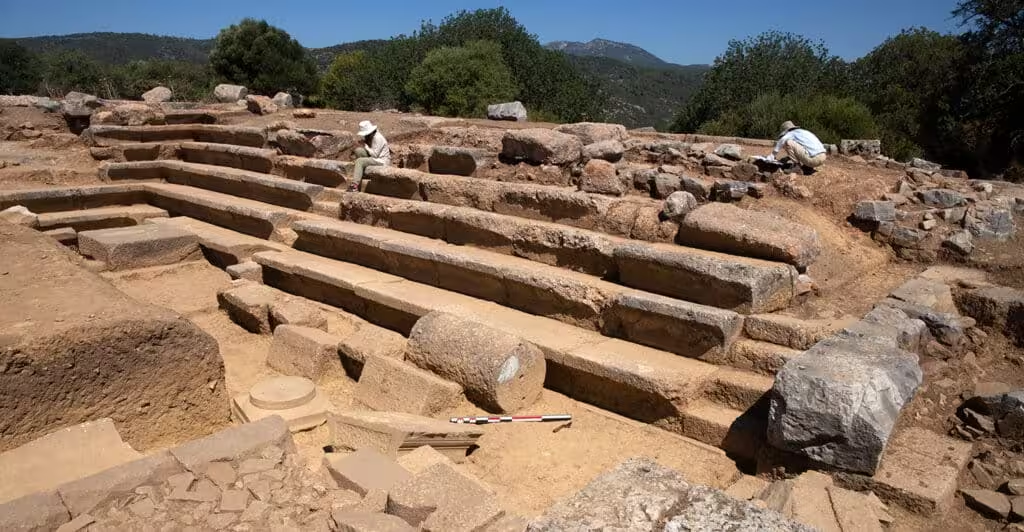
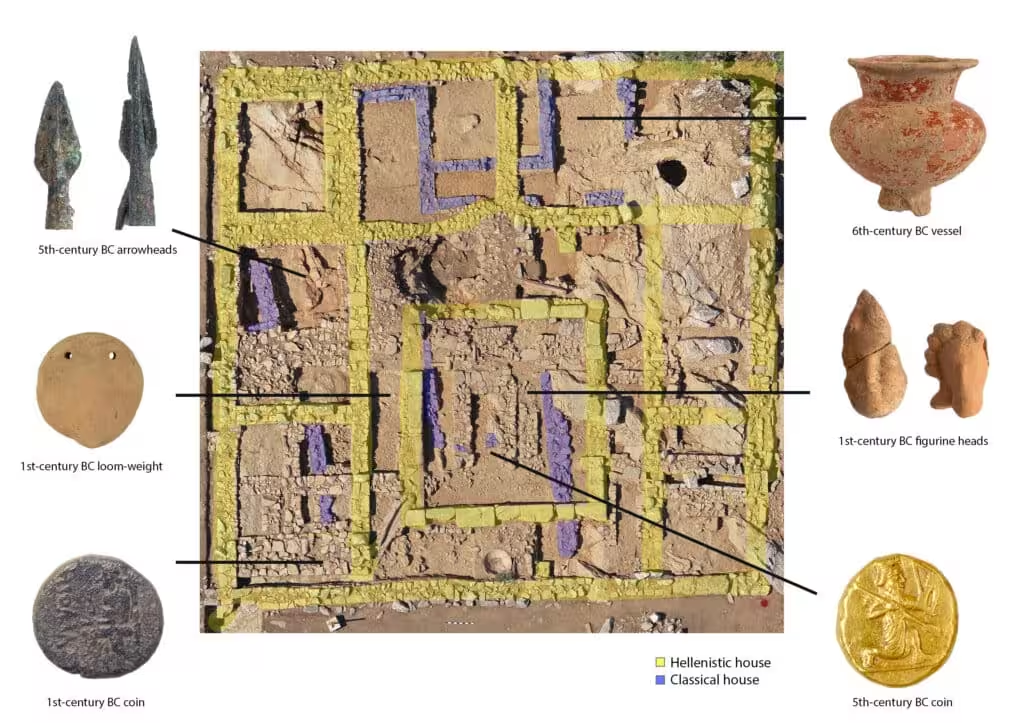
According to Christopher Ratté, professor of ancient Mediterranean art and archaeology at the University of Michigan and director of the Notion Archaeological Survey, the pot was found in the corner of a room beneath a Hellenistic house. “The hoard was found in the corner of a room in a structure buried beneath the Hellenistic house. Presumably, it was stored there for safekeeping and for some reason never recovered,” he said. “No one ever buries a hoard of coins, especially precious metal coins, without intending to retrieve it. So only the gravest misfortune can explain the preservation of such a treasure.”
Gold as Payment for Hired Troops
One plausible scenario links the coins to the remuneration of mercenary soldiers. Historical accounts by Xenophon indicate that a single daric approximated a soldier’s monthly wage, suggesting that a sizable stash could have functioned as a war chest for an upcoming campaign.
Greek historians noted the employment of foreign mercenaries in battles that pitted Athenian and Persian forces against one another near Notion. If a defeat or an abrupt cessation of hostilities occurred, the individual responsible for safeguarding the treasure may never have returned.
Another interpretation suggests the gold could have funded construction or upgrades at Notion’s military harbor, reflecting the city’s role as a key naval base.
New Chronological Benchmark for Persian Coinage
Beyond its immediate historical context, the hoard offers scholars a fresh reference point for dating Persian darics. These coins circulated from the sixth century B.C. until Alexander’s ascendancy around 330 B.C., with only minor design variations over time. Subtle stylistic shifts enable numismatists to pinpoint production periods, and the accompanying archaeological context of this find strengthens those assessments.
“This hoard will provide a firm date that can serve as an anchor to help fix the chronology of the entire sequence of coins,” Ratté explained.
Andrew Meadows, former curator of coins at the British Museum and the American Numismatic Society and now a professor at Oxford University, described the discovery as a major contribution to the study of Achaemenid currency. In a University of Michigan press release, he remarked, “If it can be established accurately by other means, to allow us to fine‑tune the chronology of the Achaemenid gold coinage. This is a spectacular find … of the highest importance.”
This article has been fact checked for accuracy, with information verified against reputable sources. Learn more about us and our editorial process.
Last reviewed on .
Article history
- Latest version
Reference(s)
- <https://lsa.umich.edu/classics/people/departmental-faculty/ratte.html>.
- “Sales & Deals Deals 2025.” Popular Mechanics <https://www.popularmechanics.com/culture/a23753/ancient-shipwreck-coins-on-sale/>.
- “Professor Andrew Meadows.” <https://www.classics.ox.ac.uk/people/professor-andrew-meadows>.
Cite this page:
- Posted by Zara Tariq