Tall 6-Foot Viking Survivor Found in Mass Burial Pit of Violent 9th-Century Execution
A Cambridge dig uncovers Viking-era pit with skulls, severed bodies and a mysterious surgical artifact, shedding new light on violent rituals.
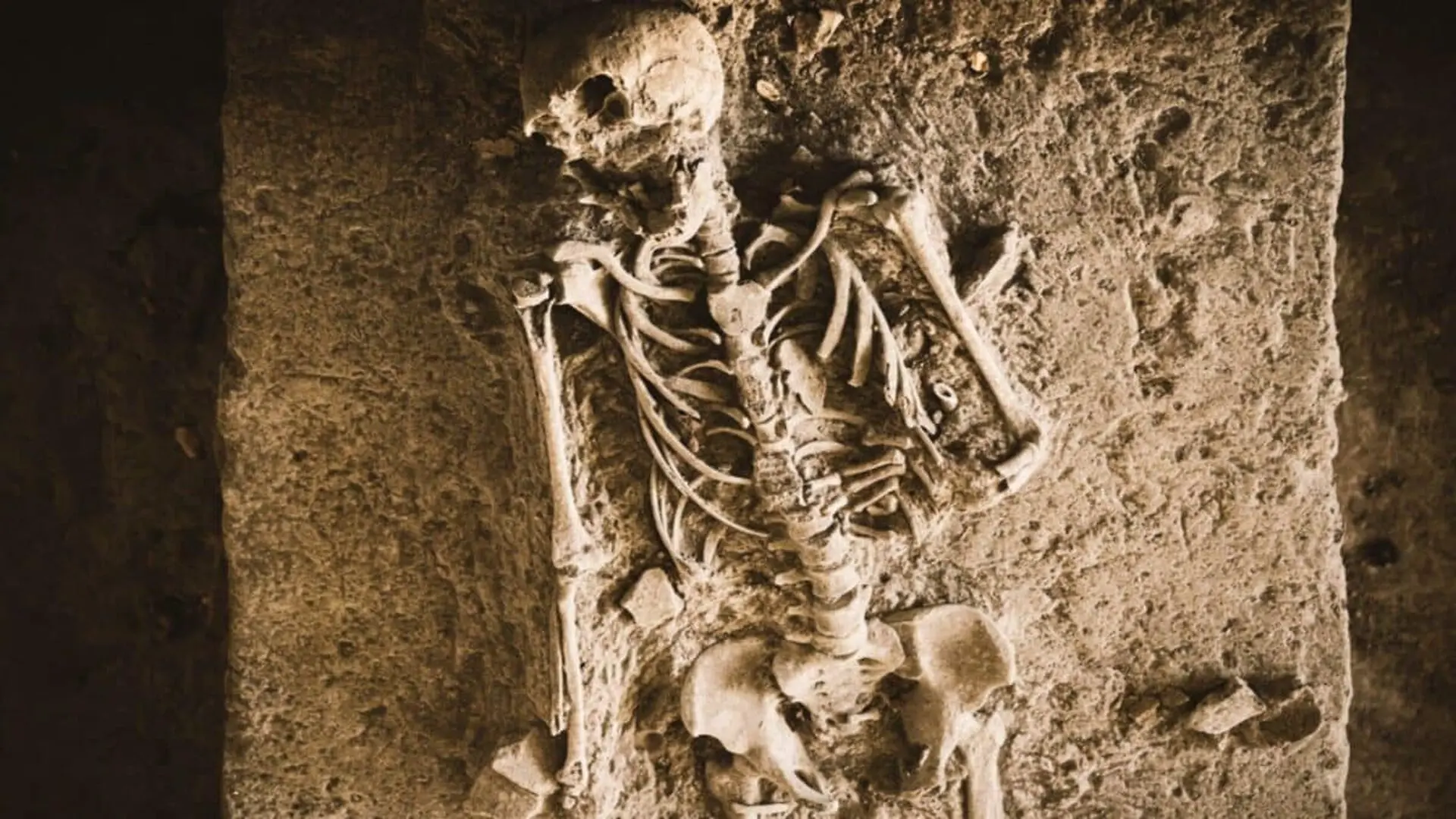
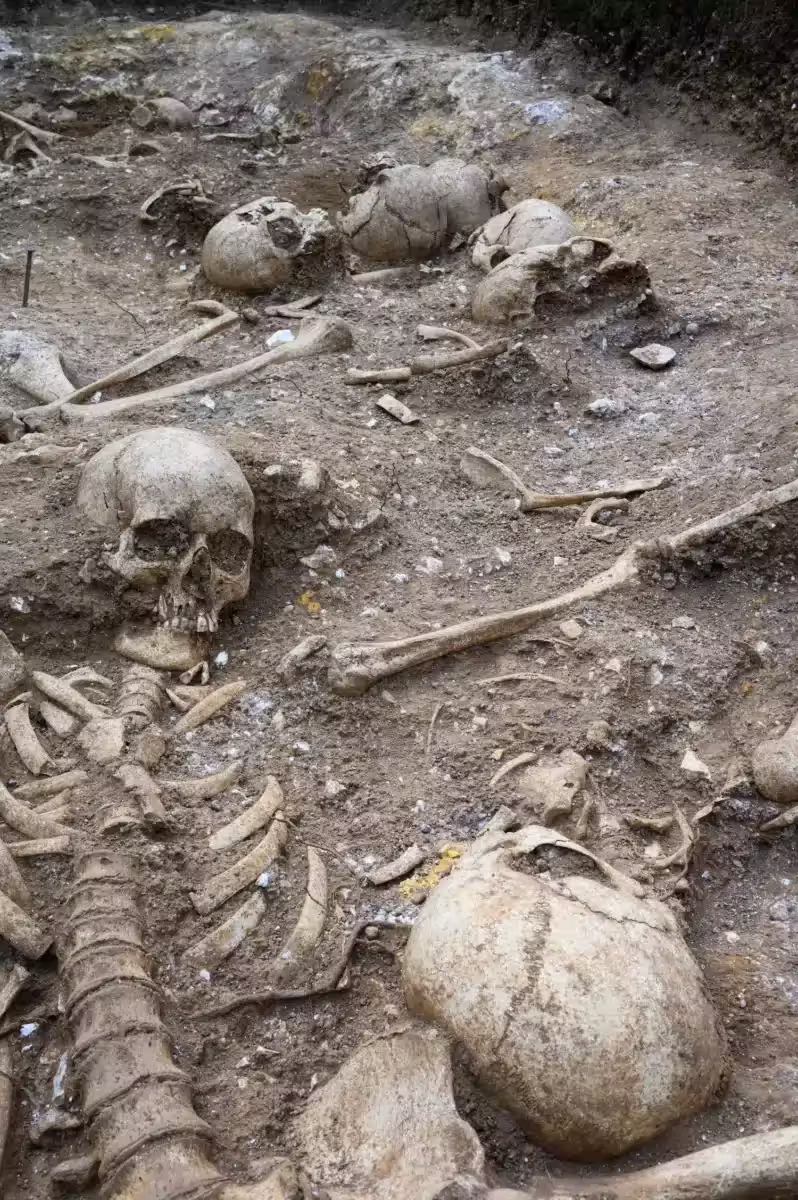
During a 2025 student excavation at Wandlebury Country Park, archaeologists uncovered a disturbing assemblage of human remains that turned a routine training dig into a window on 9th‑century violence. The pit, located roughly three miles south of Cambridge, contained a cluster of skulls, a “stack of legs,” and four intact skeletons, hinting at a chaotic burial episode that involved multiple young men.
The University of Cambridge’s Department of Archaeology has suggested the deposit could be a Viking‑era execution pit, although the evidence does not yet support a single, tidy interpretation. At least ten individuals are represented, all appearing to be relatively young males, and several of the bodies bear marks of violent treatment.
What complicates the picture is the mixture of clues that point in divergent directions. One victim shows clear signs of decapitation, other remains display injuries consistent with combat, several body parts are either isolated or grouped together, and a notably tall young man survived an ancient skull operation before ending up face‑down in the pit.
Rather than a straightforward “Viking grave,” the find appears to be a mass burial from a turbulent period when scholars are still debating whether the dead were Saxons, Norse, executed prisoners, battlefield casualties, or a combination thereof.
Ancient Hillfort Transformed into a Grim Burial Ground
The excavation was overseen by Dr Oscar Aldred of the Cambridge Archaeological Unit. Wandlebury is better known for its Iron Age hillfort earthworks, constructed roughly a millennium before the Viking age, yet the site likely retained social significance into the early medieval era as a recognized gathering place.
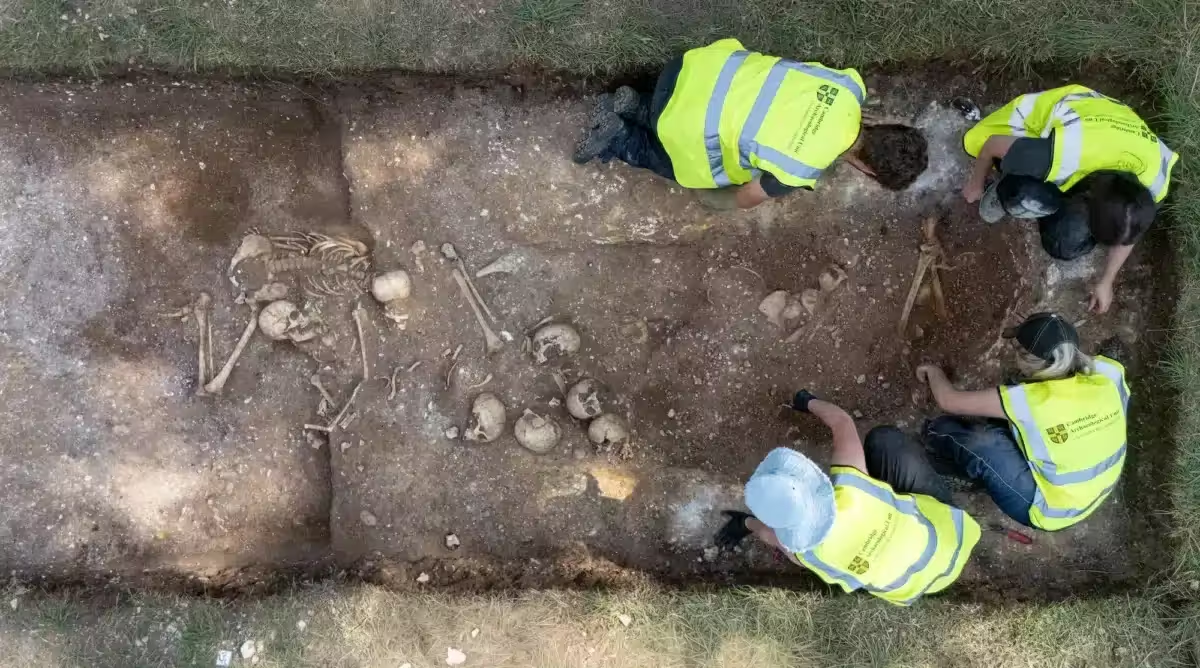
If the hillfort remained a landmark in the medieval landscape, the burial may reflect a deliberate act rather than a hasty disposal. The arrangement of the remains—complete skeletons intermingled with loose skulls, grouped limbs, ribs, and pelvises—suggests a deposition shaped by violence, disturbance, or both.
Before the pit was revealed, a student remarked that the most exciting find had been a 1960s Smarties lid. By the close of the field season, that same training dig had produced what the university described as the most significant and macabre discovery at Wandlebury in years of undergraduate work.
Exceptionally Tall Victim Shows Evidence of Ancient Cranial Surgery
Among the four whole skeletons, one belonged to a young man aged roughly 17 to 24. He was laid face‑down and would have stood about 6 feet 5 inches tall—well above the average male height of about 5 feet 6 inches for the era. Researchers suspect he may have suffered from a rare growth disorder, possibly a pituitary tumor that caused excess growth hormone, based on the proportions of his long bones.
Dr Trish Biers, curator of the Duckworth Collections at Cambridge, cautioned that this diagnosis remains provisional, rooted in skeletal morphology rather than definitive proof.
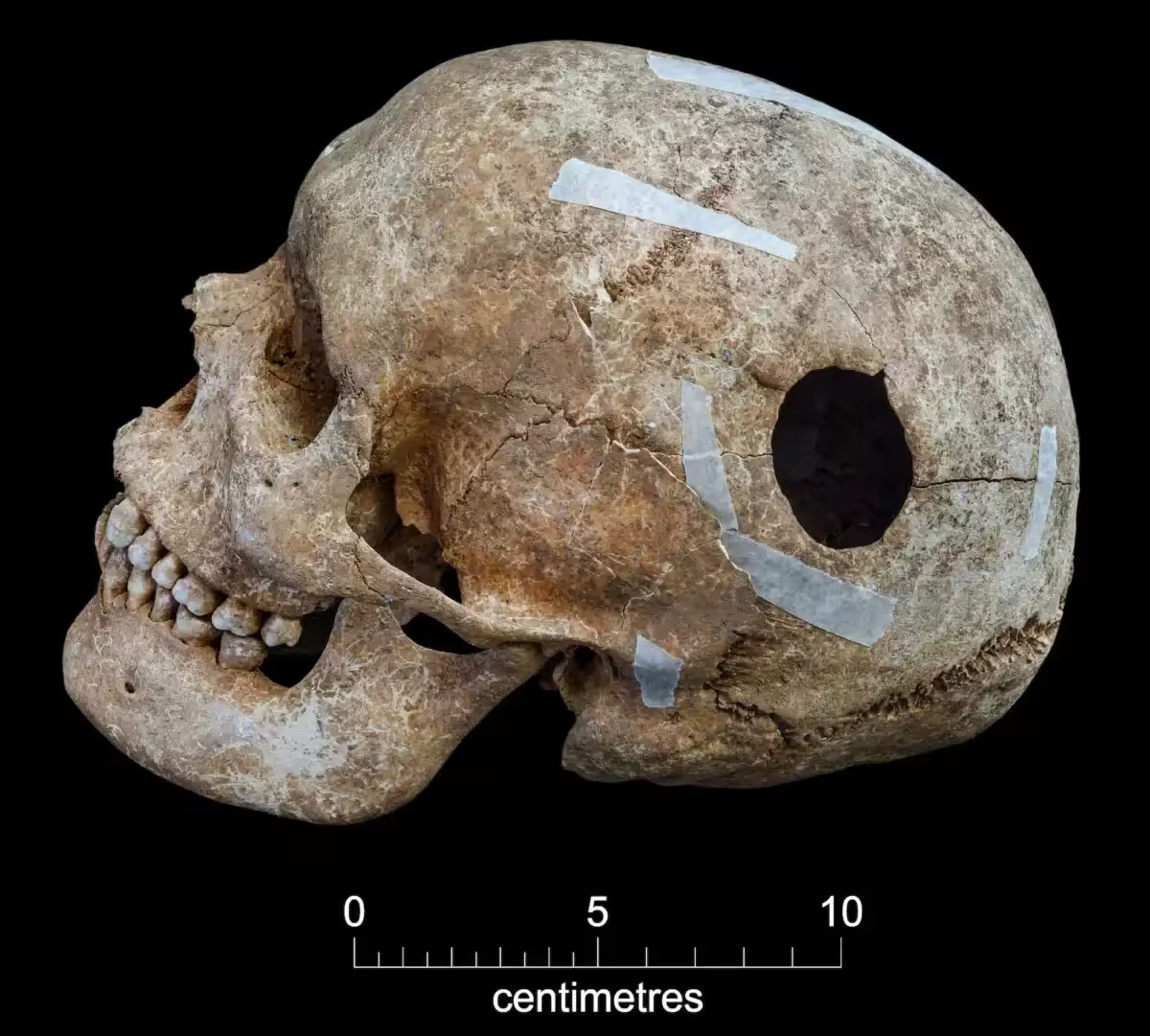
The skull also bears a healed oval opening about 3 cm across on the left rear side, identified as evidence of trepanation—a procedure in which a hole is drilled into a living person’s cranium. The healed edges indicate the individual survived the operation for some time before his eventual death.
Signs of Brutality Abound, Yet Motives Remain Unclear
Certain aspects of the pit are relatively secure: at least ten skulls confirm a minimum number of individuals, one victim was unmistakably beheaded, several bodies display combat‑related trauma, and the positioning of some skeletons suggests they may have been bound.
Interpretation, however, is still contested. Aldred notes that the combination of severed heads, dismembered limbs, ribs, pelvises, and four intact bodies—including at least one possibly bound individual—points to extreme violence, perhaps an execution. He also entertains the idea that some body parts could have been displayed as trophies before being collected and interred together.
Aldred cautions that the evidence for systematic dismemberment is thin. Some of the fragmented remains may simply reflect natural decomposition before burial, meaning the pit could represent a combination of killing, post‑mortem handling, and decay rather than a single, orchestrated act of dismemberment.
Find Lies at the Edge of Saxon‑Viking Conflict Zones
The temporal context matters because Cambridge occupied a frontier zone between the Saxon kingdom of Mercia and the expanding Viking territories. Radiocarbon dating places some bones broadly within the late 9th century, a period when Mercia still controlled the area, but Viking forces began to dominate after a major campaign in 874‑875 AD that saw the Great Army camp near Cambridge and sack the town.
Subsequent to that assault, Cambridgeshire was incorporated into the Viking kingdom of East Anglia and remained under Norse control into the early 10th century as part of the Danelaw arrangement. While this backdrop offers a plausible setting for a violent burial, the lack of grave goods prevents researchers from definitively labeling the interred as Saxon, Viking, or otherwise.
Further analysis, including more precise dating and isotopic studies, is underway to clarify the identities of those buried and the circumstances that led to their collective demise.
This article has been fact checked for accuracy, with information verified against reputable sources. Learn more about us and our editorial process.
Last reviewed on .
Article history
- Latest version
Cite this page:
- Posted by Zara Tariq