400 Gold Coins Unearthed Off Devon Identify 17th-Century Dutch Ship Dom Van Keulen
A glittering clue found off England’s coast finally reveals the long‑mystified shipwreck’s true identity, ending decades of expert debate.
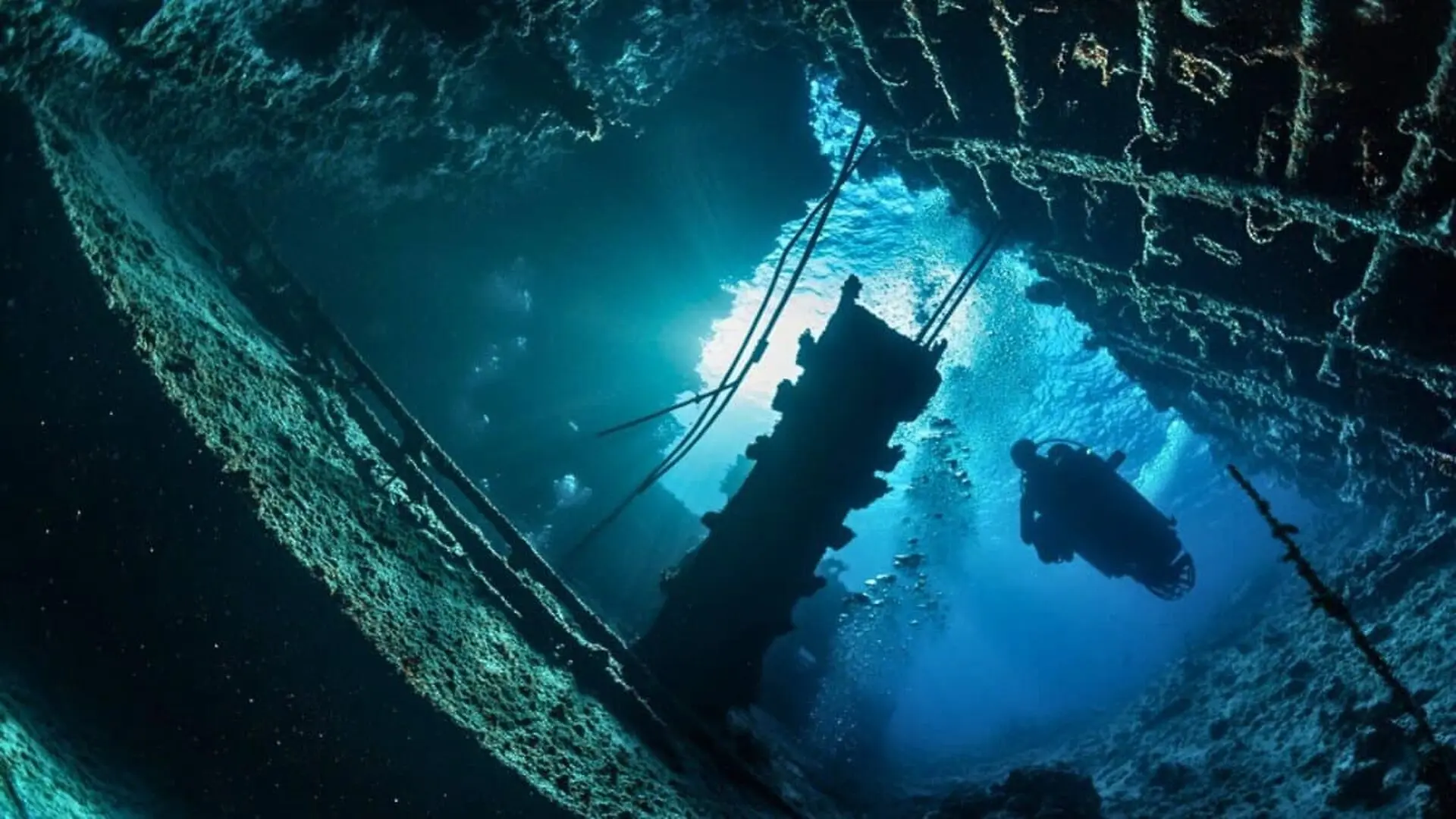
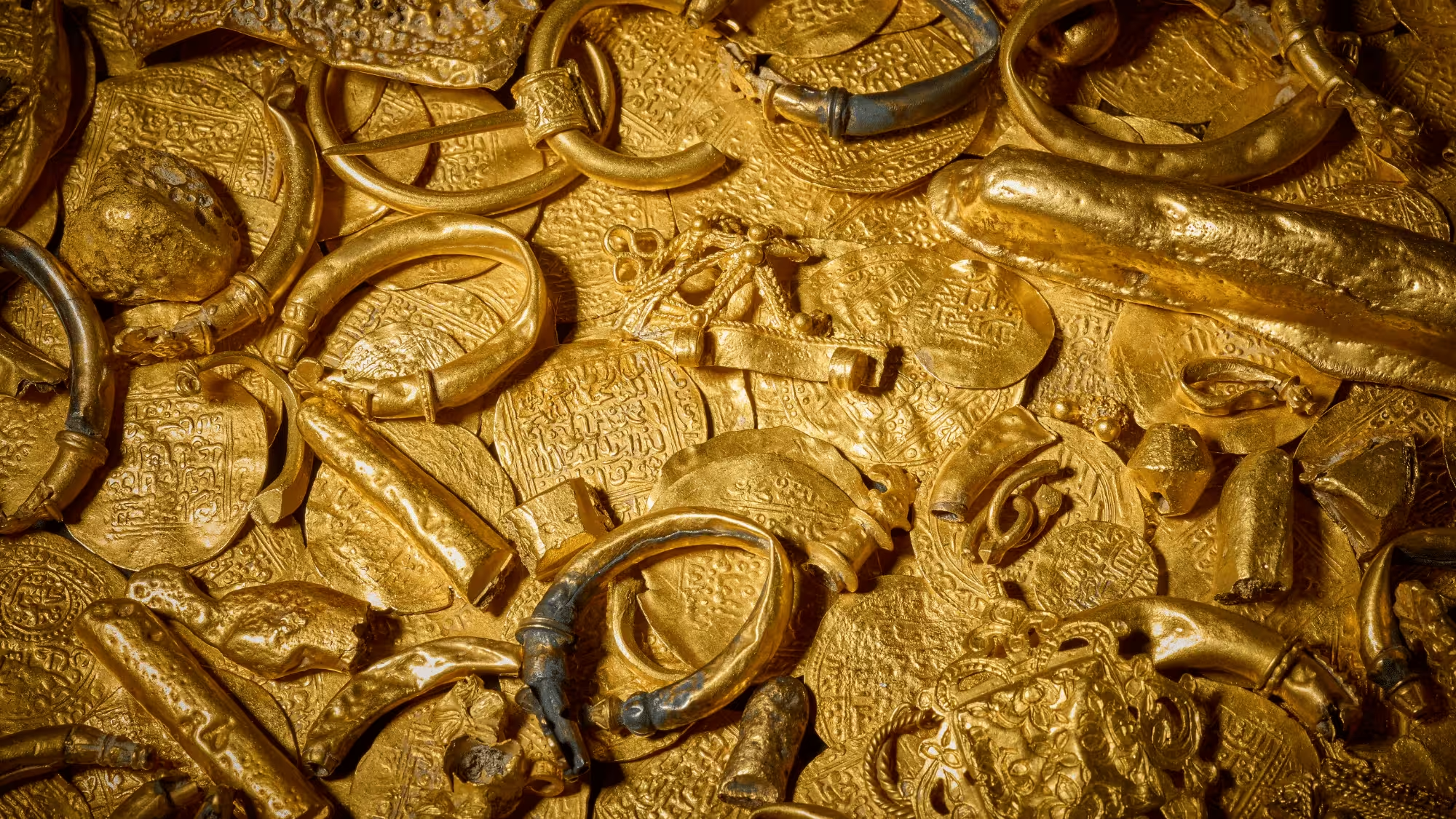
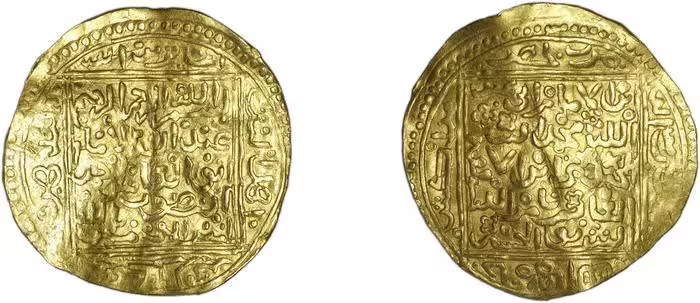
Recoveries of more than 400 gold coins from the seabed near Salcombe, Devon have finally answered a centuries‑old mystery about a shipwreck on England’s south coast. The wreck, first located in 1995, is now confirmed as the Dutch merchant vessel Dom van Keulen, which went down in the autumn of 1633 while en route from Morocco to the Netherlands.
The confirmation appears in the British Museum’s volume The Story of the Dom van Keulen and its Remarkable Cargo. The study weaves together archival documents with the physical remains—coins, anchors, artillery, and assorted small objects—retrieved from the ocean floor.
The cargo links the wreck to the bustling 17th‑century exchange network that connected Morocco, the Netherlands and England. In addition to Moroccan gold, the ship’s hold contained gum arabic, saltpetre and goat skins, commodities that traveled along the maritime arteries linking North Africa with northern Europe.
Coin Evidence Points to the Dom van Keulen
Although the South West Maritime Archaeology Group located the wreck in 1995, its identity remained uncertain for decades. The breakthrough arrived when historian Ian Friel uncovered matching entries in the United Kingdom’s National Archives.
Those records describe a vessel that departed Morocco for the Netherlands, encountered “much tempestuous weather,” developed a leak and ultimately sank off Salcombe. The documents also note that the crew survived, a detail that helped align the archival description with the underwater site now recognised as the Dom van Keulen.
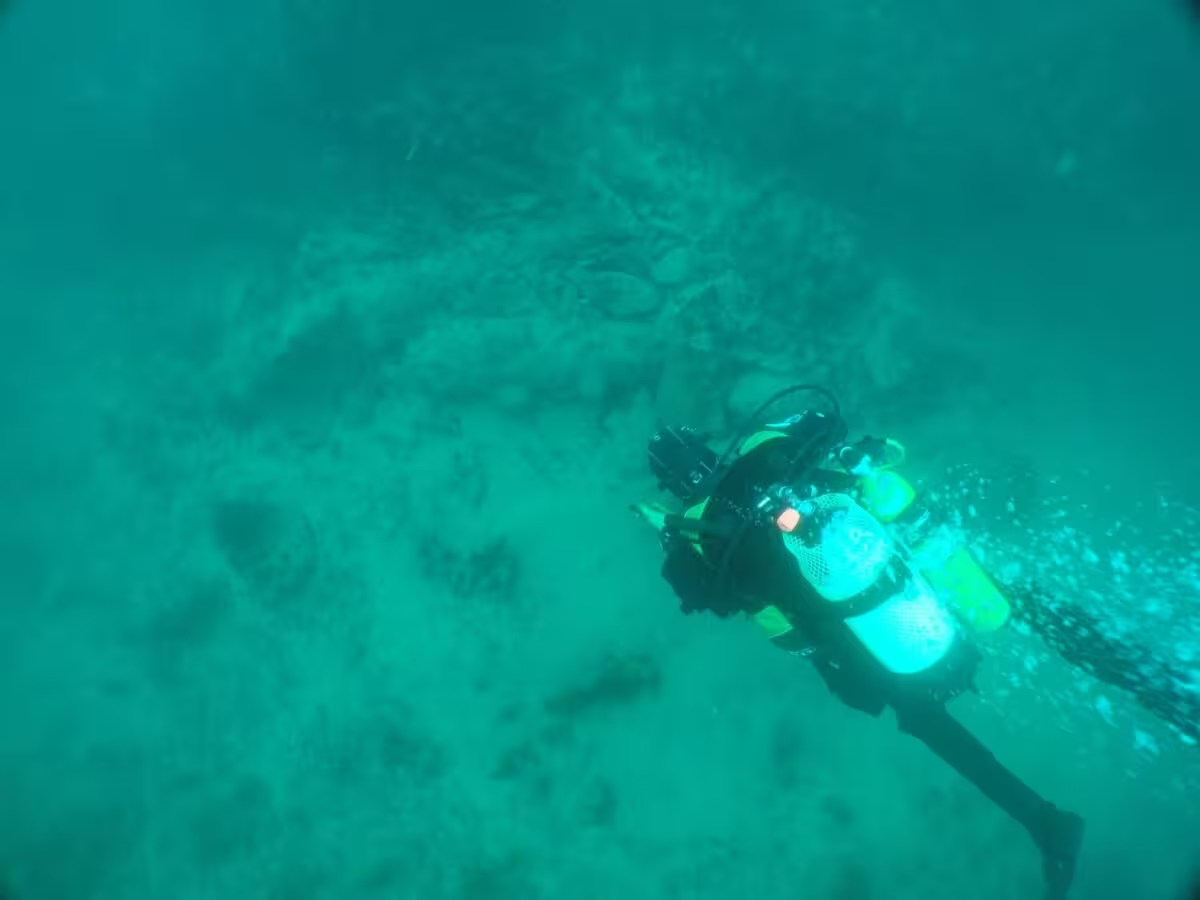
According to EurekAlert, Dave Parham, Professor of Maritime Archaeology at Bournemouth University, reported that the vessel was loaded with 9,000 Barbary ducats and additional Moroccan gold pieces. While much of the treasure was likely recovered shortly after the disaster, a substantial handful remained on the bottom for centuries.
The coins proved indispensable because they carry geographic and commercial markers, not merely monetary worth. Their provenance, volume, and relationship to the other cargo helped scholars pinpoint a specific voyage rather than a generic 17th‑century loss.
A Snapshot of a Wider Trade Web
The gold originates from the historic Barbary Coast—present‑day Morocco—where Dutch traders in the 1500s and 1600s swapped European manufactured goods for West African gold that filtered through North African ports.
Beyond the coins, the Dom van Keulen’s manifest lists 150 bags of gum arabic, 64 sacks of saltpetre and 320 goat skins, each item reflecting distinct market demands across Europe.
The cargo also mirrors the era’s Dutch maritime ascendancy. ThoughtCo’s overview of the Dutch Empire notes how Dutch enterprises forged trading routes that spanned five continents from the 17th century onward.
The vessel was not a treasure hulk but a working merchant ship navigating an established route at a time when Dutch shipping linked European ports with markets across Africa, Asia and the Atlantic world.
Physical Remains Still on the Seabed
The wreck stretches roughly 30 metres and rests at a depth of about 18 metres off the Devon shoreline. Its original dimensions and appearance remain uncertain, and no contemporary illustration of the ship survives.
Divers continue to encounter tangible artefacts—cannons, anchors and assorted cargo fragments—that provide material clues for comparison with documentary evidence.
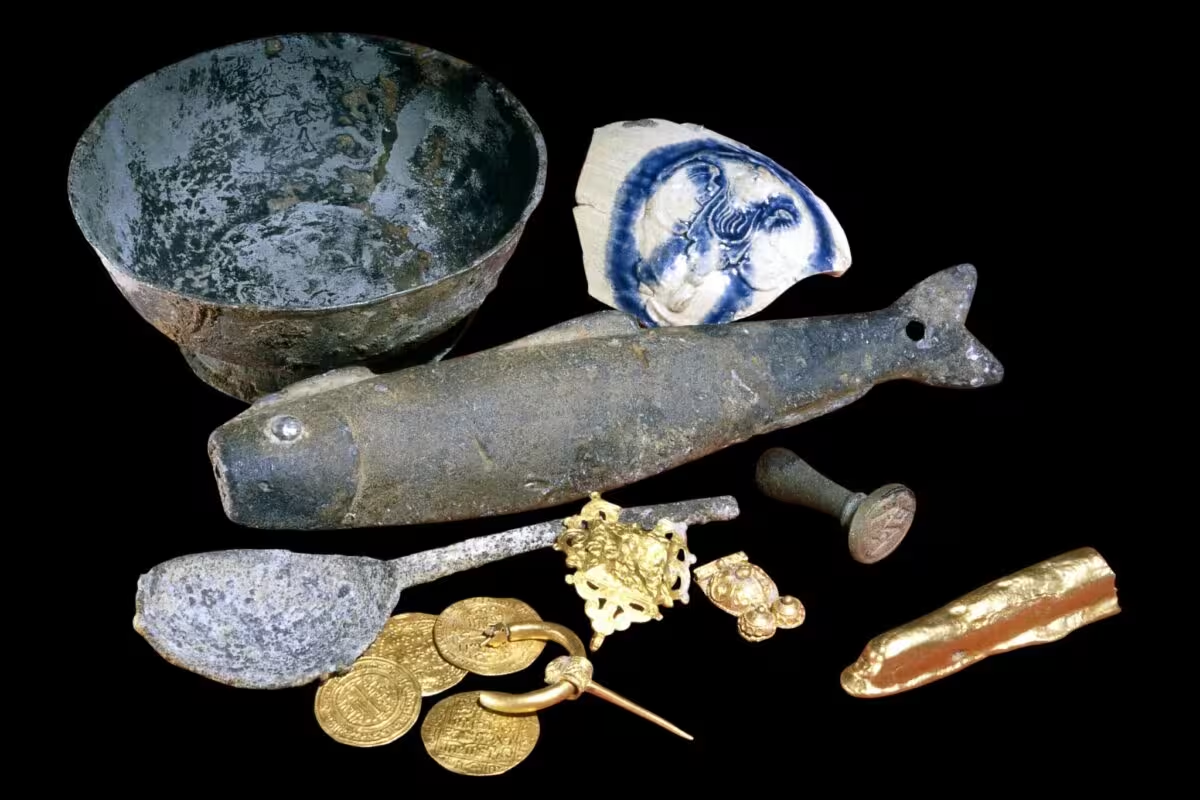
Items now held by the British Museum include a pewter bowl and spoon, pieces of gold jewellery, a fish‑shaped sounding weight, a stamped seal, pottery shards and a gold finger nugget. Together they portray the Dom van Keulen as a functional trading vessel rather than a mere carrier of coinage.
The robustness of the identification rests on the convergence of documentary records and underwater finds. Archival sources name the ship and describe its voyage, while the surviving material culture confirms what remained after sinking, salvage operations and centuries of exposure.
Legal Protection Preserves the Site
The Dom van Keulen wreck is protected under the Protection of Wrecks Act 1973 and overseen by Historic England, which limits diving to authorised personnel and curtails unauthorised removal of artefacts.
Monitoring is carried out by the National Coastwatch Institution at Prawle Point, while Devon and Cornwall Police enforce the site’s security through Operation Birdie, a national programme aimed at safeguarding historic wrecks.
Preserving the context of each find—its precise location, orientation and relationship to other elements—remains essential. Extracting objects without thorough documentation would erase the nuanced information that helps reconstruct the ship’s final journey.
The Dom van Keulen now offers scholars a tangible case study of a Dutch merchant ship transporting North African gold through a vibrant 17th‑century trade network, linking a named vessel, a documented voyage and a protected archaeological resource off the Devon coast.
This article has been fact checked for accuracy, with information verified against reputable sources. Learn more about us and our editorial process.
Last reviewed on .
Article history
- Latest version
Reference(s)
- <https://britishmuseum.iro.bl.uk/concern/books/71a3cec9-80d9-4416-9261-56b9656cbf2b>.
- <https://www.eurekalert.org/news-releases/1132692>.
- “Professor Dave Parham - Bournemouth University Staff Profile Pages.” <https://staffprofiles.bournemouth.ac.uk/display/dparham>.
- <https://www.thoughtco.com/the-dutch-empire-1435238>.
Cite this page:
- Posted by Zara Tariq