Metal Detectorist Unearths 52,500 Roman Coins, Revealing a 1,700‑Year‑Old Ritual Offering
Metal detectorist finds 52,503 Roman coins in a single pot, with a mysterious arrangement suggesting an unexpected purpose.
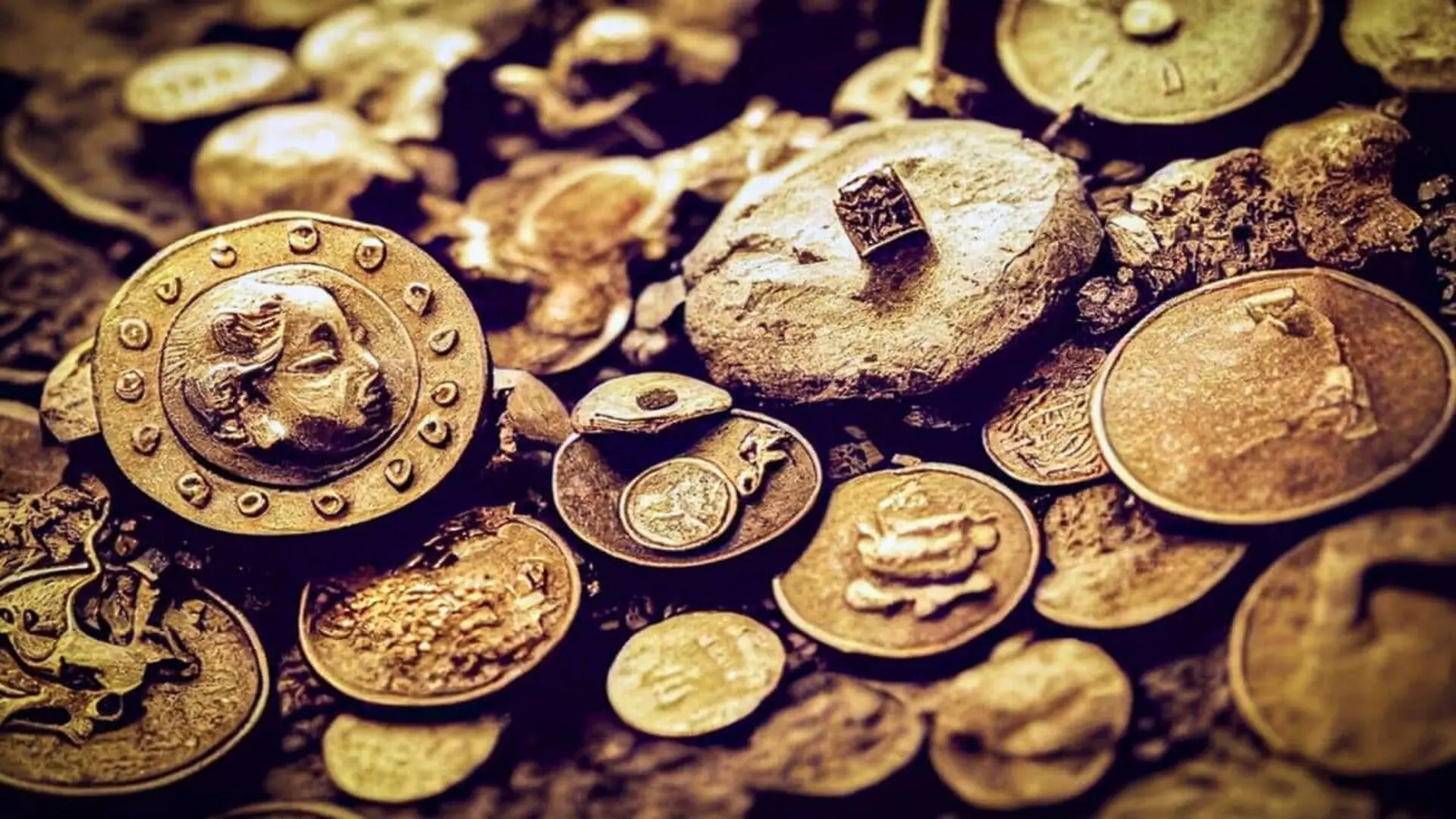
More than fifty‑two thousand Roman coins were recovered from a single ceramic container discovered in a field near Frome, Somerset. Metal‑detector enthusiast Dave Crisp located the hoard in April 2010, creating one of the most extensive Roman coin assemblages ever recorded in the United Kingdom.
The assemblage weighed roughly 160 kg (about 350 lb) despite being housed in a pot only 18 inches in diameter. Most pieces are fashioned from debased silver or bronze. According to Frome Museum, 44,245 specimens have been identified, while the remainder are illegible, representing over 25 different emperors.
Finder Alerts Authorities After Unusual Signal
Crisp’s detector emitted an atypical response roughly a foot beneath the surface. After exposing a small bronze radiate, he ceased digging and notified Somerset County Council archaeologists, who then undertook a careful excavation of the vessel and its contents.
Although the pot was largely intact, a crack ran through its side. Archaeologists opted to extract the coins in successive layers rather than lifting the filled vessel.
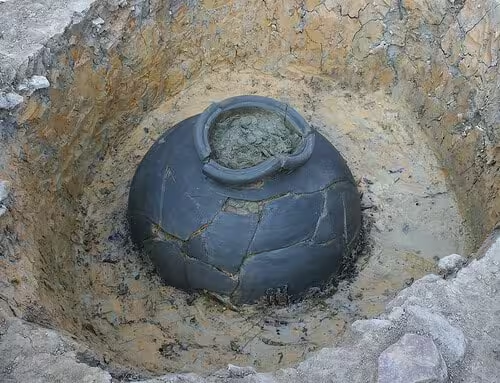
The sheer mass of the coins indicated that the container could not have been transported while full, suggesting the pot was first placed empty in the ground and subsequently filled. A small inverted dish appears to have been set over the opening during burial.
Stratigraphy Supports a Communal Offering Theory
The placement and layering of the coins have led scholars to question whether the hoard was intended for later retrieval.
While no substantial Roman settlement has been identified at Frome itself, nearby villas point to regional activity. The hoard rests on elevated terrain that can become marshy after rain, possibly adjacent to a spring.
Coins dating to the latest phase of the deposit appear midway down the vessel rather than near the surface. This pattern suggests that the metal pieces were poured from multiple smaller containers, perhaps as a collective ritual deposit.
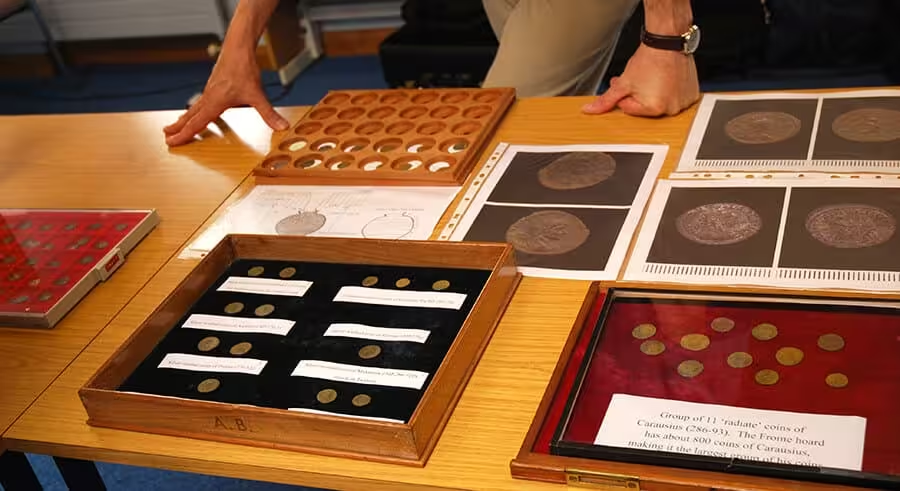
Sam Moorhead of the Portable Antiquities Scheme told the BBC, “I find it hard to believe this was a hoard meant to be recovered.” He proposed that local participants may have each contributed pieces as a devotional offering.
Carausius Issue Dominates the Collection
Among the assemblage are pieces minted by the central Roman state as well as those from the breakaway Gallic and Britannic empires. Popular Mechanics notes that more than 28,000 coins originate from the Gallic Empire, featuring a substantial series bearing the portrait of Tetricus I.
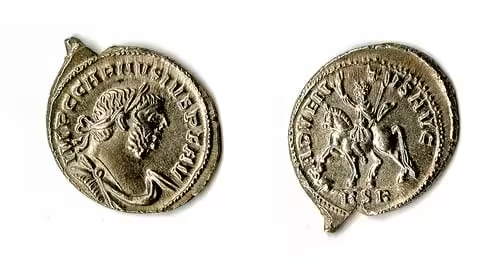
A notable 766 specimens were struck under Carausius, the commander who declared independent rule over Britain from 286 to 293 AD. This assemblage represents the largest single find of Carausian coinage, and five of the pieces are silver denarii.
Central imperial issues include more than 6,000 coins from the sole reign of Gallienus, together with 404 pieces portraying his consort, Salonina. Other family members appear far less frequently; for example, two coins bear the image of Magnia Urbica, wife of Carinus.
Valuation, Legal Status, and Museum Display
When assessed in antiquity, the metal content would have equated to roughly four years’ wages for a Roman legionary. Declared as treasure, the hoard was purchased for £320,250 by the Museum of Somerset in Taunton, where it now forms part of the permanent collection.
A public poll in 2017 named the Frome Hoard the nation’s favorite treasure find. Although the original assemblage remains in secure storage, the museum has mounted a temporary exhibition titled “The Story of the Frome Hoard,” featuring a replica urn, selected coins, and interpretive material.
This article has been fact checked for accuracy, with information verified against reputable sources. Learn more about us and our editorial process.
Last reviewed on .
Article history
- Latest version
Reference(s)
- “Frome Hoard | Frome Museum.”, October 5, 2021 Frome Museum <https://frome-museum.org/frome-hoard>.
- <https://www.britannica.com/biography/Marcus-Aurelius-Mausaeus-Carausius>.
Cite this page:
- Posted by Zara Tariq