New Study Shows Tiny Mineral Cracks May Hold Transient Liquid Water on Modern Mars
Scientists uncover a hidden mineral trait on Mars that may rewrite the planet’s water history, challenging its reputation as a frozen desert.
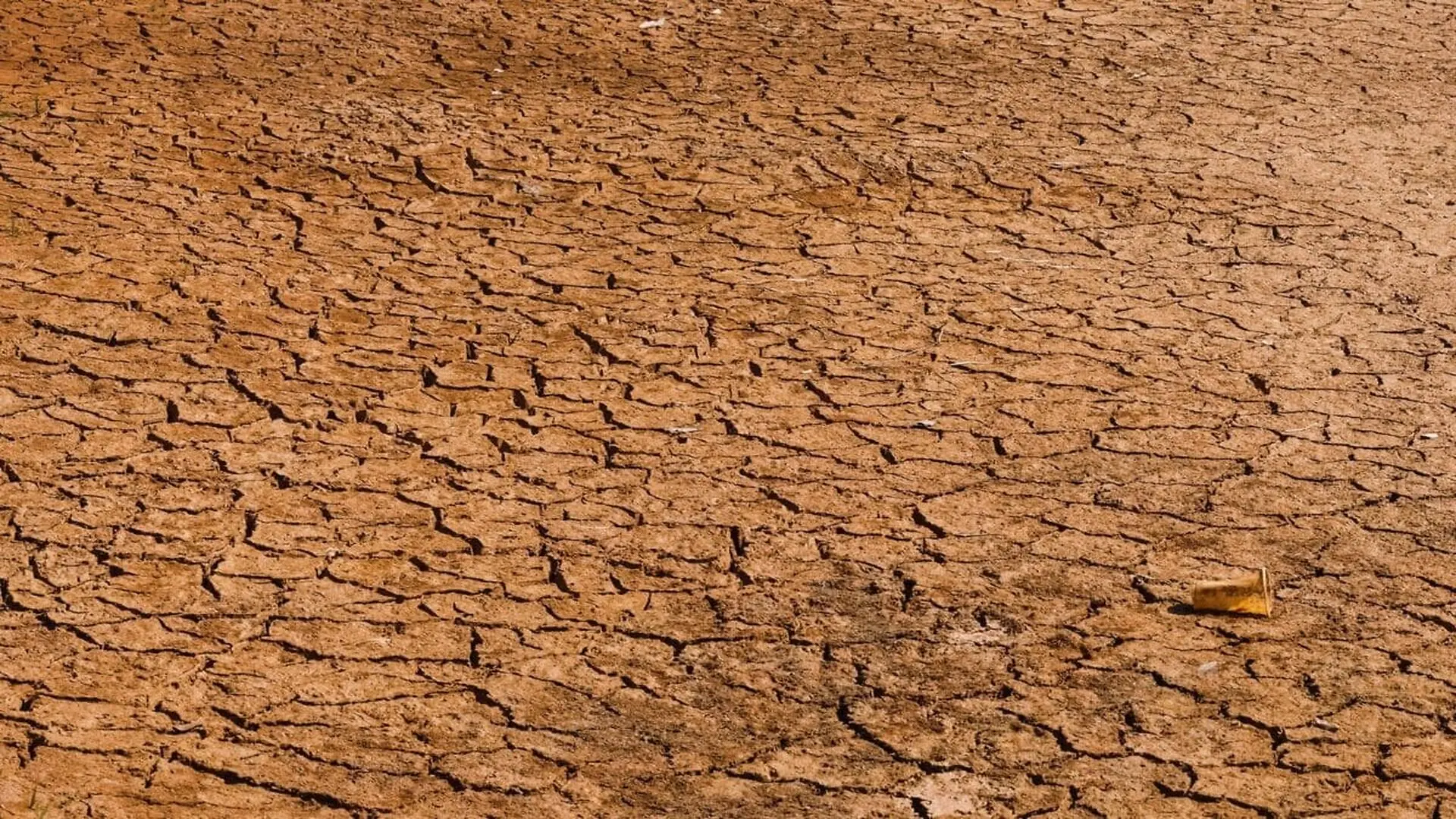
Recent modeling suggests that microscopic fissures within Martian minerals could serve as fleeting reservoirs for liquid water. By drawing in vapor through hygroscopic salts, these tiny voids might sustain short-lived wet micro‑environments on the planet’s surface.
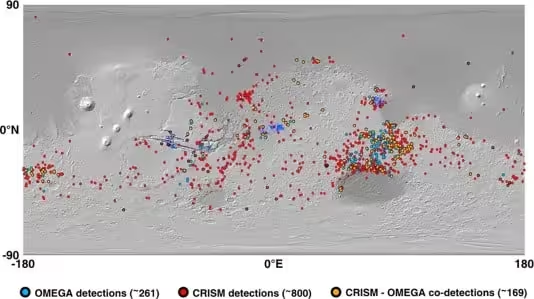
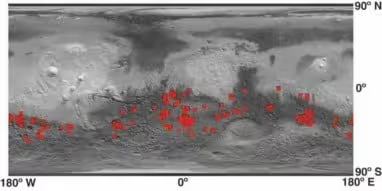
Detecting present‑day liquid water on Mars remains a central challenge for planetary scientists. Although the planet is now extremely arid, orbital surveys have identified widespread hydrated minerals, indicating that water has interacted with the rocky crust.
In a paper published in Science Direct, researchers explore a mechanism that could allow trace amounts of liquid water to persist today. Rather than focusing on ancient riverbeds or lakebeds, the study examines nanoscopic spaces inside minerals where water might be temporarily shielded.
The concept hinges on the ability of certain hygroscopic salts to pull water vapor from Mars’ thin atmosphere. While any exposed liquid would evaporate rapidly under current conditions, cracks within mineral grains could alter that fate.
Hygroscopic Minerals May Harvest Atmospheric Water on Mars
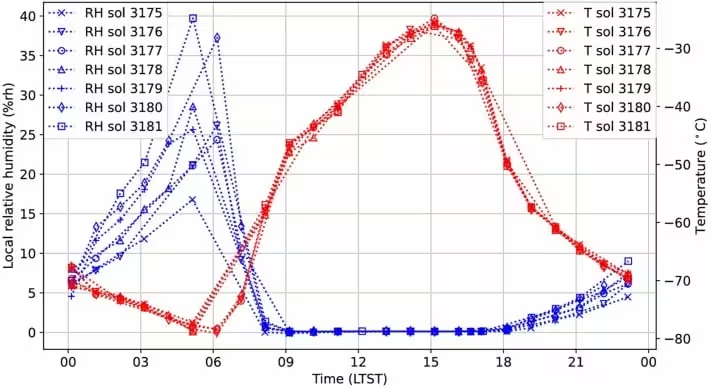
Some surface salts are capable of absorbing atmospheric moisture and forming a thin liquid layer when relative humidity spikes. The researchers highlight calcium perchlorate as a candidate that can generate a microscale film on mineral surfaces.
The team notes that dawn and dusk periods are especially conducive to moisture capture because humidity can rise sufficiently for these liquid films to develop. Rather than forming open pools, the water would cling as ultra‑thin layers on mineral surfaces, potentially migrating into the minute cracks of salt crystals, as described in the original study.
“the crystals could potentially provide transient liquid water to a hypothetical bacterium through an internal crack even during daytime dryness, making these locations a possible candidate environment for photosynthetic organisms on Mars today,” wrote the authors.
These would not be vast subterranean aquifers but rather localized pockets where brine can briefly accumulate around mineral grains. The possibility that such micro‑habitats might support microbial life is now under investigation.
Thermal Cycling Drives Crack Dynamics in Martian Rocks
Mars experiences pronounced diurnal temperature swings, causing minerals to expand in the heat of day and contract during the cold night. This cyclical stress can open and close existing fissures, creating opportunities for condensed water to infiltrate during nighttime and become trapped as the rock expands again.
Previous numerical models have demonstrated that thermal stresses under Martian conditions are sufficient to generate and sustain micro‑cracks. The exact response of these fractures depends on factors such as mineral anisotropy, pre‑existing flaws, and local environmental parameters.
Even when a crack appears sealed, some vapor exchange can continue, meaning the ability of these structures to retain water over extended periods is contingent on the mineral’s response to its environment.
Rethinking Contemporary Water Habitats on the Red Planet
The new model invites a shift in how scientists search for liquid water on present‑day Mars. Rather than concentrating solely on large, ancient deposits, investigators can now target nanoscale mineral formations where transient moisture might still be present.
Researchers describe these sites as tiny water traps generated by the interplay of salts, ambient humidity, and temperature fluctuations. Understanding whether such mechanisms can maintain liquid water during the warmer portions of the Martian day could inform future astrobiological missions.
The authors emphasize that their work constitutes a conceptual feasibility analysis rather than direct evidence of extant life. It outlines a plausible pathway for transient brine retention within hygroscopic salt crystals under current Martian conditions.
“The present study should be regarded primarily as a conceptual feasibility analysis and hypothesis for transient near-surface brine retention within hygroscopic salt crystals under present-day Martian conditions,” said the authors.
This article has been fact checked for accuracy, with information verified against reputable sources. Learn more about us and our editorial process.
Last reviewed on .
Article history
- Latest version
Reference(s)
- Bognar, Anna., et al. “Current water trapping micro-habitats on the surface of Mars.” Icarus, July 1, 2026, pp. 117273 Elsevier BV, doi: 10.1016/j.icarus.2026.117273. <https://www.sciencedirect.com/science/article/pii/S0019103526003398?via%3Dihub>.
Cite this page:
- Posted by Zara Tariq