The Secret U.S. Operation That Turned Rain Into a Weapon During the Vietnam War
A secret U.S. program weaponized weather, seeding clouds over enemy supply routes, but uncontrolled consequences unfolded, revealed after decades.
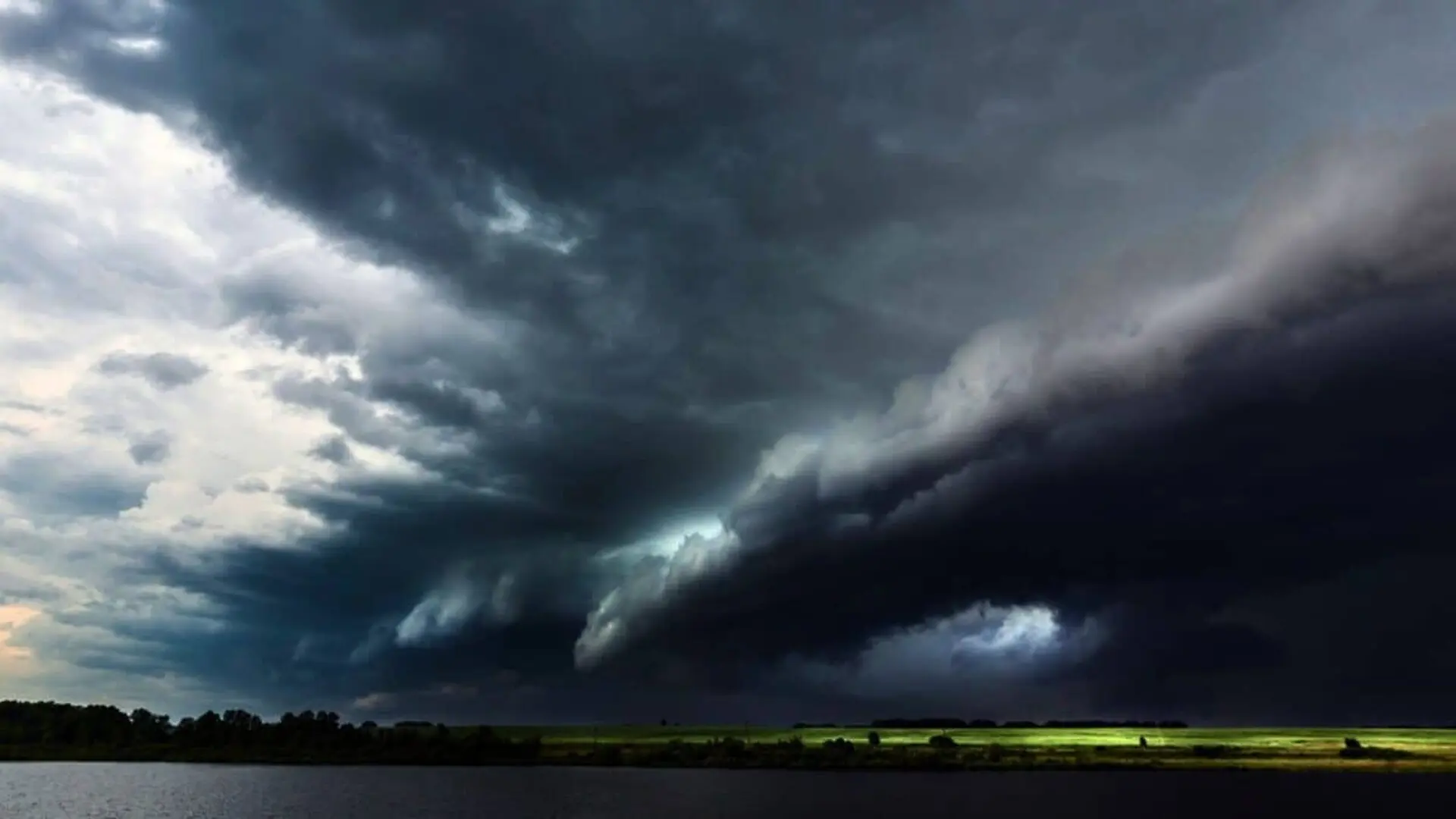
During a covert U.S. military trial in early 1967, a cloud that had been seeded with a chemical agent drifted eastward across the Vietnamese frontier and unleashed nine inches of rain in just four hours on an American Special Forces outpost. The deluge was not part of the original plan, and officials admitted they could not forecast either the volume of precipitation or the distance the cloud would travel after seeding.
Cloud‑Seeding Trials Prompted a Classified Memo
A January 1967 State Department memorandum labeled the early cloud‑seeding experiments “too successful.” The record notes that more than fifty clouds were treated over the Lao Panhandle, with the Defense Department reporting that 82 percent produced rain shortly afterward. The same document warned that neither the total rainfall amount nor the precise geographic impact could be accurately predicted.
Turning Rain into a Strategic Asset
These experiments formed the core of Operation Popeye, a program designed to augment rainfall over key transportation corridors in North Vietnam and southern Laos. By dispersing silver iodide from aircraft into existing clouds, U.S. planners hoped to soften unpaved roads, swell streams, and undermine bridges, thereby hampering the flow of troops and supplies.
Focusing on the Ground Beneath Vehicles
The operation did not aim to strike vehicles directly. Instead, it targeted the terrain that supported them—narrow mountain passes, low‑lying roadways, and countless stream fords lacking bridges. In the dry season, trucks could navigate shallow water and firm surfaces with ease; sustained rain would convert those routes into mud‑laden obstacles and raise water levels until crossings became impractical.
The 1967 memorandum plainly stated the goal: generate enough rain to “interdict or at least interfere with truck traffic” between the North and South. Planners recognized that rain would not completely block movement; foot traffic, rerouting, and rapid repairs remained possible. Nonetheless, the strategy sought to impose a heavier logistical cost on North Vietnamese forces.
When roads became impassable, remaining viable passages—bridges, fords, or narrow gaps—would funnel traffic into predictable choke points already known to U.S. forces. In this way, artificial precipitation complemented aerial bombing by slowing convoys and concentrating them at vulnerable locations.
Unintended Drift and Wider Environmental Impact
October 1966 field tests conducted east of the Bolovens Plateau in the Se Kong River valley yielded impressive rainfalls, yet they were carried out during the monsoon season. Officials could not confirm whether similar results could be reproduced under dry‑season conditions. The incident that drenched the Special Forces camp highlighted a fundamental limitation: once a cloud is seeded, its rain cannot be halted, even if the aircraft aborts the mission.
Military analysts estimated that maintaining saturated ground might require up to six additional inches of rain each month. Such moisture would inevitably feed tributaries flowing toward the Mekong River, potentially altering stream levels, flooding nearby farms, and disrupting civilian agricultural cycles.
To monitor these side effects, planners requested weekly summaries, special incident reports, and observations beyond the primary target zones. They also advised suspending operations if unintended consequences escalated. A single seeded cloud was projected to affect an area as large as 50 by 100 miles.
Silver Iodide as a Nucleation Agent
Cloud seeding relies on the presence of a pre‑existing cloud that contains sufficient moisture, appropriate temperatures, and favorable air movement. The process does not create storms from clear skies; it merely influences the microphysics of an existing cloud. Silver iodide, a common seeding material, provides a crystalline surface that encourages supercooled water droplets to organize into ice particles.
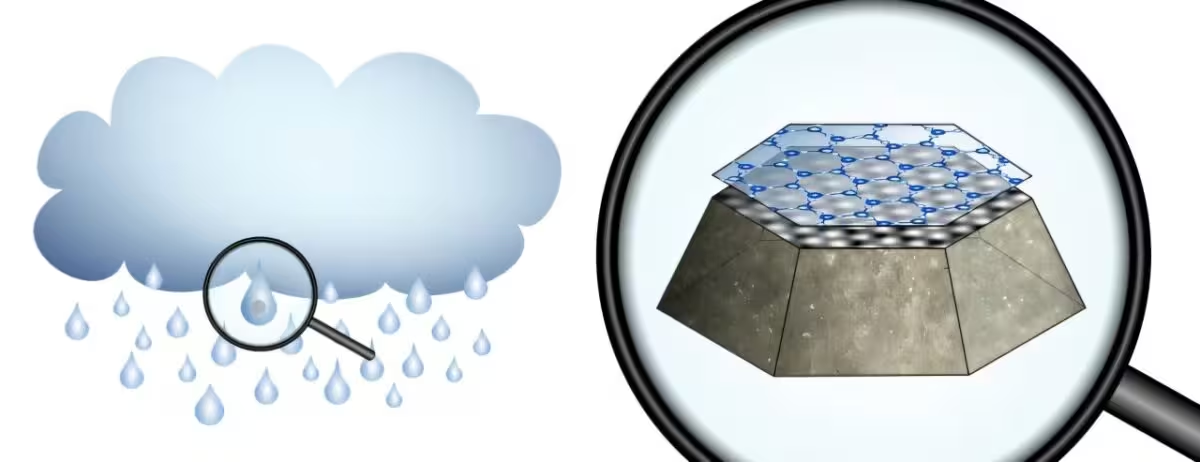
As ice crystals enlarge, they collect additional water and eventually become heavy enough to descend. Depending on ambient temperatures, they may reach the ground as snow or melt into rain. The ultimate precipitation outcome hinges on cloud depth, temperature gradients, moisture content, and internal wind patterns.
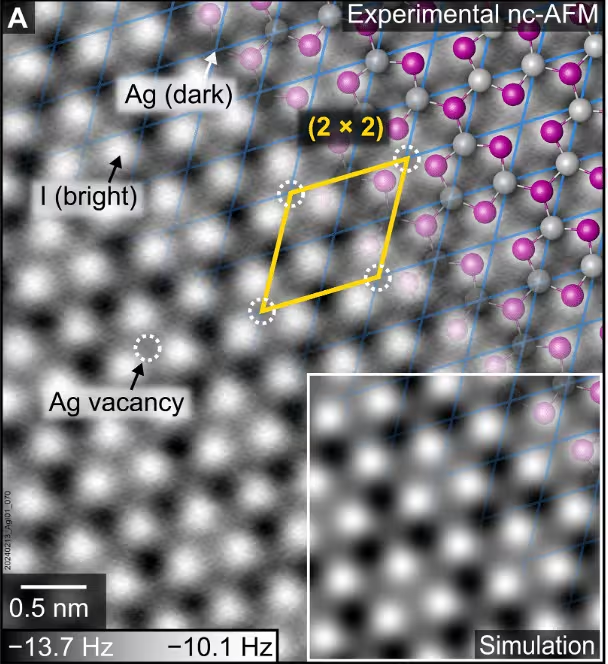
A study featured on Phys.org examined the atomic‑scale interactions that enable silver iodide to trigger ice formation. The research clarifies how the first water layer arranges itself on the material’s surface, shedding light on the initiation of crystallization while acknowledging that it cannot predict the total rain volume or its eventual landing zone.
Civilian cloud‑seeding initiatives continue worldwide, primarily to boost snowfall, augment water reservoirs, or mitigate hail damage. The American Association for the Advancement of Science notes that, despite decades of research, isolating the effects of seeding from natural cloud variability remains a persistent challenge.
Weather as an Age‑Old Battlefield Lever
The strategic logic behind Operation Popeye echoes centuries‑old observations that terrain conditions can immobilize armies even when weapons remain functional. At the Battle of Agincourt in 1415, a sudden rainstorm turned the battlefield into a quagmire, forcing heavily armored French troops to slog through mud while English archers held their positions. A report in The Guardian described French soldiers struggling to lift their weapons as the ground gave way beneath them.
Similarly, during the Mongol invasions of Japan, typhoons shattered invading fleets, a phenomenon later romanticized as the “kamikaze” or “divine wind.” The American Meteorological Society chronicles how severe weather thwarted the Mongol advance, illustrating how natural forces have long shaped military outcomes.
Operation Popeye diverged from these historical precedents because the rain was not an accidental circumstance but a deliberately engineered tool, a distinction explicitly acknowledged in the State Department’s internal memorandum.
From Secret Tests to Global Regulation
The 1967 memo framed the program as an operational, military endeavor rather than a purely scientific investigation, warning that its approval could set a precedent for manipulating weather or climate in warfare. Officials also recognized the fragility of secrecy: artificial rain would be visible, seeding aircraft could be targeted, and investigative journalism might expose the activity. The document concluded that concealment was unlikely to endure and suggested preparations for potential disclosure.
Public revelations about military weather modification spurred international debate, culminating in the United Nations General Assembly’s adoption of the Environmental Modification Convention (ENMOD) on 10 December 1976. The treaty opened for signature in May 1977, entered into force on 5 October 1978, and prohibits hostile environmental alteration when effects are widespread, long‑lasting, or severe. According to an EBSCO historical overview, the U.S. Senate ratified the convention unanimously (98 to 0) in 1979, while civilian cloud‑seeding activities remained exempt.
This article has been fact checked for accuracy, with information verified against reputable sources. Learn more about us and our editorial process.
Last reviewed on .
Article history
- Latest version
Reference(s)
- <https://phys.org/news/2025-11-silver-iodide-triggers-ice-formation.html>.
- Hambling, David. “Weatherwatch: heavy rain saves the day for Henry V at Agincourt.”, October 22, 2018 The Guardian <https://www.theguardian.com/news/2018/oct/22/weatherwatch-henry-v-agincourt-frence-force-bogged-down-heavy-rain-waterlogged-battlefield>.
- <https://headlines.ametsoc.org/2021/06/04/from-kamikaze-to-katana-how-weather-protected-japan-from-mongolian-invasion/>.
- “United Nations Agreement on Military Use of the Weather Is Signed | Environmental Sciences | Research Starters | EBSCO Research.” EBSCO <https://www.ebsco.com/research-starters/environmental-sciences/united-nations-agreement-military-use-weather-signed>.
Cite this page:
- Posted by Zara Tariq