Lost King Moskon Revealed as Celtic Bastarnae Ruler by New Coin Analysis
New study deciphers mysterious silver coins from Northern Dobrudja, revealing a previously unknown Danube king and rewriting ancient power dynamics.
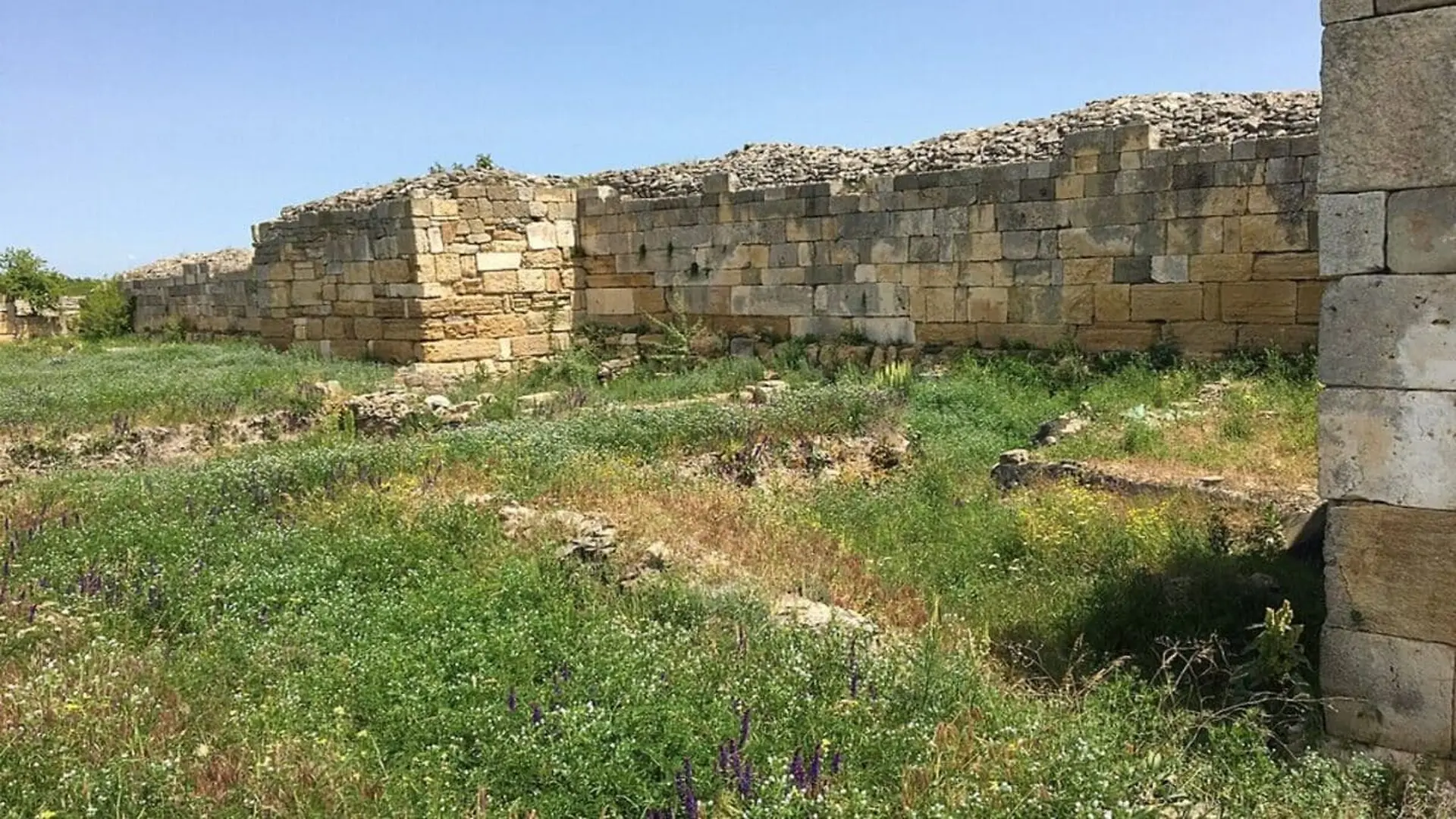
Recent numismatic analysis argues that Moskon, a ruler known solely from a handful of inscribed silver pieces, was not a Thracian or Getic monarch as traditionally believed, but rather a Celtic chief of the Bastarnae tribe who briefly exercised power in the second‑century BC.
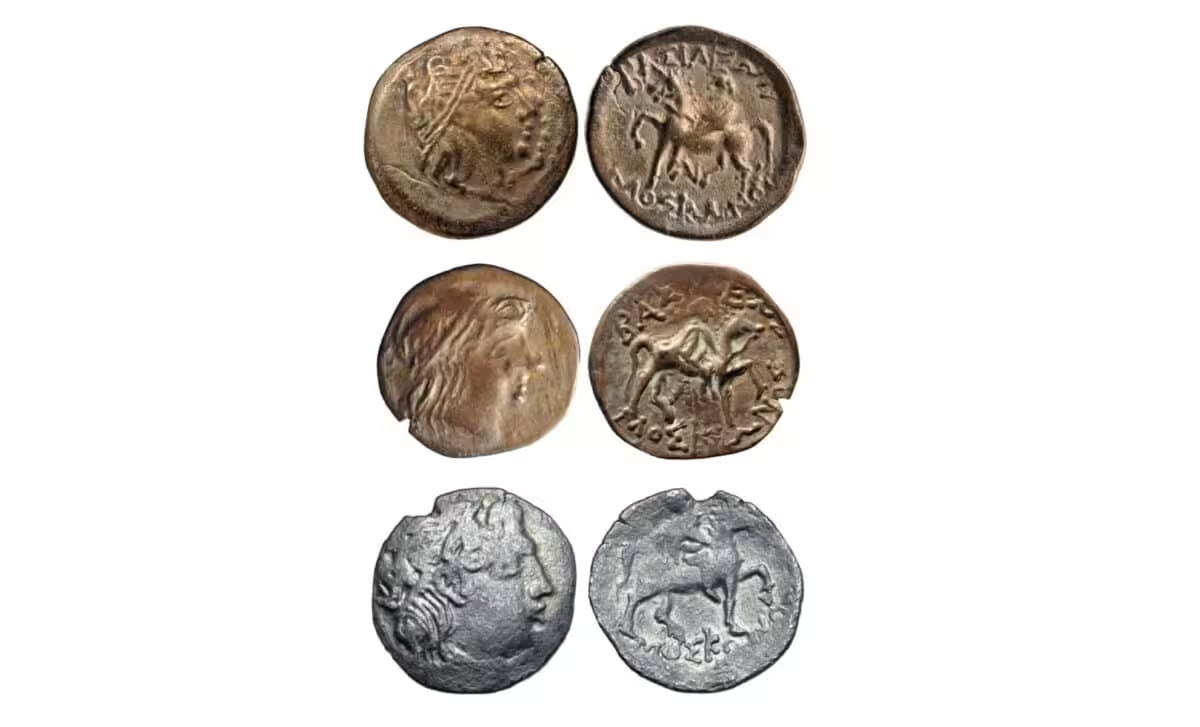
For many years, isolated silver coins marked with the title “basileus” and the name Moskon have appeared in northern Dobruja, Romania, south of the Danube Delta. These finds, sometimes solitary and sometimes part of mixed hoards, have resisted definitive interpretation despite extensive scholarly attention.
A fresh academic paper authored by Metodi Manov re‑examines the series with updated measurements and comparative data, reaching conclusions that overturn long‑standing assumptions about both the coinage itself and the identity of its issuer.
A More Complex Minting Process Than Previously Recognised
Earlier specialists split Moskon’s output into two groups: larger pieces weighing between 7.28 g and 8.01 g, identified as didrachms, and smaller pieces between 2.35 g and 3.28 g, labelled hemidrachms. Manov demonstrates that the latter category is a misinterpretation. By calculating that an 8‑gram didrachm divided into twelve obols would produce an obol of 0.65 g, the study shows that the lighter pieces are actually drachms struck to a reduced local standard, not hemidrachms. The analysis cites the coins as evidence of this recalibration.
The research also uncovers a third, previously unnoticed denomination: a 17‑mm, 1.78‑g piece that emerged in a Roma Numismatics auction in March 2023. Designated a tetrobol, this specimen was produced with a distinct pair of dies separate from those used for the larger denominations. The presence of three independent types, each requiring its own die set, points to a more organised local workshop than the ad‑hoc minting previously ascribed to Moskon, suggesting production away from established Greek centres such as Histria.
Revising the Chronology and Cultural Attribution of Moskon
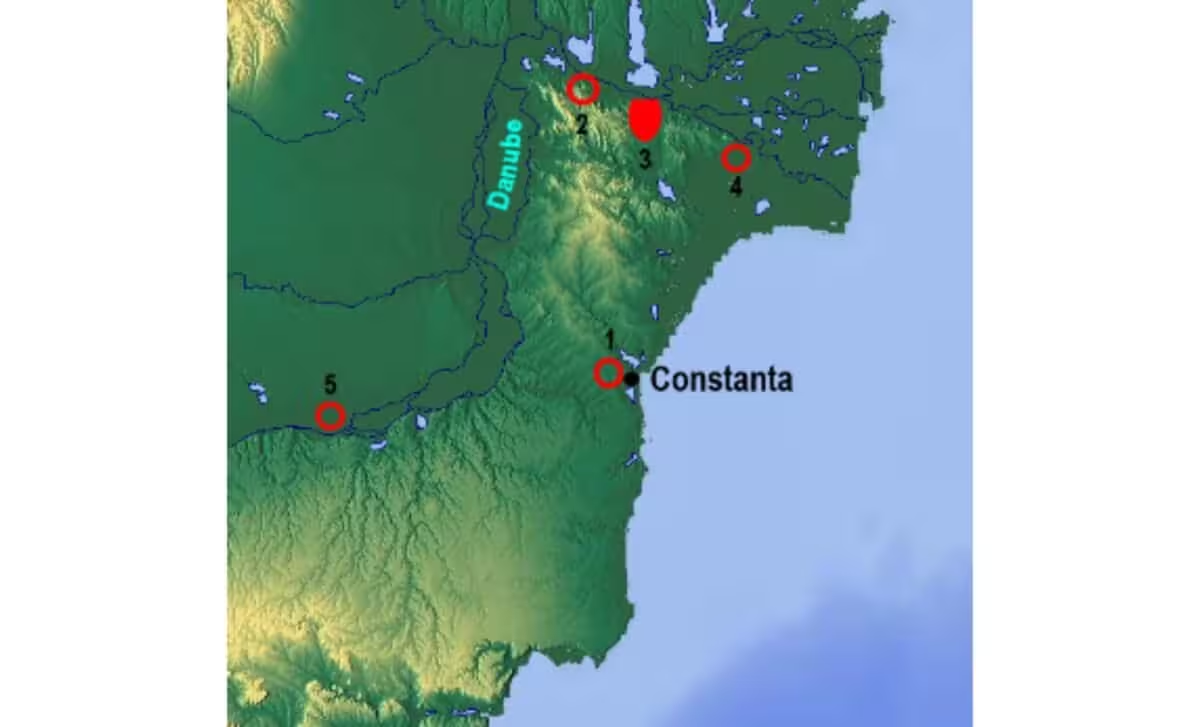
Dating of Moskon’s issues has long spanned from the mid‑4th century BC to the early 1st century BC. The discovery of a mixed hoard near Somova in 2006, which contained three Moskon pieces alongside other identifiable types, narrows the window considerably. Manov’s paper aligns with the prevailing view that places the minting in the latter half of the 2nd century BC, and more precisely proposes a reign between roughly 150 BC and 140 BC, based in part on the limited variety of denominations and die usage.
Romanian scholarship traditionally classified Moskon as a Getic ruler, but the new study disputes this on linguistic and historical grounds, noting that the name lacks clear Thracian parallels and that no other Getic leader is documented as issuing personal coinage. Instead, the author argues that Moskon belonged to the Bastarnae, a Celtic group settled north of the Danube Delta. The argument rests on the unmistakably Celtic motifs of the coins, which imitate Philip II’s tetradrachms, and on Celtic toponyms in the area such as Noviodunum and Aegyssus.
The author also draws on Livy, who described the Bastarnae as speaking the same language as the Celtic Scordisci and referred to their leaders, including a noble called Cotto, as Gauls. By linking Moskon to other Celtic petty kings known from inscriptions—such as Zalmodegikos and Zoltes, whose reigns are dated between roughly 160 BC and 110 BC—the study situates Moskon within a broader network of Celtic rulers who controlled territories north of the Danube during this era.
Although Moskon does not appear in surviving ancient texts, the re‑evaluated coin series now offers a clearer, though still incomplete, portrait of his short‑lived authority and the locally organised mint that produced three distinct silver denominations.
This article has been fact checked for accuracy, with information verified against reputable sources. Learn more about us and our editorial process.
Last reviewed on .
Article history
- Latest version
Cite this page:
- Posted by Zara Tariq