Water Quality Standards in Clinical Laboratory
Water serves as a silent reagent in almost every clinical assay. Even trace contaminants can cause analytical bias or instrument failure. This guide examines how maintaining specific purity standards protects the integrity of patient results.
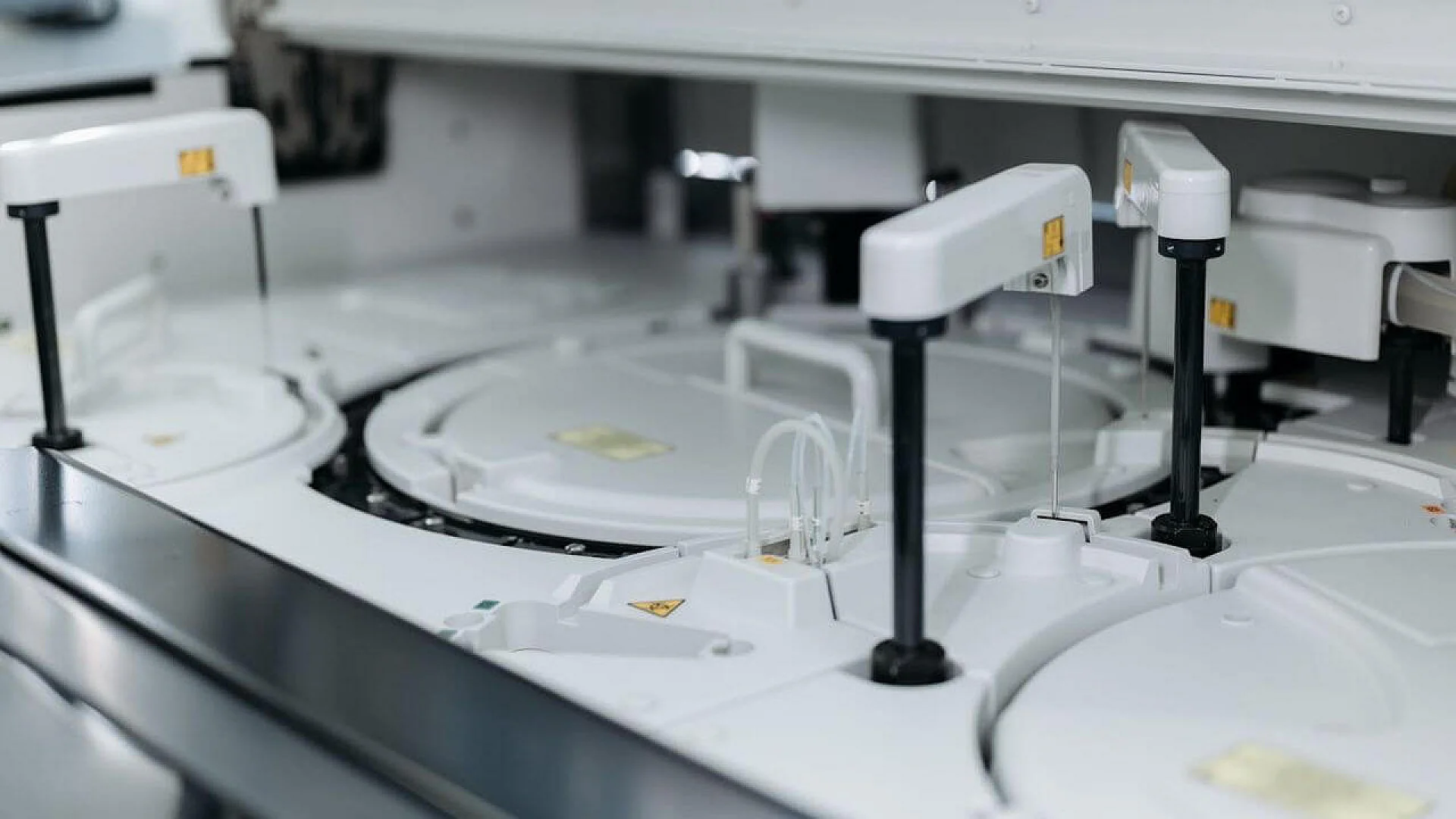
In a clinical laboratory, water is not just something that comes out of a tap. It is a working reagent. It enters reactions, dilutes patient samples, prepares controls, rinses probes, and even acts as a blank in photometric systems. In other words, it quietly participates in almost every analytical process we run each day.
Because of that, water quality is not a background issue. It is part of the analytical system itself.
Water as a Reagent in Clinical Testing
In routine practice, we use water as:
- A solvent for preparing reagents and buffers
- A diluent for specimens, calibrators, and controls
- A blank in spectrophotometric measurements
- A cleaning and rinsing agent in automated analyzers
At first glance, water may look chemically simple. But in reality, even trace contamination can influence reactions. A small increase in ionic content can alter enzyme activity. Organic residues may increase background absorbance in immunoassays. Dissolved gases can shift pH, and that shift may slightly change reaction kinetics.
Sometimes the effect is obvious. Quality control fails. Calibration does not hold. The analyzer flags repeated errors.
Other times, the impact is subtle. There is a gradual drift in control values. The coefficient of variation creeps up. We may suspect reagent instability or instrument wear, when the real issue is declining water purity.
From a method validation perspective, this is critical. Every assay is validated under defined conditions, including specific water quality. If water purity changes, the validated environment changes. That means the analytical performance we initially confirmed may no longer be fully reproducible.
As clinical laboratory scientists, we must treat water like any other critical reagent. It requires monitoring, documentation, and periodic verification. Ignoring it simply because it looks clear is a professional mistake.
Clinical Risk Associated with Poor Water Quality
The risks of poor water quality extend beyond the instrument room.
Analytical Bias and Imprecision
Ionic contaminants can interfere with ion-selective electrodes and enzymatic assays. Organic contamination may affect chemiluminescent or colorimetric reactions. Microbial metabolites can alter conductivity and pH.
These interferences can produce:
- Systematic analytical bias
- Increased imprecision
- Unstable calibration curves
- Repeated quality control failures
And sometimes the changes are small enough to pass unnoticed for days. That is what makes them dangerous.
Instrument Malfunction and Downtime
Poor-quality water does not only affect results. It also affects equipment.
Particulates may block tubing and valves. Mineral deposits can accumulate in fluidic systems. Biofilm formation inside distribution loops can lead to persistent microbial contamination. Over time, this results in increased maintenance, frequent probe cleaning, and unexpected downtime.
In a busy laboratory, downtime disrupts workflow. Turnaround time increases. Staff workload rises. Pressure builds.
Patient Safety Implications
Ultimately, every analytical error has a clinical consequence.
A falsely elevated electrolyte result may lead to unnecessary treatment. An inaccurately low enzyme value may delay diagnosis. A drifting immunoassay signal can misclassify a patient’s status.
We may not immediately see the connection between water purity and patient outcomes. But the link is real. Water quality influences analytical integrity, and analytical integrity directly influences clinical decisions.
For that reason, water quality control is not an optional technical detail. It is part of the laboratory’s quality management system. Continuous monitoring, proper documentation, and timely corrective action are essential responsibilities in clinical pathology and medical laboratory science.
Water may be colorless and transparent. Its impact, however, is neither.
Classification and Standards of Laboratory Water
In the clinical laboratory, we cannot simply say “pure water” and move on. Purity must be defined, measured, and aligned with the intended application. Not every test requires the same level of water quality. At the same time, using water of lower quality than required can compromise analytical performance in ways that are not always immediately obvious.
For that reason, international standards classify laboratory water into specific types and grades. These classifications guide procurement, system design, validation, and routine monitoring.
CLSI Water Types
CLSI defines reagent water types based on intended clinical use and analytical sensitivity.
| Parameter | Type I | Type II | Type III |
|---|---|---|---|
| Bacteria (CFU/ml) | < 10 | < 1000 | NA |
| pH | NA | NA | 5.0-8.0 |
| Resistivity (MΩ•cm @ 25°C) | > 10* | > 1 | > 0.1 |
| SiO2 mg/L | 0.1 | 1 | 5 |
| Total Solids mg/L | 0.1 | 1 | 5 |
| Total Oxidizable Organic Carbon mg/L | < 0.05 | < 0.2 | < 1 |
| Type I water must be free of particulate matter larger than 0.2µm *Resistivity of Type I must be measured in-line |
|||
Type I (Ultrapure Water)
Type I water represents the highest purity used in routine clinical laboratories. It is typically required for:
- Molecular diagnostics, including PCR-based assays
- Trace element analysis
- High-sensitivity immunoassays
- Preparation of critical calibrators and standards
This level of water usually has a resistivity of up to 18.2 MΩ•cm at 25°C and very low total organic carbon levels. Endotoxin and microbial limits are also tightly controlled.
In practical terms, Type I water is used where even trace contamination can distort results. In molecular testing especially, minimal nucleases, organic residues, or endotoxins can affect amplification efficiency. A small impurity can create a big analytical shift.
Type II (Pure Water)
Type II water is commonly used for:
- Routine clinical chemistry analyzers
- Reagent preparation
- General laboratory applications
It has lower purity specifications compared to Type I, but it is still highly controlled. Most automated chemistry platforms operate reliably with Type II water, provided that the system is properly maintained and monitored.
Using Type II water for applications that require Type I may lead to subtle interference. On the other hand, using Type I water everywhere may increase operational cost without added benefit. Therefore, matching water type to test complexity is both scientifically and economically important.
Type III (RO Water)
Type III water is typically produced by reverse osmosis and serves as:
- Feed water for further purification
- Water for glassware washing
- General non-critical laboratory use
It is not suitable for direct use in high-sensitivity analytical methods. However, it forms the backbone of many purification systems, acting as the first stage in a multi-step process.
ISO 3696 Water Grades
This standard defines:
- Grade 1: Highest purity
- Grade 2: Intermediate purity
- Grade 3: General laboratory grade
While ISO grades and CLSI types are not identical, they are conceptually aligned. Grade 1 corresponds roughly to high-purity applications, while Grade 3 aligns with general laboratory tasks.
Understanding both systems is useful, especially when evaluating vendor documentation or equipment specifications. Some manufacturers reference ISO grades, while clinical laboratories often refer to CLSI types.
Regulatory and Accreditation Requirements
Water quality is not just a technical issue. It is also a regulatory expectation.
Accreditation bodies require documentation of reagent water quality monitoring. Laboratories must demonstrate that:
- Water specifications meet assay requirements
- Monitoring is performed at defined intervals
- Deviations are investigated and documented
- Corrective actions are implemented when limits are exceeded
During audits and inspections, surveyors may review water system logs, maintenance records, and trend data. They may also assess whether the laboratory understands the relationship between water quality and analytical performance.
From a quality management perspective, classification and standardization create structure. They prevent ambiguity. Instead of saying “our water is clean,” we state that it meets defined specifications for a particular type or grade.
That clarity protects analytical integrity. And ultimately, it protects patients.
Physical Quality Parameters
Physical properties of laboratory water may sound basic, but in daily practice they quietly control analytical stability. These parameters do not react chemically with reagents, yet they strongly influence how reactions behave inside automated systems. When physical quality drifts, analytical problems often follow.
Resistivity and Conductivity
Resistivity and conductivity are two sides of the same coin. Resistivity measures how strongly water resists the flow of electrical current, while conductivity measures how easily current passes through it. In simple terms, high resistivity means fewer dissolved ions. Low resistivity means more ionic contamination.
In clinical laboratories, resistivity is usually monitored continuously, especially for high-purity water. Ultrapure water reaches a theoretical maximum of 18.2 MΩ•cm at 25°C. Any drop from this value signals ionic intrusion, even if the water still looks clear.
Why does this matter? Many analyzers depend on stable ionic conditions. Ion-selective electrodes are especially sensitive. Even enzymatic assays can be affected when excess ions interfere with reaction equilibrium. A slow decline in resistivity often shows up first as drifting quality control results, not as a system alarm.
That is why trend monitoring is more important than single readings. A stable downward pattern is a warning sign that should never be ignored.
Temperature Control
Temperature has a direct effect on resistivity measurements. As water temperature increases, resistivity decreases. For this reason, resistivity values are standardized at 25°C.
Modern water systems automatically compensate for temperature, but laboratory staff should still understand the relationship. Sudden temperature changes, especially in distribution loops, can temporarily alter readings and confuse troubleshooting efforts.
Temperature also affects reaction kinetics. If water temperature fluctuates during reagent preparation or dilution, it may introduce small but measurable variation. In high-throughput laboratories, these small variations can accumulate over time.
Keeping water systems in temperature-stable environments reduces this risk and improves consistency.
Particulate Matter
Particulates are solid contaminants suspended in water. They may come from aging filters, damaged membranes, or biofilm fragments released from internal surfaces.
In automated analyzers, particulates are a serious problem. They can block probes, scratch cuvettes, and interfere with optical readings. Flow cells are particularly vulnerable. Even very small particles can scatter light and affect absorbance measurements.
Final membrane filtration is used to control particulate load, especially at points of use. However, filtration alone is not enough. Filters themselves must be monitored and replaced on schedule. A clogged or degraded filter may release more particles than it removes.
From a practical standpoint, unexplained probe errors or repeated flow alarms should always raise suspicion of particulate contamination.
Physical water quality parameters are easy to measure, but easy does not mean unimportant. Resistivity, temperature, and particulates form the physical backbone of laboratory water performance. When they are stable, analytical systems behave predictably. When they drift, problems follow, often quietly at first.
Chemical Quality Parameters
When we talk about laboratory water, physical clarity can be misleading. Water may look perfectly clean and still contain dissolved chemicals that interfere with testing. Chemical quality parameters focus on what we cannot see but must control.
In clinical biochemistry, even trace chemical contamination can influence reaction chemistry, calibration stability, and long-term analytical precision. The effects are sometimes dramatic. More often, they are subtle and progressive.
Total Organic Carbon (TOC)
Total Organic Carbon, commonly abbreviated as TOC, measures the amount of organic compounds present in water. These compounds may originate from environmental contamination, degraded filters, plastic tubing, or microbial byproducts.
In high-sensitivity testing, especially immunoassays and molecular diagnostics, organic contamination is a real concern. Organic molecules can:
- Increase background absorbance
- Interfere with enzyme activity
- Affect chemiluminescent reactions
- Contribute to assay noise
Ultrapure water systems aim for very low TOC levels, often in the parts per billion range. A gradual rise in TOC may indicate filter exhaustion or early microbial growth within the system.
What makes TOC challenging is that its effects are not always immediate. You may first notice slightly unstable controls or minor shifts in signal intensity. Without routine monitoring, the source may remain hidden.
Ionic Contaminants
Ionic impurities include sodium, chloride, calcium, magnesium, and even trace heavy metals. These ions increase conductivity and decrease resistivity.
Ionic contamination can directly affect:
- Ion-selective electrode performance
- Enzymatic reaction equilibrium
- Buffer stability
- Calibration linearity
For example, excess sodium in reagent water may interfere with electrolyte analysis. Calcium and magnesium can form deposits inside fluidic systems, leading to scaling and maintenance issues.
Heavy metals, even in trace amounts, can inhibit certain enzymes. This type of interference may not trigger an instrument alarm, but it can increase imprecision or shift control means.
Monitoring resistivity provides indirect information about ionic load, but periodic chemical testing may still be required for comprehensive evaluation.
Dissolved Gases
Water naturally absorbs gases from the environment, particularly carbon dioxide and oxygen.
Carbon dioxide dissolves to form carbonic acid, which lowers pH. A change in pH can influence buffer systems and alter reaction kinetics. In tightly controlled assays, even small pH shifts can produce measurable variation.
Oxygen can participate in oxidative reactions. In certain methods, especially those involving redox chemistry, dissolved oxygen may subtly alter reaction dynamics.
While dissolved gases are often overlooked, they become more relevant in high-precision applications and long distribution loops where water remains exposed to air.
Silica and Trace Elements
Silica is commonly present in natural water sources. If not adequately removed during purification, it may accumulate in water systems and interfere with specific analytical platforms.
Trace elements are particularly important in laboratories performing elemental analysis. Even minute contamination can compromise accuracy. In such settings, water purity requirements are extremely strict.
In routine clinical laboratories, silica and trace elements may not always cause obvious analytical failure. However, over time, they can contribute to system scaling and reduced instrument efficiency.
Chemical quality parameters demand consistent monitoring and thoughtful interpretation. A single abnormal value may not indicate immediate failure, but trends matter. Small deviations, when ignored, gradually affect analytical stability.
Microbiological Quality Parameters
When we discuss laboratory water, chemical purity often receives most of the attention. However, microbiological quality is equally important. Water systems provide a moist environment, and moisture naturally supports microbial survival if control measures fail.
In clinical laboratories, microbial contamination does not always produce visible turbidity. The water may appear clear. Yet bacterial cells, endotoxins, and biofilm fragments can still be present, quietly affecting analytical performance.
Bacterial Load (CFU/mL)
Bacterial contamination is commonly measured in colony-forming units per milliliter, abbreviated as CFU/mL. This measurement reflects viable microorganisms capable of growth under defined culture conditions.
Acceptable limits depend on the water type. High-purity water used for sensitive assays requires extremely low microbial counts. Even small increases above baseline should prompt investigation.
Why does this matter?
Bacteria release metabolic byproducts into water. These byproducts can alter pH, increase organic load, and interfere with enzymatic reactions. In immunoassays, they may contribute to background noise. In molecular diagnostics, microbial contamination can affect amplification efficiency.
Monitoring frequency should be defined in the laboratory’s quality plan. Routine sampling, especially at point-of-use outlets, provides a more realistic assessment than testing only the main storage tank.
A sudden spike in CFU may indicate filter failure, inadequate sanitization, or stagnation within the distribution loop.
Endotoxins
Endotoxins are lipopolysaccharide components of the outer membrane of Gram-negative bacteria. Even after bacterial cells are destroyed, endotoxins may remain in the water.
This is important because endotoxins are heat-stable and biologically active. In cell-based assays and certain molecular applications, they can significantly alter experimental conditions.
Endotoxin contamination does not necessarily correlate with live bacterial counts. A system may show low CFU values but still contain measurable endotoxin levels due to previous contamination events.
Detection typically requires specialized assays. For laboratories performing high-sensitivity molecular work, endotoxin control becomes a critical parameter rather than an optional one.
Biofilm Formation
Biofilm represents one of the most persistent challenges in laboratory water systems.
It begins when microorganisms attach to internal surfaces of pipes, storage tanks, or distribution loops. Over time, they produce an extracellular matrix that protects them from disinfectants and mechanical flushing.
Once established, biofilm acts as a continuous source of microbial shedding. Even if bulk water tests within acceptable limits, fragments of biofilm may intermittently release bacteria or organic material into the system.
Dead legs in piping, low-flow areas, and stagnant outlets are common risk zones. Poorly designed distribution loops increase the likelihood of biofilm development.
Preventive strategies include:
- Regular sanitization using thermal or chemical methods
- Continuous circulation in loop systems
- Minimizing stagnation points
- Scheduled filter replacement
- Routine microbiological monitoring
In practice, microbiological control is not achieved by one intervention alone. It requires consistent vigilance. Small lapses in maintenance can gradually allow microbial populations to re-establish.
Water Purification Technologies in Clinical Laboratories
Water in the clinical laboratory does not become “pure” by passing through a single device. It moves through a carefully designed sequence of barriers, each targeting a specific class of contaminants. In practice, we build purification in layers, because no single technology removes ions, organics, particulates, microorganisms, and dissolved gases all at once.
Pre-Treatment Systems
Pre-treatment protects the core purification units. If this stage is neglected, downstream membranes and cartridges fail early, operating costs rise, and water quality becomes unstable.
Sediment Filtration
Sediment filters remove visible particles such as sand, rust, and suspended solids from municipal water. These particles may appear harmless, but they clog reverse osmosis membranes and damage pumps.
In high-throughput laboratories, even minor particulate buildup can affect pressure stability in the system. That instability eventually reflects in inconsistent resistivity readings.
Activated Carbon Filtration
Activated carbon removes chlorine, chloramines, and organic compounds. This step is critical because chlorine can degrade reverse osmosis (RO) membranes.
More importantly, organic contaminants interfere with sensitive assays — especially immunoassays and molecular diagnostics. A rise in Total Organic Carbon (TOC) often traces back to ineffective carbon filtration. So when TOC trends upward, this is one of the first checkpoints.
Water Softening
Hard water contains calcium and magnesium ions. These ions form scale on membranes and heating elements. Scaling reduces RO efficiency and shortens equipment life. In some regions of Pakistan and the US, incoming water hardness fluctuates seasonally. Monitoring hardness is not optional, it directly affects long-term system performance.
Primary Purification
Primary purification removes the bulk of ionic and dissolved contaminants. This stage produces water suitable for many routine laboratory applications, but not yet ultrapure.
Reverse Osmosis (RO)
Reverse osmosis is the backbone of most clinical laboratory water systems. It uses semi-permeable membranes and pressure to remove 95–99% of dissolved salts, bacteria, and particulates.
RO significantly reduces conductivity. However, it does not eliminate all ions or organic molecules. That is why RO water alone is usually classified as Type III water. If RO rejection rates begin to fall, laboratories may see subtle shifts in analyzer calibration. And these shifts often appear before the system alarms activate.
Deionization (DI)
Deionization uses ion-exchange resins to remove remaining cations and anions. Hydrogen and hydroxide ions replace contaminants, forming pure water.
DI polishing increases resistivity, often approaching 18.2 MΩ•cm when functioning optimally. However, exhausted resin beds can release trapped ions back into the water — a phenomenon known as “ion dumping.”
Routine monitoring is therefore essential. Resistivity decline is usually the first warning sign.
Distillation
Distillation removes many ionic and microbial contaminants by boiling and condensing water. It is effective but energy-intensive.
In modern clinical laboratories, distillation is less common as a primary method because RO-DI systems are more efficient and easier to maintain. Still, some specialized applications continue to rely on distillation where extreme purity is required.
Polishing Technologies
Polishing technologies convert purified water into ultrapure water suitable for highly sensitive testing.
Ultraviolet (UV) Oxidation
UV light at 185 nm oxidizes organic molecules, reducing TOC levels. At 254 nm, UV also inactivates microorganisms. This step is especially important in molecular diagnostics and immunology laboratories. Organic contamination at very low concentrations can affect amplification efficiency in PCR assays.
When TOC remains persistently elevated despite cartridge replacement, UV lamp performance should be evaluated.
Ultrafiltration
Ultrafiltration membranes remove endotoxins, nucleases, and colloidal particles. These membranes are critical for applications requiring DNAse-free and RNAse-free water.
Endotoxin contamination may not affect routine chemistry. But in molecular assays, it can inhibit enzymatic reactions and compromise reproducibility.
Final Membrane Filtration
Final point-of-use filters, typically 0.22 microns, remove remaining bacteria and particulates before water enters analyzers.
This is the last barrier. If biofilm develops in distribution loops, these filters become the frontline defense.
However, filters are not permanent solutions. If microbial counts rise repeatedly, the problem usually lies upstream, often in stagnant sections of the distribution system.
Monitoring and Quality Control Strategies
In the clinical laboratory, producing pure water is only half the job. The real discipline lies in monitoring it, documenting it, and responding early when trends begin to shift. Water quality is not a one-time validation exercise. It is a continuous quality control process, just like internal QC for patient samples.
As laboratory professionals, we must treat water parameters as critical control points. Because when water drifts, results drift.
Routine Monitoring Parameters
Routine monitoring should be structured, scheduled, and documented. Not reactive. Not casual.
Online Resistivity Monitoring
Most modern systems provide continuous resistivity monitoring at 25°C. Resistivity is the fastest real-time indicator of ionic contamination.
For Type I water, readings should approach 18.2 MΩ•cm. A gradual drop, even from 18.2 to 17.5, deserves attention. It may not trigger an alarm, but it often signals resin exhaustion or membrane decline.
Technicians should record daily readings, preferably at the same time each shift. Consistency matters. If the temperature fluctuates, ensure automatic temperature compensation is functioning properly. Otherwise, readings can appear falsely low.
Scheduled TOC Testing
Total Organic Carbon testing is usually performed weekly or monthly, depending on laboratory workload and accreditation requirements.
TOC levels for ultrapure water typically remain below 10 ppb. When values begin to rise slowly, it may indicate UV lamp inefficiency or organic breakthrough from carbon filters.
This is where many labs make a mistake. They wait for failure instead of interpreting trends. A small upward movement repeated over three cycles is more meaningful than one sudden spike.
Microbial Surveillance
Microbial monitoring involves periodic culture testing, usually expressed as CFU per mL. Acceptable limits depend on water type, but ultrapure systems should maintain very low counts.
Sampling must be done aseptically. Flush the outlet before collecting the sample, and avoid touching internal surfaces.
If counts increase, do not just replace the final filter. Investigate the distribution loop, storage tank, and sanitization schedule. Biofilm often forms in areas with low flow or stagnant segments.
Trend Analysis and Documentation
Raw data alone is not quality control. Interpretation transforms data into action.
Control Charts for Resistivity
Plot resistivity values on a monthly control chart. Even simple spreadsheet graphs work well. When we visualize data, patterns become obvious.
A slow downward slope may reflect progressive resin exhaustion. Fluctuating peaks and dips can suggest temperature instability or intermittent contamination. Trend charts also help during inspections. Auditors appreciate documented evidence of proactive monitoring, not just printed numbers.
Interpretation of Gradual Decline Patterns
Gradual decline is more dangerous than sudden failure. Sudden drops trigger alarms. Gradual changes quietly affect analytical precision.
For example, slightly lower resistivity can influence reagent blank absorbance in clinical chemistry analyzers. Over time, this may shift calibration curves.
Ask simple questions regularly. “Has this value changed compared to last quarter?” “Is this variation seasonal?” Connecting the dots prevents downtime.
Corrective and Preventive Actions (CAPA)
Monitoring without action has no value. CAPA closes the loop.
Cartridge Replacement Protocols
Follow manufacturer guidelines, but do not rely on them blindly. If trend data shows early decline, replace cartridges sooner.
Document the date, lot number, and post-replacement readings. After installation, confirm that resistivity and TOC return to baseline. If not, the issue may be upstream.
Keep spare cartridges in stock. Waiting days for delivery during system failure disrupts workflow and increases repeat testing.
System Sanitization Schedules
Routine sanitization reduces microbial growth and biofilm formation. Frequency depends on system design and laboratory load.
Thermal or chemical sanitization should be validated. After sanitization, perform microbial testing to confirm effectiveness.
Some labs postpone sanitization because “the numbers look fine.” That approach is risky. Preventive maintenance costs far less than analyzer downtime.
Response to Microbial Excursions
If microbial limits are exceeded, act immediately. First, isolate the system if possible. Then perform sanitization. Retest after corrective action. Document everything.
Also assess impact. Review recent sensitive assays, especially molecular diagnostics. If endotoxin or microbial contamination may have influenced results, notify the section supervisor.
Quality management in the water system directly connects to patient safety. That connection should never be underestimated.
Impact of Water Quality on Specific Laboratory Sections
In daily laboratory work, we often think of reagents, calibrators, and instruments as the main drivers of accuracy. But water is the quiet component behind almost every test. If its quality drops, even slightly, the effect can ripple across multiple sections without being immediately obvious. That is why understanding how water affects each discipline is not just theoretical. It is practical, and honestly, it can save a lot of troubleshooting time.
Clinical Chemistry
Clinical chemistry is especially sensitive to ionic contamination and conductivity changes. Many enzymatic assays depend on tightly controlled reaction environments. When water contains excess ions such as sodium or calcium, enzyme activity can shift, which leads to subtle bias rather than outright failure.
You may notice calibration drifting more frequently. Reagent blanks may become unstable. Sometimes the analyzer flags errors that seem random, but they are not random at all. Poor water quality alters absorbance baselines, affects photometric readings, and can even shorten reagent shelf life once reconstituted.
In simple words, chemistry analyzers expect “invisible” water. When the water starts contributing chemically, accuracy begins to slip.
Immunology and Immunoassays
Immunoassays are extremely sensitive to organic contamination. Even low levels of Total Organic Carbon can interfere with antibody-antigen binding. That interference may not cause dramatic instrument alarms. Instead, it can show up as increased background signal, reduced sensitivity, or poor reproducibility.
Technicians may repeat controls more often, assuming reagent instability. However, organic impurities in water can coat reaction surfaces or interfere with chemiluminescent reactions. The result is noise in the system, and immunoassays do not tolerate noise well.
Maintaining low TOC is therefore essential, not optional, especially for high-sensitivity hormone, tumor marker, and serology testing.
Molecular Diagnostics
Molecular testing demands the highest level of water purity. PCR and nucleic acid amplification require water that is free from DNAse, RNAse, microorganisms, and endotoxins. Even trace contamination can degrade nucleic acids or inhibit polymerase activity.
When water quality is compromised, you may see unexplained amplification failure, delayed Ct values, or inconsistent replication between runs. These issues can mimic extraction problems or reagent degradation, which makes root cause analysis frustrating.
Using ultrapure, nuclease-free water helps ensure that amplification reflects the patient sample, not environmental contamination. In molecular diagnostics, water is not just a solvent. It is part of the reaction itself.
Hematology
Hematology may appear less sensitive, but it still relies heavily on water for diluent preparation and system cleaning. Impedance-based cell counting depends on stable electrical conductivity. If water purity fluctuates, conductivity changes can affect cell sizing and counting accuracy.
You might observe shifts in MCV, inconsistent platelet counts, or increased background debris flags. Particulates in water can also obstruct apertures and flow systems, leading to maintenance issues and instrument downtime.
Clean, low-particulate water supports consistent dilution ratios and protects analyzer fluidics, which directly impacts turnaround time and reliability.
Validation and Verification of Water Systems
In many laboratories, once a water purification system is installed, people assume the job is done. In reality, that is only the beginning. Water systems must be validated and then continuously verified to ensure they are consistently producing water that is “fit for purpose” for clinical testing. Without this step, even the most advanced system can quietly drift out of specification, and that drift can directly affect patient results.
Validation is not just a regulatory checkbox. It is a scientific confirmation that the system performs exactly as our methods require, day after day, under real laboratory conditions.
Installation Qualification (IQ)
Installation Qualification focuses on confirming that the system is installed correctly according to manufacturer specifications and laboratory requirements. This includes verifying plumbing connections, electrical supply, pretreatment components, and proper placement within the facility.
During IQ, we document everything. Serial numbers, filter types, tubing materials, flow diagrams, and calibration certificates all become part of the validation record. It may feel administrative, but this documentation ensures traceability. If a problem arises later, we can go back and see exactly how the system was configured from the start.
Another important part of IQ is ensuring that environmental conditions support the system. Adequate ventilation, controlled temperature, and proper drainage prevent long term performance issues that are often overlooked.
Operational Qualification (OQ)
Operational Qualification answers a simple but critical question. Does the system actually perform as expected when we run it?
Here we test key parameters such as resistivity, conductivity, Total Organic Carbon, flow rate, and pressure under routine operating conditions. Measurements are repeated over several days to confirm stability, not just a single successful reading.
This phase often reveals practical realities. For example, water quality may fluctuate during peak usage hours, or after weekends when the system has been idle. Identifying these patterns early allows the laboratory to adjust flushing procedures, monitoring frequency, or maintenance schedules.
OQ bridges the gap between theoretical performance and real world laboratory use.
Performance Qualification (PQ)
Performance Qualification is the long term confirmation that the system consistently supports actual clinical testing. This is where validation becomes integrated into daily quality management.
Water is monitored over weeks or months while being used for routine assays. We evaluate trends rather than isolated data points. A gradual decline in resistivity, a slow rise in microbial counts, or subtle TOC variation can indicate cartridge exhaustion or early biofilm formation.
PQ also links water quality directly to analytical performance. Control recovery, calibration stability, and instrument maintenance logs are reviewed alongside water data. When both sets of information align, we gain confidence that the system is reliably supporting patient testing.
This phase transforms validation from a one time event into an ongoing assurance process.
Risk Assessment and Continuous Improvement
Maintaining high-quality laboratory water requires more than just installing the right purification system. Risk assessment and continuous improvement are key to ensuring reliability and preventing unexpected contamination. One approach commonly used in labs is Failure Mode and Effects Analysis (FMEA). This method helps identify points in the water system where contamination or malfunction is most likely to occur, whether it’s in storage tanks, distribution loops, or even minor connections that are often overlooked. By knowing these high-risk areas, labs can prioritize monitoring and preventive actions, reducing both downtime and analytical errors.
Environmental and infrastructure factors also play a significant role. Proper design of storage tanks, loop circulation, and avoidance of “dead legs” (sections of piping where water stagnates) are essential. Even small design flaws can allow biofilms to develop, which may lead to bacterial growth or endotoxin contamination over time. Regular assessment of these factors, combined with good system layout, can prevent costly problems before they appear.
Cost-benefit analysis is another important tool in continuous improvement. Preventive maintenance, such as scheduled cartridge replacement, sanitization, and system calibration, may seem expensive upfront. Yet, when compared with the potential cost of analytical downtime, reagent instability, or repeated testing due to water-related errors, it is a clear investment. Balancing the cost of preventive measures against the risk of system failures ensures labs remain both efficient and reliable, and ultimately protects the integrity of patient testing.
By combining risk assessment, environmental oversight, and strategic maintenance, laboratories can create a water system that is both robust and sustainable. This approach not only improves analytical accuracy but also supports overall laboratory efficiency and confidence in results.
This content has been reviewed by subject-matter experts to ensure scientific accuracy. Learn more about us and our editorial process.
Last reviewed on .
Article history
- Latest version
Reference(s)
- Clinical and Laboratory Standards Institute. “C3A4: Preparation and Testing of Reagent Water in the Clinical Laboratory; Approved Guideline.” 4th ed., Wayne, PA: CLSI, 2006 <https://webstore.ansi.org/standards/clsi/clsic3a4>.
- International Organization for Standardization. “ISO 3696: Water for Analytical Laboratory Use—Specification and Test Methods.” 1st ed., ISO, 1987 <https://www.iso.org/standard/9169.html>.
- World Health Organization. “Laboratory Quality Management System: Handbook.”, WHO, 2011, isbn: 9789241548274. <https://www.who.int/publications/i/item/9789241548274>.
- United States Pharmacopeia. “〈1231〉 Water for Pharmaceutical Purposes.”, United States Pharmacopeial Convention, 2021, doi: 10.31003/USPNF_M99956_07_01. <https://doi.org/10.31003/USPNF_M99956_07_01>.
- American Public Health Association. “Standard Methods for the Examination of Water and Wastewater.” 21st ed., APHA, 2005, isbn: 9780875530475. <https://books.google.com.pk/books?id=buTn1rmfSI4C>.
- Skoog, Douglas A.., et al. “Principles of Instrumental Analysis.” 6th ed., Thomson Brooks/Cole, 2007, isbn: 9788131525579. <https://openlibrary.org/books/OL25765742M/Principles_of_Instrumental_Analysis>.
- Baird, R.B.., et al. “Standard Methods for the Examination of Water and Wastewater.” 23rd ed., American Water Works Association, 2017, isbn: 9780875532875.
- Rifai, Nader. “Tietz Textbook of Clinical Chemistry and Molecular Diagnostics.” 6th ed., Elsevier, 2017, isbn: 9780323359214. <https://shop.elsevier.com/books/tietz-textbook-of-clinical-chemistry-and-molecular-diagnostics/rifai/978-0-323-35921-4>.
Cite this page:
- Posted by Dayyal Dungrela