Scientists Taught Yeast to Make Ashwagandha’s Key Compounds Without Growing the Plant
Ashwagandha is everywhere right now, but its active compounds are hard to produce. Scientists have now engineered yeast to make them instead, changing how these herbal ingredients could be studied and scaled.
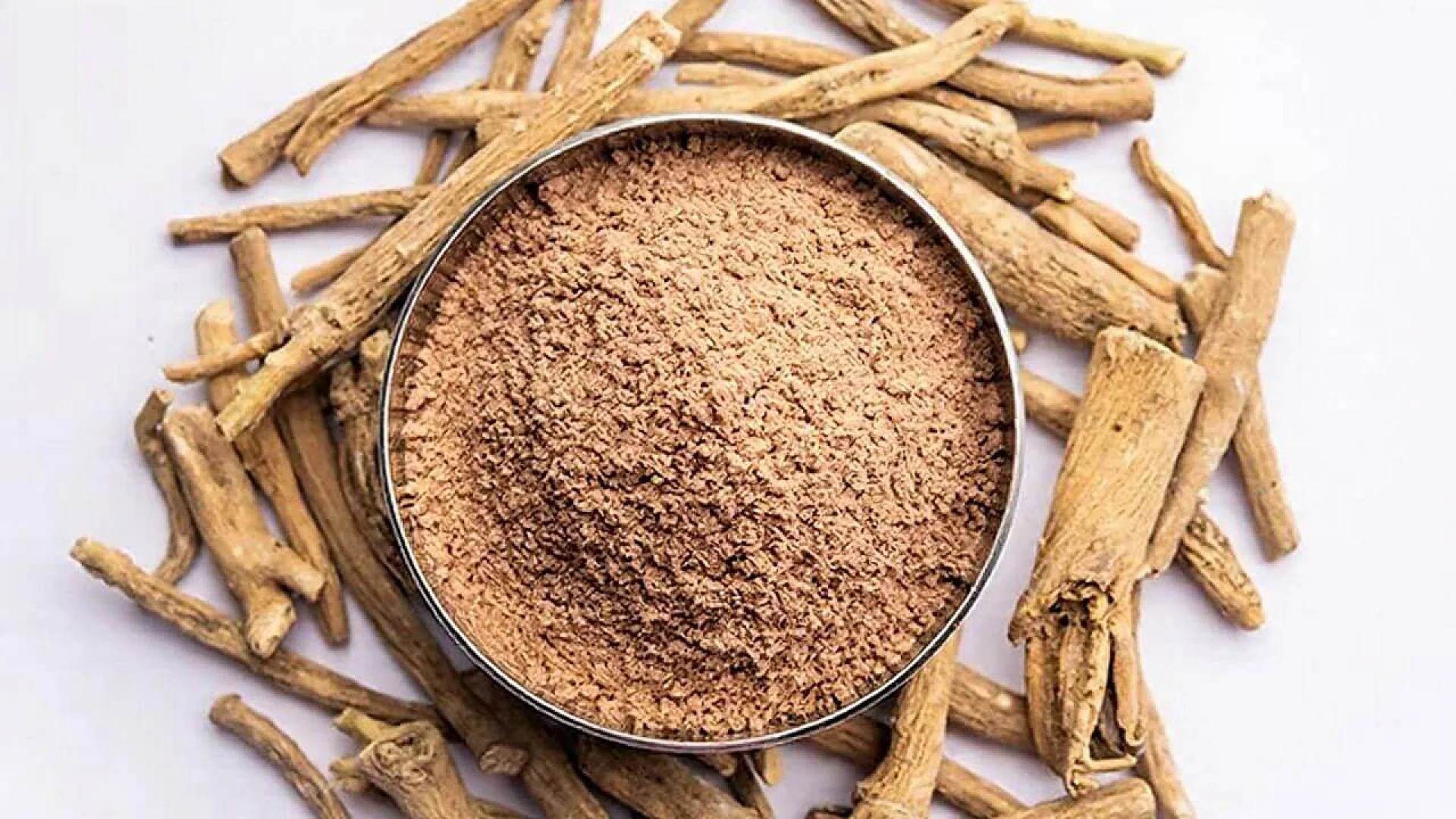
Ashwagandha is not new. It has been used in traditional Indian medicine for thousands of years. For most of that time, it stayed fairly local, passed down through generations as a powdered root, a tonic, or a home remedy.
Over the last few years, ashwagandha has exploded in global popularity. You see it in capsules. In gummies. In “calm” drinks. In sleep aids. Influencers talk about it. Celebrities mention it casually. The plant has become a symbol of modern wellness culture.
But behind all that buzz is a quiet scientific challenge.
The compounds believed to give ashwagandha its health effects are difficult to obtain. They come from the roots of the plant, and growing those plants takes time, land, and careful conditions. You have to grow the whole shrub just to get a small amount of the useful chemistry.
Now, scientists say they may have found a better way.
Instead of planting fields of ashwagandha, they taught yeast to make the same compounds inside a lab.
What Actually Makes Ashwagandha “Work”
Most of ashwagandha’s supposed benefits are linked to a group of chemicals called withanolides.
These are complex, steroid-like molecules produced naturally by the plant. Researchers believe withanolides play a role in reducing stress, easing anxiety, and possibly helping the body handle inflammation. That said, the science is still evolving, and not all claims are equally supported.
What is clear is this. Withanolides are not easy to get.
They are made slowly by the plant, mostly in the roots. Environmental factors matter a lot. Soil quality, climate, and plant genetics can all change how much of these compounds end up in the final product.
So even if two bottles say “ashwagandha,” they might not contain the same chemistry inside.
That inconsistency creates problems, not just for supplement makers, but also for scientists who want to study what these compounds really do.
Why Scientists Looked to Yeast
When researchers want to produce complex molecules at scale, they often turn to microbes.
Yeast, in particular, is a biotech favorite. It grows fast. It is easy to control. And scientists have decades of experience modifying it. Yeast already helps us make insulin, vaccines, enzymes, and even some flavors and fragrances.
The idea behind the new research was simple in theory, though difficult in practice.
If scientists could identify the exact genes that allow ashwagandha to make withanolides, maybe they could move those genes into yeast. Then the yeast would do the hard work instead of the plant.
To test this idea, the team first needed a genetic roadmap.
Cracking the Ashwagandha Code
The researchers began by sequencing the genome of the ashwagandha plant itself.
They were not looking for everything. They focused on gene clusters that seemed likely to be involved in making specialized molecules. After careful analysis, they identified six key genes.
Each of these genes produces an enzyme. Together, those enzymes form a step-by-step chemical pathway. Think of it like a small factory line inside the plant, where each enzyme modifies a molecule slightly until a withanolide is formed.
Once the scientists identified this pathway, they did something bold.
They inserted all six genes into the genome of yeast.
From an evolutionary point of view, this is wild. Yeast and plants split from a common ancestor about a billion years ago. They live very different lives. And yet, when the genes were added, the yeast cells started producing withanolides within just a few days.
Even the researchers were surprised it worked.
A Tiny Factory Comes to Life
The engineered yeast does not yet produce large amounts. Right now, the concentrations are small, measured in milligrams per liter. That is far from commercial scale.
But in science, this is a big deal.
It proves that the full biosynthetic pathway can function outside the plant. It shows that withanolide production does not require the entire biology of ashwagandha. Just the right genetic instructions.
In other words, the hardest step has already been crossed.
From here, scientists can begin optimizing the system. They can adjust growth conditions. They can fine-tune how strongly each gene is expressed. They can even redesign parts of the pathway to improve efficiency.
This is how many biotech breakthroughs begin. Small yields first, then gradual improvement.
Why This Could Change the Ashwagandha Industry
Ashwagandha farming is not going away anytime soon. But yeast-based production offers something different.
First, it offers consistency.
Microbial fermentation is tightly controlled. Every batch can be nearly identical. That matters when you want reliable doses and predictable effects.
Second, it reduces pressure on land and crops.
Instead of growing large fields of plants, production could happen in fermentation tanks. That saves water, space, and time. It also reduces dependence on seasonal harvests.
Third, it opens the door to precision.
Rather than extracting a mix of dozens of plant compounds, scientists could produce specific withanolides. Or even create slightly modified versions designed for safety or effectiveness.
A Reality Check on Health Claims
Ashwagandha is often marketed as a cure-all. Stress. Sleep. Energy. Fertility. Brain power.
The truth is more complicated.
Scientific evidence is strongest for its role in reducing stress and anxiety. Even then, results vary. Dosage matters. Preparation matters. Individual biology matters too.
There are also risks. Some people experience nausea or digestive issues. At higher doses, there have been reports of liver toxicity.
Other claimed benefits, like improved physical performance or cognitive enhancement, have weaker support and need more rigorous testing.
This is where yeast-produced withanolides could make a real difference.
With pure, well-defined compounds, researchers can finally test what works and what does not. No more guessing which part of the plant is responsible for which effect.
Why This Matters for Science and Medicine
This research is not just about supplements.
Once scientists control a biosynthetic pathway, they can start experimenting. They can tweak enzymes. They can create new versions of molecules that nature never made.
That is how many modern drugs are discovered.
The researchers behind the study point out that, in the future, scientists may not need to grow ashwagandha plants at all to study withanolides. They can simply engineer yeast to produce the exact compound they want, in the exact form they need.
That kind of control is powerful.
It turns a traditional herbal remedy into a platform for drug discovery.
Still Early, But Promising
Of course, this is not the final step.
Scaling up production takes time. Improving yields takes work. Regulatory approval, especially for medical use, is a long process.
But the foundation is solid.
The pathway has been identified. The genes work. The yeast produces the compounds.
That alone represents a major advance.
Many scientific breakthroughs start quietly, like this one. No flashy headlines. Just careful work that slowly changes what is possible.
From Ancient Roots to Modern Labs
Ashwagandha has traveled a long road. From ancient herbal texts to social media trends. From village remedies to global supplements.
Now, it is entering a new phase.
One where its most important compounds might be made not in soil, but in steel tanks. Not over months, but in days. Not with guesswork, but with precision.
Whether this leads to better supplements, safer products, or entirely new medicines remains to be seen.
But one thing is clear.
A plant that has shaped traditional medicine for centuries is now shaping the future of biotechnology.
The research was published in Nature Plants on January 30, 2026.
This content has been reviewed by subject-matter experts to ensure scientific accuracy. Learn more about us and our editorial process.
Last reviewed on .
Article history
- Latest version
Reference(s)
- Reynolds, Erin E.., et al. “Elucidation of gene clusters underlying withanolide biosynthesis in ashwagandha through yeast metabolic engineering.” Nature Plants, 30 January 2026, doi: 10.1038/s41477-026-02220-z. <https://www.nature.com/articles/s41477-026-02220-z>.
Cite this page:
- Posted by Hassan Raza