A Deadly Virus Is Quietly Spreading Through Buffalo Herds in Southern Iraq
A field study in Basrah, Iraq, reveals that more than half of tested buffalo carry malignant catarrhal fever, a severe viral disease linked to blindness, organ damage, and economic loss.
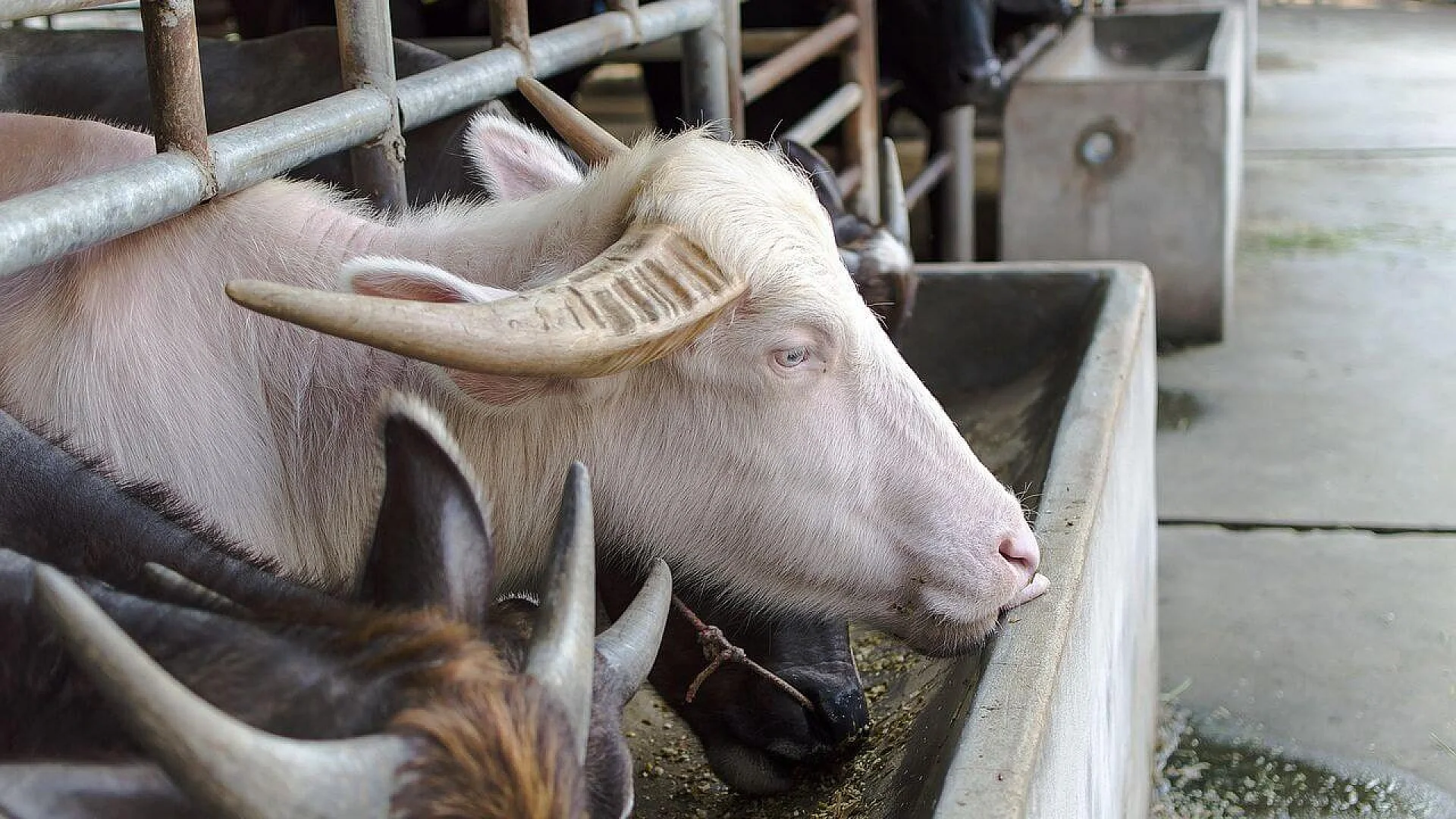
In the marshlands around Basrah, water buffalo are more than livestock. They are milk producers, income earners, and a daily presence in rural life, much like buffalo in Sindh’s river belts or Punjab’s floodplains.
Recently, however, farmers began noticing troubling signs. Animals stopped eating. Eyes turned red and cloudy. Milk yields dropped. Some buffalo weakened rapidly and died.
A new veterinary study now confirms what local vets suspected. A deadly viral disease called malignant catarrhal fever is widespread among buffalo in southern Iraq, circulating largely unnoticed.
A virus carried by healthy animals
Malignant catarrhal fever, or MCF, is caused by herpesviruses that quietly live inside sheep and goats. These carrier animals usually show no symptoms. They graze, mix with other livestock, and shed the virus intermittently.
When the virus crosses into susceptible animals like buffalo or cattle, the outcome is often severe.
The disease attacks the immune system and blood vessels, triggering inflammation across multiple organs. Fatality rates are high, and treatment options are limited.
Why Basrah became a hotspot
Basrah’s wetland ecosystems create ideal conditions for viral spillover. Buffalo, sheep, and goats often share grazing land and water sources. Close contact is unavoidable.
Veterinarians in the region began seeing repeated cases with the same pattern. Eye disease. Nasal discharge. Fever. Rapid decline.
To understand what was happening, researchers from the University of Basrah launched a systematic investigation.
What the researchers found
Between January and May 2025, the team examined 163 local buffalo showing signs consistent with MCF. Another 25 healthy animals were included as a control group.
After ruling out other infectious diseases, blood samples were tested using ELISA to detect antibodies against the MCF virus.
The results were striking.
More than 56 percent of suspected animals tested positive. None of the healthy controls showed exposure.
This level of infection suggests the virus is endemic in the region rather than appearing in isolated outbreaks.
Severe eye disease and rapid decline
All infected buffalo showed the acute head and eye form of malignant catarrhal fever.
Nearly all stopped eating. Many became depressed and isolated themselves from the herd. Eye inflammation was severe, often progressing to corneal opacity and partial or complete blindness.
Thick nasal discharge and mouth breathing were common. Inside the mouth, painful lesions made chewing and swallowing difficult, leading to excessive salivation and further weight loss.
Damage beyond what the eye can see
Blood tests revealed widespread internal damage.
White blood cell counts were sharply elevated, driven by excessive lymphocyte production. This reflects an overactive immune response, a hallmark of MCF.
Clotting abnormalities were also detected. Platelet counts dropped, clotting times increased, and the risk of internal bleeding rose.
Biochemical analysis showed low blood sugar, reduced protein levels, and markers of kidney, muscle, and liver stress. The disease was affecting the entire body, not just the eyes or respiratory tract.
Milk loss and economic strain
For farmers, the consequences were immediate.
More than half of lactating buffalo experienced a sharp drop in milk production. Some stopped producing milk entirely. Even animals that survived often failed to regain previous output.
In regions where families depend on daily milk sales, this loss translates directly into financial hardship, similar to what small dairy farmers face across South Asia.
Why the disease is hard to control
Malignant catarrhal fever does not spread efficiently from buffalo to buffalo. Instead, it continues spilling over from healthy carrier animals, mainly sheep and goats.
Diagnosis can also be difficult. Antibody tests may miss early infections, and some animals die before testing is possible.
Despite these challenges, the scale of infection in Basrah leaves little doubt about the threat.
A warning beyond southern Iraq
Although this study focused on Iraq, its implications extend far wider.
Across the Middle East and South Asia, mixed farming systems are common. Buffalo, cattle, sheep, and goats often live side by side, sharing space and water.
Without surveillance and awareness, diseases like malignant catarrhal fever can circulate quietly for years.
What can be done
The researchers emphasize practical steps. Reducing close contact between buffalo and carrier species where possible. Improving biosecurity. Training farmers and veterinarians to recognize early signs.
Vaccines remain limited, making prevention and management the most effective tools.
For now, the findings from Basrah serve as a clear warning. A long-known but underestimated virus is quietly reshaping livestock health, one herd at a time.
The research was published in Open Veterinary Journal on January 31, 2026.
This content has been reviewed by subject-matter experts to ensure scientific accuracy. Learn more about us and our editorial process.
Last reviewed on .
Article history
- Latest version
Reference(s)
- Atshan, Ali Y.., et al. “Investigation of the oculo-head form of malignant catarrhal fever in Basrah Buffaloes in Iraq.” Open Veterinary Journal, vol. 16, no. 1, 31 January 2026 Eldaghayes Publisher, doi: 10.5455/OVJ.2026.v16.i1.47. <https://doi.org/10.5455/OVJ.2026.v16.i1.47>.
Cite this page:
- Posted by Zara Tariq