Army’s New Fire‑Control Tech Takes Down Drones As Vehicles Race Forward
U.S. Army unveils a new fire‑control system that locks onto hostile drones and destroys them on the move, marking a breakthrough in battlefield defense.
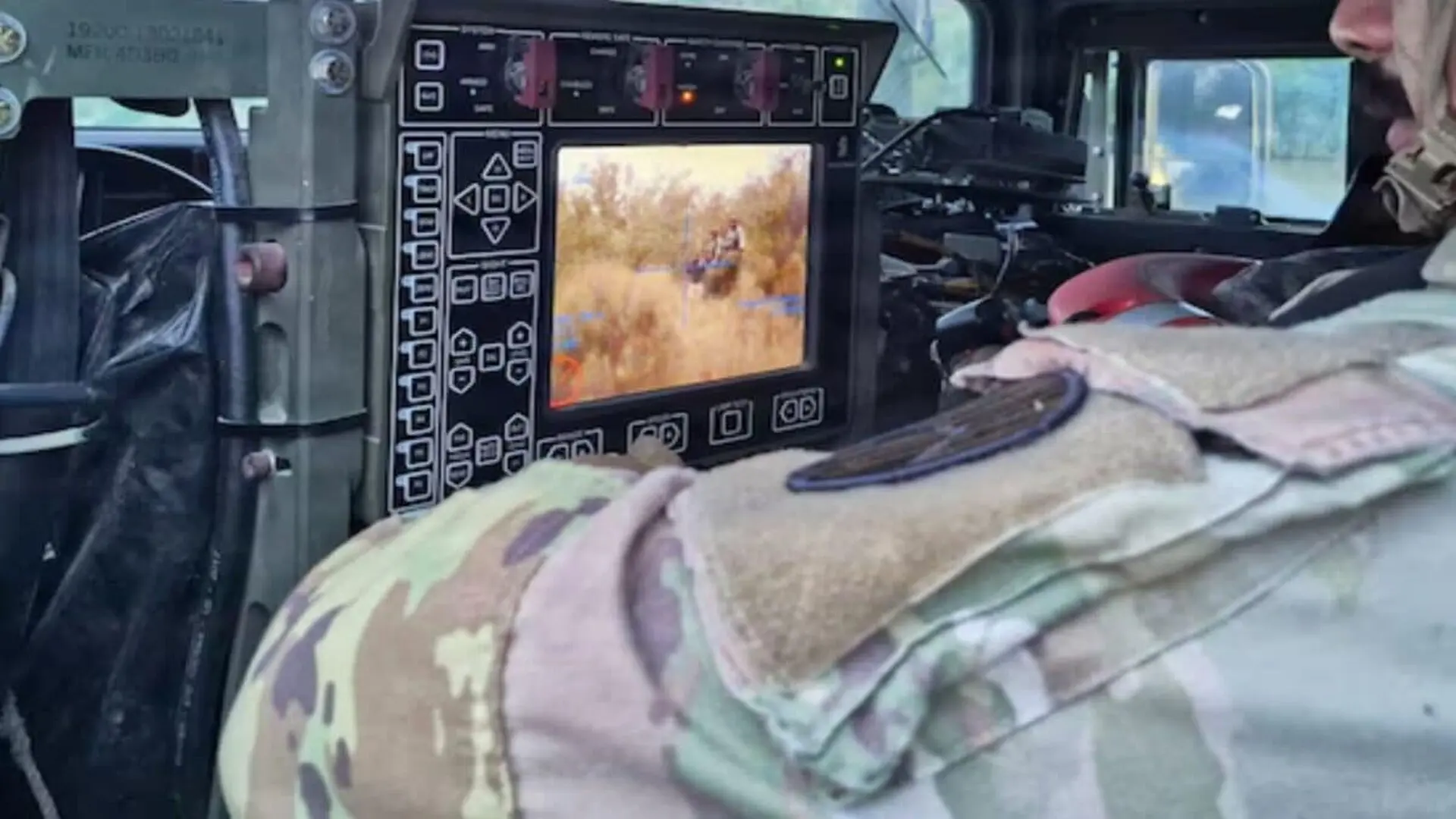
The U.S. Army demonstrated a new fire‑control system that lets moving vehicles spot, track and neutralize hostile drones without halting. The trial underscores the service’s push to match the growing influence of unmanned aerial platforms on the battlefield.
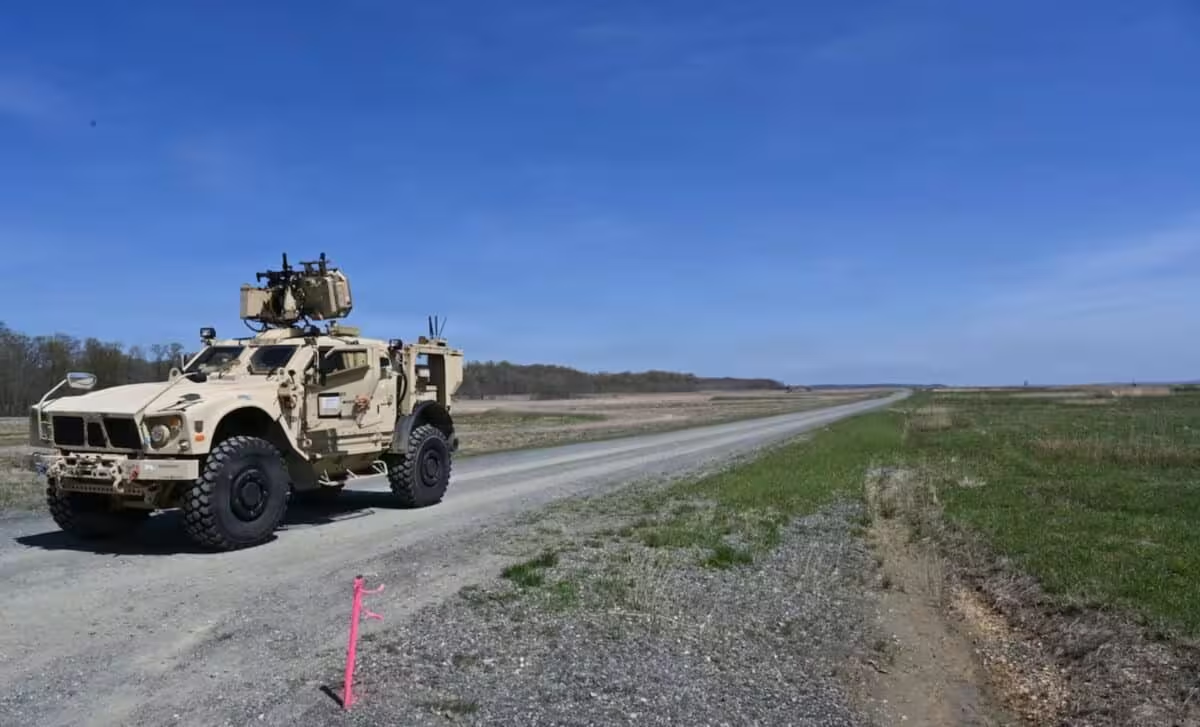
In April 2026, engineers conducted the evaluation at Aberdeen Proving Ground in Maryland, where the system successfully engaged several drone targets while the host vehicle stayed in motion. The outcome has spurred the Army to keep refining the capability for broader fielding.
Aircraft‑Derived Tech Reimagined for Ground Combat
DEVCOM’s Armaments Center, operating under its Science and Technology Integration Office, built the new capability by adapting an existing fire‑control suite called “Gunslinger” that was originally intended for the Future Attack Reconnaissance Aircraft program.
The reengineered Gunslinger now works with a Common Remotely Operated Weapon Station (CROWS) to fuse multiple sensor inputs and produce live targeting data, allowing weapons to stay locked on fast‑moving aerial threats even as the platform travels.
Project officer Nick Cascia explained that the effort sprang from senior leadership’s directive to confront the rising danger of small unmanned aerial systems. “It’s a great start to the effort,” Cascia said. “The [project] team has put considerable time and effort into developing our advanced fire control algorithms and preparing for this test. Once we started destroying drones, it showed the hard work was paying off.” initiative
Choosing to retrofit Gunslinger rather than design a brand‑new system reflects a broader Army aim for efficiency. By reusing software already validated in an aerial context, developers could concentrate on tailoring the targeting logic to the unique demands of ground‑based anti‑drone engagements.
Open‑Architecture Design Paves Way for Future Enhancements
The system’s modular, open‑system architecture means the software can be deployed across various Army platforms without a complete redesign of each vehicle. Subsequent upgrades can be added incrementally as the technology evolves.
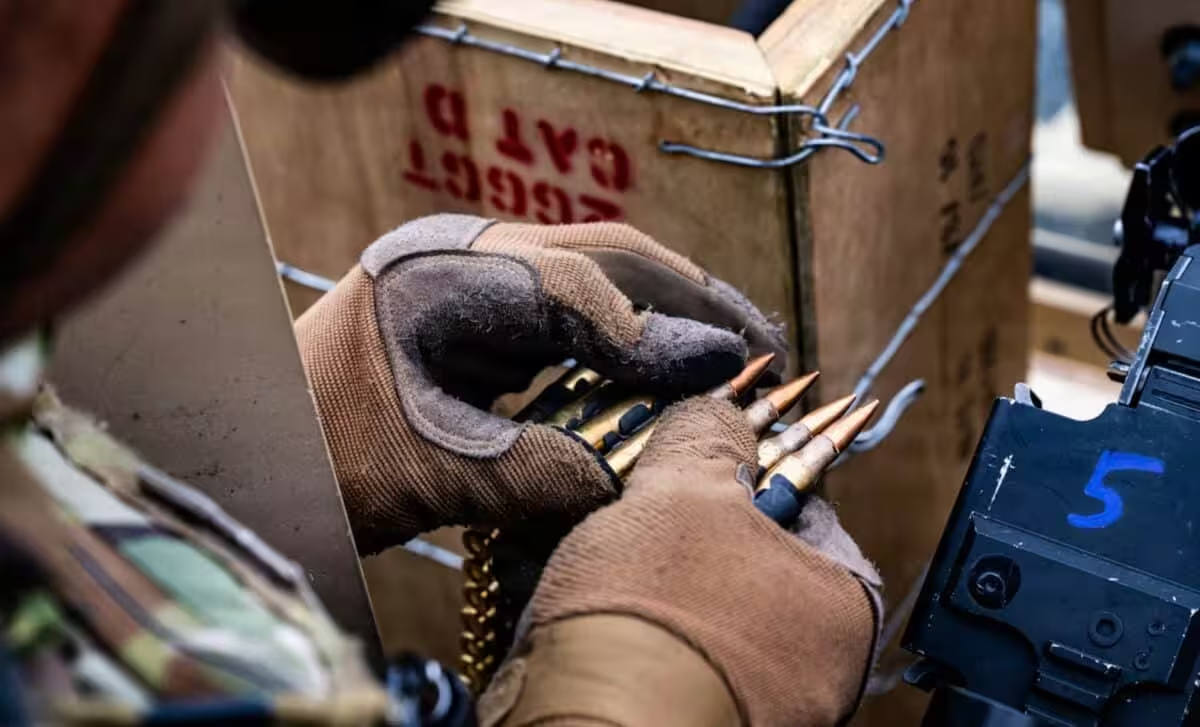
Greater software precision translates into a higher likelihood of a first‑shot kill, which in turn reduces ammunition consumption. With cheap commercial drones proliferating on contested terrain, the ability to engage them efficiently while preserving ammo stocks is a pressing operational need.
DEVCOM deputy project lead James Little noted that the April trials were encouraging and that upcoming tests will push both vehicle speed and drone velocity higher to more closely mimic combat conditions. The aim is to stress the system before committing it to wider integration.
The push comes amid a global scramble to counter the surge of unmanned systems. Drones that were once limited to hobbyists now perform reconnaissance, carry payloads and execute swarm tactics on modern battlefields. Military‑grade variants add further complexity to the threat landscape.
Conventional air‑defense assets were not designed to engage small, low‑altitude, low‑cost drones. Using missiles or aircraft to intercept them is often economically impractical. Mobile, ground‑based solutions that can engage targets while on the move, without exposing crews, offer a more viable operational answer.
The Army positions the counter‑UAS fire‑control effort as a layer within a broader air‑defense strategy that blends autonomous targeting, advanced sensor fusion and mobile engagement to address threats beyond the reach of legacy systems. Further testing will reveal how well the concept holds up under more demanding conditions as development proceeds.
This article has been fact checked for accuracy, with information verified against reputable sources. Learn more about us and our editorial process.
Last reviewed on .
Article history
- Latest version
Cite this page:
- Posted by Zara Tariq