Astronauts Capture First X‑Ray Images in Orbit Using Tiny Portable Device
A tiny device on a recent SpaceX flight finally achieves a breakthrough that scientists have chased for years.
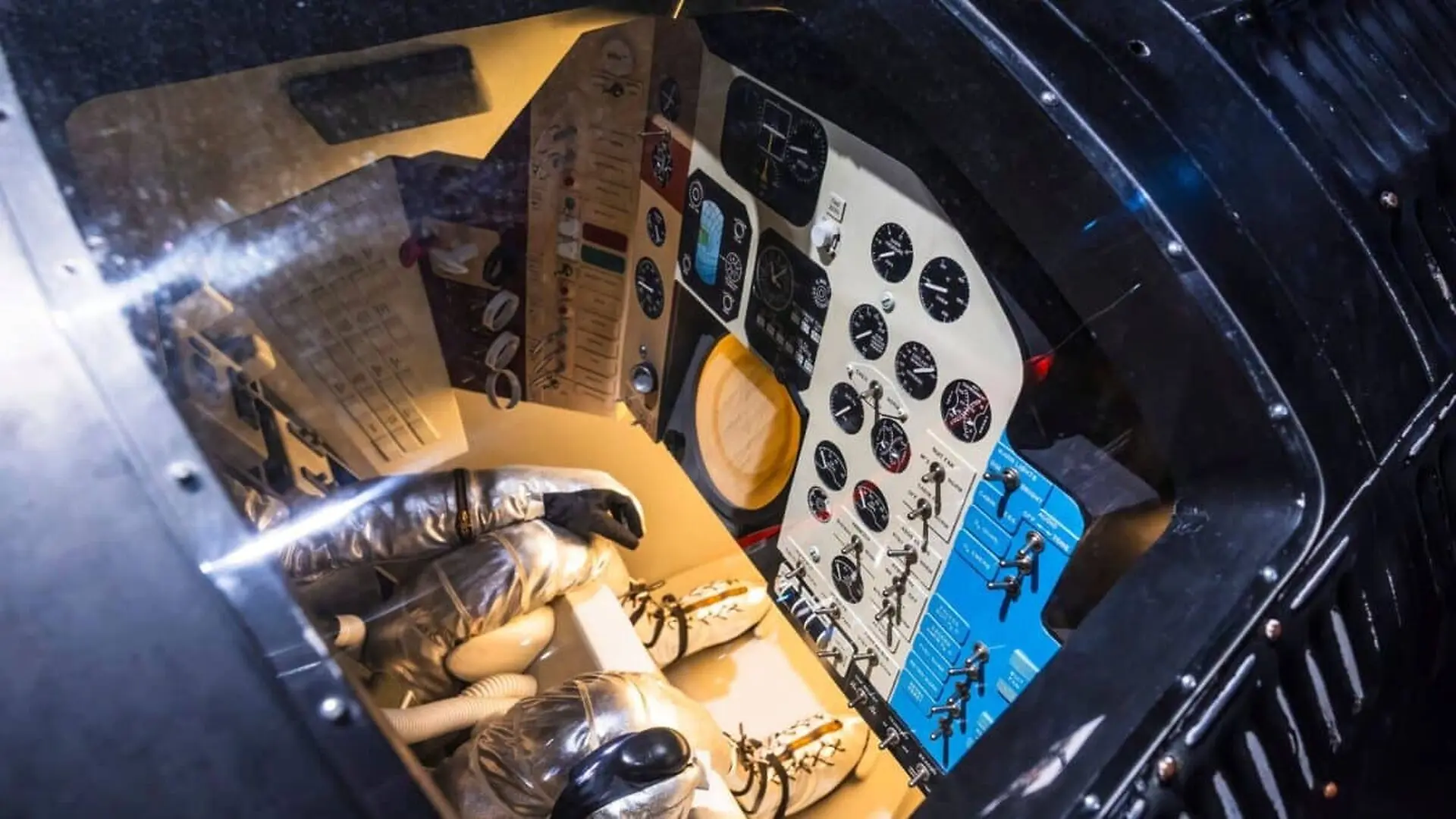
For decades, astronauts have relied almost exclusively on ultrasound for medical imaging in orbit, despite the technique’s operational challenges in the cramped, noisy environment of a spacecraft. A recent experiment has now demonstrated that a lightweight, digital X‑ray device can also function reliably in space.
Portable X‑ray System Tested Aboard SpaceX’s Fram2 Flight
During the Fram2 mission, which lifted off aboard a SpaceX Falcon 9 rocket on 31 March 2025, a crew of non‑medical specialists used a MinXray TR90BH system to obtain diagnostic images. The team completed a four‑hour pre‑flight tutorial, then recorded baseline scans of a hand, forearm, chest, abdomen and pelvis on Earth.
Once in orbit, the astronauts calibrated the unit, repeated the same anatomical series, and even captured an image of a smartwatch to evaluate the device’s versatility. The findings were later detailed in Radiology.
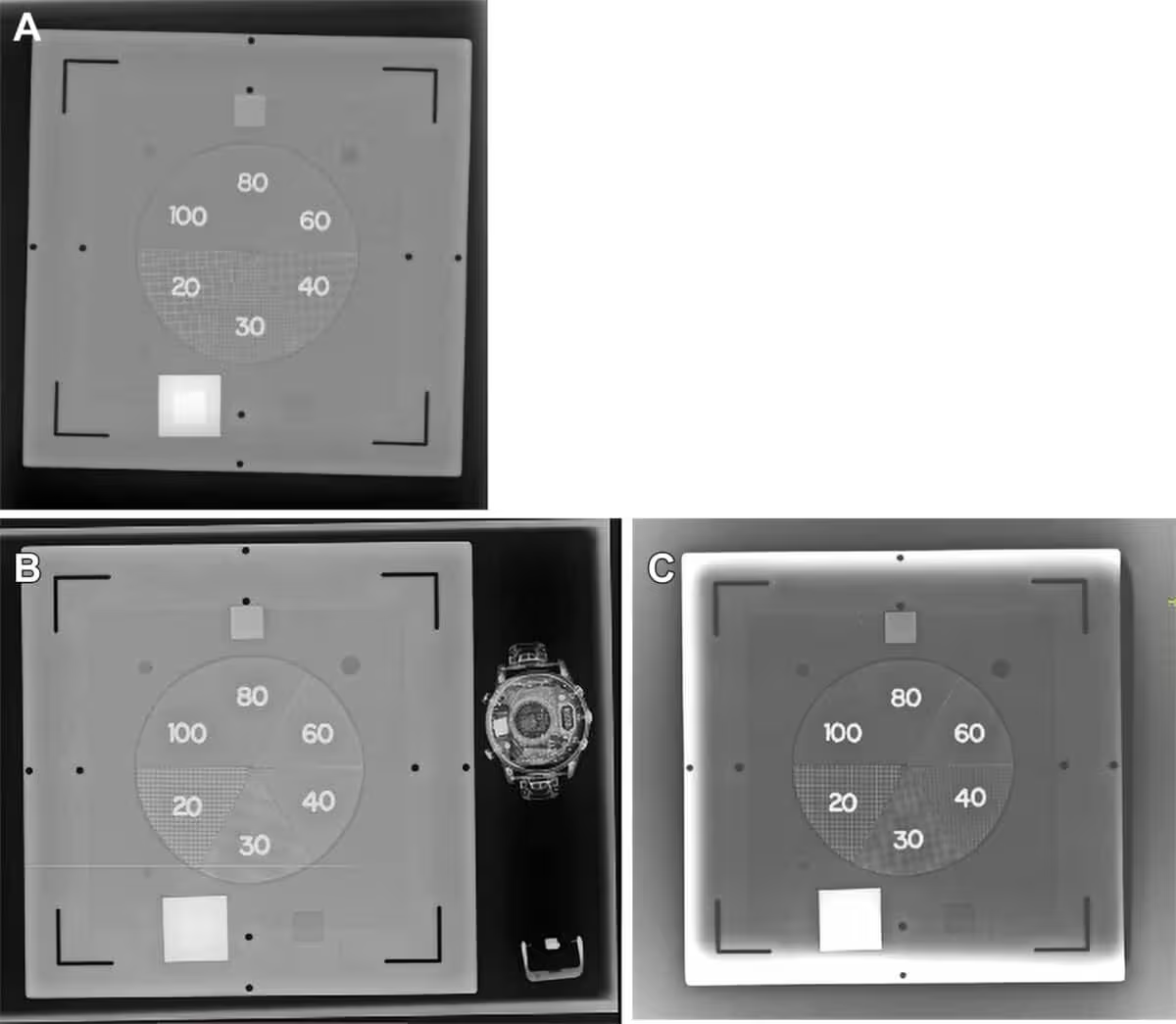
Astronauts Capture Diagnostic Scans in Microgravity
After the mission, three independent radiologists assessed the orbital images, focusing on positioning, sharpness, contrast and overall diagnostic value. Most scans matched the quality of ground‑based counterparts; only the central‑body series showed a modest drop in positioning scores.
The crew reported that operating the X‑ray unit was straightforward despite the limited training window, confirming that non‑clinicians can acquire medically useful radiographs in space.
“Acquiring diagnostically useful X-rays in space is something that anyone can do,”Sheyna Gifford, a researcher at the Mayo Clinic,said. She explained that three nonmedical crew members managed to perform the procedure after only four hours of training.
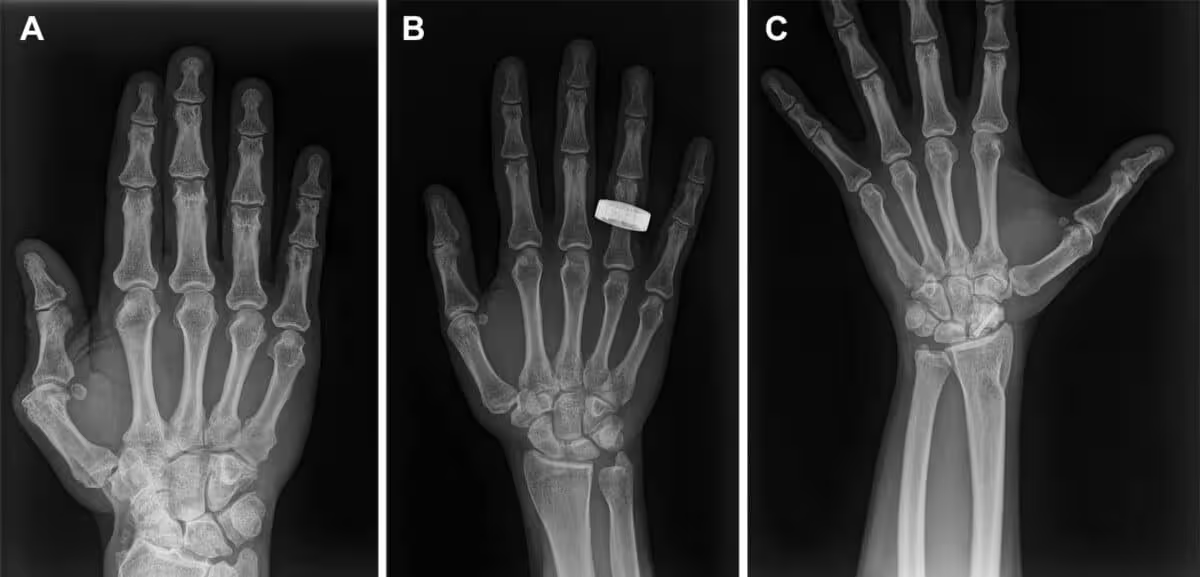
Future Role of Space‑borne X‑ray Imaging
Beyond astronaut health monitoring, researchers envision using compact X‑ray units to inspect spacecraft components, electronic hardware and spacesuits without disassembly. As Gifford noted, “The only way to look inside these objects without taking them apart is to X‑ray them.”
The Fram2 flight also highlighted engineering hurdles: the portable system sustained minor external damage during launch and landing, indicating that further ruggedization will be required for routine deployment.

This article has been fact checked for accuracy, with information verified against reputable sources. Learn more about us and our editorial process.
Last reviewed on .
Article history
- Latest version
Reference(s)
- “TR90BH | MinXray; Battery-Powered Portable X-ray Generator.” MinXray <https://www.minxray.com/tr90bh>.
- Gifford, Sheyna E.., et al. “SpaceXray: Feasibility and Diagnostic Capabilities of On-Orbit Medical Radiography.” Radiology, vol. 320, no. 1, July 1, 2026 Radiological Society of North America (RSNA), doi: 10.1148/radiol.260258. <https://pubs.rsna.org/doi/10.1148/radiol.260258>.
Cite this page:
- Posted by Zara Tariq