Egyptian Princesses’ Bones Show They Trained In Combat
New bone analysis of Egyptian princesses uncovers how they lived and endured, challenging the view that their accompanying weapons were merely symbolic.
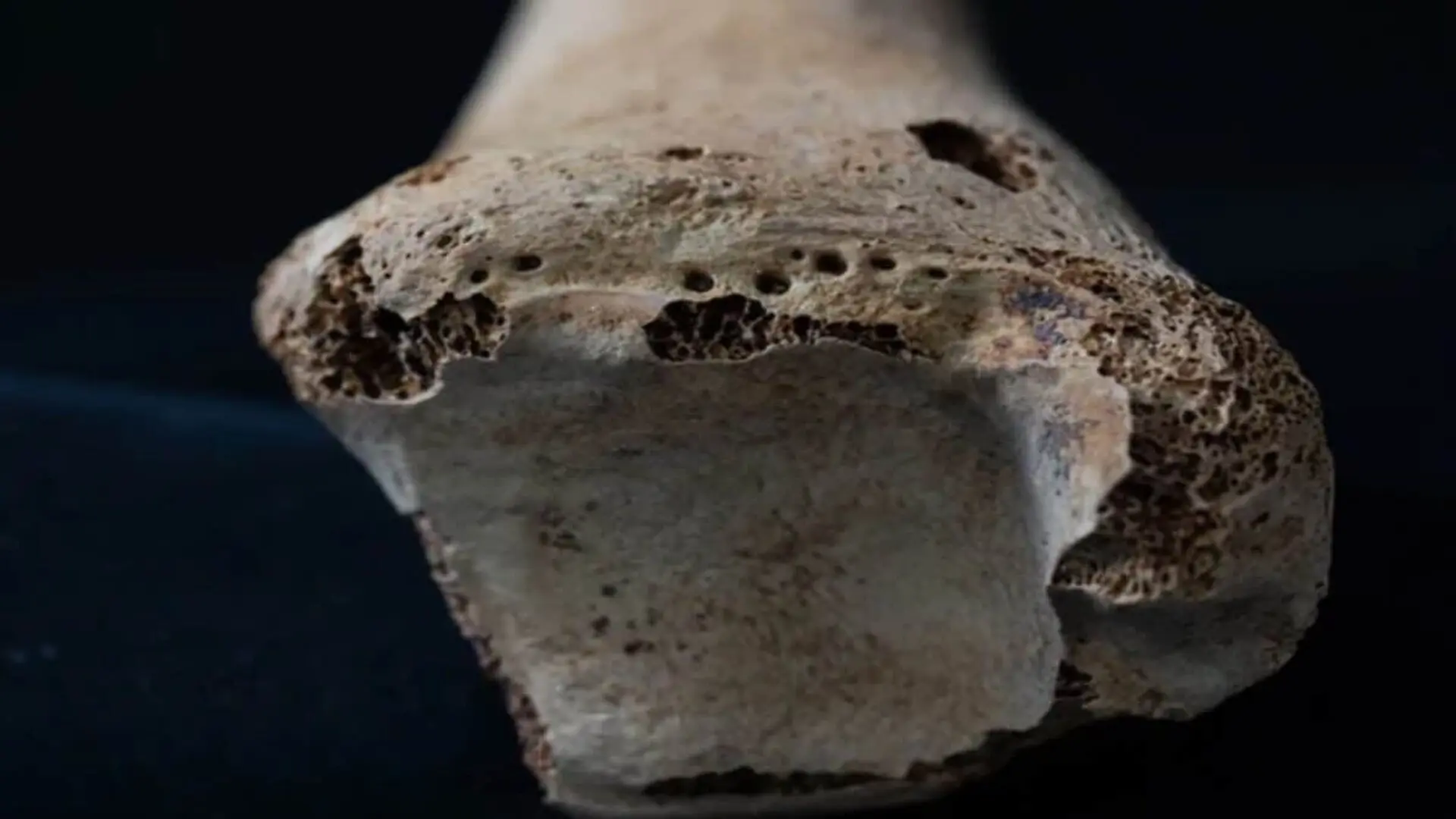
A recent bioarchaeological analysis of six royal skeletons from Dahshur has demonstrated that elite Egyptian women not only accompanied weapons in their tombs but also used them, challenging long‑standing assumptions about their roles.
The bones belong to four sisters—daughters of Pharaoh Amenemhat II—a lone princess and a king, all dating to roughly 3,700 years ago. After their initial discovery in the 1890s, the remains were boxed, misplaced in the Egyptian Museum and remained out of scholarly view until their rediscovery in 2020.
Skeletal Indicators Reveal Repeated Weapon Use
Published in Frontiers in Environmental Archaeology, the study focused on muscle‑attachment sites and found pronounced development consistent with repetitive, high‑intensity actions such as drawing a bow or gripping a blade. Princess Ita, who died between ages 28 and 34, displayed especially robust upper‑body markers suggestive of regular dagger or mace handling. Princess Khenmet, in her late thirties or forties, showed strong ligament attachments despite some bone thinning, while Princess Itaweret’s remains bore healed rib fractures and foot injuries typical of an experienced archer.
Lead researcher Dr. Zeinab Hashesh of Beni‑Suef University noted that these injuries likely stemmed from falls or impacts tied to an active lifestyle that included hunting or military drills. The bone wear patterns matched the weapons interred with each woman, undermining the view that such items were purely symbolic.
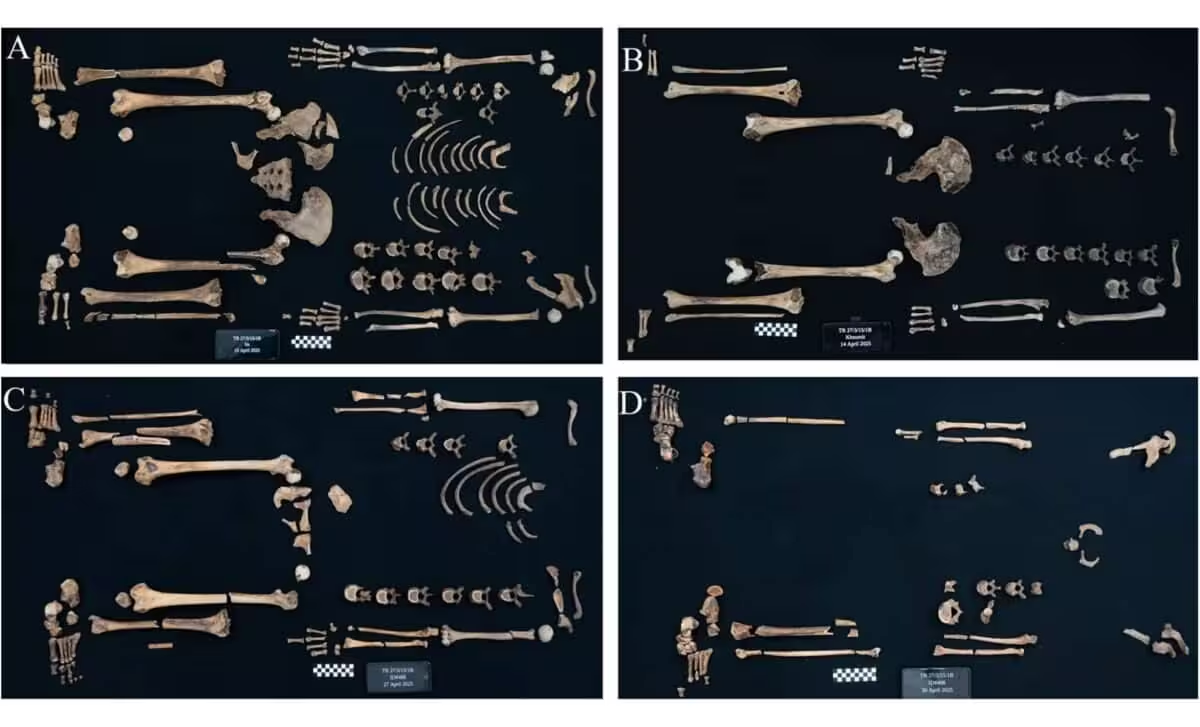
Rethinking Elite Women’s Place in Ancient Egypt
These results dispute the conventional picture of high‑status Egyptian women as passive, decorative figures. Instead, the data suggest that the princesses underwent combat‑type training comparable to that of their male relatives, at least in ritual or hunting scenarios, and that such physical discipline held spiritual significance.
Hashesh explained that the women bore the title “mesu‑nisut” (King’s Children), positioning them as active participants in funerary rites intended to ensure the king’s rebirth. Their conditioning may have reflected a belief that a well‑trained body could better navigate the afterlife, integrating martial skill into a broader religious context rather than contradicting gender expectations.
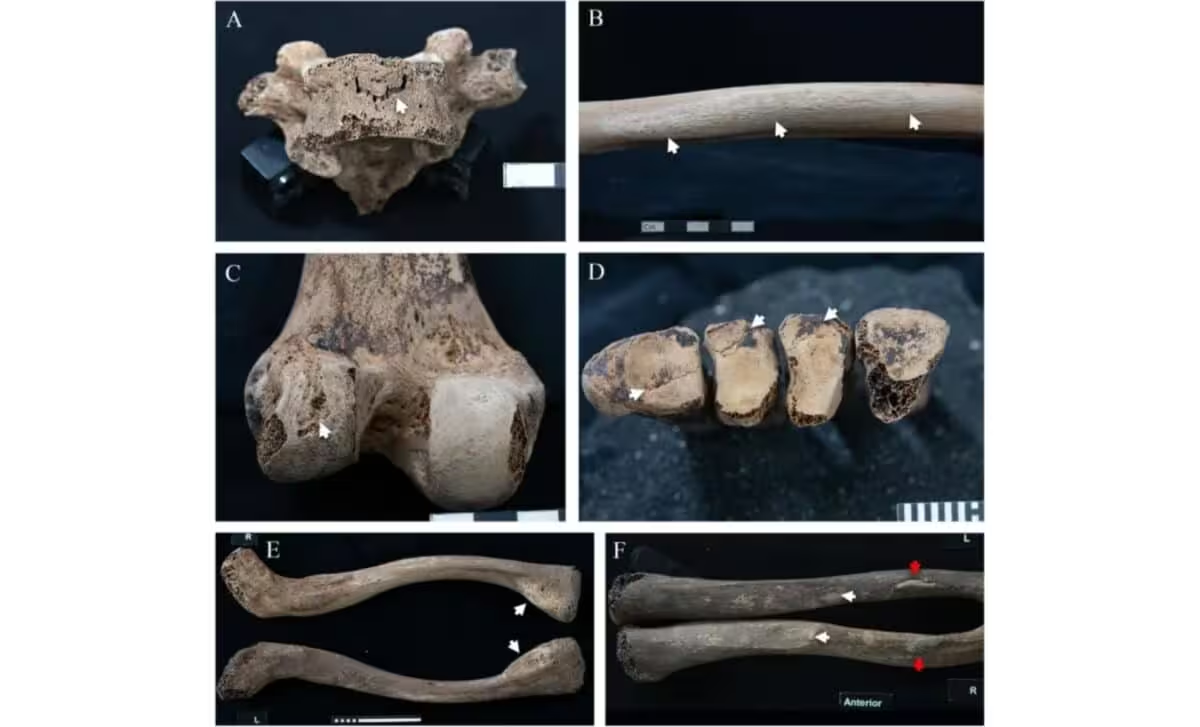
The study’s scope was limited by the loss of the skulls, which were dispatched to the Cairo School of Medicine in 1906 and never returned. Consequently, researchers relied on muscle‑attachment analysis and skeletal trauma to infer the individuals’ physical profiles. Hashesh described revisiting the bones after more than a century as both a scientific and emotional undertaking, offering what she termed a sense of historical justice for these long‑neglected women.
Beyond identifying the skeletons, the team aims to reconstruct comprehensive biographies for the Dahshur royals, detailing health, family connections and political influence, while advocating for ethical display of their remains. While the jewelry and weapons have long attracted archaeological attention for their craftsmanship, this research finally foregrounds the people who once wielded them.
This article has been fact checked for accuracy, with information verified against reputable sources. Learn more about us and our editorial process.
Last reviewed on .
Article history
- Latest version
Cite this page:
- Posted by Zara Tariq