Mediterranean Herb Leaves Converted Into Glowing Antibacterial Nanodots
Scientists transform olive, rosemary, sage, and thyme waste into tiny fluorescent particles that inhibit drug-resistant bacteria in laboratory tests.
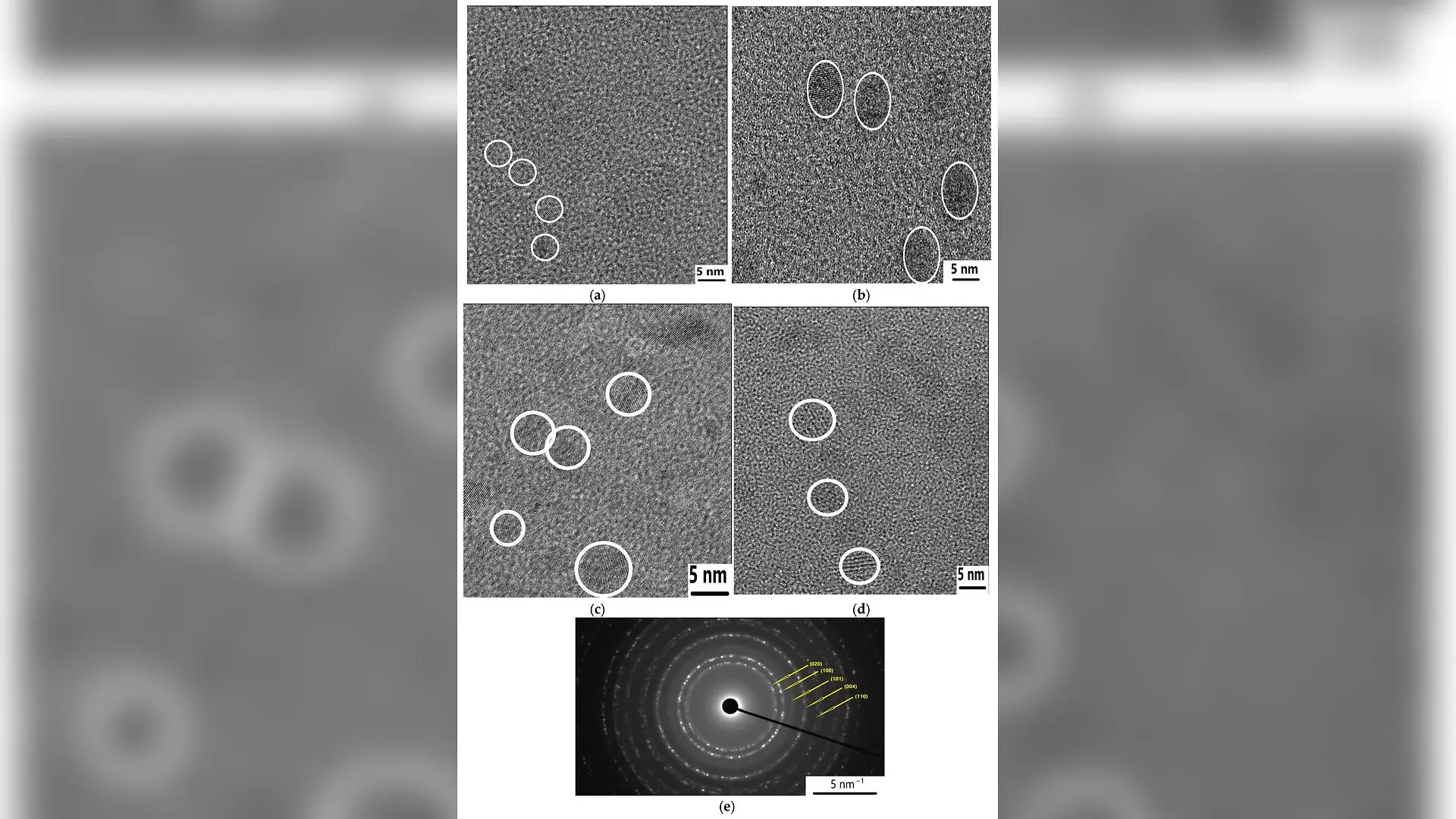
Plant leaves from common Mediterranean herbs and trees can be converted into tiny glowing particles that inhibit dangerous bacteria in laboratory tests. Researchers developed a single-step heat treatment method to transform green waste from olive, rosemary, sage, and thyme plants into water-dispersible carbon dots, which are carbon-based nanomaterials smaller than 10 nanometers. These tiny structures combine bright blue fluorescence with measurable antibacterial properties, offering a sustainable new avenue for fighting resistant pathogens.
How Plant Waste Becomes Fluorescent Nanomaterials
To produce the carbon dots, the research team washed and dried leaves before mixing them with distilled water inside a sealed Teflon-lined hydrothermal reactor. The mixture was heated to 180 degrees Celsius for 12 hours, breaking down the complex biological compounds into uniform nanostructures without adding any chemical passivating agents. After cooling, the liquid mixture underwent filtration, centrifugation, and freeze-drying to isolate the purified carbon dots. Detailed findings from this laboratory investigation were published in Nanomaterials.
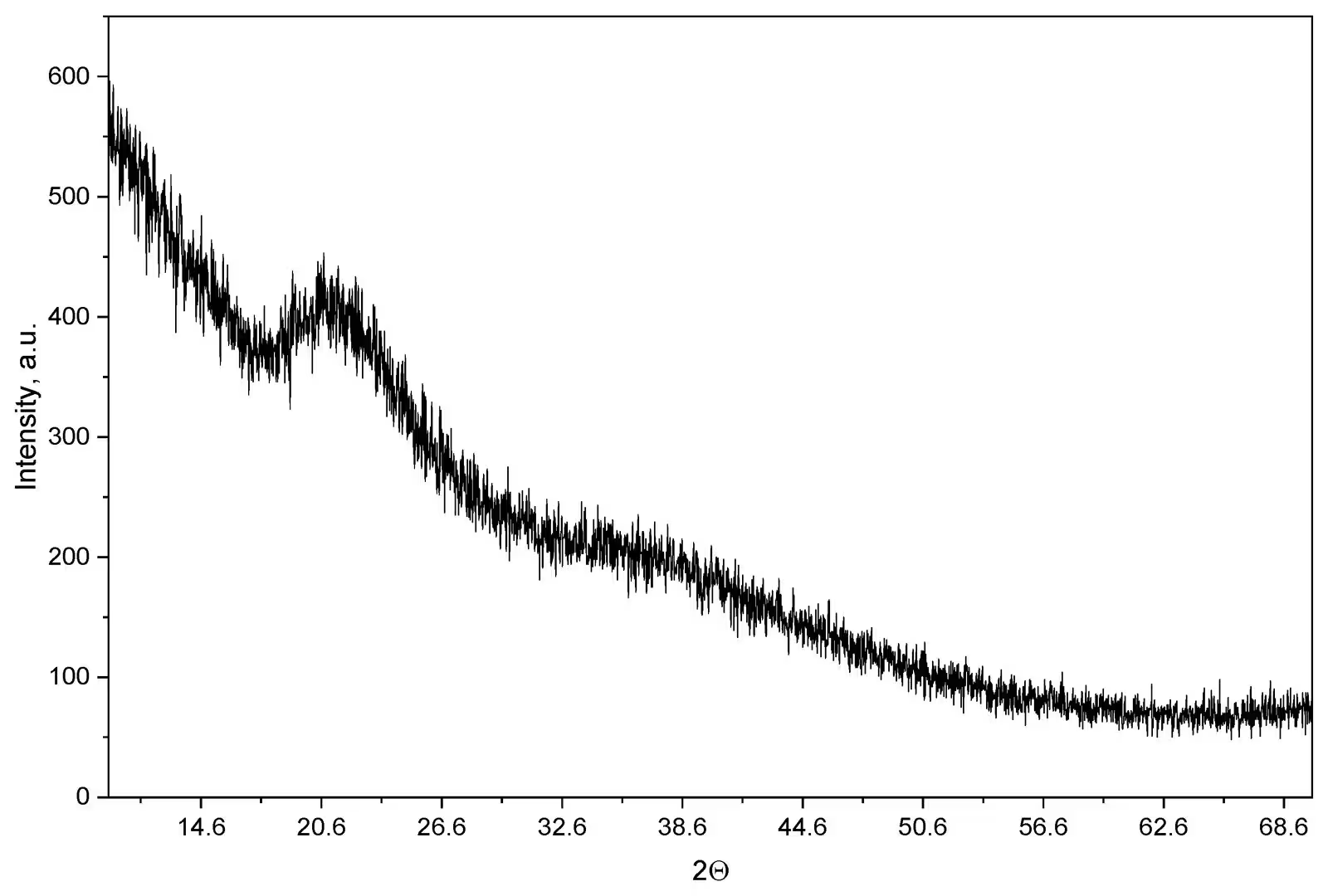
High-resolution transmission electron microscopy revealed that all four plant-derived carbon materials formed predominantly spherical shapes with average diameters ranging between 3 and 6 nanometers. Rosemary yielded the largest average particle size, while thyme and olive leaves produced slightly smaller nanoparticles. Spectroscopic analysis confirmed that the particles contained disordered graphitic-like carbon cores enriched with surface hydroxyl and nitrogen-containing functional groups.
Optical Behavior and Antibacterial Performance
Under ultraviolet light, aqueous solutions of the carbon dots exhibited bright blue fluorescence with emission peaks between 400 and 440 nanometers when excited at specific wavelengths. Fluorescence lifetime measurements showed average decay times of approximately 5 nanometers across all samples, indicating that the core luminous behavior remains similar regardless of the starting plant material. However, the surface chemistry inherited from the distinct phytochemical profiles of the leaves influenced their interactions with microbes.
The antibacterial evaluation tested the carbon dots against a panel of Gram-positive and Gram-negative bacteria, including drug-resistant strains. Gram-positive species such as Staphylococcus aureus and methicillin-resistant Staphylococcus aureus proved most vulnerable, showing inhibition at concentrations between 0.625 and 1.25 milligrams per milliliter. Gram-negative bacteria and multidrug-resistant strains like Escherichia coli and Klebsiella pneumoniae required higher concentrations between 10 and 20 milligrams per milliliter, likely due to the protective outer membrane barrier typical of those organisms.
Limitations and Future Sustainable Applications
While the results confirm that biomass-derived nanomaterials possess dual fluorescent and antimicrobial activities, the exact molecular mechanisms driving bacterial inhibition remain under investigation. The researchers note that variations in precursor composition can lead to differences in surface reactivity, which requires careful standardization before scale-up. Future developments could see these plant-based carbon dots integrated into protective coatings, medical textiles, and food packaging materials to simultaneously monitor contamination and prevent bacterial growth.
The research was published in Nanomaterials (Basel, Switzerland) on October 20, 2026.
This article has been fact checked for accuracy, with information verified against reputable sources. Learn more about us and our editorial process.
Last reviewed on .
Article history
- Latest version
Reference(s)
- Dudchenko, Nataliia., et al. “Hydrothermal Synthesis of Water-Dispersible Fluorescent Carbon Dots from Renewable Plant Precursors: Antibacterial Activity and Comparative Characterization.” Nanomaterials, vol. 16, no. 20, October 20, 2026, pp. 1328 MDPI AG, doi: 10.3390/nano16201328. <https://doi.org/10.3390/nano16201328>.
Cite this page:
- Posted by Robert Brown