Plant-Grown Vaccine Particles Offer Needle-Free Protection Without Refrigeration
Engineering fast-growing crops to produce non-infectious viral mimics could soon eliminate cold chain limits and speed up pandemic responses.
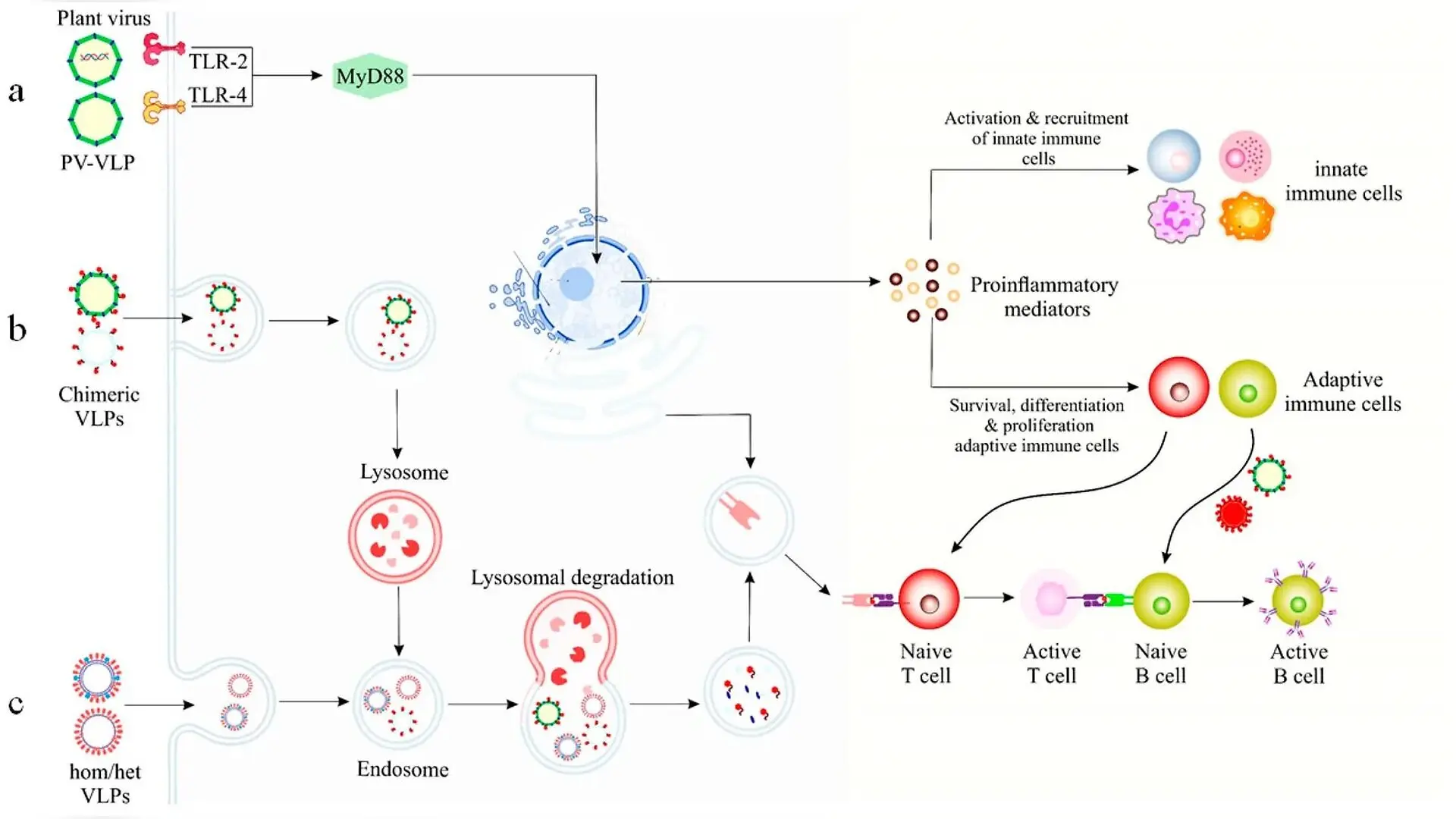
Plant-grown vaccine prototypes could soon transform how the world fights fast-moving viral outbreaks, offering needle-free protection that bypasses traditional cold storage limits. Researchers are increasingly turning to crops like tobacco relative Nicotiana benthamiana and lettuce to manufacture complex viral mimics without the high costs and supply bottlenecks of conventional egg-based manufacturing.
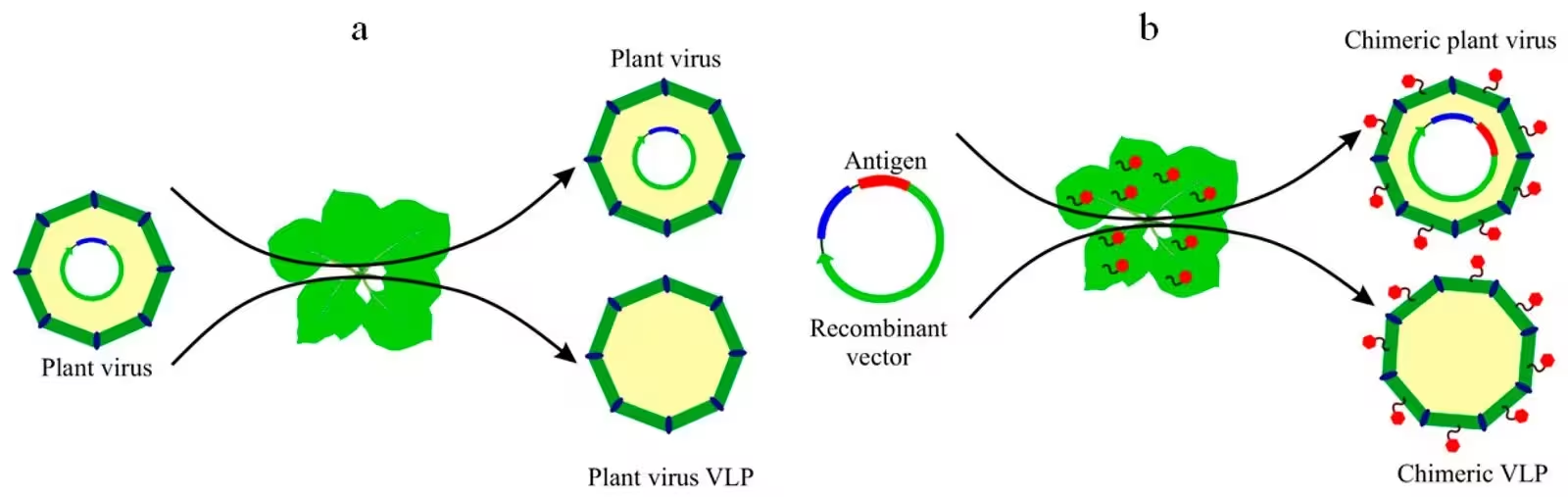
Traditional vaccine production relies heavily on chicken eggs or mammalian cell cultures, a rigid framework that can take up to six months to scale up during a sudden pandemic. In contrast, plant molecular farming utilizes fast-growing vegetation as living biofactories to synthesize medical proteins in a matter of weeks. By inserting specific genetic sequences into host leaves via bacterial infiltration, scientists can prompt plant cells to assemble virus-like particles that look and act like real pathogens to the human immune system while remaining completely non-infectious.
How Plant Biofactories Assemble Virus Mimics
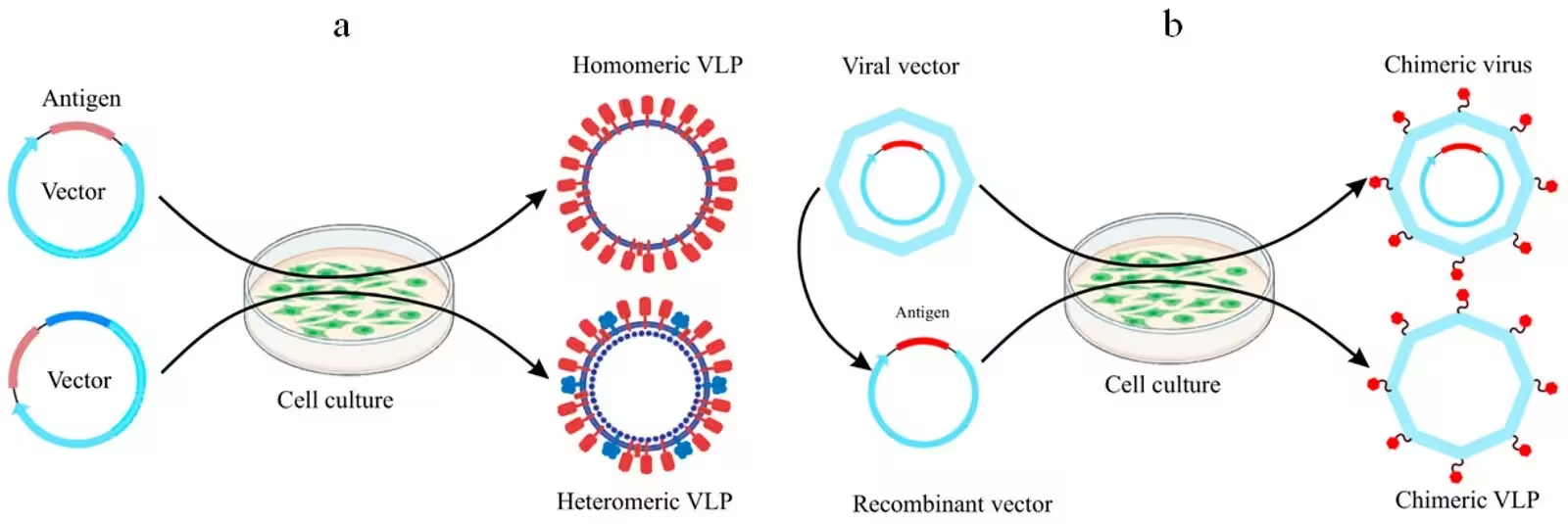
The core innovation behind plant-made vaccines relies on structures known as virus-like particles, which mimic the outer shell of viruses like influenza or hepatitis without carrying any disease-causing genetic material. Because these particles display repetitive surface proteins, they naturally trigger strong immune responses without requiring toxic chemical additives or synthetic boosters known as adjuvants. The recent research was published in Vaccines, outlining how plant systems successfully manufacture complex antigens for both human and animal pathogens.
Scientists have successfully engineered plants to produce structural proteins for influenza, hepatitis B, hepatitis C, and hepatitis E viruses. When these proteins accumulate inside plant cells, they spontaneously fold into authentic shapes. In some cases, researchers use plant viruses, such as tobacco mosaic virus or cowpea mosaic virus, as physical scaffolds to display foreign viral loops on their surfaces, creating powerful chimeric nanoparticles.
Overcoming Cold Chain Limits With Edible Plant Tissues
One of the most exciting advantages of plant-based VLP technology is stability, which could drastically simplify distribution in resource-poor regions lacking reliable refrigeration. Natural seed desiccation and tough plant cell walls serve as a protective shield, encasing fragile antigens and guarding them against heat and stomach acids. For instance, studies on transgenic rice and maize seeds have shown that specific antigens can remain stable at ambient room temperatures for up to a full year.
This natural encapsulation opens the door for oral or edible vaccines delivered as powders or capsules. When ingested, these plant tissues protect the vaccine through the harsh acidic environment of the stomach before releasing the antigen directly into the gut to stimulate mucosal immunity. Such needle-free administration could dramatically improve global vaccination rates by lowering healthcare costs and removing the logistical nightmare of maintaining ultra-low temperature cold chains.
Overcoming Technical Hurdles and Yield Bottlenecks
Despite their massive potential, plant-made biologics still face several hurdles before becoming widespread commercial products. Low and variable protein yields inside plant tissues often complicate downstream purification, while certain host plants like tobacco contain toxic alkaloids and phenolics that make extraction difficult. Researchers frequently prefer alternative crops like lettuce for edible formulations because they contain far fewer secondary metabolites.
Another major obstacle involves molecular differences between plant and animal cells regarding protein decoration, specifically a process called glycosylation. If plant-expressed therapeutics carry improper sugar molecules, human immune cells may clear the treatment from the bloodstream too quickly or trigger unwanted allergic hypersensitivity. Scientists are actively developing humanized plant lines to ensure that plant-derived vaccines match the exact molecular profile required for human clinical success.
Regulatory Roadblocks and the Path Forward
Regulatory frameworks also pose unique challenges for plant molecular farming because growing recombinant pharmaceutical crops introduces environmental containment concerns. Agencies like the Food and Drug Administration focus heavily on manufacturing purity, while agricultural and environmental authorities enforce strict oversight to prevent genetically modified pharmaceutical material from entering the standard food chain. Even with these regulatory safeguards, the successful advancement of plant-derived flu vaccines into late-stage clinical trials suggests that large-scale agricultural biomanufacturing is moving steadily closer to everyday medical reality.
The research was published in Vaccines on October 20, 2026.
This article has been fact checked for accuracy, with information verified against reputable sources. Learn more about us and our editorial process.
Last reviewed on .
Article history
- Latest version
Reference(s)
- Shahgolzari, Mehdi., et al. “Plant-Based Virus-like Particle (VLP) Vaccines Against Influenza and Hepatitis Viruses.” Vaccines, vol. 14, no. 10, October 20, 2026, pp. 912 MDPI AG, doi: 10.3390/vaccines14100912. <https://doi.org/10.3390/vaccines14100912>.
Cite this page:
- Posted by Robert Brown