China’s Landspace Targets August 10 for Historic Reusable Rocket Launch and Landing Test
Landspace readies a groundbreaking reusable rocket test, poised to boost China’s commercial space sector.
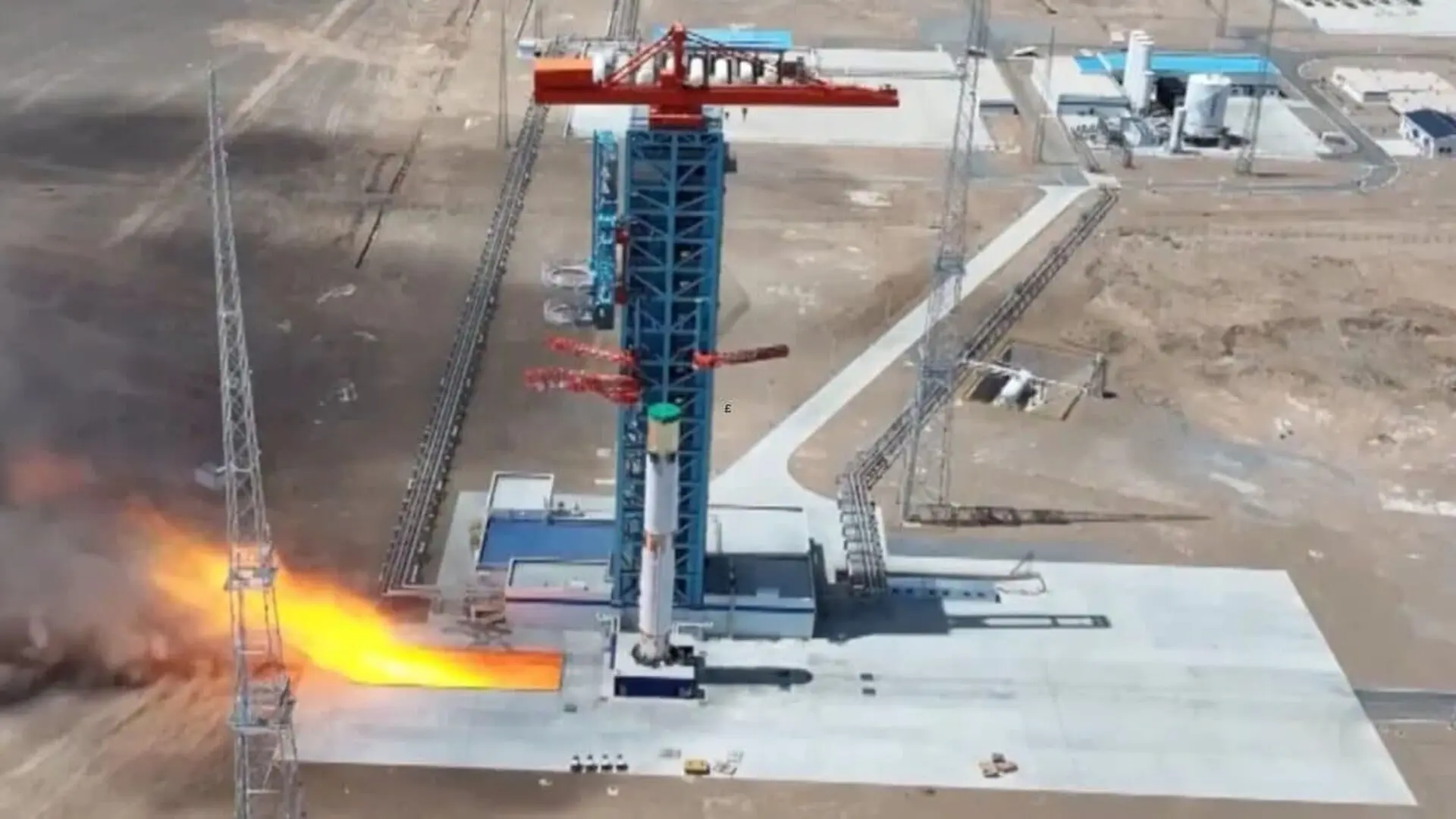
China’s burgeoning private‑space sector is on the cusp of a pivotal trial that could reshape how rockets are reused. The upcoming flight, aimed at both launching and safely returning a vehicle, is set to demonstrate the practicality of re‑entering and landing a Chinese launch‑stage, a capability that has so far been limited to a handful of firms worldwide.
Why Reusability Is Redrawing the Space‑Launch Landscape
Across the globe, commercial operators are racing to cut launch expenses by engineering rockets that can be recovered and flown again. The promise of lower ticket prices and quicker turnaround times is driving a wave of design innovations that could make access to orbit more routine for satellite constellations, scientific payloads, and future exploration missions.
Landspace’s Ambitious Timeline and Technical Targets
The Beijing‑based startup has announced an August 10 window for a combined launch‑and‑landing attempt, positioning the event as a milestone for its reusable‑rocket program. The plan hinges on a suite of tightly synchronized subsystems—engine throttling, guidance algorithms, aerodynamic control surfaces, and autonomous landing sequences—that must all perform within narrow tolerances to achieve a clean recovery.
In preparation, engineers have been rigorously evaluating the vehicle’s propulsion, navigation, and recovery hardware. Recent ground‑based campaigns, including a static‑fire trial of the ZhuQue‑3 Y2 stage at the Dongfeng Commercial Space Innovation Pilot Zone, have supplied critical performance data and affirmed the reliability of key components.
UPDATE | ZhuQue-3 Y2 Reusable Launch Vehicle Completed Static Fire Test
— LandSpace (@LandSpace_Tech) June 29, 2026
On June 29, 2026, LandSpace’s ZhuQue-3 Y2 reusable launch vehicle successfully completed a static fire test at the Dongfeng Commercial Space Innovation Pilot Zone.
The test comprehensively verified the… pic.twitter.com/G9EzZbnyqB
Following the static‑fire, the company shared a statement on X confirming that “all systems operated normally, and test data and results met expectations, validating the correctness and coordination of system operations and laying a solid foundation for upcoming flight missions.” This endorsement underscores confidence that the vehicle can survive the harsh environment of launch, re‑entry, and touchdown.
Implications for China’s Commercial Launch Market
If the August flight succeeds, Landspace will join an exclusive roster of enterprises that have demonstrated a fully reusable launch system, strengthening its foothold in a market increasingly open to private participants. The achievement would also illustrate how Chinese firms are contributing to a broader shift toward cost‑effective, high‑frequency access to space.
China’s government has poured substantial resources into launch vehicle development, spacecraft manufacturing, and orbital infrastructure, encouraging companies like Landspace to compete alongside established international players. A victorious reusable‑rocket test could accelerate the nation’s transition from a launch‑service provider to a hub of commercial space innovation.
The international aerospace community will be watching closely, assessing the performance of the ZhuQue‑3 Y2 and gauging the potential ripple effects for future global collaborations and competition in reusable launch technology.
This article has been fact checked for accuracy, with information verified against reputable sources. Learn more about us and our editorial process.
Last reviewed on .
Article history
- Latest version
Reference(s)
- “https://twitter.com/LandSpace_Tech/status/2071522675085000725/photo/1.” <https://t.co/G9EzZbnyqB>.
Cite this page:
- Posted by Zara Tariq