SpaceX Launches Classified Space Force Mission Into Orbit Amid Speculation Over Secret Payload
A mysterious Space Force launch from California has sparked intense speculation about the next generation of advanced military satellite technology.
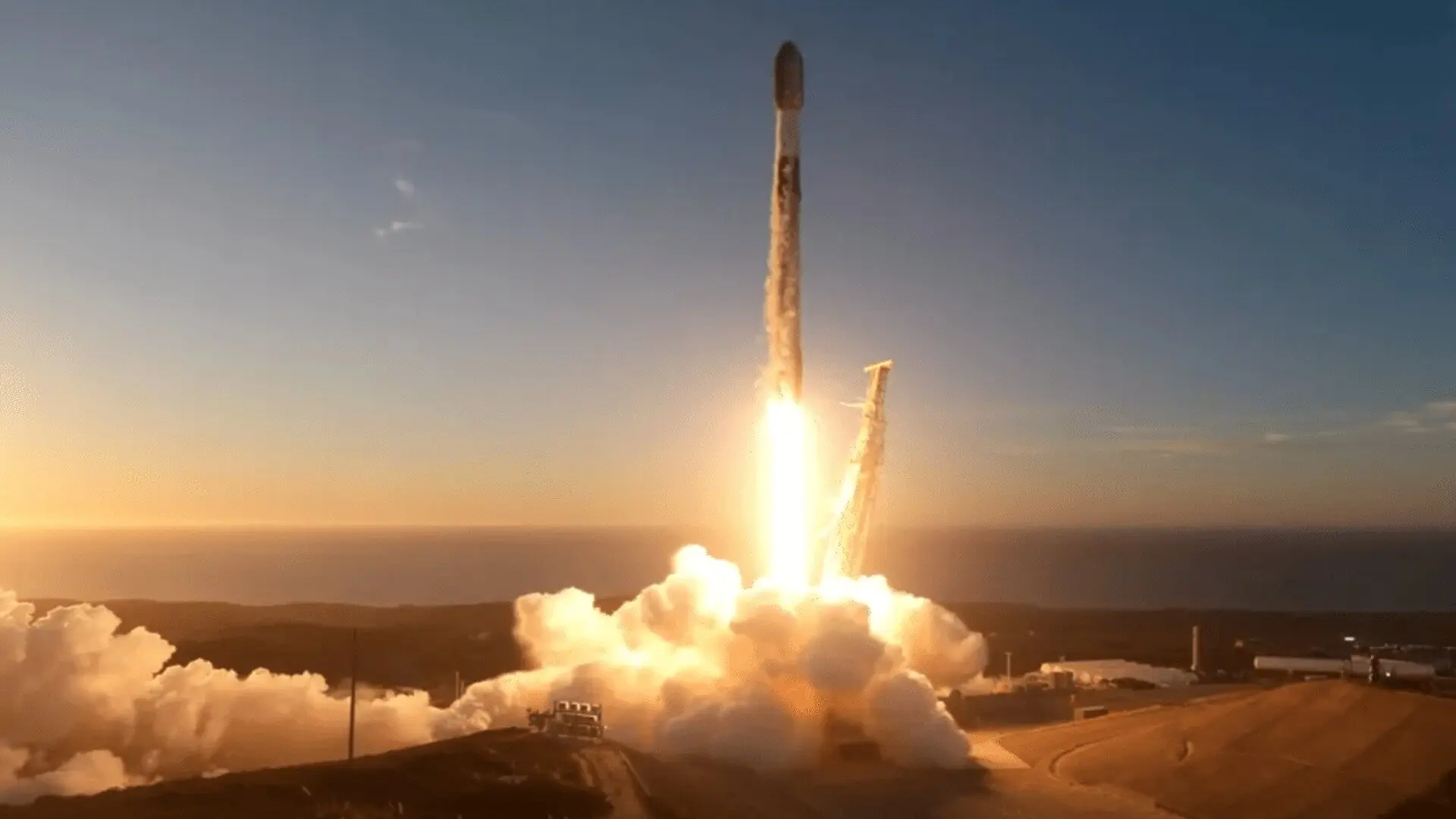
Pentagon Launches Classified USSF-432 Mission Aboard SpaceX Falcon 9
A SpaceX Falcon 9 rocket roared into the evening sky over California on November 6, 2026, carrying a secretive payload for the U.S. Space Force. The mission, officially designated USSF-432, lifted off from Vandenberg Space Force Base at 4:48 p.m. local time, marking another entry in the Pentagon’s increasing use of private launch providers for national security operations.
The launch represents the 14th time in 2026 that a Falcon 9 has been utilized for a government-classified mission, highlighting a broader trend of shifting defense infrastructure toward commercial launch platforms. Despite the frequency of these flights, the specific objective of the USSF-432 payload remains shielded from public view. SpaceX terminated its live broadcast of the event just 10 minutes after liftoff, providing no details regarding the spacecraft’s ultimate destination or function.
The mission did, however, provide a successful recovery for SpaceX’s fleet. The Falcon 9’s first-stage booster, identified as tail number 1095, completed its eighth flight by landing autonomously on the droneship Of Course I Still Love You, which was stationed in the Pacific Ocean.
Falcon 9 launches USSF-432 to orbit from pad 4E in California https://t.co/aEMgy2wy1f
— SpaceX (@SpaceX) November 7, 2026
Analyzing the Trajectory
While official sources remain silent, independent observers have begun piecing together potential objectives by analyzing the rocket’s flight path and debris disposal zones. According to data tracked by Space.com and other aerospace analysts, the specific coordinates used for the rocket’s stage drop zones bear a striking resemblance to previous trajectories used for Starlink deployments.
This technical similarity has led to speculation that the mission could involve the deployment of low Earth orbit (LEO) satellites. Observers from NextSpaceflight.com have suggested that the flight profile aligns closely with earlier launches of the Starlink Group 15 constellation, raising the possibility that the payload may consist of military-grade sensing and targeting hardware.
“It is possibly a batch of classified LEO satellites for the USSF’s Space Based Sensing and Targeting (SBST) portfolio based on SpaceX’s Starshield satellite bus, based on locations of rocket stage drop zones being exact fits with previous Starlink Group 15 launches,” NextSpaceflight.com wrote in a mission description.
Shifting Defense Strategies
If the mission is indeed linked to the Space Force’s Space Based Sensing and Targeting (SBST) portfolio, it would signal a continued move toward decentralized satellite networks. Rather than relying on singular, expensive assets, modern defense architecture increasingly favors constellations of smaller, distributed spacecraft to ensure resilience in orbit.
Though the trajectory data provides a compelling case for this theory, it remains unconfirmed. Experts caution that flight corridors are not exclusive to specific mission types, and the military often utilizes established paths for various surveillance and communication satellites. As of now, the USSF-432 payload continues its transit toward its undisclosed orbital position, leaving the final details of its capabilities classified.
This article has been fact checked for accuracy, with information verified against reputable sources. Learn more about us and our editorial process.
Last reviewed on .
Article history
- Latest version
Reference(s)
- Wall, Mike. “SpaceX launches mystery mission for US Space Force in gorgeous sunset liftoff from California (video, photos).”, November 7, 2026 Space <https://www.space.com/space-exploration/launches-spacecraft/spacex-launches-classified-mission-space-force-ussf-432>.
Cite this page:
- Posted by Divya Iyer