China’s Billion‑Tree Campaign Boosts Evapotranspiration, Shifts Moisture to Tibetan Plateau
China’s massive regreening boosts overall rainfall but cuts water availability in many regions, reshaping the nation’s water dynamics.
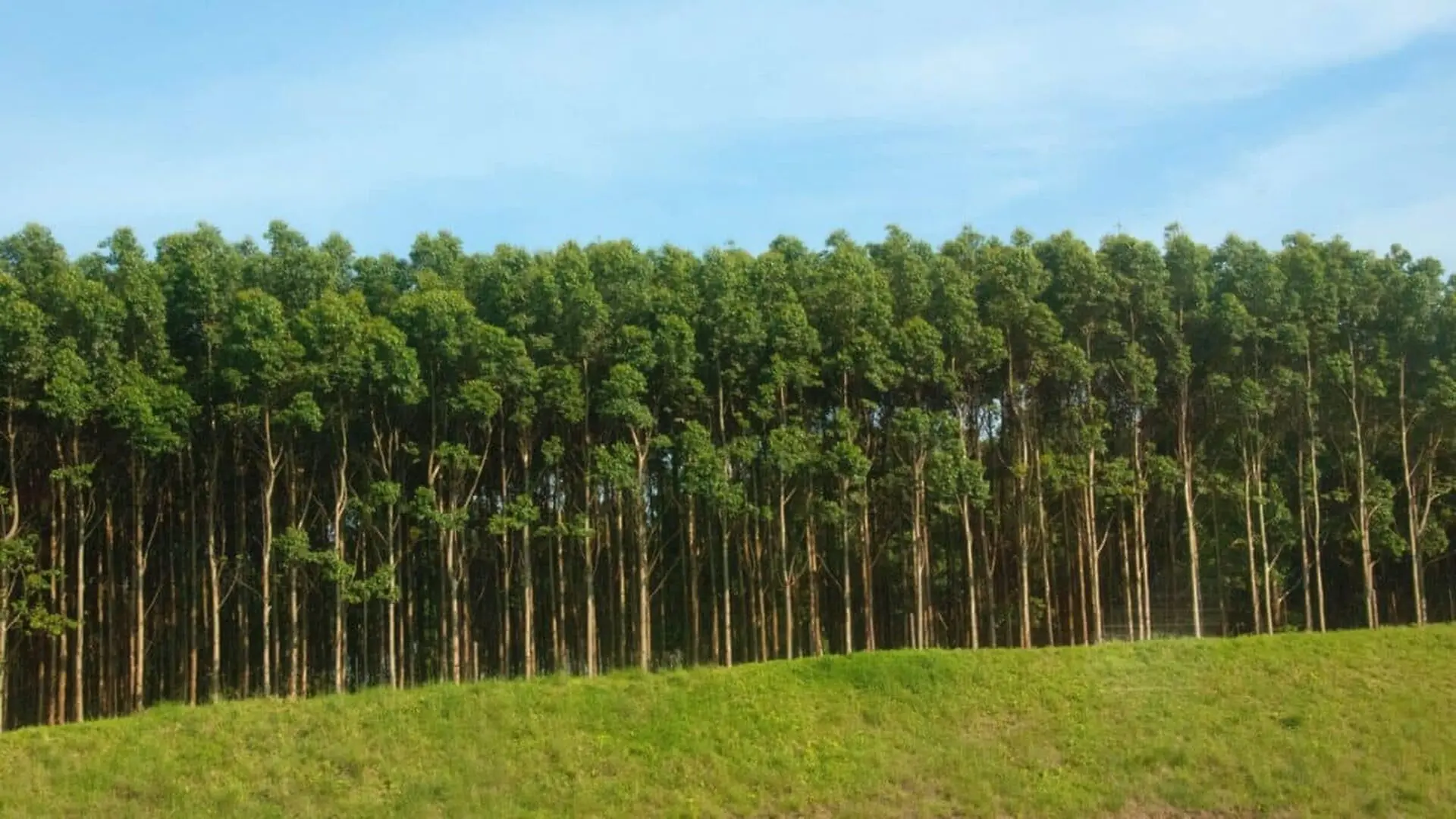
A new analysis of satellite and ground observations shows that China’s massive tree‑planting campaigns over the past two decades have reshaped the country’s water cycle. Between 2001 and 2020, the expansion of forests and the conversion of other land types intensified the flow of water from the surface to the atmosphere, raising both evapotranspiration and rainfall but leaving a net shortfall in locally available water.
Forest Growth Drives Greater Atmospheric Moisture
During the study period, forested area grew by roughly 226,000 km², accounting for more than four‑fifths of all land‑cover gains. At the same time, grasslands shrank by about 158,000 km² and barren land fell by 107,000 km². The authors of the research published in Earth’s Future calculated that these land‑use changes boosted average annual evapotranspiration by 1.71 mm and increased precipitation by 1.24 mm. Because evapotranspiration rose faster than rainfall, the net water availability—defined as precipitation minus evapotranspiration—declined by 0.46 mm per year.
Evapotranspiration combines two mechanisms: evaporation of water from soils and other surfaces, and transpiration of water through plant foliage. Deep‑rooted trees can draw water from lower soil layers, sustaining moisture loss even during drier spells, which explains the pronounced impact of forest expansion on the water budget.
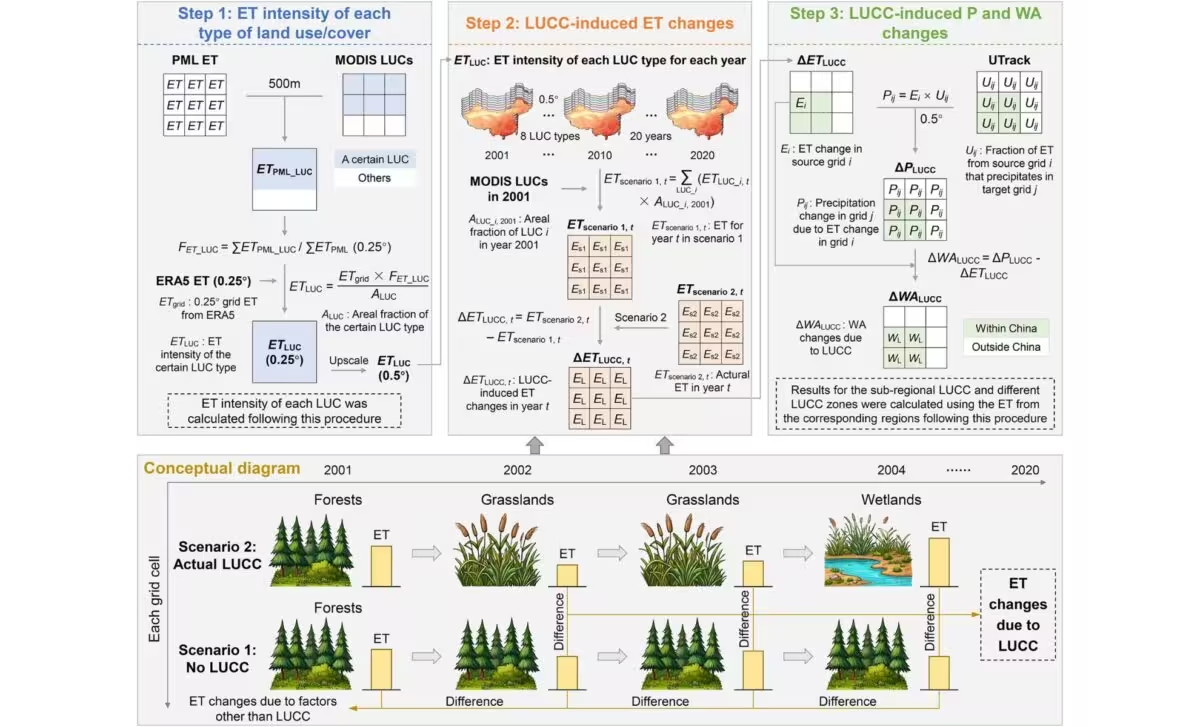
Among the various conversions, the shift from grassland to forest produced the strongest signal. Those transformed zones added an estimated 8.44 billion m³ of water to the atmosphere each year, generated an extra 5.08 billion m³ of rainfall, yet still reduced net water availability by about 3.36 billion m³ annually.
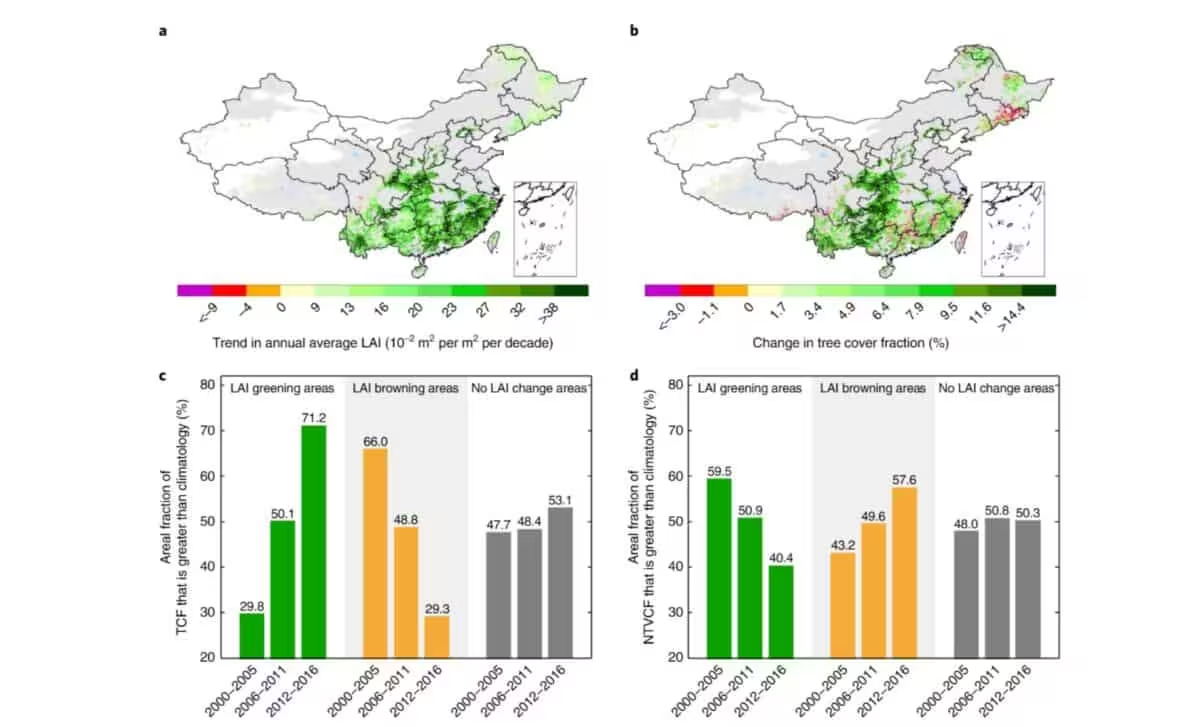
A 2019 satellite‑based assessment (Nature) reported that China contributed 25 % of the global increase in leaf area from 2000 to 2017, despite representing only 6.6 % of the world’s vegetated surface. Within China, forests accounted for 42 % of that leaf‑area gain, while croplands supplied 32 %.
Regional Water Balance Shifts: Gains on the Plateau, Losses Elsewhere
The redistribution of moisture was uneven. Atmospheric currents carried a portion of the extra water vapor away from the sites of evapotranspiration, altering precipitation patterns across the nation. The study found that the Tibetan Plateau experienced a modest rise in water availability—about 0.38 mm per year—while the Eastern Monsoon Region saw a decline of 0.59 mm per year and the Northwestern Arid Region a sharper drop of 1.14 mm per year.
The researchers quantified the contribution of land‑cover change in the Northwestern Arid Region to the plateau’s water budget: roughly 0.52 mm per year of precipitation and water availability were transferred northward, surpassing the 0.36 mm per year of rainfall generated locally by the same land‑cover shifts.
Live Science notes that the eastern monsoon and northwestern arid zones together comprise roughly 74 % of China’s land area, underscoring the significance of these shifts. Northern China, home to about 46 % of the nation’s population and 60 % of its cultivated land, relies on only around 20 % of the country’s total water resources. The findings suggest that simply adding vegetation does not guarantee a proportional increase in water supplies for the regions that need it most.
The authors argue that future land‑use strategies must incorporate the dynamics of atmospheric moisture recycling. While ecosystem restoration can intensify the water cycle, the ultimate benefit to local water availability hinges on where the new vegetation is planted, how much evapotranspiration changes, and where the resulting moisture ultimately precipitates.
This article has been fact checked for accuracy, with information verified against reputable sources. Learn more about us and our editorial process.
Last reviewed on .
Article history
- Latest version
Reference(s)
- An, Qiang., et al. “Land Cover Changes Redistribute China's Water Resources Through Atmospheric Moisture Recycling.” Earth's Future, vol. 13, no. 10, October 4, 2025 American Geophysical Union (AGU), doi: 10.1029/2024EF005565. <https://agupubs.onlinelibrary.wiley.com/doi/10.1029/2024EF005565>.
- Chen, Chi. “China and India lead in greening of the world through land-use management.”, vol. 2, no. 2, pp. 122-129., doi: 10.1038/s41893-019-0220-7. <https://www.nature.com/articles/s41893-019-0220-7.epdf>.
Cite this page:
- Posted by Zara Tariq