U.S. Spy Pilot Saw a Giant Dome of Light Sweep Across the Pacific, Mystery Unsolved
A U.S. spy pilot observed a massive wall of light fleeing Soviet airspace during a missile run, yet its mysterious origin remains unsolved decades later.
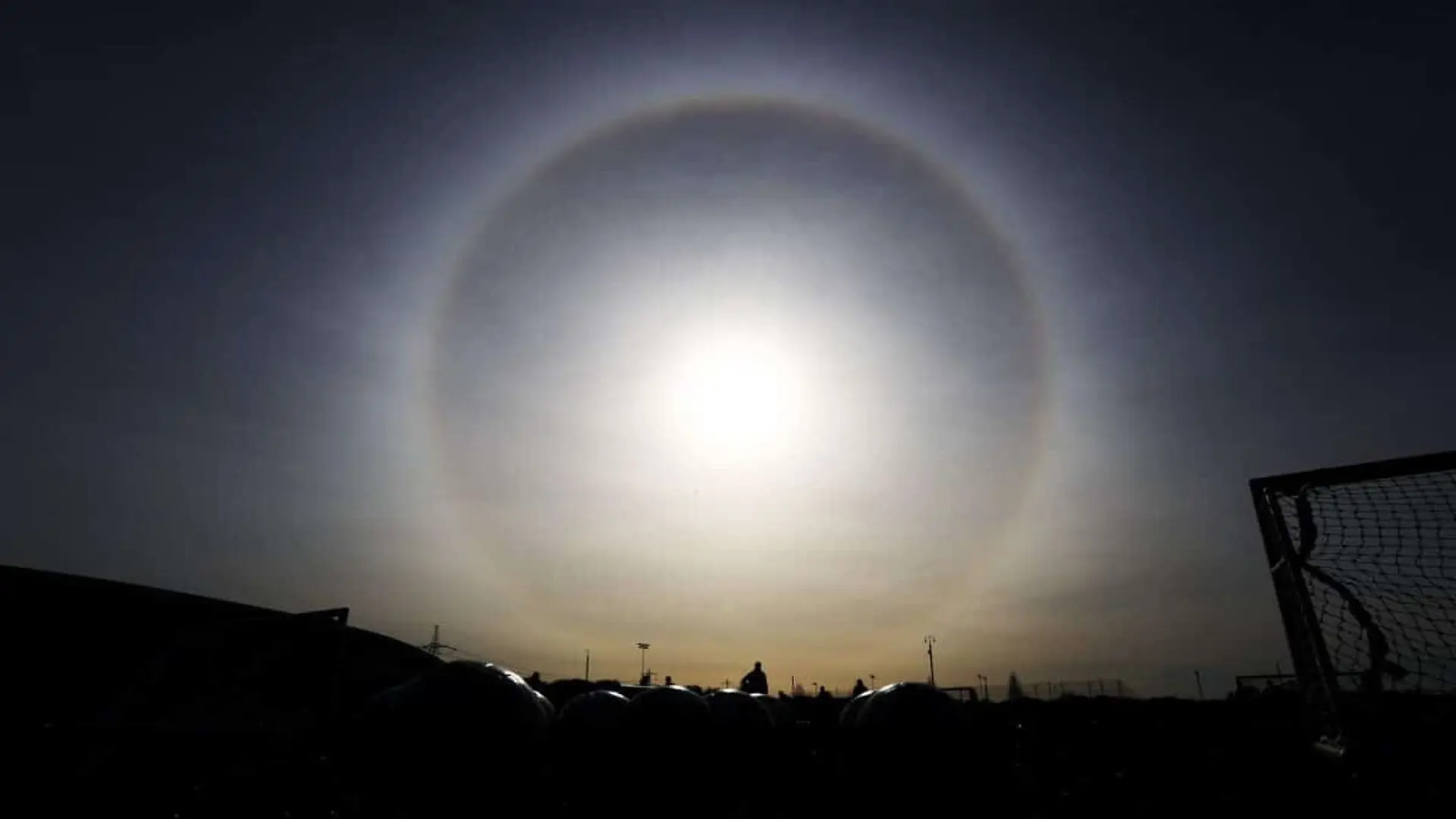
During two 1988 reconnaissance flights over the Soviet Far East, a U.S. Air Force pilot observed a massive, luminous wall sweeping across the sky. The event, later dubbed the “Dome of Light,” remains unexplained after investigations by the Air Force’s Foreign Technology Division.
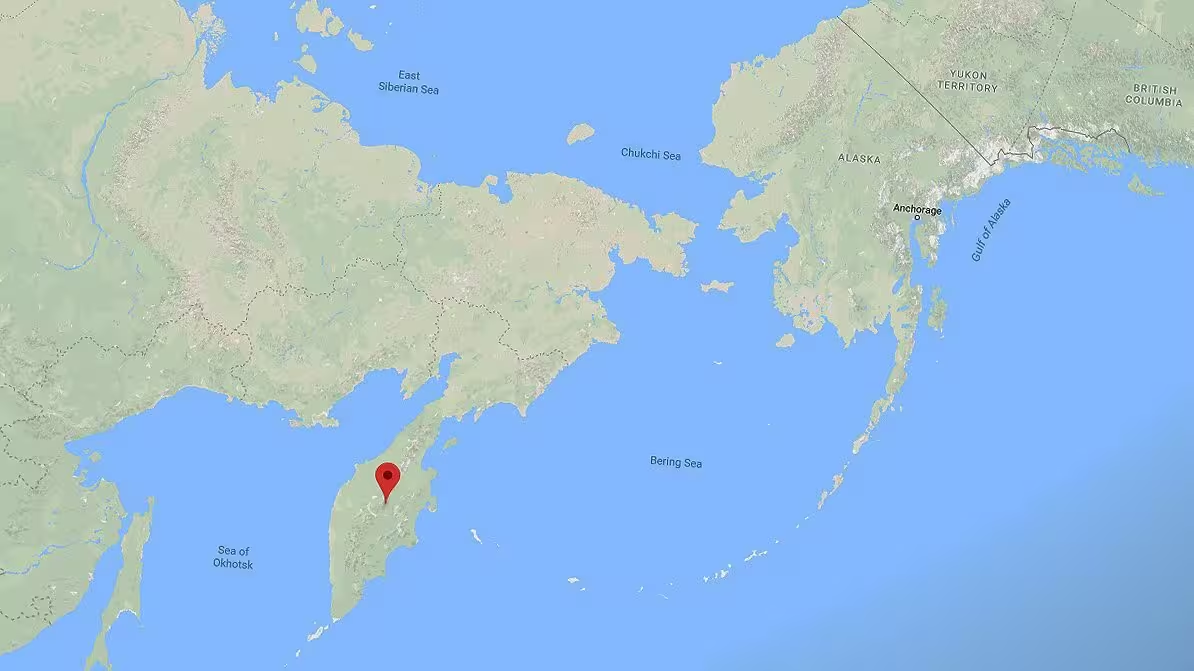
The first sighting occurred in late 1988, likely in October or November, while the crew of an RC‑135S “Cobra Ball” aircraft operated east of the Kamchatka Peninsula. Their mission was to track an SS‑20 Saber missile launched toward the Kura Test Range at Klyuchi, a key element of U.S. monitoring of Soviet missile activity.
According to veteran pilot Robert Hopkins, the aircraft encountered a “translucent, milky white wall” that extended from the horizon to the limits of the cockpit windows and moved swiftly from Soviet airspace toward the northern Pacific before disappearing eastward. The pilot initially considered an unusual aurora, but a second encounter on a later SS‑20 monitoring flight reinforced the anomaly’s distinct nature.
Cobra Ball’s Role in Missile‑Launch Surveillance
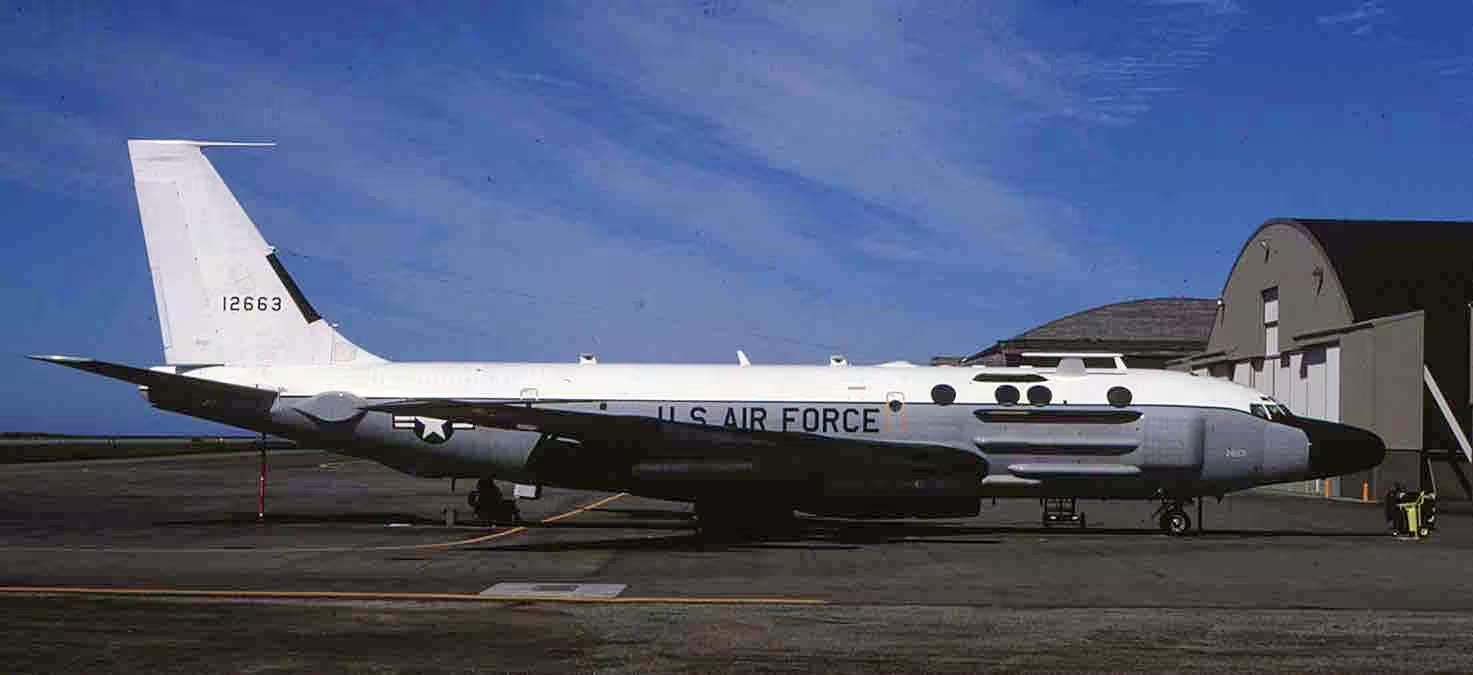
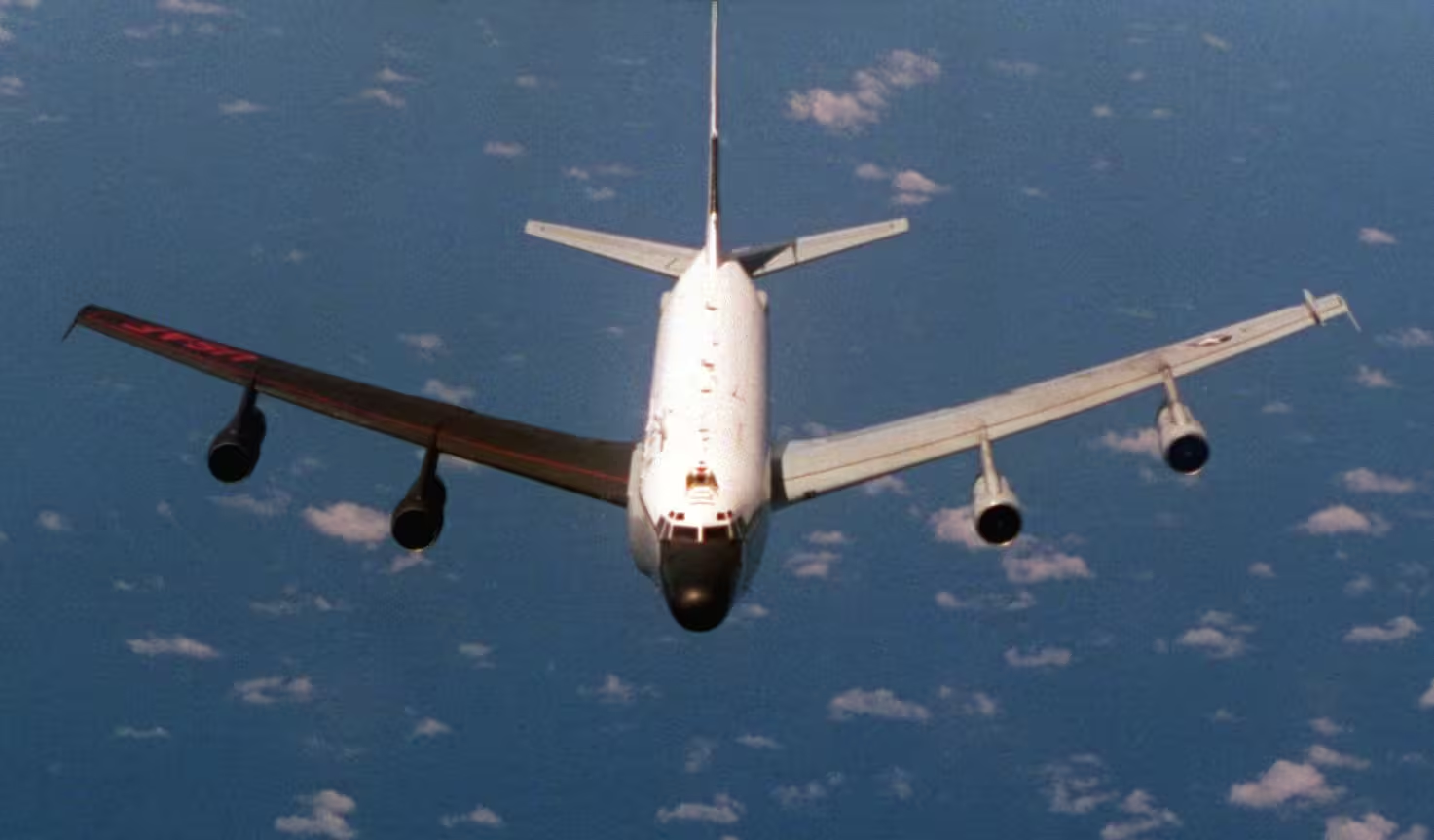
The RC‑135S Cobra Ball is a rapid‑deployment reconnaissance platform built to collect optical and electronic data on ballistic missile tests. The aircraft’s sensor suite—comprising cameras, infrared detectors, and telemetry receivers—supports treaty verification and informs the development of strategic and theater missile‑defense concepts.
Its lineage traces back to C‑135 aircraft modified in 1961, and by 1988 the fleet operated from Shemya Air Force Base in Alaska, where Hopkins’ crew was stationed for the sightings.
Hopkins noted that the crew was preparing to record data from the SS‑20’s three re‑entry vehicles when the luminous wall appeared, underscoring the mission’s importance for arms‑control monitoring.
Air Force Inquiry Explores Propulsion and Countermeasure Scenarios
Following the second observation, the anomaly was officially labeled the “Dome of Light.” Based on the estimated travel time of the SS‑20 from launch to Klyuchi, analysts calculated an apparent expansion speed of roughly 6,200 mph (about 10,000 km/h), though this figure was derived from timing rather than direct measurement.
Scientists from the Air Force’s Foreign Technology Division at Wright‑Patterson AFB examined several hypotheses. One proposal suggested that the first‑stage fuel of the SS‑20 might create a luminous plume, while another posited that an onboard device or launch‑pad equipment could emit a flash capable of disrupting U.S. missile‑warning sensors or warhead guidance.
The division prioritized collection of data from an over‑flight of the Sea of Okhotsk after the phenomenon expanded, yet the mission yielded no conclusive evidence.
Atmospheric Ionization and Countermeasure Theories Remain Unverified
Alternative explanations have focused on upper‑atmosphere effects. Historic Mysteries describes a theory in which vented rocket fuel creates ionized clouds that could produce a bright, diffuse front, though documented ionization experiments differ from the observed characteristics of the Dome of Light.
A second line of speculation suggests the event might have functioned as a deliberate countermeasure, intended to obscure missile launches from U.S. surveillance assets. TWZ reported that investigators considered whether an external system linked to the SS‑20 could temporarily interfere with early‑warning satellites or incoming warheads.
Material from 1988 also associates the “Dome of Light” label with possible protective measures for missile launches, but no official documentation has confirmed such a purpose.
In summary, the recorded accounts document two sightings by the same Cobra Ball crew during SS‑20 monitoring flights, the Air Force’s subsequent investigation, and a series of plausible yet unproven explanations. The Foreign Technology Division concluded without identifying a definitive source or function for the phenomenon.
This article has been fact checked for accuracy, with information verified against reputable sources. Learn more about us and our editorial process.
Last reviewed on .
Article history
- Latest version
Cite this page:
- Posted by Zara Tariq