Zircon Clues Uncover Dual German Quarry Origins of 1629 Ship’s Sandstone Cargo
Study of 1629 Batavia shipwreck sandstone reveals cargo came from two German quarry districts, showing mixed sourcing for Dutch East India Company trade.
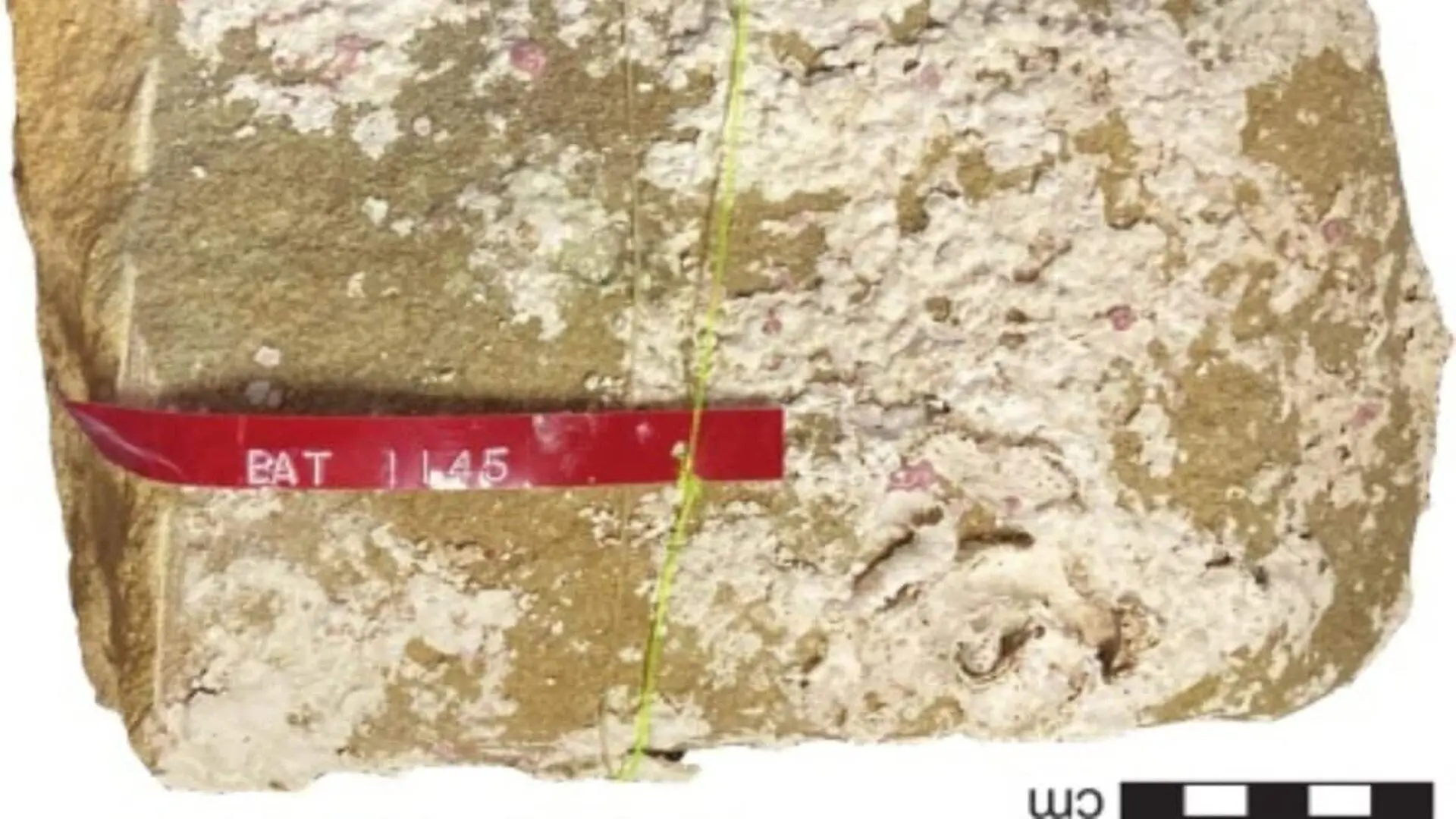
The Dutch East India Company’s vessel Batavia ran aground on Morning Reef in the Houtman Abrolhos Islands off Western Australia on 4 June 1629. Laden with silver, commercial goods and a cargo of prefabricated sandstone blocks intended for a portico in the colonial settlement of Batavia (today’s Jakarta), the ship’s loss became a historic maritime tragedy.
The wreck was located in 1963, and between 1972 and 1975 the Western Australian Museum conducted excavations that retrieved hundreds of sandstone slabs, thousands of clay bricks and numerous ballast stones. Because contemporary shipping manifests lack detail on individual stone shipments and marine exposure has altered many of the rocks, pinpointing their geological origins has long been a challenge.
Zircon Dating Shows Two Distinct German Sources
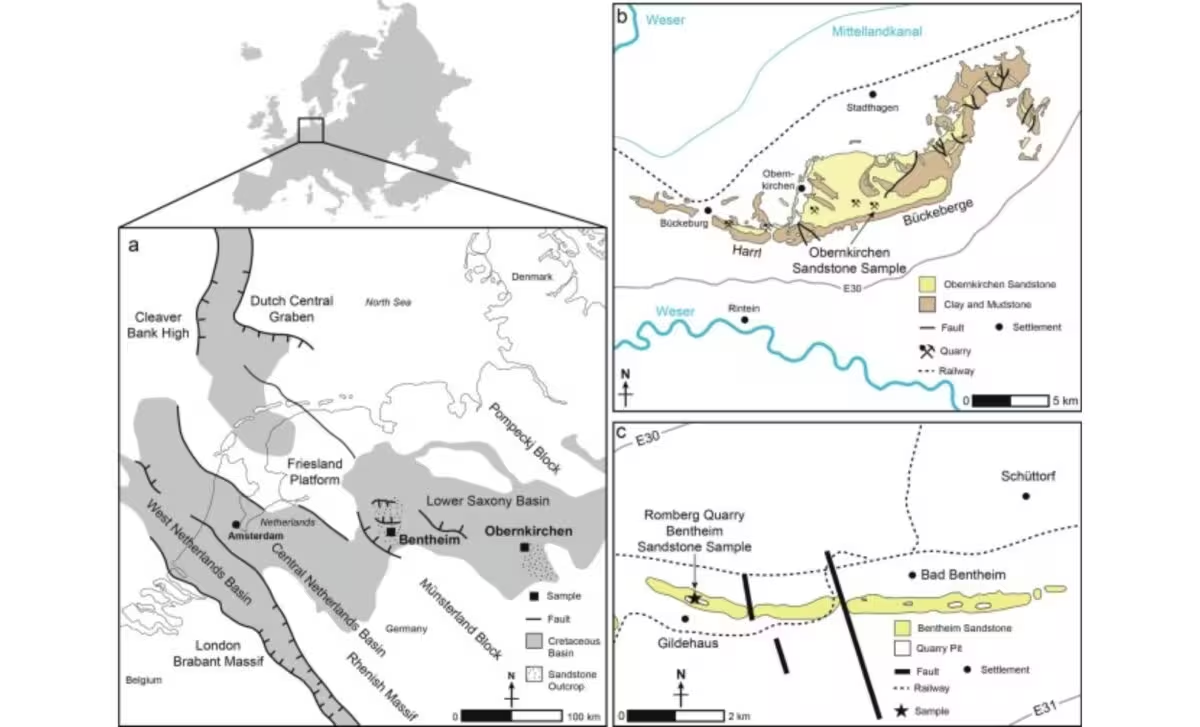
Scientists analysed two of the recovered sandstone blocks, catalogued as BAT1145 and BAT1166A, and compared them with reference material from the Bentheim and Obernkirchen quarry regions in Germany’s Lower Saxony Basin.
The research article in the Journal of Archaeological Science: Reports reports that the team employed detrital zircon U‑Pb geochronology to differentiate sandstones that appear identical under visual or petrographic inspection. Zircon crystals resist both physical and chemical weathering, and the ages of individual grains retain a record of the source rock’s geological history.
Statistical analysis separated the two Batavia samples into distinct groups. Block BAT1166A aligns with Bentheim Sandstone, characterized by prominent zircon age populations around 1.0–1.2 billion years and 1.6–1.8 billion years, plus minor Archean components. Block BAT1145 matches Obernkirchen Sandstone, which exhibits stronger age peaks near 350–300 million years and 650–550 million years.
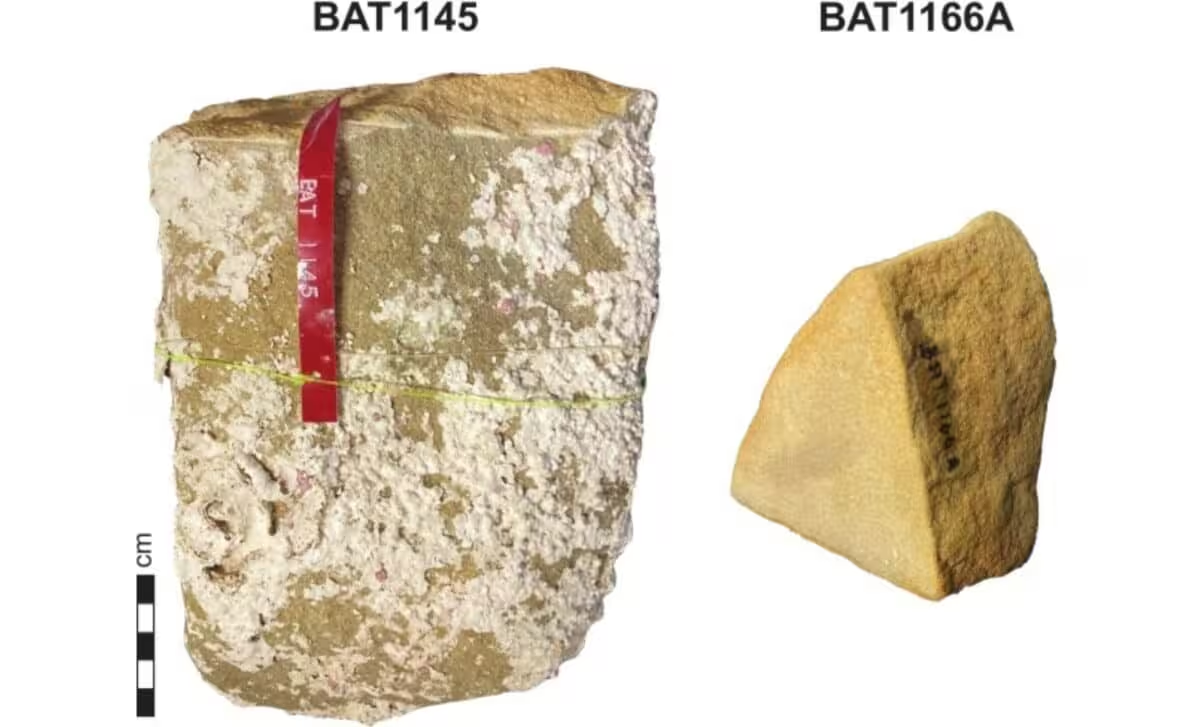
Statistical tests reinforced these distinctions: BAT1166A was indistinguishable from the Bentheim reference (Kolmogorov‑Smirnov p = 0.33; Kuiper p = 0.48), while BAT1145 matched the Obernkirchen reference (p = 0.065 and 0.26 respectively). The two blocks also differed significantly from each other, confirming that they originated from separate sandstone populations. Earlier mineralogical and spectroscopic work had already linked other Batavia fragments to Bentheim; the new data adds an Obernkirchen component to the same cargo.
Separate German Quarries Supplied a Single VOC Consignment
These provenance results reshape our understanding of how the VOC assembled the stone cargo for Batavia. Rather than sourcing a uniform batch from a single quarry, the company appears to have blended compatible sandstone from two distinct regions of northwest Germany.
The Bentheim and Obernkirchen districts lie roughly 140 kilometers apart and belong to different river basins: Bentheim drains into the Ems‑Rhine system, while Obernkirchen is part of the Weser catchment. Consequently, the stone would have traveled separate inland routes before converging on a common export shipment.
The authors suggest that this pattern reflects centralized procurement within the VOC’s logistics network, with Amsterdam— the company’s primary depot and shipbuilding hub—most likely serving as the consolidation point. No surviving archival document explicitly records the merging of these particular blocks at Amsterdam, but the geological evidence points to such a process.
Even though the two quarries produced stone with differing geological histories, the blocks could be combined into a cohesive architectural shipment because their visual properties were sufficiently similar.
The study also highlights the power of detrital zircon analysis for maritime archaeology. Quartz‑rich sandstones often become indistinguishable after centuries underwater, as marine alteration modifies minerals and cement. Zircon grains, however, retain provenance signatures that survive such changes.
Nearly four centuries after the Batavia sank, its stone cargo is shedding light not only on the materials that set sail but also on the inland quarrying, transport routes and consolidation practices that underpinned Dutch East India Company construction projects overseas.
This article has been fact checked for accuracy, with information verified against reputable sources. Learn more about us and our editorial process.
Last reviewed on .
Article history
- Latest version
Reference(s)
- Clarke, Anthony J.I.., et al. “Bricks, Ballast, and the Batavia: Provenancing Dutch East India Company Cargo from a 1629 Shipwreck.” Journal of Archaeological Science: Reports, July 1, 2026, pp. 105958 Elsevier BV, doi: 10.1016/j.jasrep.2026.105958. <https://www.sciencedirect.com/science/article/pii/S2352409X26003937?via%3Dihub>.
Cite this page:
- Posted by Zara Tariq