Space Launch Costs Plummet 96% Since 1960: $273 Per Kilogram By 2040 Could Spark New Industries
Cambridge study finds launch costs dropped 96% from $87,000/kg in 1960 to $3,868/kg in 2025, and could fall to $273/kg by 2040.
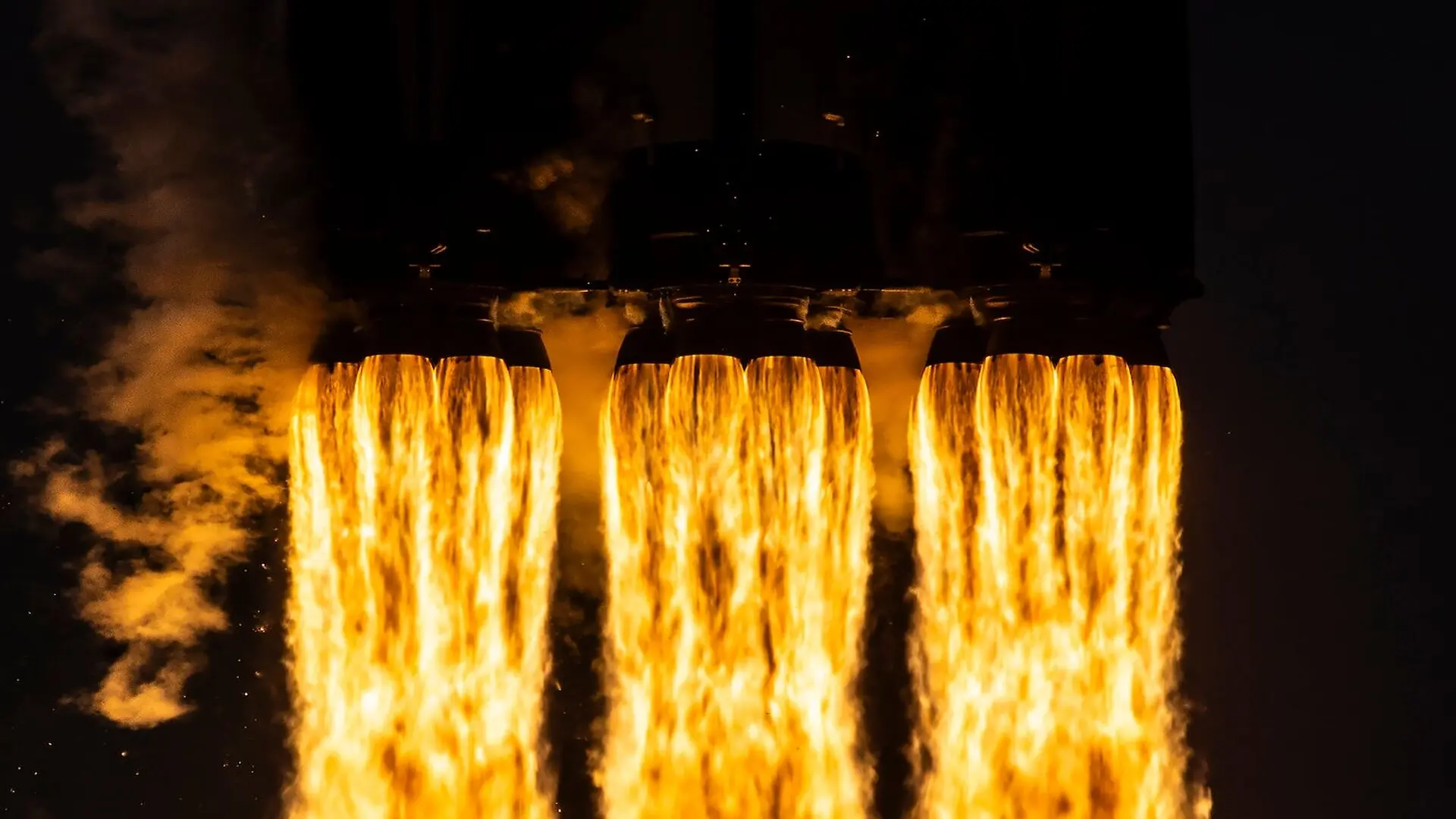
Space Launch Prices Drop Sharply, Forecasts Predict Sub‑$300 Kilograms by 2040
Researchers at the University of Cambridge have calculated that the cost of delivering payloads to orbit has fallen from roughly $87,000 per kilogram in 1960 to just $3,868 in 2025 – a reduction of about 96 percent. Their model projects the price to keep declining, reaching $1,569 per kilogram by 2030 and as low as $273 by 2040.
Why the Decline Accelerates
The trend follows Wright’s Law, which asserts that a technology’s unit cost drops by a predictable share each time cumulative production doubles. The Cambridge team found that each doubling of payload mass sent to orbit has trimmed the average cost per kilogram by 21.2 percent, a learning curve steeper than that of many historic technologies.
Extensive Data Underpin the Findings
In a study published in PNAS Nexus, the authors compiled a dataset covering more than 4,400 launches from 1960 through 2025, involving over 330 distinct rocket designs. For every mission they estimated the “unit flyaway cost,” which includes manufacturing, maintenance, and launch expenses while excluding research and development outlays.
Comparisons with Other Technological Revolutions
Solar‑panel pricing, often cited as a benchmark for learning curves, fell 99.8 percent between 1975 and 2023, yet its cost reduction per doubling of production was 20.2 percent—slightly slower than the 21.2 percent observed for rockets. Likewise, 19th‑century steamships reduced costs by only 15.5 percent with each cargo‑volume doubling, highlighting how rapidly space launch economics are advancing.
Implications for Emerging Space Industries
According to lead author Alessio Terzi, the shrinking price tag transforms space from a niche scientific arena into a budding marketplace. He argues that affordable launches could unlock commercial ventures such as orbital solar‑power stations, asteroid extraction, and manufacturing facilities capable of producing fiber‑optic cables or 3D‑bioprinted organs in microgravity.
Potential Obstacles Ahead
The analysis notes that the market’s trajectory is heavily linked to SpaceX, which currently delivers about 80 percent of orbital payloads. Continued success of the reusable Starship system could further compress costs, but reliance on a single dominant player raises concerns about market concentration and strategic independence for other nations and firms.
Another challenge is the growing risk of orbital debris. As launch costs decline and more objects populate low‑Earth orbit, the likelihood of collisions could increase, potentially threatening the safety and sustainability of future missions.
This article has been fact checked for accuracy, with information verified against reputable sources. Learn more about us and our editorial process.
Last reviewed on .
Article history
- Latest version
Reference(s)
- Roser, Max. “Learning curves: What does it mean for a technology to follow Wright’s Law?.”, April 18, 2023 Our World in Data <https://ourworldindata.org/learning-curve>.
Cite this page:
- Posted by Zara Tariq