Halley’s Comet Debris Is Lighting Up The Sky This Week But There Is A Catch
Watch the Orionids meteor shower as remnants of Halley’s Comet streak across the night sky in one of autumn’s fastest and most spectacular displays.
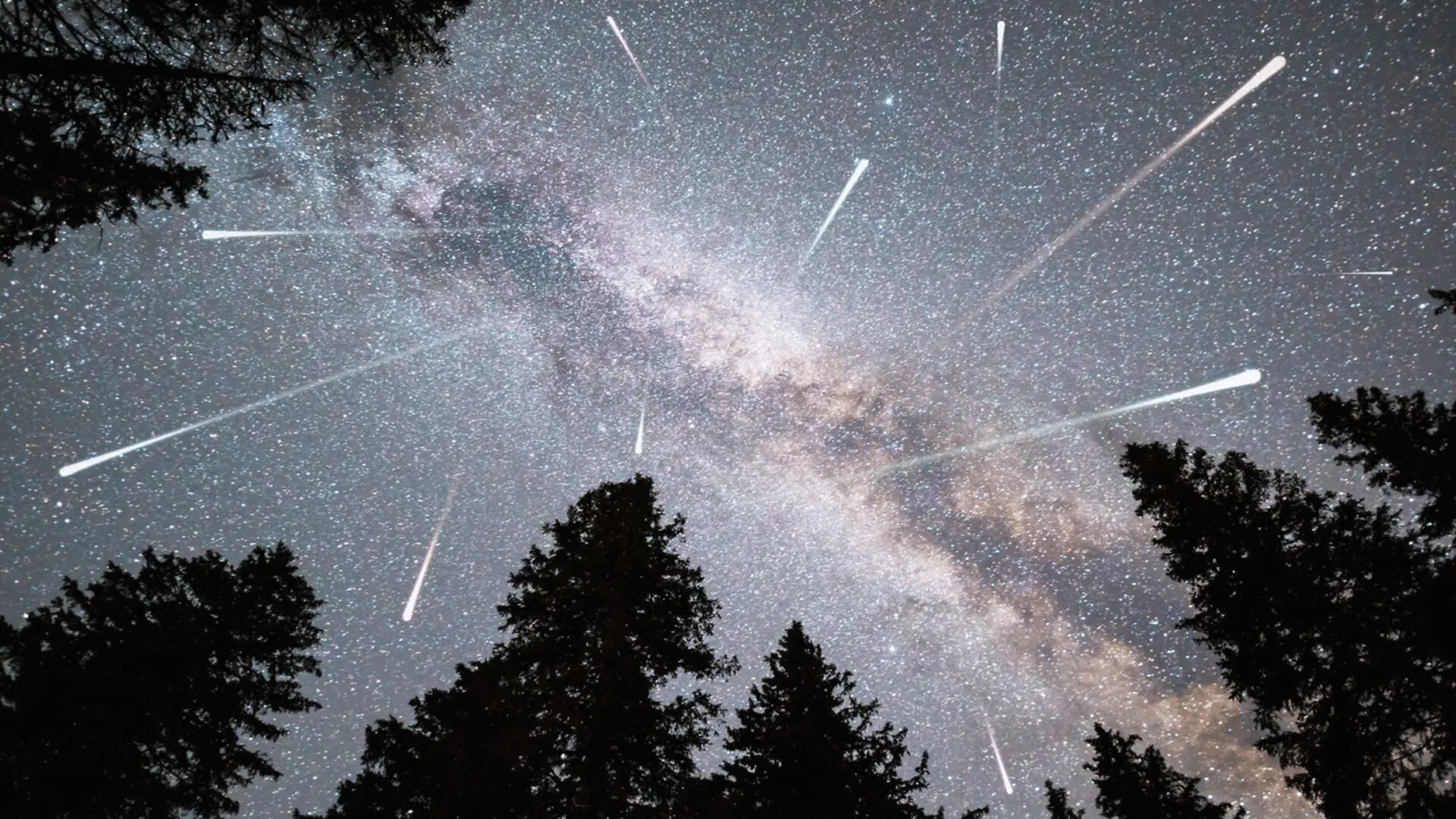
Halley’s Comet Returns to the Night Sky: How to Catch the 2026 Orionids
The annual Orionid meteor shower is set to peak on the night of October 21 through the early hours of October 22, 2026. This celestial display serves as a reminder of our planet’s regular journey through the orbital path of Halley’s Comet, which leaves behind a dense trail of icy and rocky debris in its wake.
As Earth barrels through this stream of space dust, particles—many no larger than a grain of sand—slam into our atmosphere at extreme speeds. Traveling at roughly 41 miles per second (66 kilometers per second), the Orionids rank among the fastest meteor showers of the year. This high-velocity entry often results in bright, streak-like flashes and occasionally persistent glowing ion trails that linger briefly in the night sky.
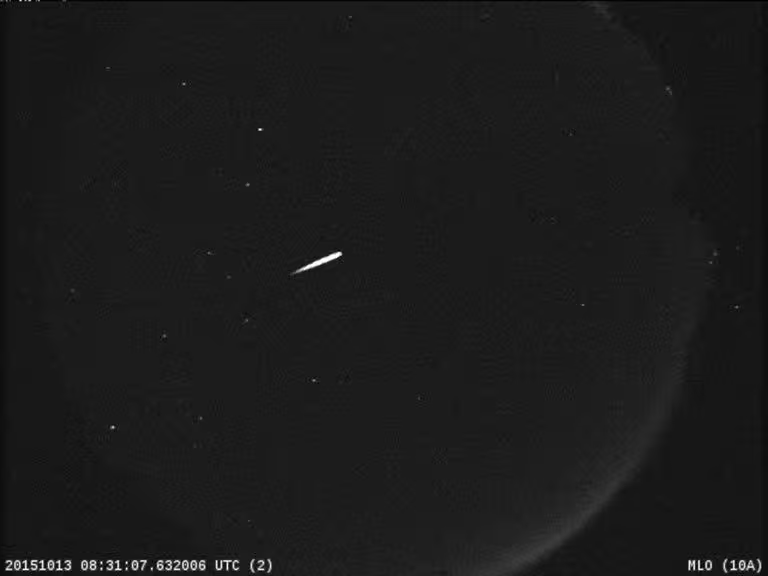
Navigating Lunar Interference
While the Orionids can produce between 10 and 20 meteors per hour under ideal conditions, according to data from NASA, 2026 presents a significant observational hurdle: the Moon. As the shower peaks, the Moon will be in its waxing gibbous phase, bathing the sky in enough light to potentially wash out the fainter, smaller meteors. For those viewing from urban areas already saturated with light pollution, the challenge will be even greater.
However, the display remains a worthwhile target for patient observers. Astronomers suggest that conditions may improve slightly in the predawn hours as the Moon dips toward the western horizon. Furthermore, because the Orionids are known for their high speed, even the brighter fragments—and the occasional, unpredictable fireball—may successfully pierce through the lunar glare.
Optimal Viewing Strategies
The shower earns its name from the constellation Orion, as the meteors appear to radiate from a point near the constellation’s border with Gemini. While this is merely a perspective effect caused by the parallel paths of the debris, identifying the belt of Orion remains a simple way for beginners to orient themselves.
For the best chance of success, experts recommend the following:
- Timing: Aim to observe after midnight on October 22, when Orion is higher in the sky and the radiant is better positioned.
- Location: Seek out a dark site far from municipal light sources. If possible, use local terrain—such as a hill or a building—to shield your eyes from the direct glow of the Moon.
- Patience: Give your eyes at least 20 to 30 minutes to fully adjust to the darkness. Avoid checking your phone, as the screen’s light will reset your night vision.
- Technique: You do not need binoculars or telescopes; in fact, the naked eye is preferred for capturing the widest possible field of view. Relax on a reclining chair or blanket, and look toward the general vicinity of the radiant, as meteors often appear with longer, more visible tails the further they are from the origin point.
Despite the challenges posed by the lunar cycle, the sheer velocity of these Halley’s Comet fragments ensures that the Orionids remain a highlight of the autumn astronomical calendar.
This article has been fact checked for accuracy, with information verified against reputable sources. Learn more about us and our editorial process.
Last reviewed on .
Article history
- Latest version
Reference(s)
- Cermak, Alicia. “Orionids - NASA Science.”, November 20, 2017 NASA <https://science.nasa.gov/solar-system/meteors-meteorites/orionids/>.
Cite this page:
- Posted by Karan Das