NASA Reveals New Strategy for Boeing Starliner Return to Flight
NASA and Boeing have unveiled a new strategic roadmap to resolve ongoing technical issues and prepare the Starliner spacecraft for future astronaut missions.
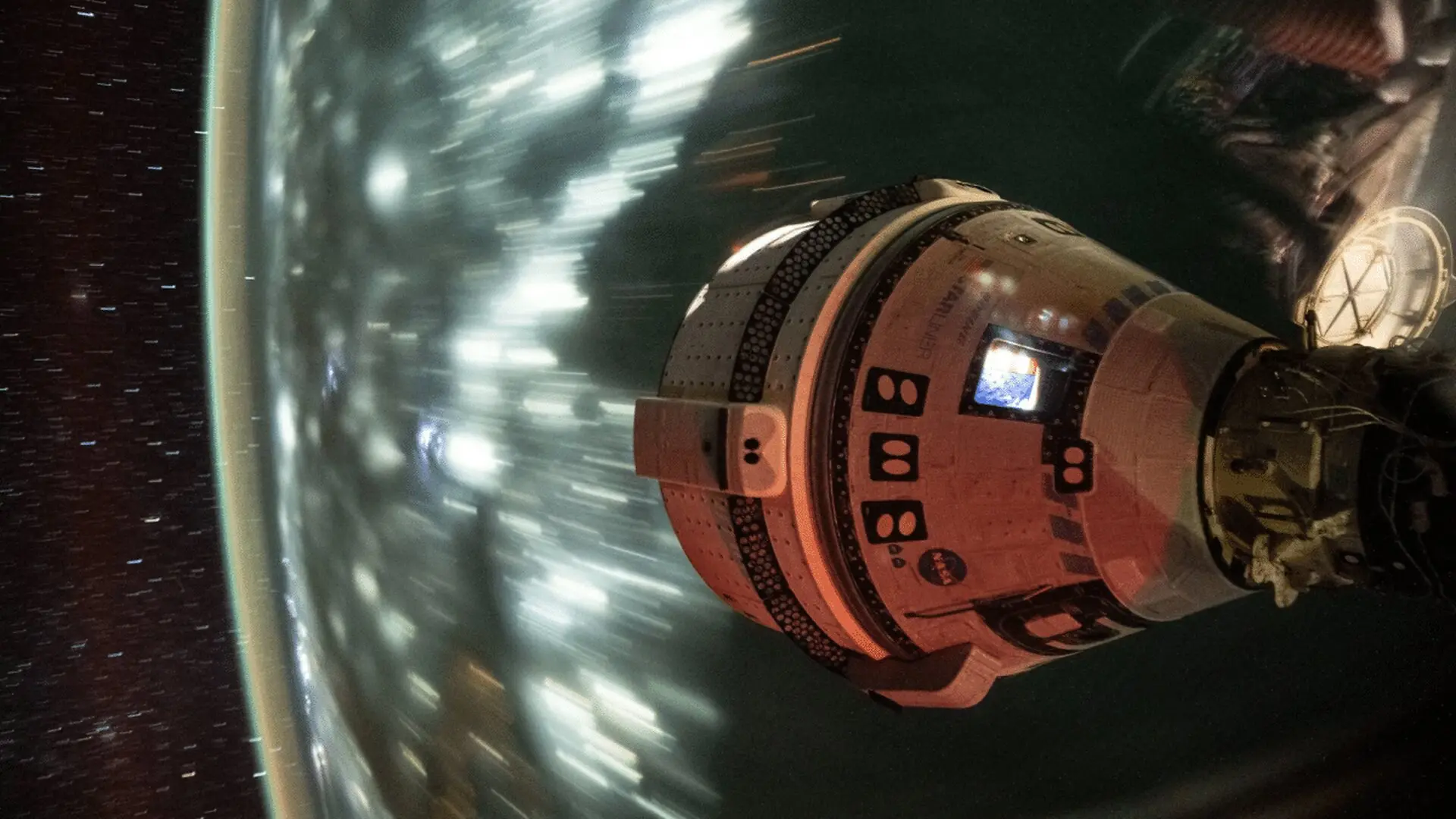
NASA has officially charted a new course for the Boeing Starliner program, pivoting toward a rigorous sequence of testing to secure the spacecraft’s future in human spaceflight. According to the agency, the updated roadmap prioritizes an uncrewed flight to the International Space Station (ISS) as a critical precursor to certifying the vehicle for regular astronaut transport.
A Strategic Shift Toward Reliability
The revised plan centers on the uncrewed Starliner-1 mission. This flight is designed to serve as a comprehensive validation exercise, allowing engineers to verify performance enhancements and gather vital telemetry before committing to crewed operations. The move underscores NASA’s long-standing commitment to maintaining a diversified fleet of commercial spacecraft, ensuring that the United States retains multiple avenues for reaching low Earth orbit.
NASA Administrator Jared Isaacman emphasized that the current landscape of space exploration demands robust and varied launch systems. “We are living through the most exciting era of space exploration since Apollo,” Isaacman said. “As this domain continues to open, there will be growing demand for launch vehicles, transfer stages, landers, and, of course, spacecraft that carry astronauts. NASA has been committed to having multiple crew transportation options since the beginning of the Commercial Crew Program. We have worked closely with Boeing to address the issues identified on previous Starliner flights, and we intend to see this vehicle return to flight in support of the International Space Station and future commercial destinations.”
NASA’s Commercial Crew Program was built to give America multiple ways to put astronauts into orbit.
— NASA Administrator Jared Isaacman (@NASAAdmin) September 28, 2026
Dragon has been an extraordinary success, and we want Starliner to become another reliable option.
Boeing and NASA have worked through the findings from Crew Flight Test, and… pic.twitter.com/vWCuRmchRs
The Path to Re-Certification
The transition to the Starliner-2 mission, currently penciled in for 2028, remains contingent on the data harvested from the upcoming uncrewed flight. This phased approach allows the agency to address findings from previous test missions while adhering to strict safety protocols.
According to Isaacman, the agency is taking a methodical approach to human spaceflight requirements. “We are starting with an uncrewed Starliner-1 mission to the International Space Station to validate the improvements made to the spacecraft and gather the flight data we need,” he noted. “From there, we will use what we learn, continue implementing the corrective actions identified by our Program Investigation Team, and complete the testing and certification required for crewed flight. Our current plan is to return astronauts on Starliner-2 by 2028.”
Targeting Propulsion and Thermal Integrity
A primary focus of the next orbital demonstration will be the spacecraft’s propulsion and thermal management systems. Ensuring these components function reliably under the stresses of spaceflight is a non-negotiable hurdle for final certification. Dana Weigel, manager of NASA’s Low Earth Orbit Program, highlighted these areas as the technical cornerstones of the upcoming mission.
“Starliner’s next flight is a critical step on the path to achieving full system certification and ensuring a sustained human presence in low Earth orbit,” said Weigel. “With the safety of our space station crew and the public as our highest priority, we will test Starliner’s propulsion system through targeted demonstration objectives and disciplined operational controls. These steps are essential to validating Starliner’s thermal performance which is a key element for the certification.”
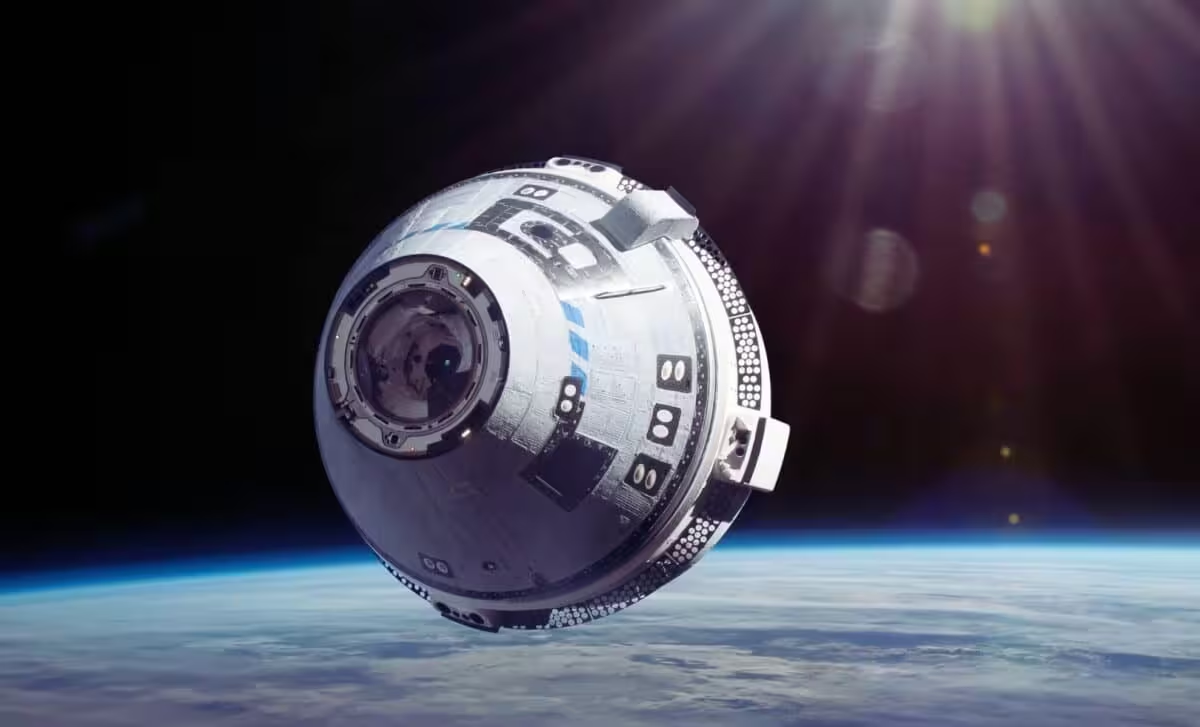
Beyond propulsion, thermal performance remains a high-stakes variable, particularly regarding the vehicle’s integrity during the extreme thermal cycles of atmospheric reentry. Boeing and NASA engineers are currently engaged in intensive reviews of these systems to ensure they meet the rigorous safety mandates required for human-rated spacecraft. As the program progresses, the synergy between successful orbital demonstrations and comprehensive data analysis will dictate the pace at which the Starliner project nears its operational goal.
This article has been fact checked for accuracy, with information verified against reputable sources. Learn more about us and our editorial process.
Last reviewed on .
Article history
- Latest version
Reference(s)
- “https://twitter.com/NASAAdmin/status/2104690355702554643/video/1.” <https://t.co/vWCuRmchRs>.
Cite this page:
- Posted by Karan Das