NASA Is Testing A Revolutionary Dual Engine System To Change How Small Satellites Fly
NASA has successfully tested a new CubeSat propulsion system that integrates two distinct space maneuvers into a single, efficient fuel source.
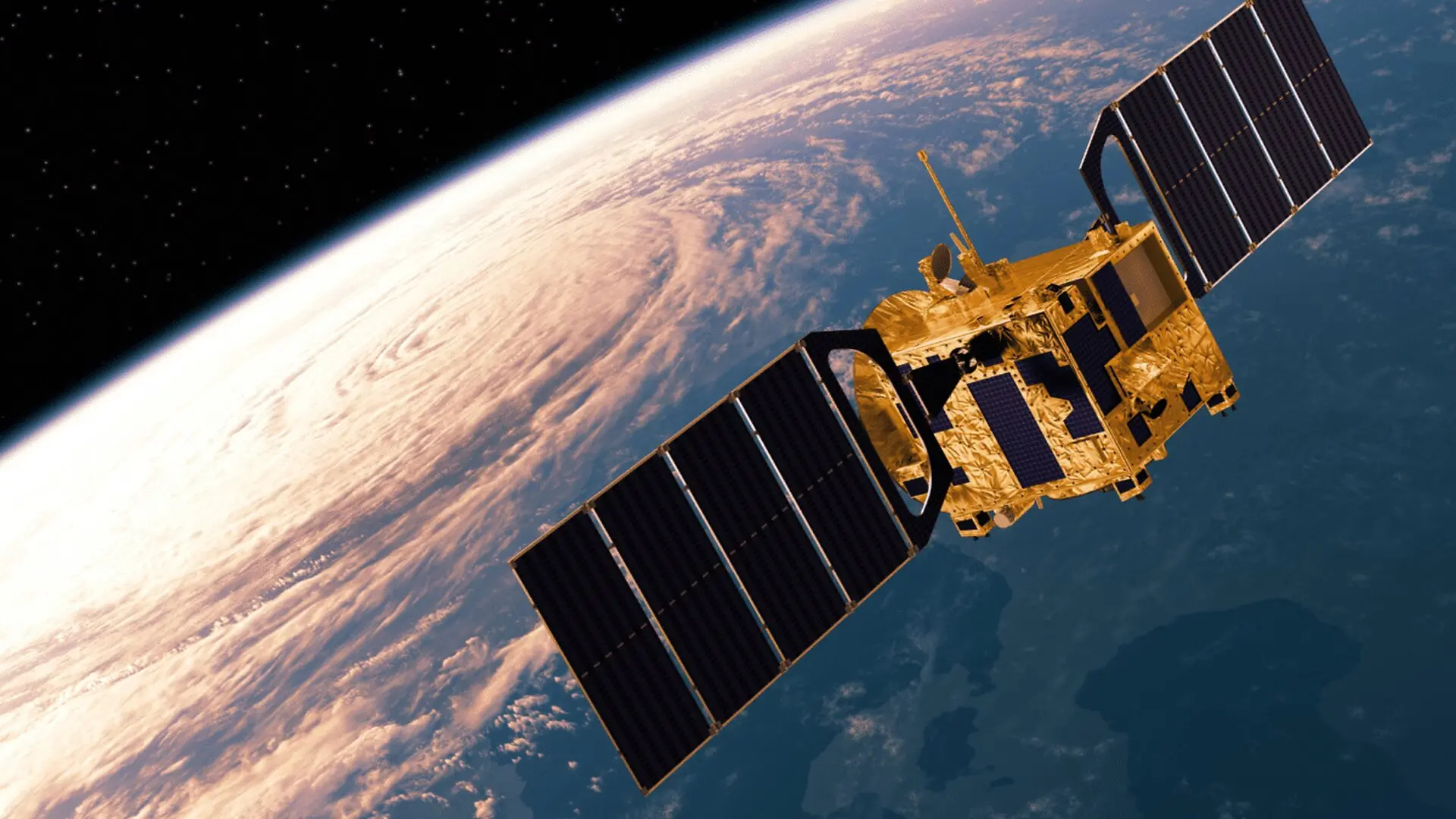
NASA has officially cleared its latest innovation in satellite technology for flight, following a rigorous battery of ground evaluations. The ASCENT Propulsion Dual Mode mission, featuring a compact 6-U CubeSat, is designed to revolutionize how small spacecraft navigate in orbit by consolidating high-thrust and low-thrust propulsion systems into a single, integrated architecture.
Consolidating Power and Efficiency
Space missions traditionally rely on distinct propulsion technologies to manage different phases of travel. Chemical thrusters are typically employed for rapid, high-power orbital shifts, while electric propulsion provides the high-efficiency, long-duration thrust required for delicate maneuvering. The ASCENT mission aims to eliminate the redundancy of these separate systems.
By utilizing a shared propellant tank and a unified delivery system, engineers have managed to bypass the need for the complex plumbing, additional hardware, and excess mass that usually accompany dual-propulsion setups. The spacecraft uses ASCENT, a non-toxic propellant designed for high-performance space applications, to power both the chemical combustion engine and the electrospray thrusters.
This streamlined approach offers significant advantages for the next generation of small satellites. By reducing the overall footprint of the propulsion system, the design frees up valuable mass and volume for scientific instruments and advanced communication gear, effectively allowing smaller platforms to perform missions that previously required larger, more expensive hardware.
Putting Hardware Through Its Paces
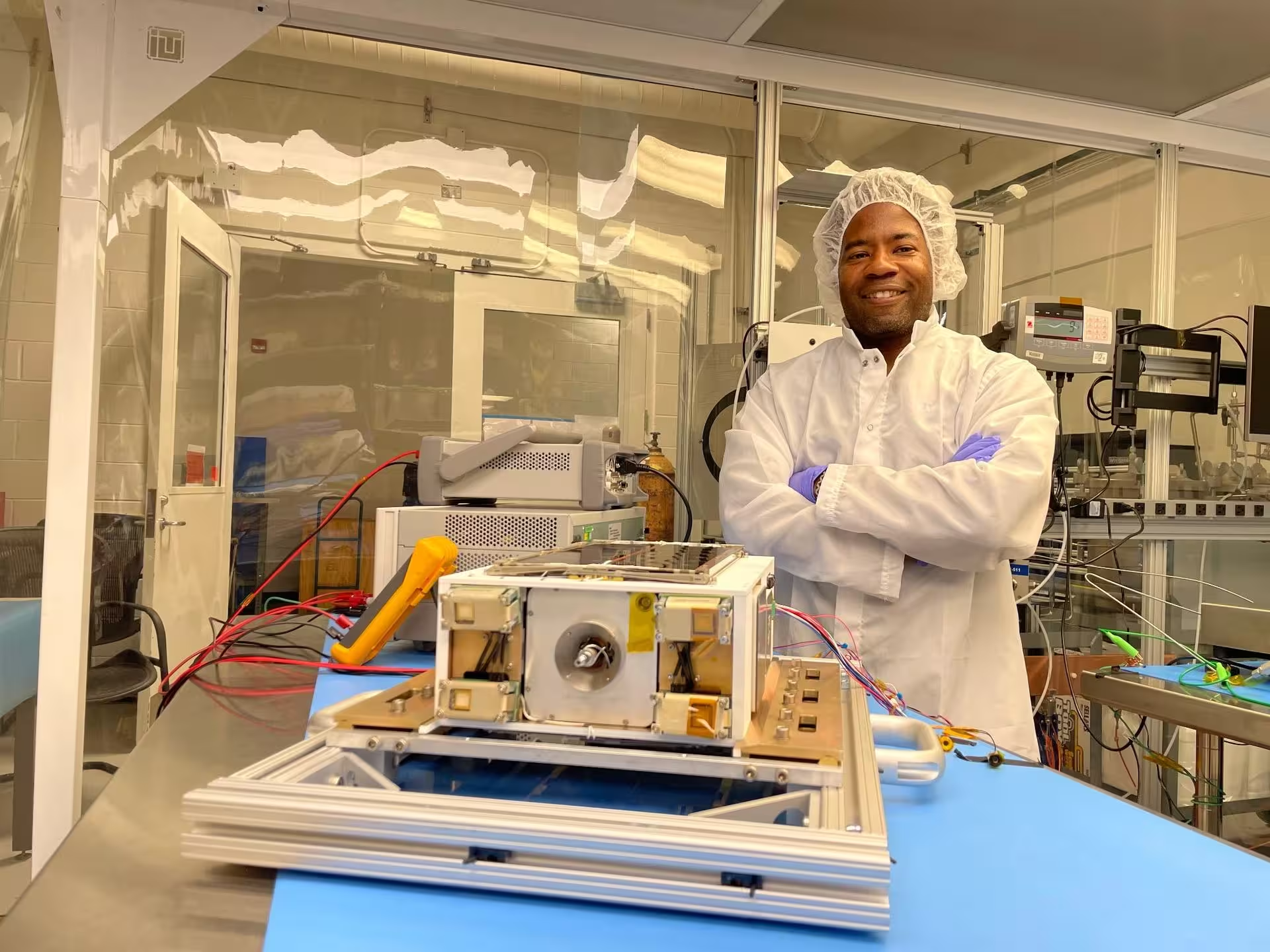
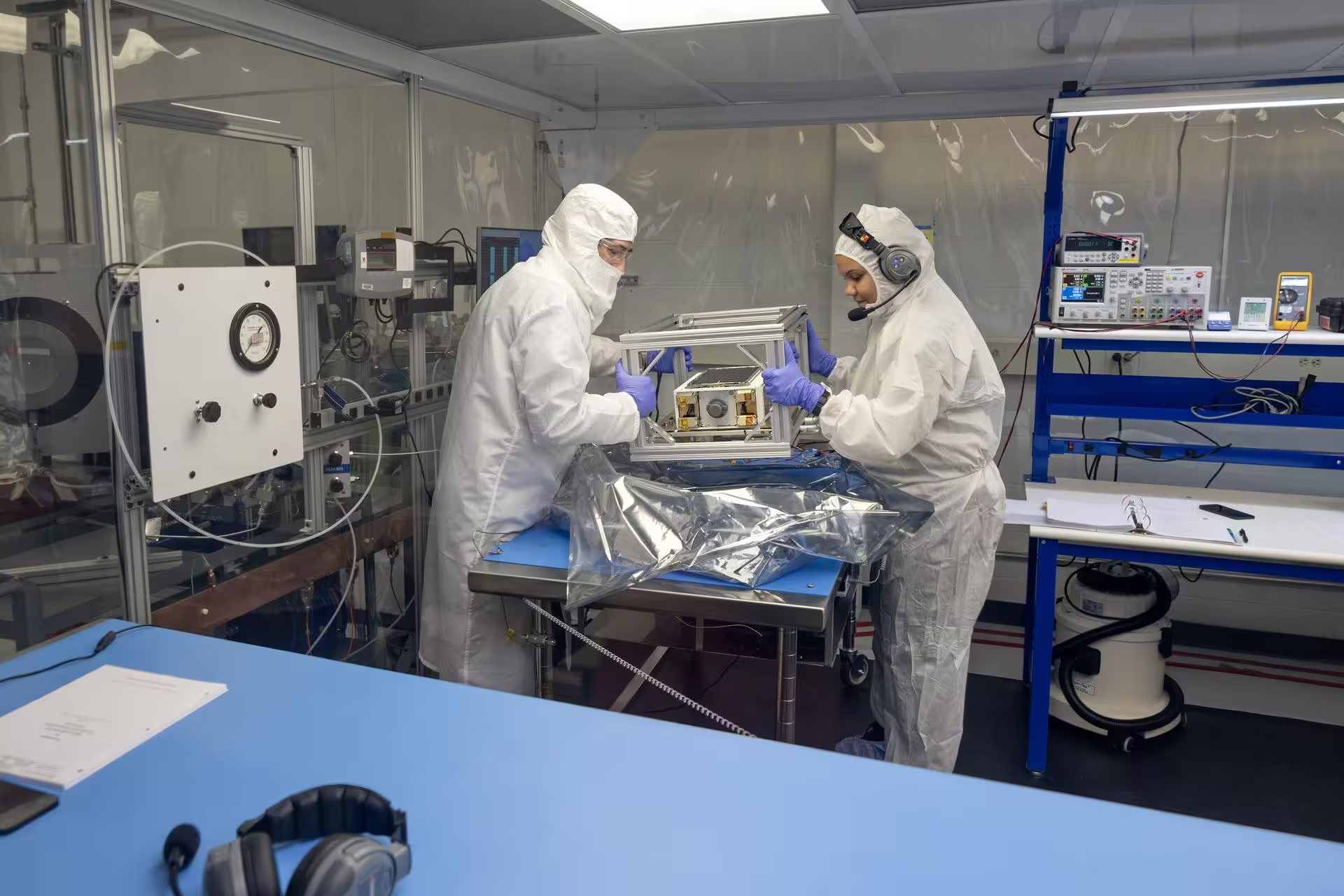
To ensure the mission survives the harsh realities of low Earth orbit, the team at NASA’s Marshall Space Flight Center conducted exhaustive environmental testing. Because the mission relies on a singular tank for its dual capabilities, the integrity of the fuel delivery system was a top priority.
Engineers utilized vacuum chambers and high-pressure helium leak testing to verify the reliability of all valves, seals, and fuel lines. Subsequent thermal vacuum testing exposed the CubeSat to the extreme temperature fluctuations of space, while spin testing ensured the craft maintained structural balance and stability under flight conditions.
“There are a lot of odds and ends, and a lot of small challenges and some big ones,” said Nehemiah Williams, the project manager at NASA Marshall. “But ensuring the functionality of the propulsion system across all these different teams is what makes the mission successful.”
The mission represents a collaborative effort across several institutions: NASA Marshall oversees the project, the Massachusetts Institute of Technology provided the electrospray thrusters, Plasma Processes developed the chemical module, and the Georgia Institute of Technology handled the bus integration.
Launch and Orbital Objectives
Following the successful completion of these ground checks, the spacecraft is slated for a launch no earlier than October 1. A SpaceX Falcon 9 rocket will carry the CubeSat to an orbit approximately 325 miles above Earth from Vandenberg Space Force Base.
The primary mission phase, which is expected to last nine months, will focus on a series of flight maneuvers designed to test the synchronization of the dual-propulsion system. The data gathered during this demonstration will be critical for the Small Spacecraft & Distributed Systems program, which manages the mission under NASA’s Research and Technology Mission Directorate.
If successful, this integrated propulsion design could become a standard for future satellite constellations, offering a high-utility solution for increasingly demanding scientific and exploratory objectives in orbit.
This article has been fact checked for accuracy, with information verified against reputable sources. Learn more about us and our editorial process.
Last reviewed on .
Article history
- Latest version
Reference(s)
- Mohon, Lee. “NASA Tests Dual Mode Propulsion CubeSat Ahead of Launch - NASA.”, September 25, 2026 NASA <https://www.nasa.gov/directorates/rtmd/nasa-tests-dual-mode-propulsion-cubesat-ahead-of-launch/>.
Cite this page:
- Posted by Karan Das