NASA Tech Designed for Mars Missions Is Now Saving Earth Breweries from CO2 Shortages
NASA technology originally designed for Mars exploration is now helping breweries and industries capture and reuse carbon dioxide emissions.
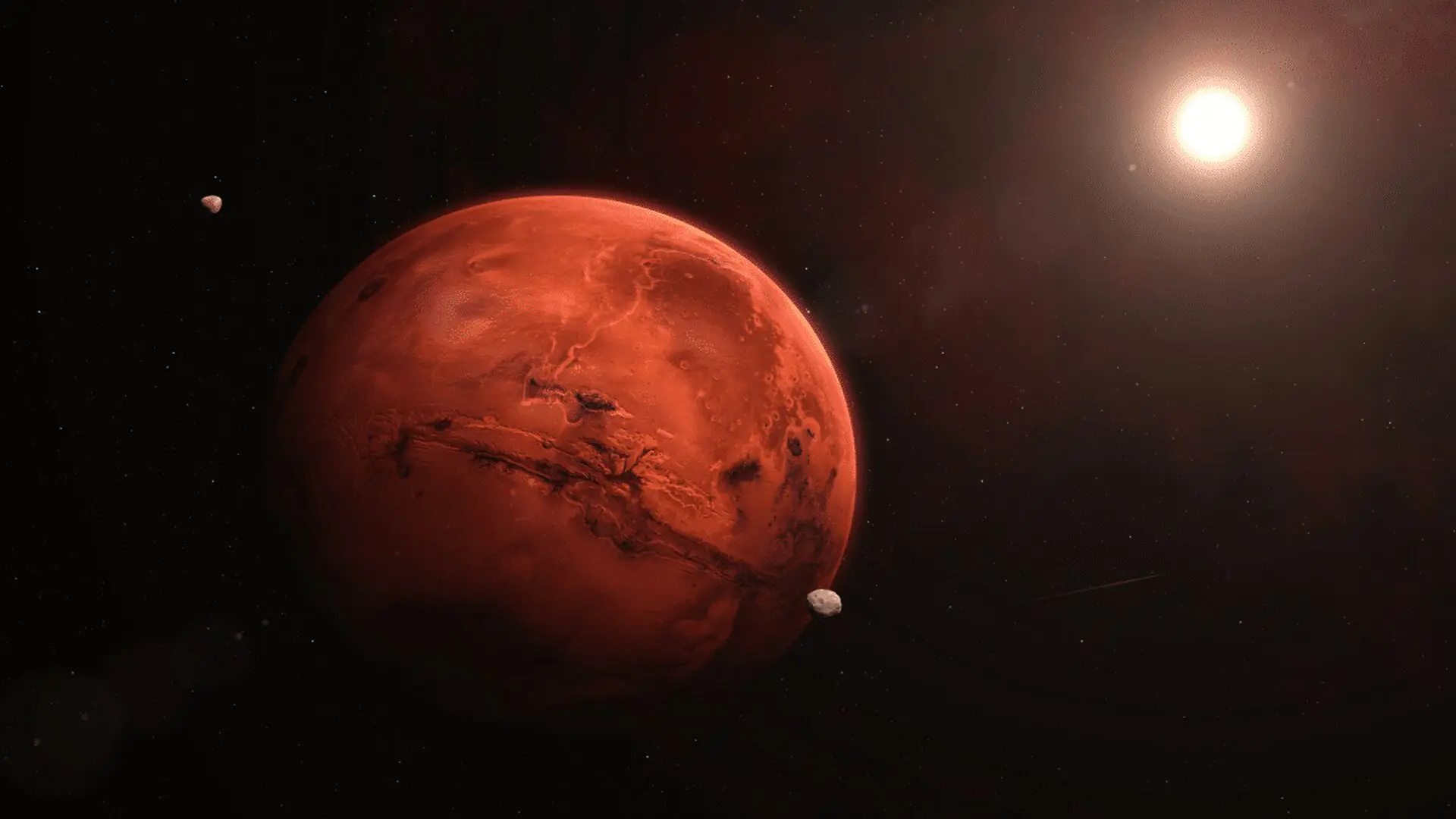
Engineering breakthroughs originally envisioned for the harsh, barren landscape of Mars are finding an unexpected second life in the fermentation tanks of terrestrial breweries. NASA-backed research, once focused on the logistical challenge of surviving on the Red Planet, has been repurposed into compact systems that capture and purify carbon dioxide, transforming industrial waste into a valuable manufacturing commodity.
From Planetary Exploration to Industrial Efficiency
The roots of this technology trace back to the 1990s, when NASA’s Johnson Space Center awarded a series of Small Business Innovation Research (SBIR) contracts to Pioneer Astronautics. Engineers were tasked with developing automated, high-efficiency systems capable of harvesting the Martian atmosphere. By pulling carbon dioxide from the air and reacting it with hydrogen, these systems were designed to produce methane for fuel and water for life support—essential components for sustaining human life on another world.
The design constraints for space travel—extreme compactness, high reliability, and full automation—eventually proved to be the perfect blueprint for Earth-based industrial challenges. Recognizing this potential, Pioneer Energy pivoted these aerospace subsystems to address supply chain vulnerabilities in the commercial sector.
Solving Supply Chain Fragility
The transition to the brewing industry gained significant momentum in 2021, when a tightening global supply of commercial carbon dioxide threatened production at businesses like the Maine Beer Company. Because breweries rely on the gas for everything from carbonating finished beverages to purging packaging lines, a supply shortage posed an existential threat to operations.
“There was potential for our beer to go stale in the tanks,” explained Dave Love, the brewery’s sustainability manager. “We wouldn’t be able to use CO2 for any of our bottling, kegging, or centrifuge operations.”
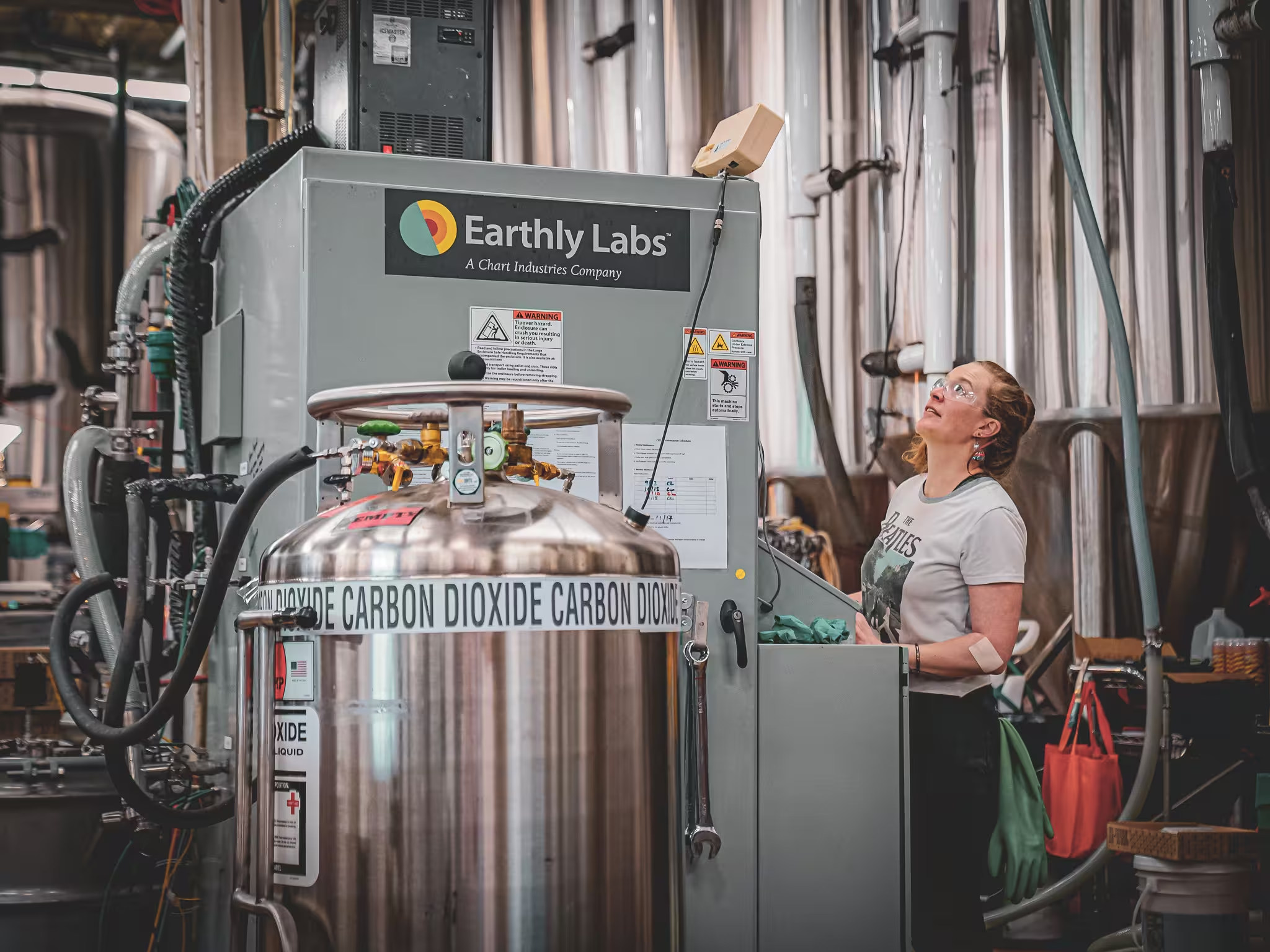
The solution arrived in the form of a technology platform originally developed to manage atmospheric resources on Mars. By capturing the CO2 naturally produced during the fermentation process, breweries were able to purify the gas and recycle it on-site. The technology was commercialized through the Craft Brewery Recovery System, later brought to scale by the Austin-based firm Earthly Labs, which secured an exclusive license to deploy the NASA-linked innovation.
Broadening the Scope of Carbon Recovery
The success of these units within the beverage industry has paved the way for broader environmental and economic applications. Today, the technology is utilized across wineries, distilleries, and energy facilities, proving that waste management can be reimagined as resource management. The systems have even drawn interest from the helium production sector, where they assist in the complex separation of gases during extraction processes.
The evolution of this project reached a new milestone in 2021 when Chart Industries Inc. acquired Earthly Labs. This merger has allowed for the scaling of the technology to larger industrial sites, including power generation plants. It serves as a compelling case study on the “spinoff” effect of space research, illustrating how engineering solutions designed for the most extreme environments in the solar system are providing pragmatic, sustainable answers to the resource demands of our own planet. For more on the carbon reservoirs that once inspired this research, or to track further developments in NASA-linked technology, the trajectory remains a clear example of how aerospace ingenuity translates into tangible industrial benefits.
This article has been fact checked for accuracy, with information verified against reputable sources. Learn more about us and our editorial process.
Last reviewed on .
Article history
- Latest version
Reference(s)
- Wagner, Andrew. “NASA's Machines for Mars Make Beer Bubbly - NASA.”, September 24, 2026 NASA <https://www.nasa.gov/technology/tech-transfer-spinoffs/nasas-machines-for-mars-make-beer-bubbly/>.
Cite this page:
- Posted by Karan Das