NASA Is Testing New Tech To Help Spacecraft Nail Precise Landings On The Moon And Beyond
NASA is developing cutting-edge guidance technology designed to help future spacecraft land safely in the most challenging terrain across the solar system.
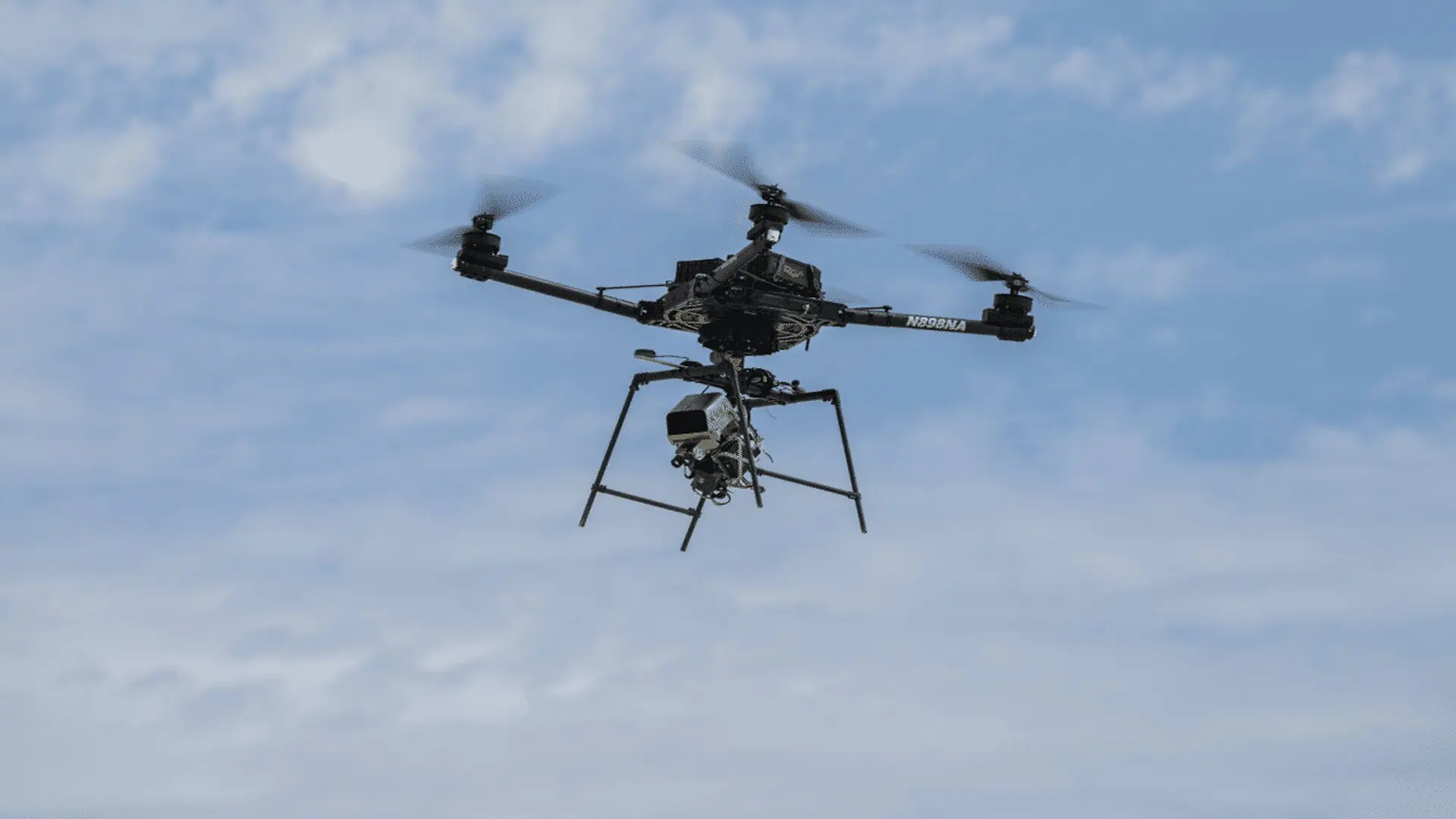
New Autonomous Navigation System Paves Way for High-Stakes Lunar Landings
NASA is refining a sophisticated navigation suite engineered to guide spacecraft onto challenging lunar terrain with unprecedented accuracy. Known as the Safe and Precise Landing – Integrated Capabilities Evolution (SPLICE), this technology recently hit a major developmental milestone by successfully executing a series of simulated descent and landing maneuvers.
As lunar and planetary exploration goals grow more ambitious, the agency is prioritizing systems that can manage the complexities of touchdown in scientifically rich but rugged environments. Future mission profiles often target craters and uneven landscapes that demand a higher degree of precision than traditional, legacy landing systems can offer.
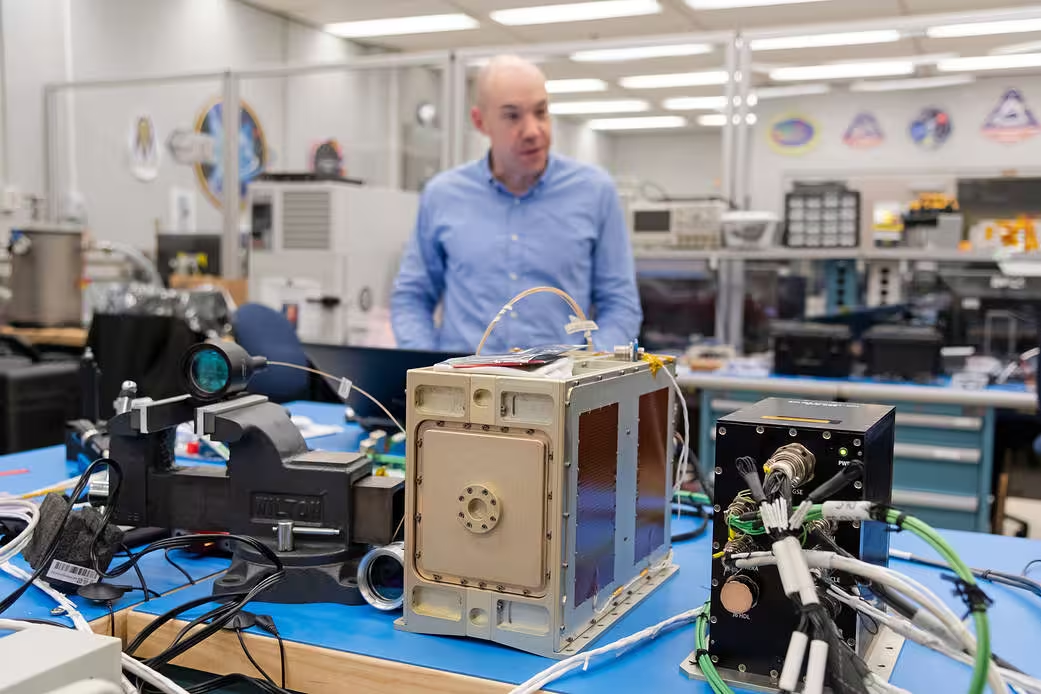
Bridging the Gap Between Simulation and Surface
To prepare the hardware for the harsh realities of space flight, researchers have been conducting rigorous field tests at NASA’s Armstrong Flight Research Center in California. On August 27, 2026, the team utilized an Alta-X drone to carry the experimental SPLICE suite through flight maneuvers that mimic the descent trajectory of a lunar-bound vehicle.
Developed at the Johnson Space Center, the project integrates advanced guidance, navigation, and onboard processing. By synthesizing real-time terrain data, the system allows a spacecraft to autonomously identify hazardous obstacles and steer toward a safer landing zone during its final descent.
Autonomy in Deep Space
The reliance on autonomous decision-making is a central pillar of the SPLICE design. Because signal latency makes real-time human control impossible for missions to Mars or distant icy moons, the spacecraft must be capable of processing environmental hazards independently. Enabling a vehicle to verify its own position and adjust its path in milliseconds is essential for expanding the reach of both robotic and human-crewed exploration.
By moving beyond the limitations of pre-mapped landing zones, this technology promises to unlock access to geological sites that were once deemed too risky for landing. As NASA continues to advance these capabilities through repeated flight testing, the data gathered will form the foundation for the next generation of solar system exploration, ensuring that spacecraft can reliably reach their targets regardless of how unforgiving the terrain may be.
This article has been fact checked for accuracy, with information verified against reputable sources. Learn more about us and our editorial process.
Last reviewed on .
Article history
- Latest version
Reference(s)
- “Practicing for Safe Landings on the Moon and Beyond - NASA.” NASA <https://www.nasa.gov/image-article/practicing-for-safe-landings-on-the-moon-and-beyond/>.
Cite this page:
- Posted by Karan Das