NASA Is Sending A Nuclear Powered Mars Rover To The Moon To Hunt For Water Ice
NASA’s nuclear-powered PROMISE rover will hunt for lunar ice and test essential technologies to support the construction of humanity’s first Moon base.
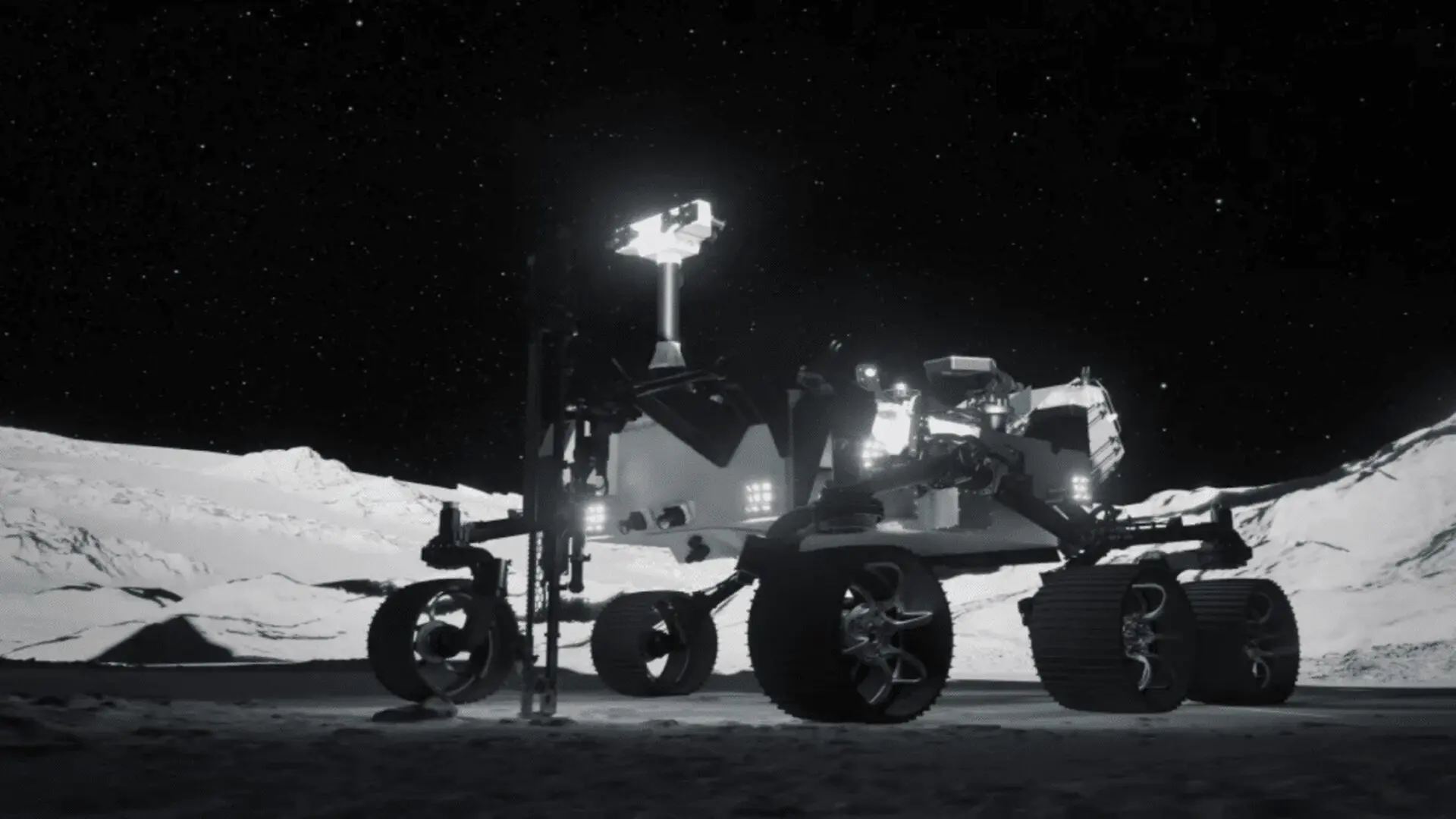
NASA is preparing to launch a nuclear-powered rover to the Moon’s South Pole by late 2028, repurposing battle-tested Martian hardware to scout for vital resources. The mission, titled the Polar Rover for Observation, Mapping, and In-Situ Exploration (PROMISE), aims to lay the groundwork for a permanent human presence on the lunar surface by hunting for subterranean water ice and stress-testing the stability of the terrain.
Repurposing Red Planet Heritage for Lunar Discovery
Rather than starting from scratch, NASA’s Jet Propulsion Laboratory (JPL) is leveraging over three decades of Martian exploration experience. The PROMISE vehicle is being constructed using components from the agency’s successful Curiosity and Perseverance programs. Engineers are utilizing a flight-ready test bed model of Curiosity, retrofitting its chassis, mobility systems, and onboard electronics to withstand the harsh conditions of the lunar environment.
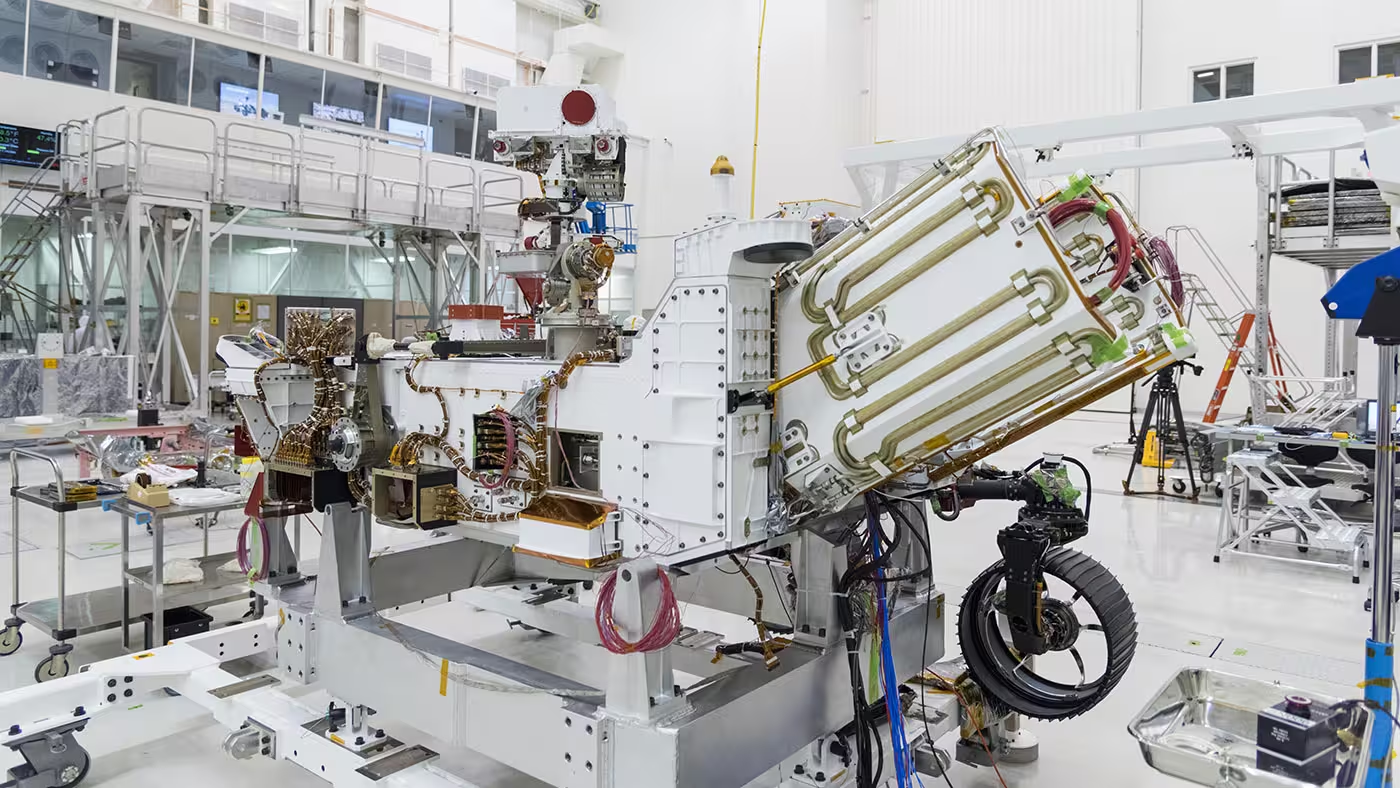
Nuclear Power Enables Exploration of Eternal Shadow
A critical advantage of the PROMISE mission is its reliance on a multi-mission radioisotope thermoelectric generator (MMRTG). Unlike solar-powered explorers that must remain within reach of sunlight to recharge, the MMRTG generates electricity through the natural decay of plutonium-238. This constant power supply is essential for exploring the Moon’s South Pole, where the Sun hugs the horizon and deep craters remain permanently shrouded in darkness. In addition to powering instruments, the system provides vital heat to keep sensitive components functional in the freezing temperatures of these shadowed regions.
The mission will also serve as a test platform for advanced autonomous systems. NASA intends to integrate High Performance Spaceflight Computing (HPSC), Surface Characterization and Autonomous Navigation in 3D (SCAN-3D), and High-speed Intelligent Robust Autonomous Terrain Exploration (HI-RATE) software. These tools will allow the rover to map its surroundings and avoid hazards in real-time, reducing its reliance on direct commands from Earth.
Drilling into the Lunar Subsurface
PROMISE is equipped with the Regolith and Ice Drill for Exploring New Terrain (TRIDENT), a specialized tool capable of boring up to 3.3 feet (1 meter) into the lunar soil. This depth allows researchers to probe for water ice and other volatile compounds that have been trapped in the regolith for eons.
The rover’s internal laboratory suite is designed to analyze these samples with precision:
- MSOLO: The Mass Spectrometer Observing Lunar Operations will detect and identify volatile substances.
- NIRVSS: The Near-Infrared Volatiles Spectrometer System will provide context on the materials associated with ice deposits.
- NSS: The Neutron Spectrometer System will map hydrogen distribution beneath the surface.
If these instruments identify significant ice reserves, the findings could fundamentally shift mission planning, as extracted water could be converted into oxygen or rocket propellant for future explorers.
Evaluating the Moon as a Construction Site
Beyond resource detection, the mission serves a practical engineering purpose: assessing whether the lunar surface is capable of supporting heavy infrastructure. By utilizing its six-wheeled drive system, the rover will perform “soil mechanics” tests. Engineers will monitor how the wheels interact with the lunar dust, even using the vehicle to dig trenches to gauge the load-bearing capacity of the ground. This data will be crucial for designing future landing pads, habitats, and transportation networks.
By operating in tandem with other missions like the Volatiles Investigating Polar Exploration Rover (VIPER), PROMISE will help build a comprehensive map of the lunar South Pole. Through this combination of legacy hardware and cutting-edge analytical tools, NASA hopes to turn the Moon into a viable, long-term destination for human exploration.
This article has been fact checked for accuracy, with information verified against reputable sources. Learn more about us and our editorial process.
Last reviewed on .
Article history
- Latest version
Cite this page:
- Posted by Karan Das