NASA Perseverance Finds Tiny Mars Dust That Could Pose a Major Health Risk to Astronauts
NASA has identified a critical, unavoidable challenge that future astronauts will face while trying to live on Mars. Learn what could jeopardize the mission.
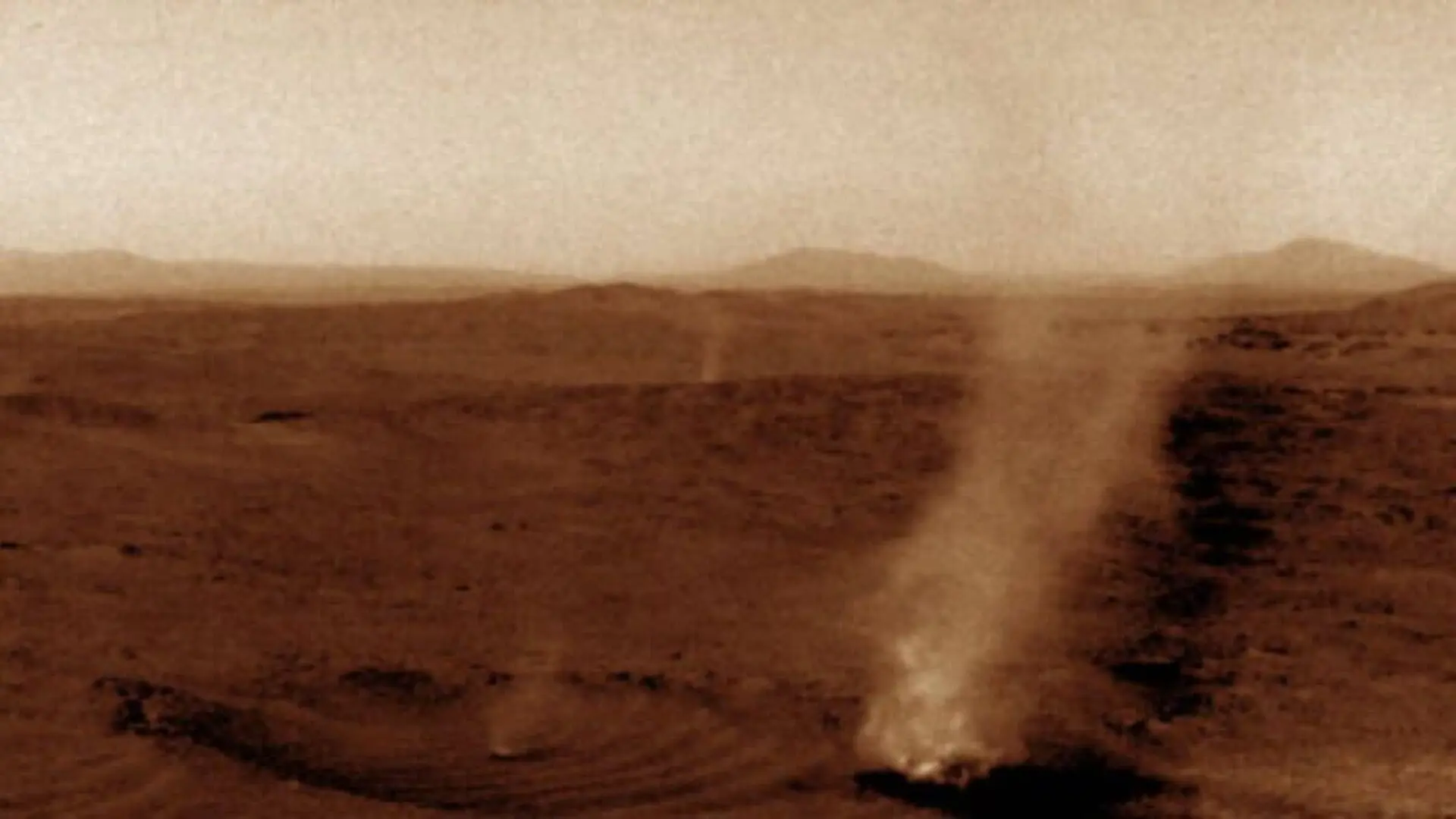
NASA’s Perseverance rover has uncovered a hidden challenge for future human exploration of the Red Planet: the presence of incredibly fine dust particles. Recent findings indicate these particles measure between 100 and 200 nanometers, a size range that presents a potential respiratory risk. Because these grains are hundreds of times smaller than a human hair, they could bypass standard protective barriers, traveling deep into the lungs or even entering the bloodstream if they contaminate a crewed habitat.
A new study, recently published in the Proceedings of the National Academy of Sciences, highlights the complexity of managing Martian soil. While dust is already known to interfere with mechanical equipment and sensitive sensors, the health implications for astronauts add a critical layer to mission planning.
Data from Jezero Crater Reveals Unexpected Dust Profiles
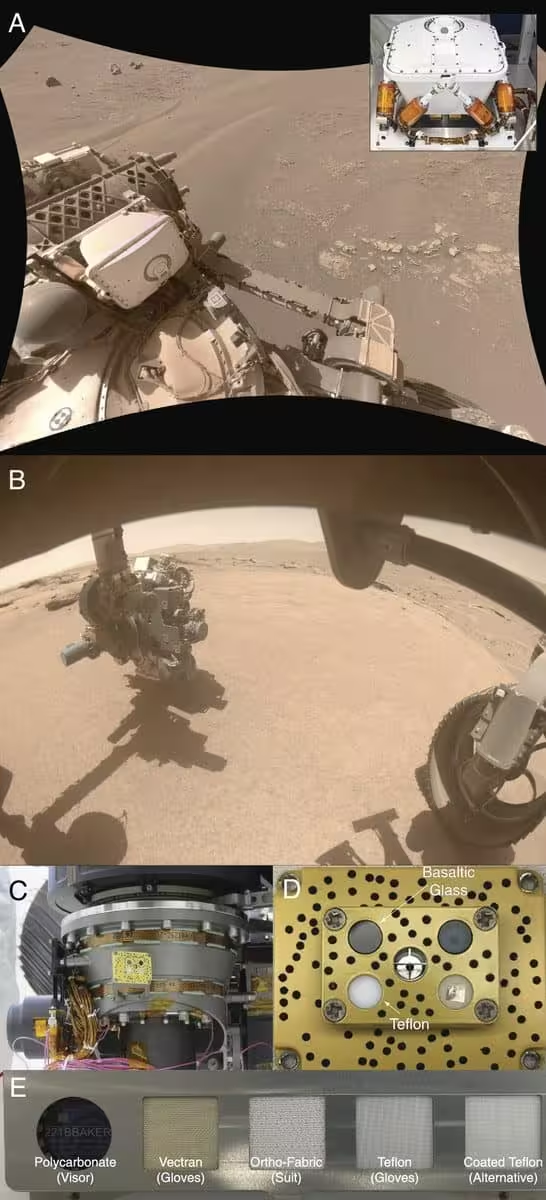
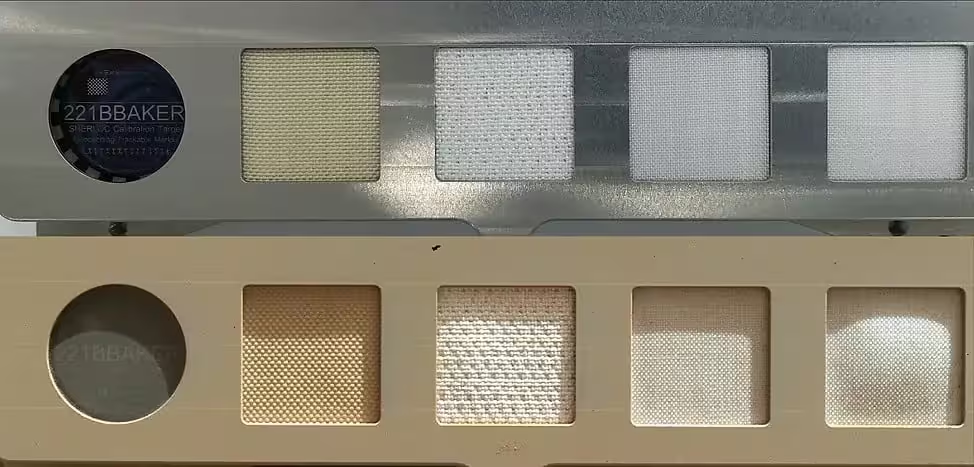
Since touching down in Jezero Crater in 2021, Perseverance has primarily focused on the hunt for ancient biological signatures. However, researchers utilized the rover’s PIXL instrument—designed for X-ray rock analysis—to examine dust that accumulated on calibration targets and experimental swatches of spacesuit fabric. Scott VanBommel of Washington University in St. Louis, who led the investigation, described the endeavor as a unique opportunity for “bonus science” in a conversation with Chemical & Engineering News.
By comparing pre-launch measurements with data gathered on the Martian surface, the team discovered a significant disparity in particle size depending on the material. Dust on glass calibration targets averaged approximately 140 nanometers, while Teflon surfaces collected particles averaging 300 nanometers. In contrast, Vectran fabric acted as a trap for larger debris, snagging grains that averaged 2 micrometers in size.
Material Durability and the Risk of Inhalation
The study offered a measure of relief regarding the structural integrity of future exploration gear. After 1,645 Martian days, the materials showed no significant degradation. This stands in stark contrast to the experience of Apollo astronauts on the Moon, where sharp, jagged lunar dust caused immediate abrasion to visors and equipment. Because Martian winds have smoothed the surface of these grains over eons, they lack the immediate, needle-like damage potential of lunar dust.
However, the danger has shifted from abrasion to internal health hazards. In addition to their microscopic size, these particles carry a complex chemical signature, including iron, silica, and perchlorates—the latter of which are known to impact thyroid health. The researchers also detected elevated concentrations of phosphorus in the fine dust samples.
“Like any substance, toxicity depends on dose and duration. Martian dust contains silica, iron compounds and chlorine compounds such as perchlorate, which are known to be harmful at high enough doses on Earth,” VanBommel noted in an interview with Reuters.
While NASA has established safety benchmarks for dust exposure, much of the current guidance relies on extrapolated data from lunar missions. Engineers are now focusing on aggressive mitigation strategies, including the development of advanced filtration systems capable of trapping sub-micrometer particles, specialized airlock designs, and “suitport” technology that would allow astronauts to enter their habitat without bringing external dust inside.
This article has been fact checked for accuracy, with information verified against reputable sources. Learn more about us and our editorial process.
Last reviewed on .
Article history
- Latest version
Reference(s)
- VanBommel, Scott J.., et al. “Fine and ultrafine Martian dust presents additional risks for future crewed missions to Mars.” Proceedings of the National Academy of Sciences, vol. 123, no. 44, October 26, 2026 National Academy of Sciences, doi: 10.1073/pnas.2620747123. <https://www.pnas.org/doi/10.1073/pnas.2620747123>.
- Samuels, Fionna. “‘Bonus science’ finds the composition of ultrafine dust on Mars.”, November 3, 2026 American Chemical Society <https://cen.acs.org/physical-chemistry/astrochemistry/martian-dust-analysis-hazard-x-ray/104/web/2026/11?utm_source=chatgpt.com>.
- <https://www.reuters.com/science/nasa-rover-detects-ultrafine-dust-particles-mars-2026-10-28/>.
- “Martian Dust Exposure Limits Sp 20260005907.” <https://www.nasa.gov/wp-content/uploads/2026/07/martian-dust-exposure-limits-sp-20260005907.pdf>.
Cite this page:
- Posted by Karan Das