Astronauts Take Shelter in SpaceX Dragon as ISS Faces Persistent Air Leak
Astronauts sought refuge in a SpaceX Dragon capsule during an ISS air leak, revealing the challenges of managing the aging space station.
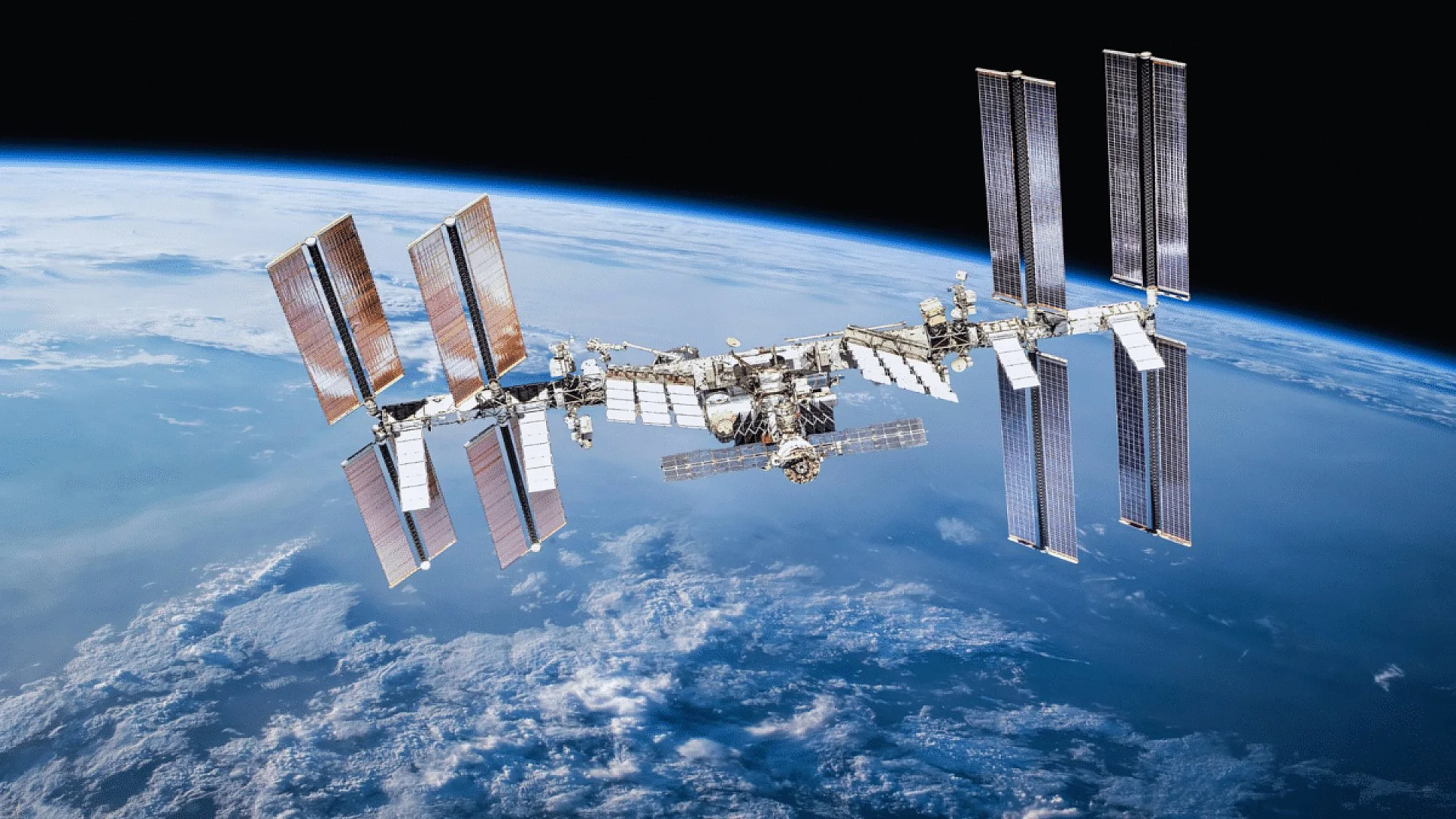
An unexpected loss of pressure in the International Space Station’s PrK transfer corridor forced the crew to seek temporary refuge inside the docked SpaceX Dragon capsule named Freedom, underscoring the ongoing difficulty of keeping the aging orbital outpost operational.
Immediate Safety Response
NASA’s rapid reaction followed the detection of a pressure drop in the tunnel linking the Russian Zvezda service module to the rest of the station. Bethany Stevens, a NASA spokesperson, said on X, “Out of an abundance of caution, NASA has directed all four of the agency’s SpaceX Crew‑12 members and NASA astronaut Chris Williams to assume an elevated safety posture in the Dragon spacecraft while the repair is underway.”
The four SpaceX Crew‑12 astronauts—Jessica Meir, Jack Hathaway, Sophie Adenot, and cosmonaut Andrey Fedyaev—joined Chris Williams, who arrived on a Soyuz vehicle, inside the Dragon capsule. Their swift relocation ensured protection while Russian engineers worked on the leak, illustrating the station’s well‑drilled emergency procedures.
The Zvezda service module transfer tunnel, known as PrK, has suffered from cracks and leaks for some time, and has been mitigated by Roscosmos as much as possible to date. The cracks have always been a concern that NASA watches very closely. NASA and Roscosmos have been working…
— Bethany Stevens (@NASASpox) June 5, 2026
Root Cause and Historical Context
The PrK tunnel’s leak stems from long‑standing fissures that have developed in the Zvezda module over many years. Roscosmos, Russia’s space agency, has addressed the problem with a series of temporary fixes and partial repairs, according to Stevens. Although the issue has been largely contained, a recent resurgence prompted a more comprehensive intervention.
Since the ISS became continuously occupied in November 2000, crews have relied on a blend of preventive upkeep and on‑the‑spot fixes to preserve the station’s structural health. The latest incident highlights the complexities of maintaining a laboratory that was assembled over two decades ago.
Repair Work and Temporary Halt
Cosmonauts began a repair campaign inside the Zvezda module, but the effort was suspended shortly thereafter. Stevens explained, “Roscosmos has paused Friday’s structural repair efforts inside the Zvezda service module transfer tunnel, known as PrK, as more measurements and data is assessed,” a statement issued an hour after the crew entered the Dragon capsule.
The interruption gave engineers from both NASA and Roscosmos a window to review the collected data before deciding on the next steps. Stevens later added that NASA instructed the crew to end their safe‑haven status and resume normal activities aboard the station, demonstrating coordinated decision‑making between the two agencies.
Future of the Station’s Legacy Modules
The Zvezda module, launched in July 2000, remains one of the oldest components of the ISS, reflecting the broader challenge of aging hardware in low‑Earth orbit. Nevertheless, the outpost continues to host a full schedule of scientific investigations and is slated to operate at least through 2030, with possible extensions to 2032.
This episode illustrates how veteran modules still play vital roles in station operations, and it underscores the rigorous training and adaptability of the crew. Maintaining the ISS’s functionality depends heavily on international partnership, ensuring that humanity’s flagship space laboratory remains a cornerstone of orbital research for years to come.
This article has been fact checked for accuracy, with information verified against reputable sources. Learn more about us and our editorial process.
Last reviewed on .
Article history
- Latest version
Cite this page:
- Posted by Karan Das