NASA’s Artemis III Mission Reveals Bold Plan For Lunar Return
NASA’s Artemis III will test moon landing tech for humanity’s permanent lunar future
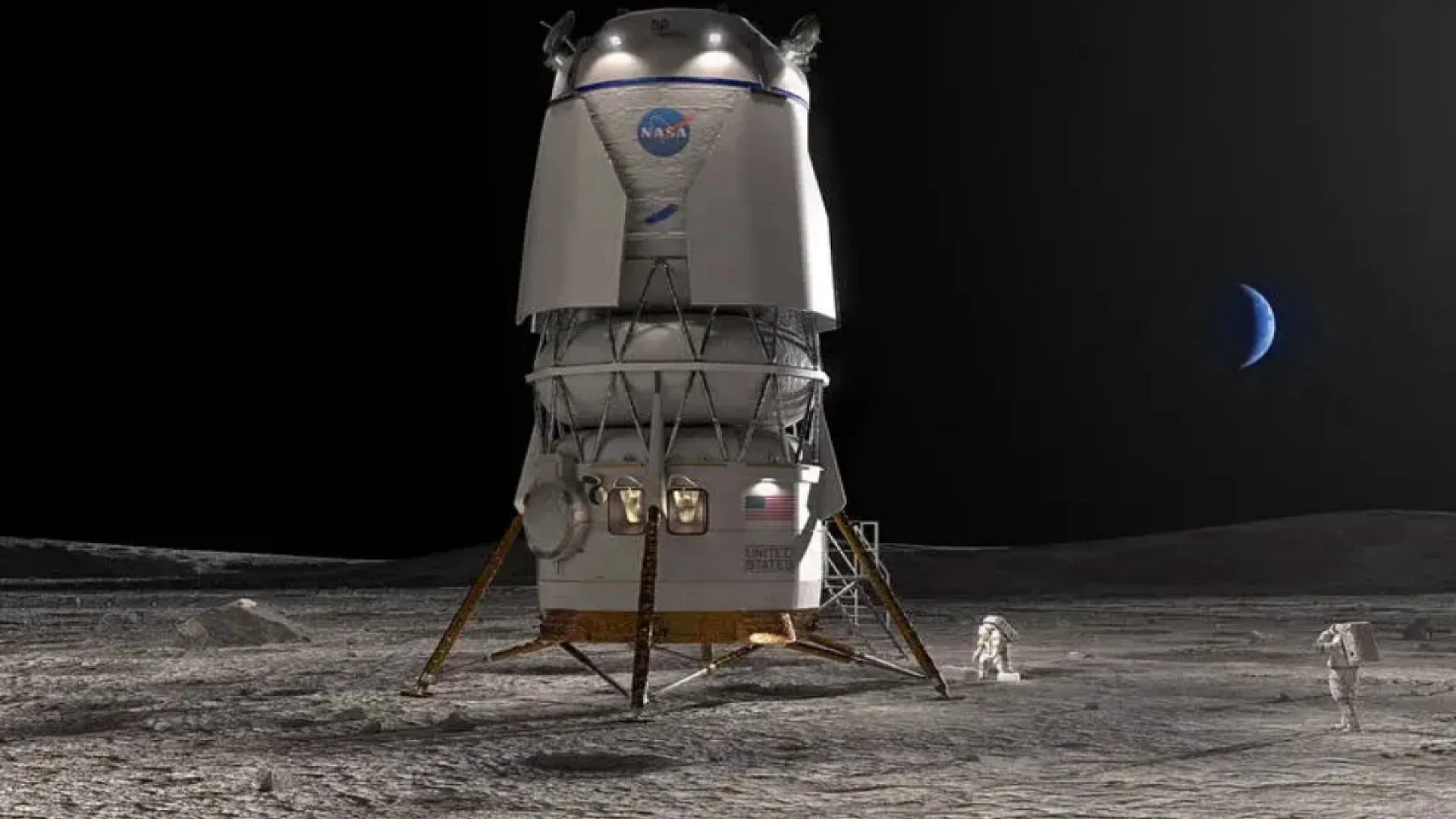
NASA is gearing up for Artemis III, the next step toward a lasting human foothold on the Moon. Planned for launch in 2027, the mission will concentrate on validating the systems that will enable astronauts to live and work on the lunar surface for extended periods.
Testing the Landing Architecture Before the First Step
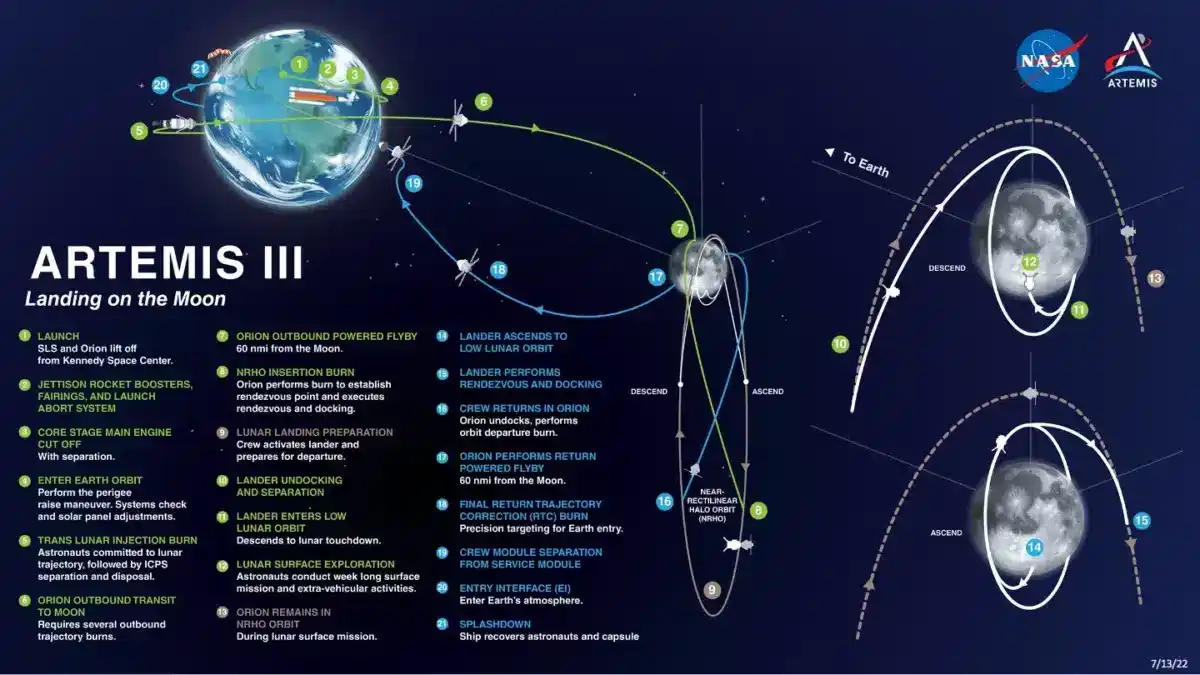
After Artemis II demonstrated that the Orion crew capsule and the Space Launch System can operate together in lunar orbit, Artemis III will shift focus to the vehicle that will actually touch down on the Moon. The agency intends to verify the docking and descent procedures that will move crew from orbit to the surface, a precautionary measure designed to eliminate risk before a full‑scale landing is attempted.
The upcoming flight will stay largely in low‑Earth orbit, where astronauts will practice Orion’s rendezvous with a lunar lander that could be built by SpaceX or Blue Origin. Successful docking in this environment is a prerequisite for Artemis IV, the mission expected to carry humans back to the Moon.
Credit: NASA
From a Historic Landing to a Safety‑First Rehearsal
The original plan called for Artemis III to be the first crewed Moon landing since 1972. In a recent briefing, NASA officials said the timeline has been altered to prioritize mission assurance over a quick return.
“This is just not the right pathway forward,” NASA Administrator Jared Isaacman explained when the plan was announced in February. “Going right to the moon … is not a pathway to success.”
By converting Artemis III into a test flight, NASA hopes to fine‑tune operational procedures, identify technical hurdles early, and build confidence for subsequent lunar excursions.
President Trump gave the world the Artemis Program, and NASA and our partners have the plan to deliver. We will standardize architecture where possible, add missions and accelerate flight rate, execute in an evolutionary way, and safely return American astronauts to the Moon,… pic.twitter.com/Qjm6BD5Ipi
— NASA Administrator Jared Isaacman (@NASAAdmin) February 27, 2026
Private‑Sector Landers Take Center Stage
While NASA continues to develop the launch vehicle and crew capsule, it is counting on commercial partners to supply the lunar descent system. SpaceX, led by Elon Musk, and Blue Origin, owned by Jeff Bezos, are competing to deliver a lander capable of transporting astronauts from orbit to the Moon’s surface. Demonstrating Orion’s ability to dock with either vehicle will shape the final design and operational concept.
The collaboration underscores the agency’s reliance on private innovation to extend human reach beyond Earth. A reliable supply chain for crew and cargo will be essential for establishing a permanent outpost on the Moon and for future missions to Mars.
This article has been fact checked for accuracy, with information verified against reputable sources. Learn more about us and our editorial process.
Last reviewed on .
Article history
- Latest version
Reference(s)
- “https://twitter.com/NASAAdmin/status/2027408590902841414/video/1.” <https://t.co/Qjm6BD5Ipi>.
Cite this page:
- Posted by Karan Das