Ancient Astronomers Saw a Brightening Star - Modern Study Links It to Binary Mass Transfer
Ancient texts named Theta Eridani a bright star; new study confirms its exceptional luminosity, validating historic observations.
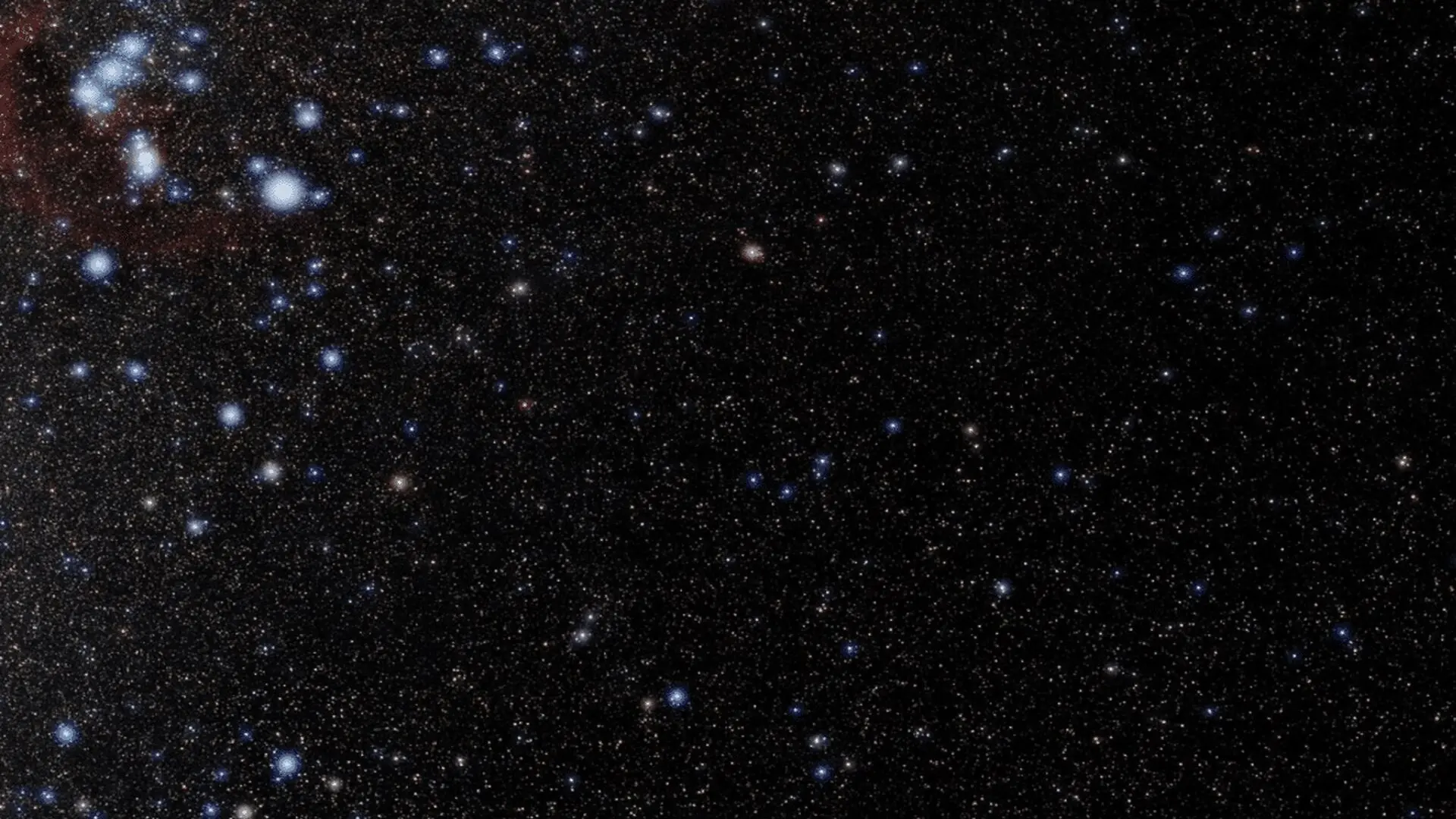
Ancient astronomers repeatedly described Theta Eridani as a standout point of light, yet contemporary measurements list it as a modest 2.9‑magnitude star. A recent paper posted on arXiv argues that the old reports were likely correct, suggesting that a brief but intense phase of mass exchange within a tight binary system amplified the star’s brilliance for several centuries before it settled into its current, subdued state.
Historical Descriptions That Challenge Modern Views
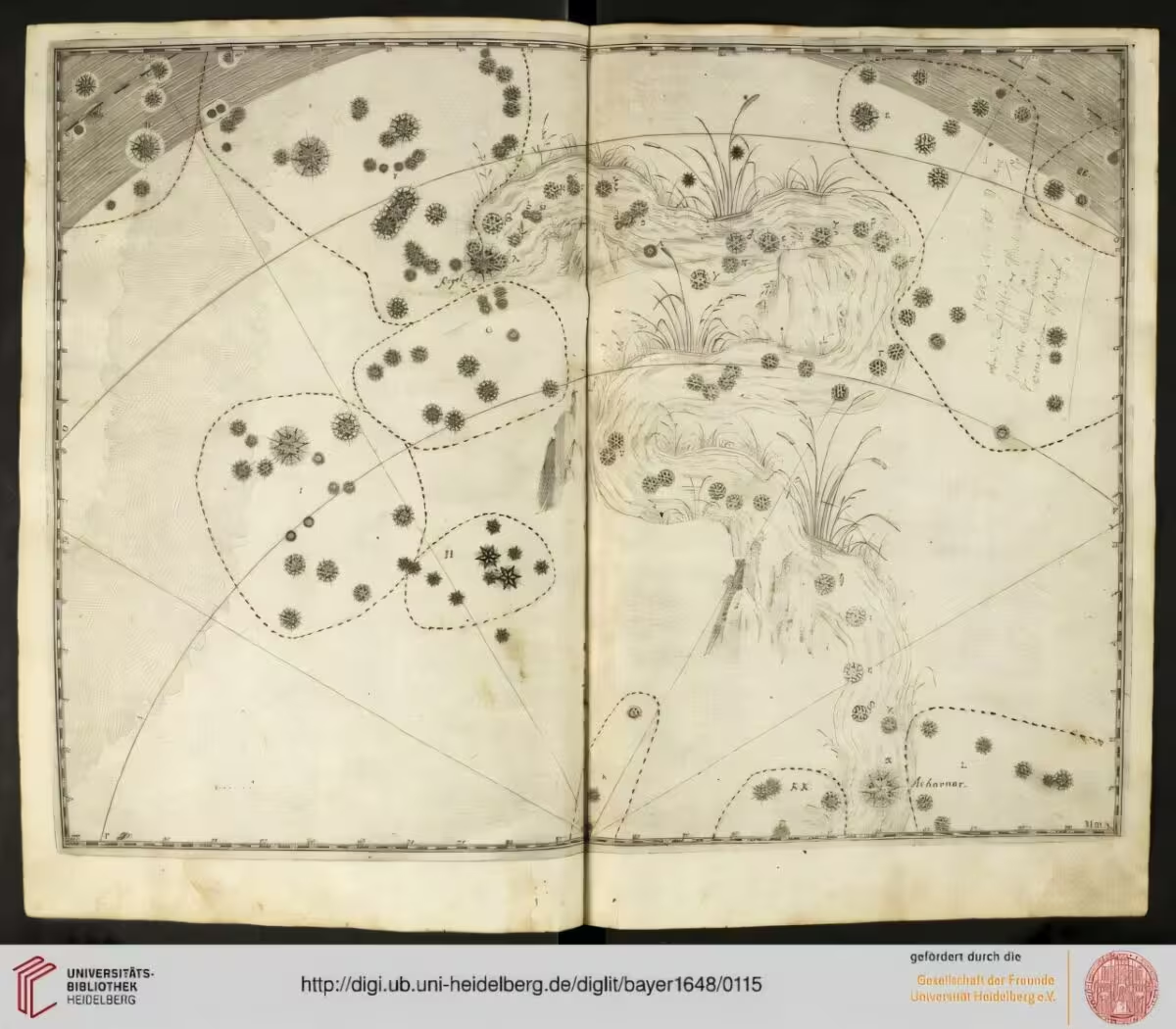
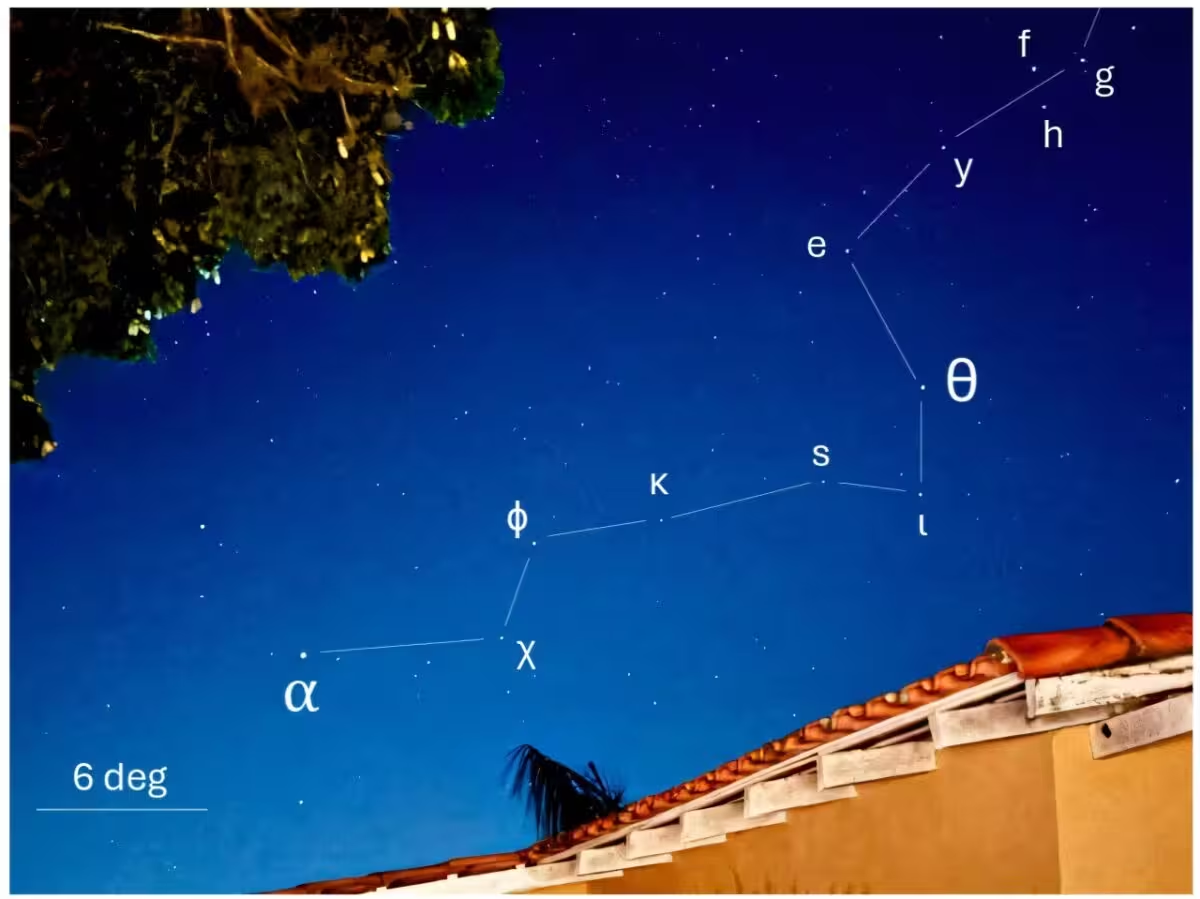
Over two millennia, written sky‑watching records have consistently painted Theta Eridani as an exceptionally luminous object. In 129 B.C., the Greek astronomer Hipparchus listed it as “the brightest and most southerly of all in the River.” Centuries later, Ptolemy ranked the star among the 13 brightest in his Almagest. The Persian scholar al‑Sufi, writing roughly eight hundred years after Ptolemy, still assigned it a magnitude of 1, implying that its striking brightness endured across diverse cultures and epochs.
The anomaly became stark when Dutch explorer Frederick de Houtman catalogued the southern sky in 1603 and recorded Theta Eridani with a magnitude of 3, matching the star’s present‑day appearance. This apparent dimming sparked debates about possible transcription errors, misidentifications, or atmospheric effects, but the uniformity of the ancient testimonies has made such explanations unsatisfactory.
Binary Star Architecture Provides a Clue
The study, accessible via arXiv, shifts focus from historical interpretation to the physical nature of Theta Eridani. High‑resolution interferometry, spectroscopic analysis, and space‑based photometry reveal that the system comprises three components: an extremely close pair orbiting each other at just 0.083 AU—about one‑fifth the distance between Mercury and the Sun—plus a more distant tertiary companion. Each of the inner stars carries a little over twice the Sun’s mass, and their present orbit is nearly circular.
The authors—Idel Waisberg and Boaz Katz—systematically examined alternative hypotheses, including possible confusion with the nearby α Eridani, copying mistakes in ancient manuscripts, and variations in atmospheric extinction. None of these scenarios satisfactorily accounted for the consistent brightness reports spanning centuries. As they state:
“… we find no convincing reason to refute the fact that Theta Eridani was visually brighter by about a factor of ten between about 2,000 and 1,000 years ago.”
Mass Transfer Episode Could Have Fueled the Ancient Glow
The proposed mechanism centers on a fleeting stage in the evolution of one member of the tight binary. As that star exhausted hydrogen in its core and began expanding, both components approached roughly 80 % of their Roche lobes—the critical surface where material can flow toward a companion. In a configuration that was likely more eccentric than today’s nearly circular orbit, the expanding star would have overflowed its lobe, spilling matter onto its partner.
The infall of this material releases gravitational energy, generating a sustained rise in luminosity rather than a brief explosive flare. Because the transfer could continue for centuries, the resulting brightness would align with the prolonged period documented by ancient sky‑watchers. Over time, the exchange would also drain orbital energy, naturally circularizing the pair into the stable arrangement observed now.
Reevaluating Ancient Astronomical Records
If the binary‑mass‑transfer model holds, it would represent a rare instance where meticulous naked‑eye observations from antiquity dovetail with modern stellar astrophysics. The convergence of independent testimonies from Hipparchus, Ptolemy, and al‑Sufi—each separated by centuries and cultural contexts—adds weight to the claim that a genuine brightening event occurred. The authors conclude:
“This strengthens the case that the apparent brightening was real and not due to an error by three different ancient observers, as has been commonly claimed in the past.”
Future surveys targeting close binary systems at comparable evolutionary stages could reveal whether prolonged luminosity enhancements through Roche‑lobe overflow are more common than currently recognized. Confirming Theta Eridani’s historic brilliance would underscore the scientific value of ancient sky‑watching logs and highlight how modern techniques can unlock stories written in the night sky long before telescopes existed.
This article has been fact checked for accuracy, with information verified against reputable sources. Learn more about us and our editorial process.
Last reviewed on .
Article history
- Latest version
Reference(s)
- Waisberg, Idel. “The forgotten bright star: Theta Eridani as a millenary stellar transient observed by Hipparchus, Ptolemy and al-Sufi.” arXiv.org <https://arxiv.org/abs/2606.30748>.
Cite this page:
- Posted by Farah Siddiqui