Why Albert Einstein Believed The True Measure Of A Human Being Is Liberation From The Self
Many adults continue to navigate life using unresolved childhood patterns. Discover why these behaviors persist and how they shape your adult relationships.
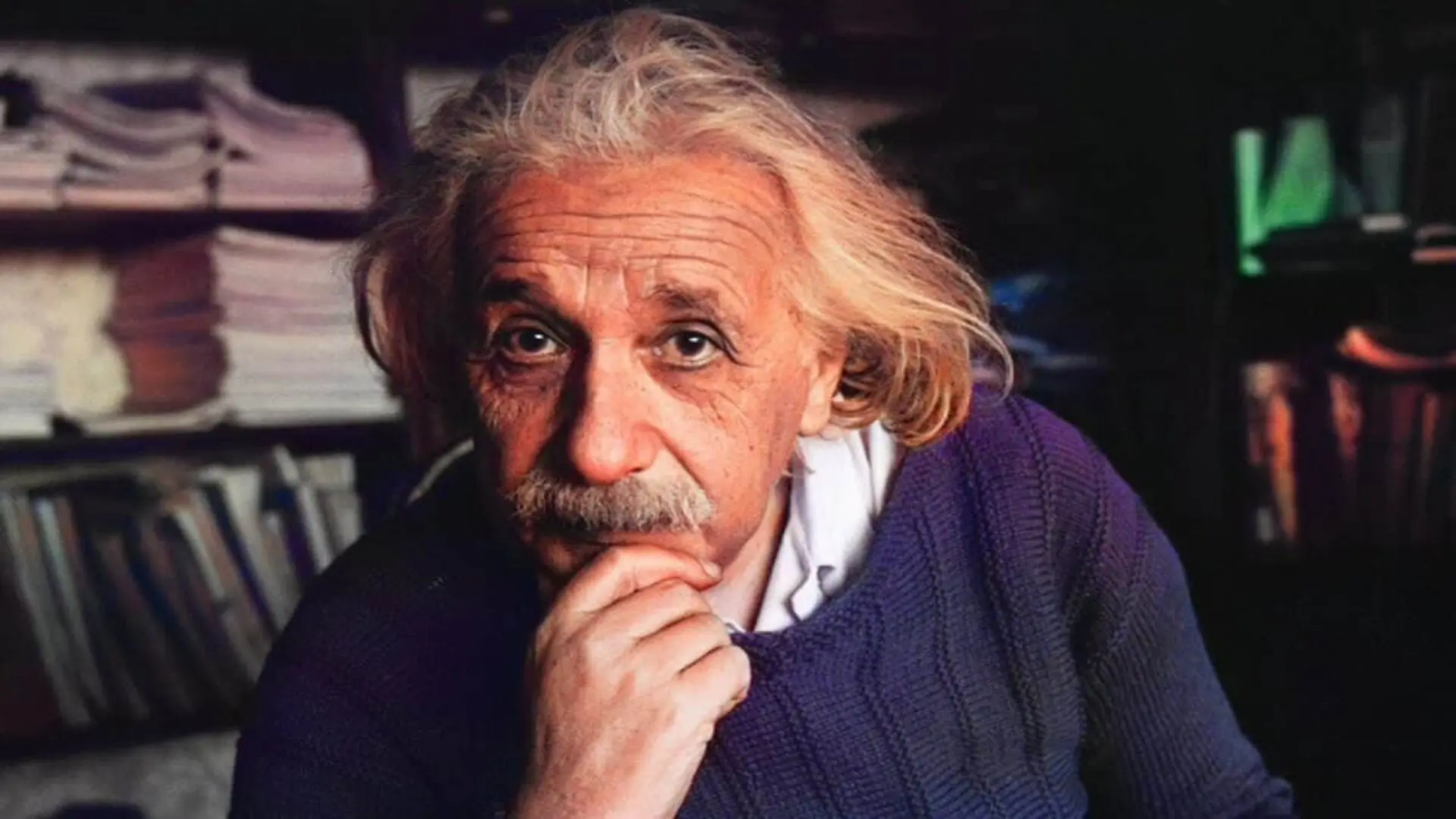
In the wake of a personal tragedy during the summer of 1949, Robert S. Marcus, a grieving father in New York City, reached out to an intellectual giant he had never met. After the loss of his 11-year-old son to polio, the rabbi penned a heartfelt request for solace to Albert Einstein. The physicist, then 70 and residing in Princeton, responded in February 1950 with a poignant 78-word letter that cut to the heart of the human condition. Einstein posited that the persistent feeling of being an isolated entity—apart from the rest of the world—was essentially an optical delusion of human consciousness. To him, the primary objective of any meaningful philosophy was to transcend this perceived separation.
This reflection was the culmination of decades of contemplation on the nature of human value. Einstein consistently argued that worth should not be measured by material success or individual accolades, but rather by the extent to which an individual can liberate themselves from the confines of their own ego. He believed that while humanity is born with powerful impulses toward self-interest, the structures of society often exacerbate this, leaving our innate capacity for empathy to wither through neglect.
Defining Worth Through Self-Transcendence
Einstein had long held that a life dedicated to the service of others was the only one truly worth living. In his 1934 collection, The World As I See It, he articulated this clearly, stating that an individual’s value is defined by the degree to which they have achieved freedom from the self. He argued that those who have contributed most to the progress of humanity are those most deserving of admiration, while dismissing wealth as a hollow pursuit. He famously used the hypothetical example of historical figures like Gandhi or Jesus carrying the moneybags of an industrialist to illustrate that material fortune is a poor metric for human contribution.
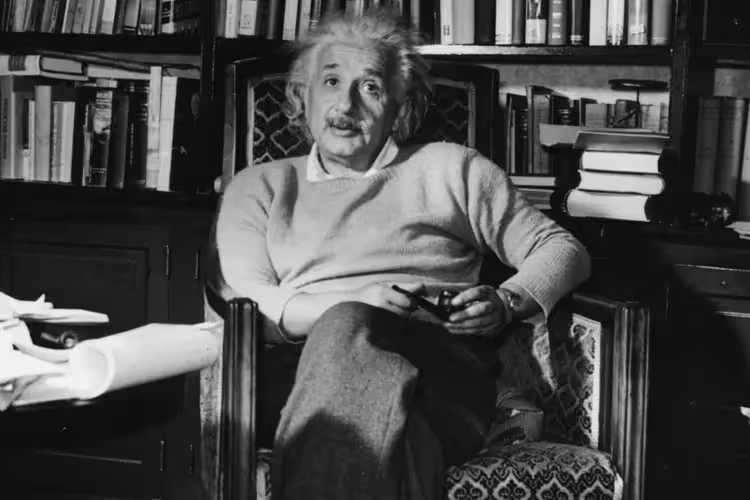
For Einstein, recognizing our interconnectedness was a daily practice. He frequently reminded himself that his existence was sustained by the labor of countless others, both living and departed, and that this created a moral obligation to reciprocate that support.
Societal Structures and the Erosion of Empathy
By the late 1940s, Einstein’s focus shifted from individual moral choices to the systemic forces that shape them. In his 1949 essay, Why Socialism?, he explored the tension between biological inheritance and social influence. He maintained that while our environment significantly molds our personality, modern society often rewards ego-driven behavior while failing to nurture our weaker impulses toward social cooperation.
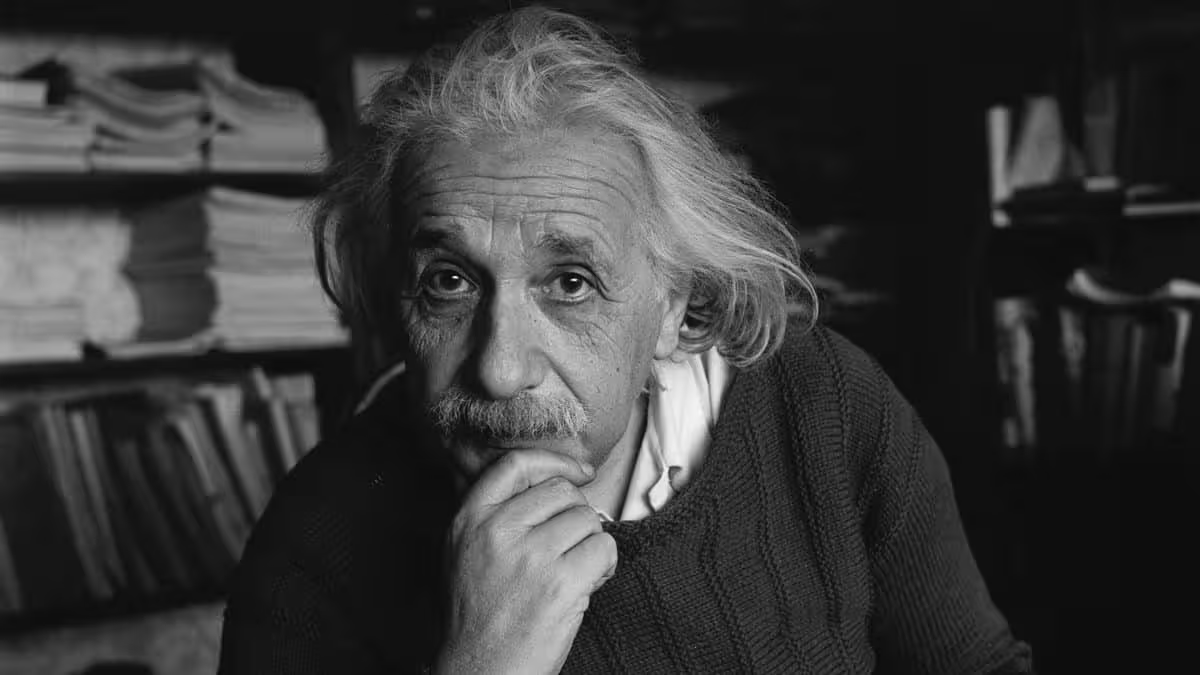
He argued that education systems should pivot away from idolizing individual achievement and power, instead cultivating an ethos of service. He believed that the habits reinforced by society are as crucial as the academic lessons provided in the classroom.
Cognitive Development and the Limits of Perspective
This challenge of breaking free from one’s own perspective was later echoed in the work of Swiss psychologist Jean Piaget. In his 1956 research, Piaget and Bärbel Inhelder demonstrated that young children often struggle with “egocentrism,” finding it difficult to visualize a scene from any viewpoint other than their own. Through experiments involving a three-mountain landscape and a doll, they observed that children under age 7 consistently assumed the doll saw exactly what they saw, highlighting a developmental barrier to empathy that must be bridged through cognitive growth.
Expanding the Circle of Compassion
Einstein touched on this theme of expanding one’s perspective in a separate, equally famous letter to Norman Salit, sent shortly after his correspondence with Marcus. In this second letter, Einstein characterized the sense of personal isolation as a form of prison. He urged a broader scope of empathy, suggesting that the only way to break out of this confinement is to extend one’s compassion to include all living beings and the natural world.
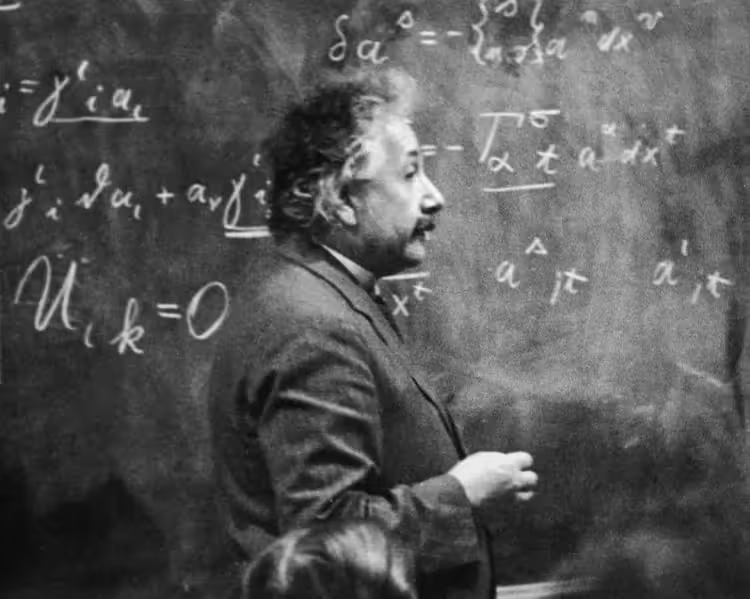
While the letters to Marcus and Salit have occasionally been conflated in public memory, each remains a testament to Einstein’s search for peace. Robert S. Marcus, a former political director of the World Jewish Congress, did not live long enough to see the full legacy of his inquiry, but his commitment to community lived on through initiatives like the library established in his name at a kibbutz for Buchenwald survivors, which opened in 1953.
This article has been fact checked for accuracy, with information verified against reputable sources. Learn more about us and our editorial process.
Last reviewed on .
Article history
- Latest version
Cite this page:
- Posted by Hassan Raza