Are Chernobyl’s Stray Dogs Carrying Genetic Mutations That Could Spread Elsewhere
Nearly four decades after the Chernobyl disaster, researchers have discovered unique genetic differences in the dogs living near the nuclear power plant.
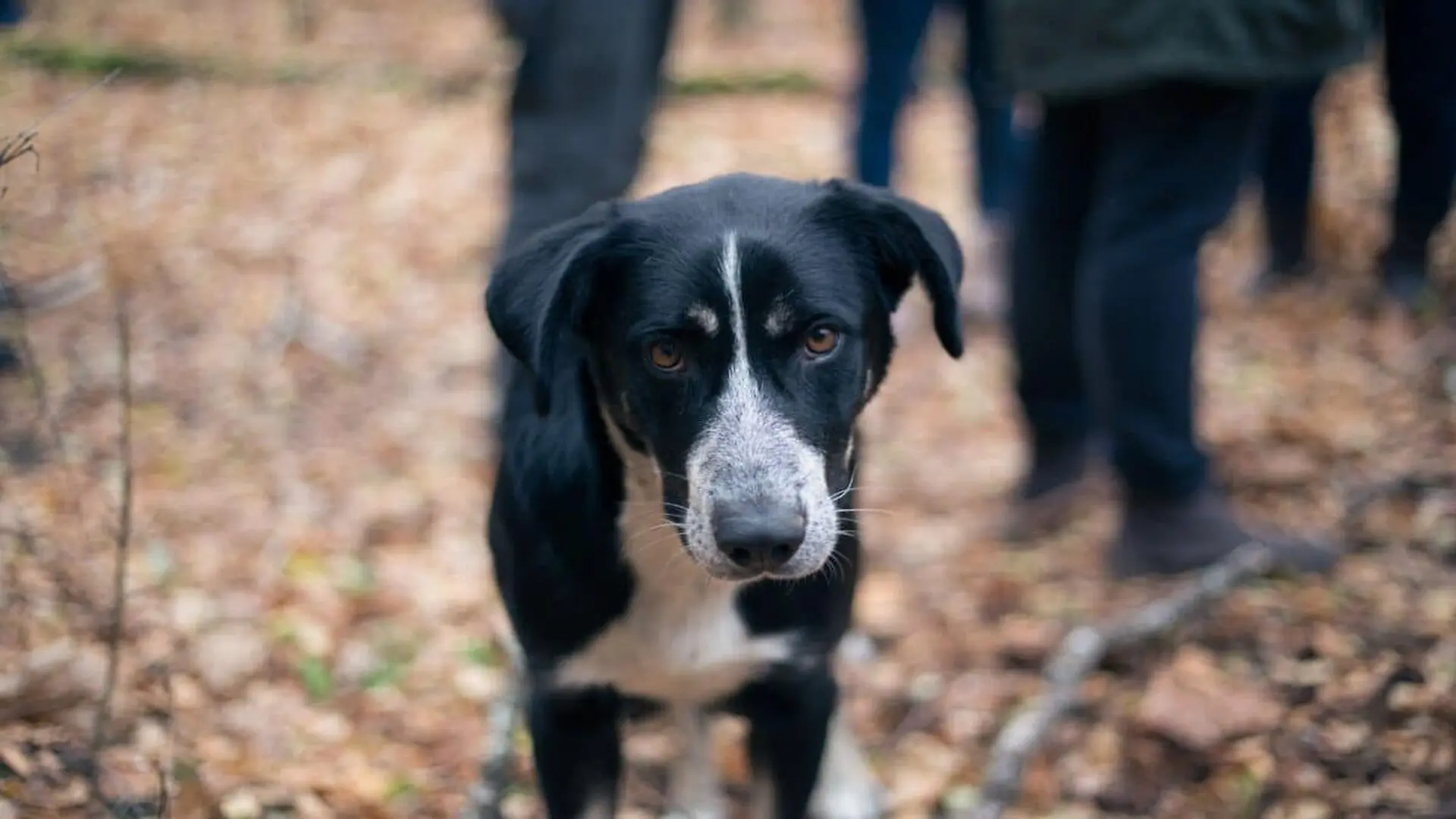
For decades, stray dogs have navigated the landscape surrounding the Chernobyl nuclear power plant, existing in the shadow of the facility that underwent a catastrophic meltdown in 1986. These animals often live alongside the rotating shifts of workers tasked with containing and dismantling the site, sometimes relying on food scraps from staff or drifting through nearby settlements. Their continued presence in a zone defined by long-term radioactive contamination provides a rare, real-world laboratory for researchers attempting to disentangle the complex genetic effects of living in such a harsh environment.
The core of the scientific inquiry centers on whether chronic radiation exposure has accelerated mutation rates in these populations. While the prospect of radiation-driven evolution has drawn significant attention, experts remain divided. Current research has yet to provide definitive proof that the genetic variations observed are direct consequences of radiation rather than the product of other environmental pressures, distinct ancestries, or demographic history.
Decoding the Genetic Divergence of Chernobyl’s Canines
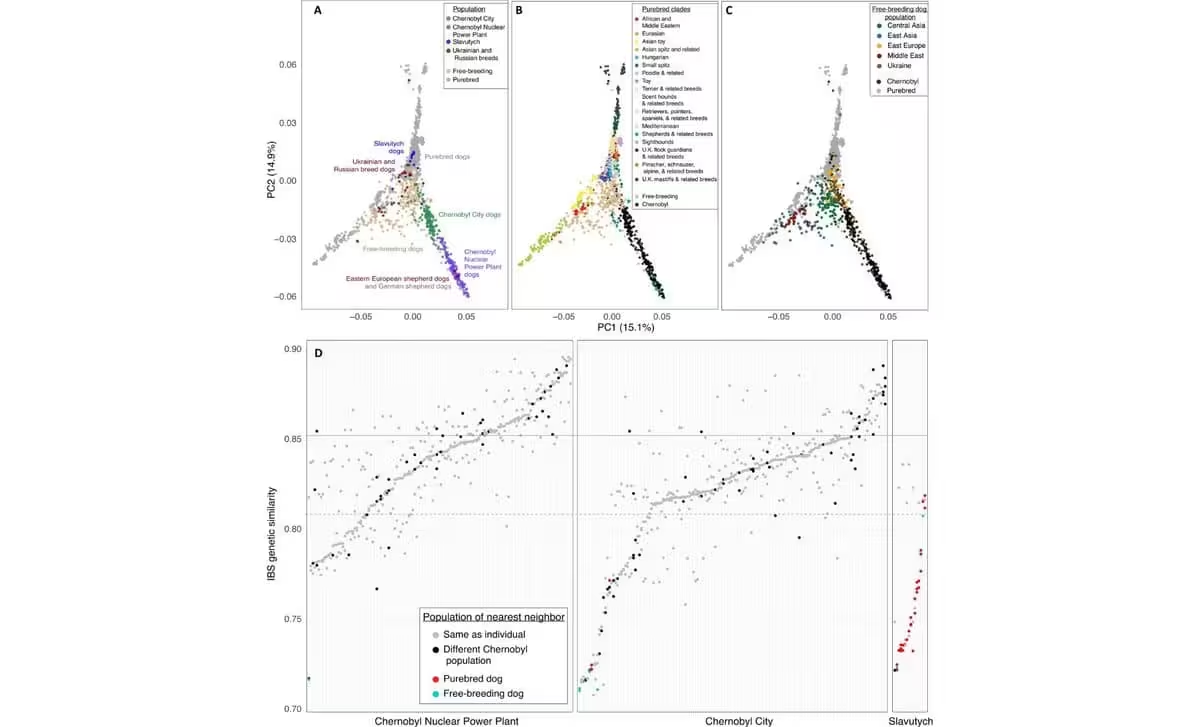
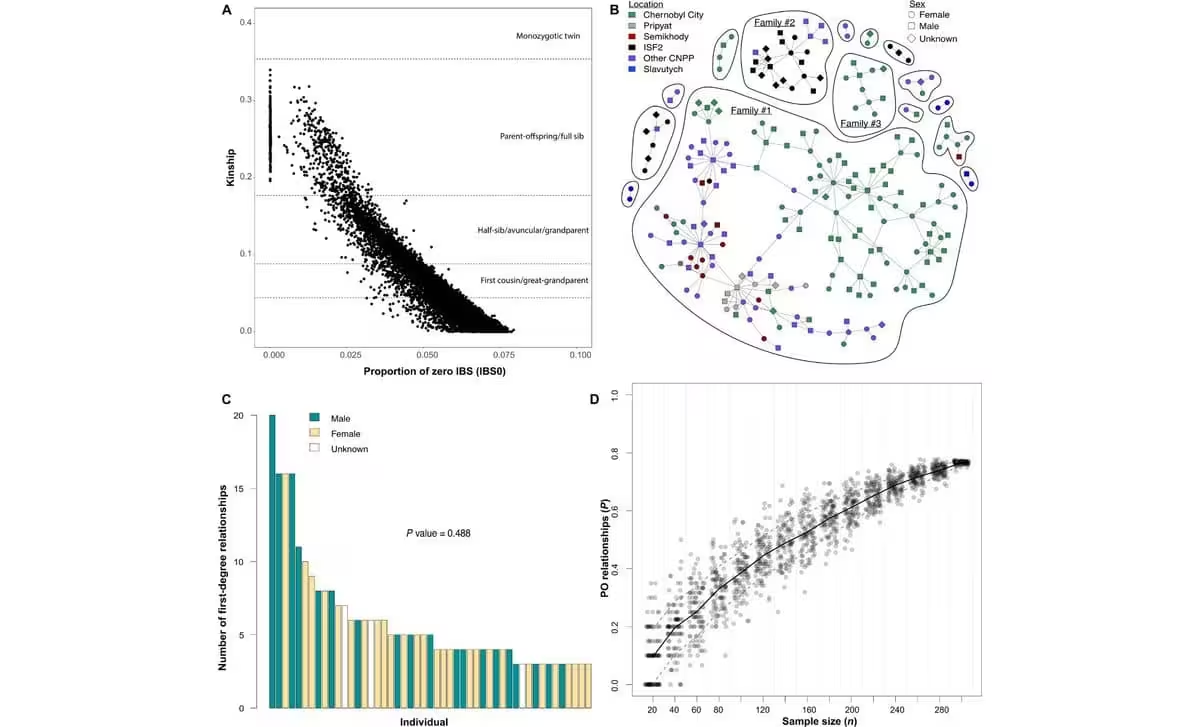
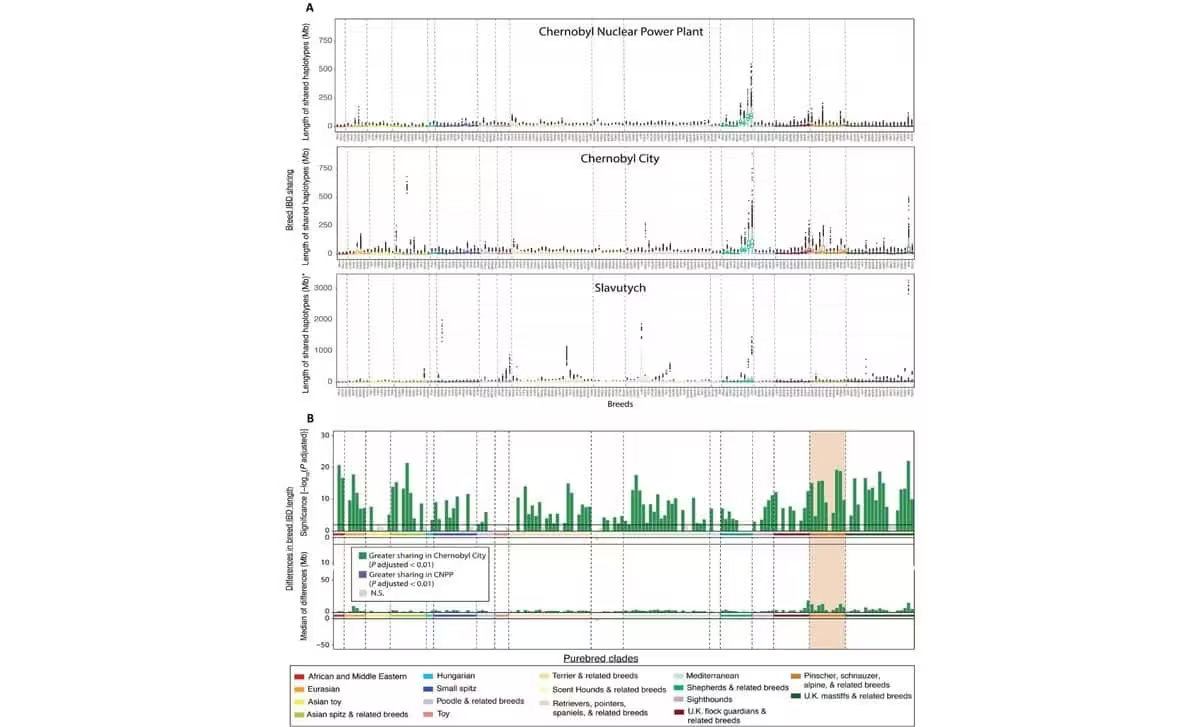
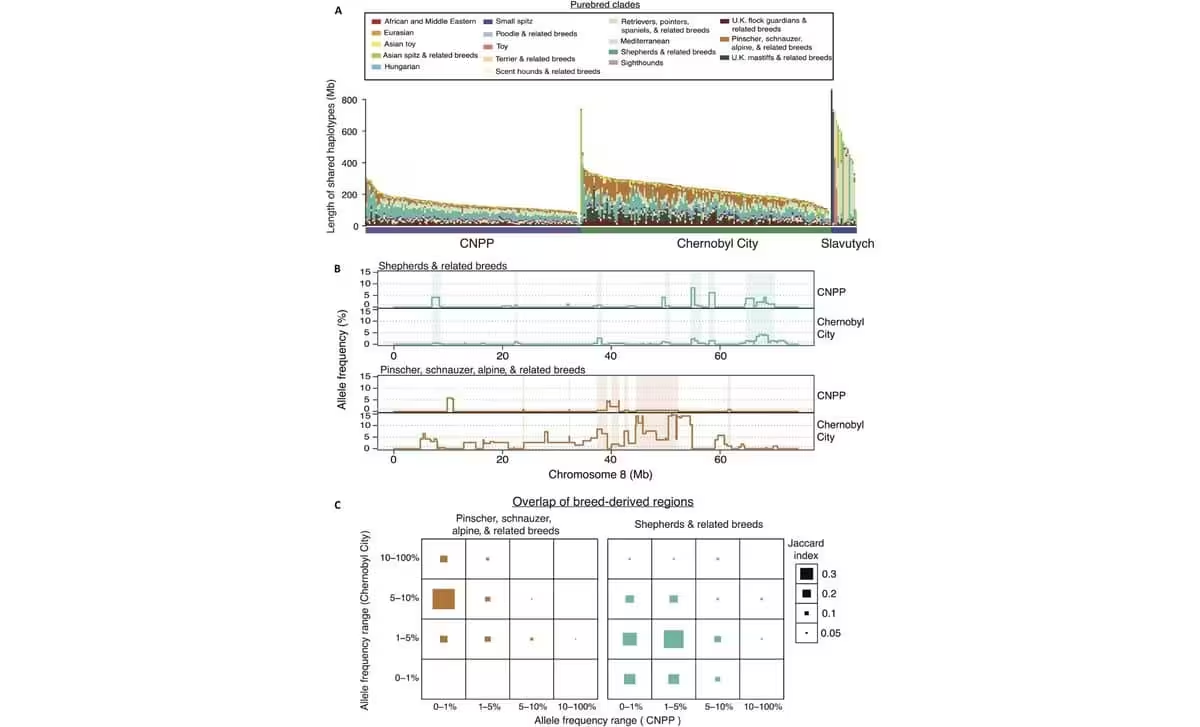
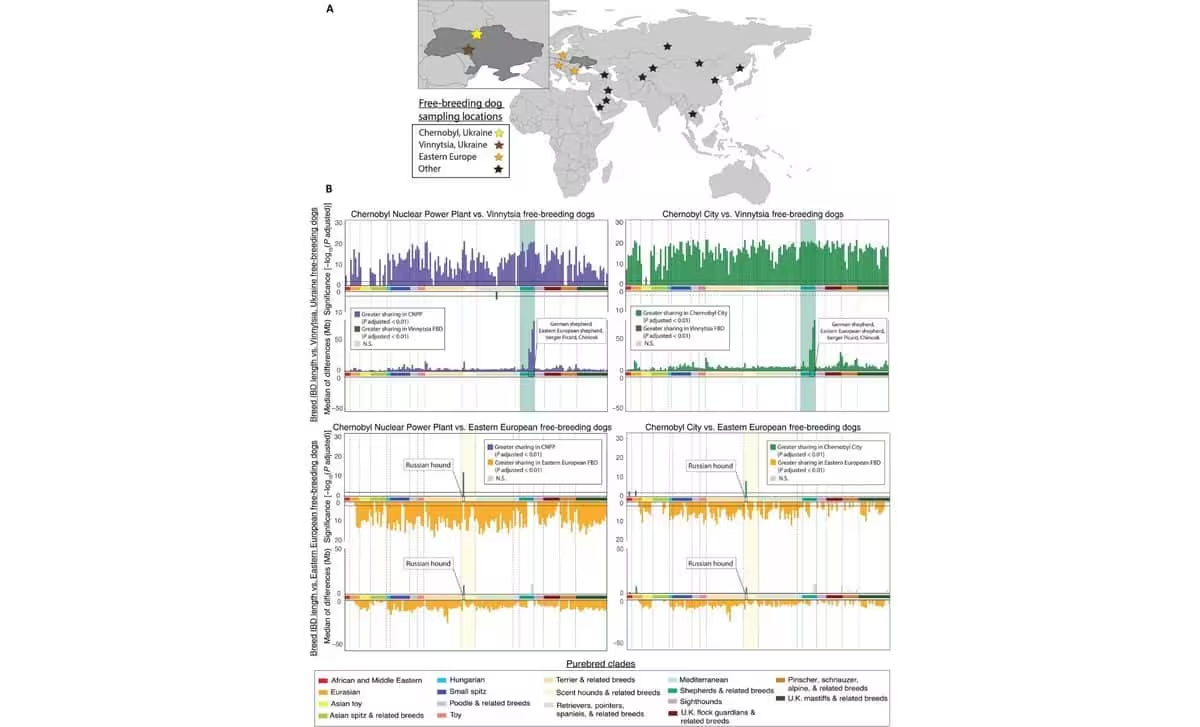
A landmark 2023 study published in Science Advances involving 302 dogs from the power plant and the surrounding vicinity identified clear genetic markers that differentiate the two groups. While the dogs at the plant site and those in Chernobyl City—located roughly 10 miles away—showed distinct genetic profiles, researchers could not isolate radiation as the primary driver of these differences.
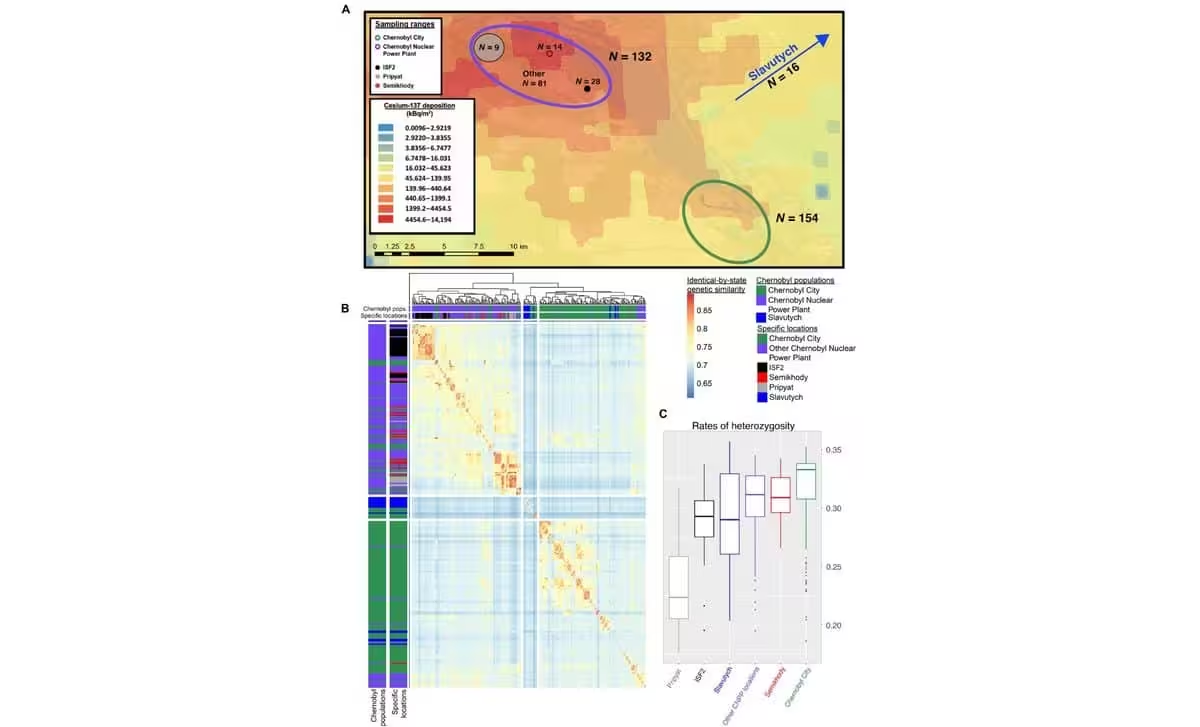
Timothy Mousseau, an evolutionary biologist at the University of South Carolina and coauthor of the study, notes that the term evolution simply denotes change. He emphasizes that such genetic shifts do not necessarily indicate improved health or enhanced survival capabilities. Concurrent research, including a study in Canine Medicine and Genetics, found evidence of natural selection occurring within these groups, suggesting that specific genetic variants might offer survival advantages. However, these studies have been unable to pinpoint exactly what those advantages are or confirm the role of radiation in shaping them.
Complicating the narrative, a 2024 analysis published in PLOS One found that dogs near the reactor did not possess a higher burden of mutations compared to their urban counterparts. Despite this, Mousseau maintains that elevated mutation rates may still be present, drawing comparisons to other wildlife species in the exclusion zone. A more recent study from September 2026, published in Genes, continued to find signals of natural selection near the plant, though it stopped short of confirming that radiation was the catalyst or that the mutations were entirely new rather than pre-existing variants.
The Challenge of Isolating Radiation as a Biological Variable
Environmental science professor Jim Smith of the University of Portsmouth suggests that attributing the dogs’ genetic makeup solely to radiation is problematic. He points out that variables such as diet, disease exposure, and historical breeding patterns are notoriously difficult to separate from radiological impacts in wild populations.
“There is no evidence in the lab to suggest that the dose rates to dogs are high enough to significantly influence natural selection,” Smith argues. He emphasizes that lab-controlled environments are essential to properly measuring the biological impacts of radiation, a feat he considers nearly impossible to replicate with accuracy in the field.
Despite their disagreements on the source of the mutations, both scientists reject the notion that these dogs have developed some form of “radiation resistance.” The fear that dogs leaving the region could spread deleterious mutations remains a point of academic interest. Mousseau highlights the possibility that such genetic changes could negatively impact future generations, though this remains purely hypothetical. Furthermore, relocation efforts, such as the 2018 program that brought puppies to the United States, typically involve spaying and neutering the animals, effectively preventing the transmission of any potential genetic mutations to the broader population.
Tracking the Legacy of Nuclear Exposure
Understanding the full genetic picture requires a longitudinal look at these populations. Mousseau is currently expanding his research to compare the Chernobyl dogs with populations from other sites with high radioactive exposure, such as the Marshall Islands and the Semipalatinsk test site in Kazakhstan. By identifying whether consistent genetic signatures appear across these disparate regions, researchers hope to discern if radiation leaves a universal imprint on canine DNA.
This work draws on foundations laid by Cold War-era radiation experiments. While those early studies documented various health issues—such as fertility problems and cancer—they lacked the sophisticated genomic sequencing tools available today. Now, researchers can look for specific mutations that might have arisen in the wake of the 1986 disaster. As Mousseau’s team prepares to analyze new data points, they hope to determine whether current mutations were present in the immediate post-disaster generations or if they have accumulated slowly over the intervening decades.
The broader ecological recovery of the region, often attributed to the cessation of human activities like farming and forestry, serves as a backdrop to this genetic story. While wildlife has returned to the area, the cellular reality for these animals remains an open question. For Mousseau, the coming years are critical. “Hopefully we’ll have answers in the coming year or two,” he said, as his team continues the meticulous process of uncovering whether the genetic code of Chernobyl’s dogs holds a permanent record of one of history’s greatest nuclear tragedies.
This article has been fact checked for accuracy, with information verified against reputable sources. Learn more about us and our editorial process.
Last reviewed on .
Article history
- Latest version
Cite this page:
- Posted by Hassan Raza