Giant Permian Predator Dimetrodon Mammal Ancestor Before the Dinosaurs
Scientists reveal a pre‑dinosaur predator’s unexpected place on the evolutionary tree, reshaping our view of ancient apex hunters.
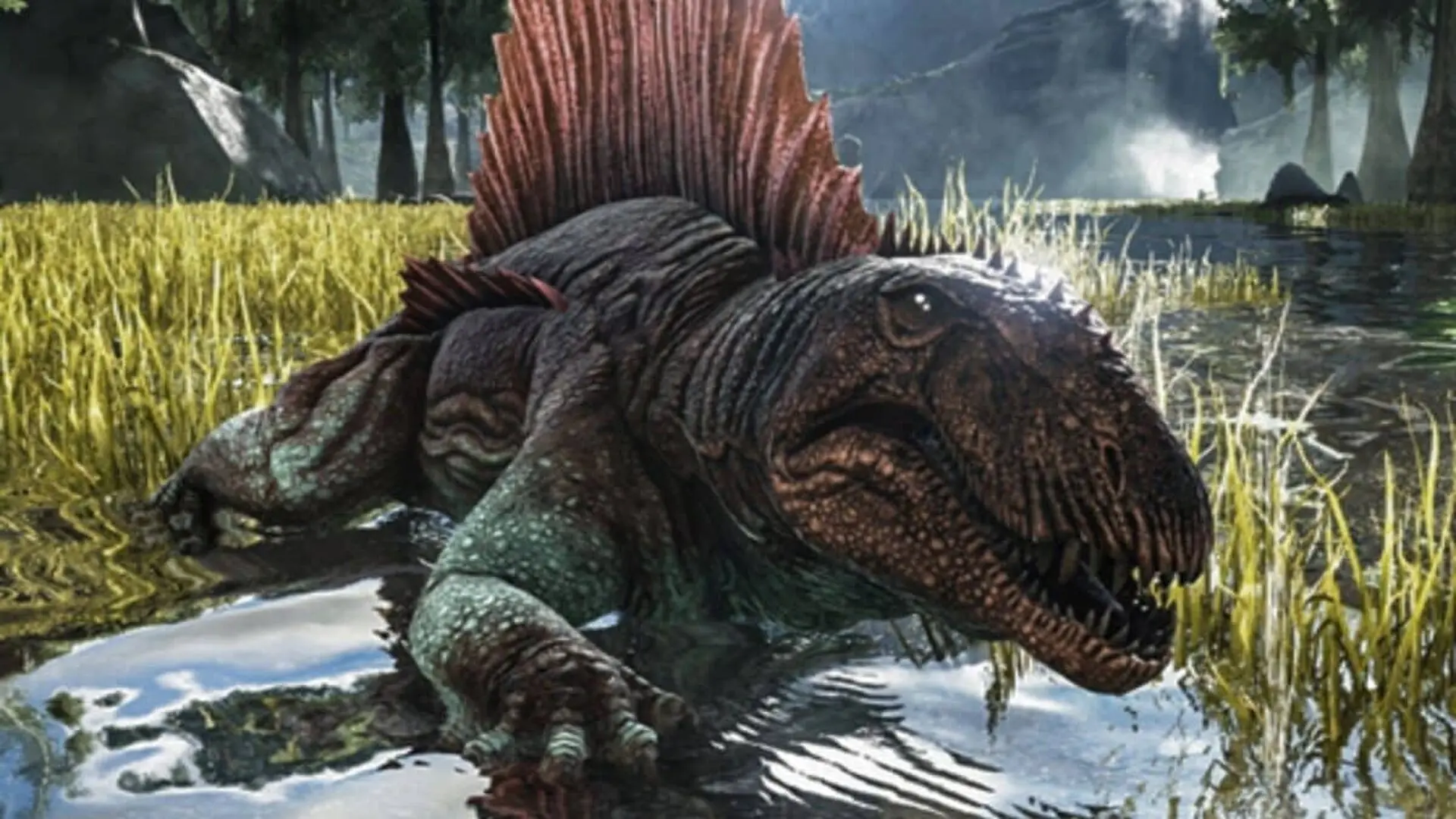
Around 300 million years ago, Dimetrodon ruled the Early Permian ecosystems as the dominant carnivore, preying on large amphibians and other contemporary fauna. Although its silhouette and sail evoke the image of a dinosaur, the creature belongs to the synapsids—the lineage that ultimately gave rise to mammals.
The animal’s taxonomic history began in 1845 when a fragment of an upper jaw was unearthed on Prince Edward Island and dubbed Bathygnathus borealis. Early researchers mistook the fossil for one of the oldest dinosaurs, a classification that later scrutiny disproved. Modern analysis places the specimen firmly among the synapsids, a conclusion reached by Kirstin Brink and her team at the University of Manitoba.
“We are actually closer related to Dimetrodon than any other reptile is,” Brink explained, noting that Dimetrodon itself was probably not a direct mammalian ancestor.
A 2015 paper in the Canadian Journal of Earth Sciences proposed the name Dimetrodon borealis for the specimen, arguing for a reversal of taxonomic precedence to preserve the widely recognized Dimetrodon label. To date, researchers have identified at least 14 distinct species, though Brink admits that “the classification is still a bit of a mess,” with some taxa possibly representing juvenile forms of others.
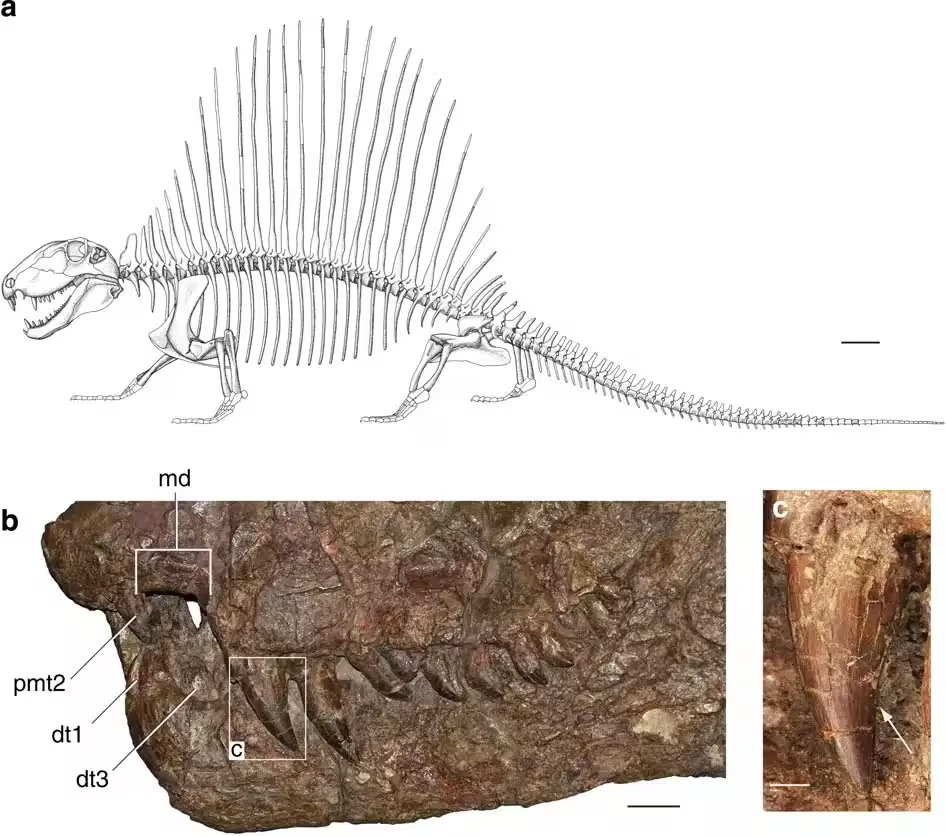
The most striking feature—a tall, sail‑like structure spanning from neck to tail—remains a subject of debate. One longstanding hypothesis suggests the sail functioned as a thermoregulatory device, allowing the animal to bask in sunlight and absorb heat. However, internal examinations of fossilized sails have failed to reveal the vascular channels required for such a mechanism, and a close relative, Sphenacodon, possessed a comparable body plan without a sail.
“It maybe suggests that they weren’t using it just for thermoregulation,” she said.
Alternative theories propose that the sail could have been vividly colored, serving purposes such as camouflage, sexual display, or intimidation. Because no pigment residues have survived, the exact function remains unresolved.
“The sail was definitely confusing, and I think it still is confusing.”
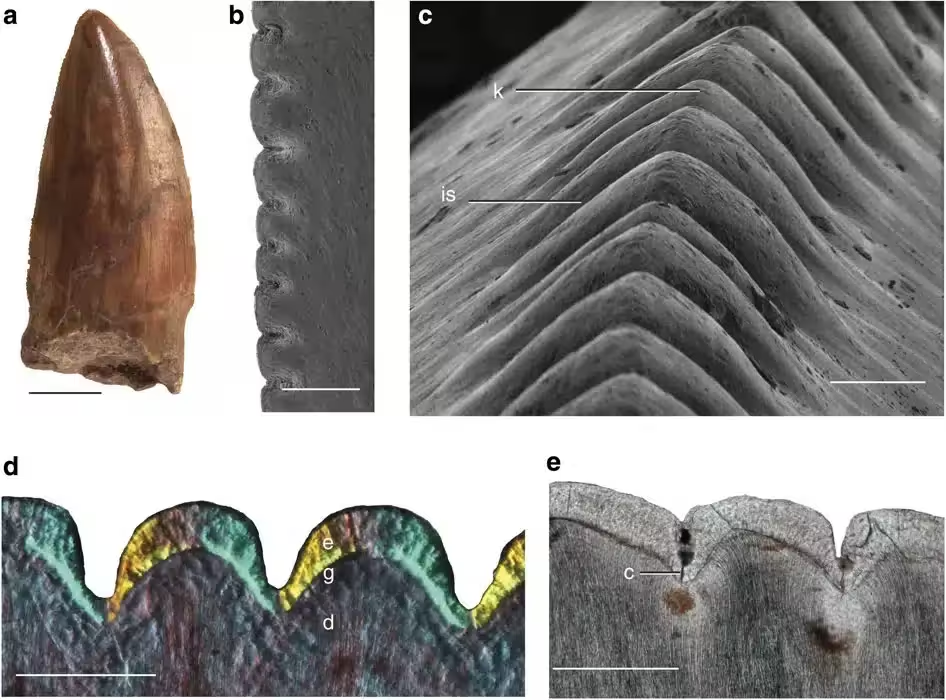
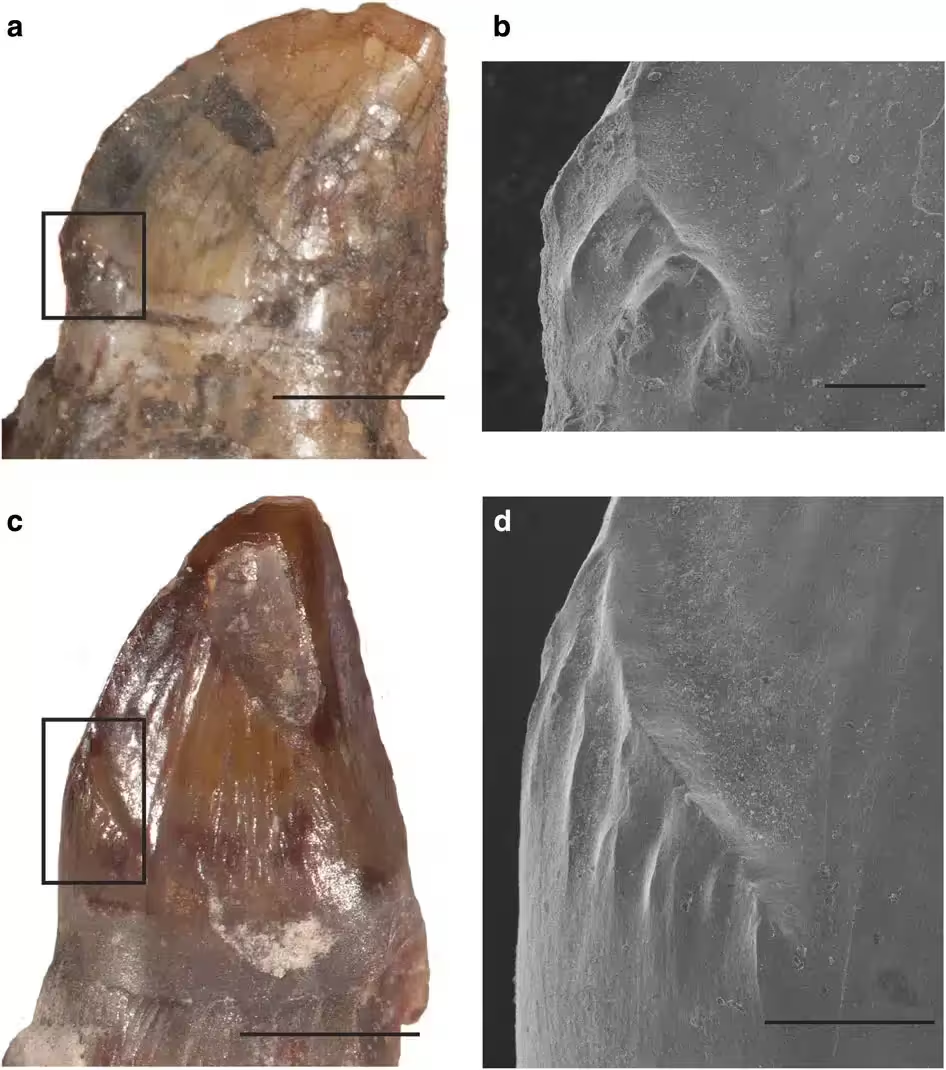
Among the larger members of the genus, Dimetrodon grandis likely exceeded 2 meters in length. All species were carnivorous, though the smallest individuals may have supplemented their diet with insects. Detailed studies of their dentition, published in Nature Communications, show primarily blade‑shaped teeth, with some later specimens exhibiting elongated roots and finely serrated edges. These adaptations enabled Dimetrodon to tackle a range of prey, from the amphibian Diplocaulus and the temnospondyl Eryops to early herbivorous vertebrates that appeared later in the Permian.
The genus vanished from the fossil record near the close of the Cisuralian epoch, well before the end‑Permian mass extinction 252 million years ago—a cataclysmic event described by Britannica as perhaps the greatest loss of life in Earth’s history.
This article has been fact checked for accuracy, with information verified against reputable sources. Learn more about us and our editorial process.
Last reviewed on .
Article history
- Latest version
Reference(s)
- Brink, Kirstin S.., et al. “Re-evaluation of the historic Canadian fossil Bathygnathus borealis from the Early Permian of Prince Edward Island.” Canadian Journal of Earth Sciences, vol. 52, no. 12, December 1, 2015, pp. 1109-1120. Canadian Science Publishing, doi: 10.1139/cjes-2015-0100. <https://cdnsciencepub.com/doi/10.1139/cjes-2015-0100>.
- Brink, Kirstin. “Hidden dental diversity in the oldest terrestrial apex predator Dimetrodon - Nature Communications.”, vol. 5, no. 1, February 7, 2014, pp. 3269 Nature, doi: 10.1038/ncomms4269. <https://www.nature.com/articles/ncomms4269>.
- Posted by Hassan Raza