Giant Bioluminescent Shark Uses Side Glow as Spotlight, While Dorsal Fin Remains a Mystery
New research reveals the deep‑sea shark’s bioluminescence serves more than camouflage, hinting at a mysterious additional function.
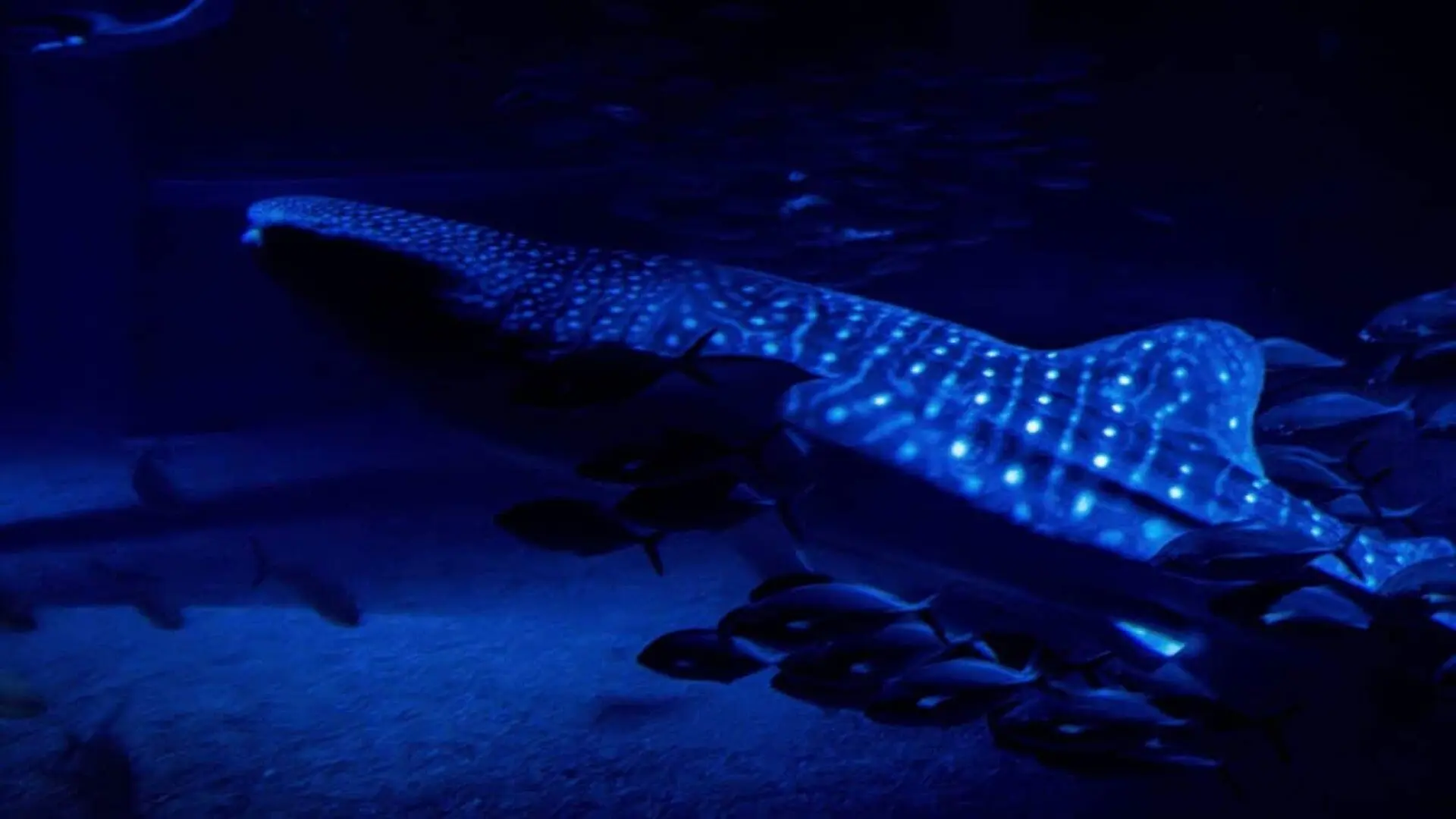
Dalatias licha, commonly known as the kitefin shark, holds the record for the largest bioluminescent vertebrate. New research suggests that its characteristic blue‑green glow may serve more than just camouflage, potentially helping the predator locate prey in the deep‑sea darkness.
In the abyss where sunlight fades, generating light can be a decisive survival tool. Until now, scientists primarily linked the shark’s luminescence to counter‑illumination, a strategy that masks the animal’s silhouette against the faint downwelling light.
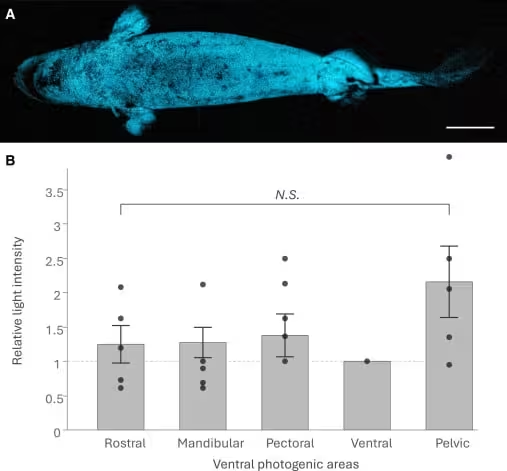
A team led by Julien Claes at the Université catholique de Louvain examined eight kitefin sharks inadvertently captured near New Zealand. Their analysis revealed that bioluminescence extends well beyond the ventral surface, challenging the simplistic camouflage model.
Sideward Glow May Function as a Natural Spotlight
Intense light was detected around the shark’s nose, jaws and pectoral fins—areas that face laterally rather than downward. According to a study published in iScience, this lateral illumination could act like a biological spotlight, briefly lighting the water immediately surrounding the predator and enhancing its ability to spot nearby organisms.
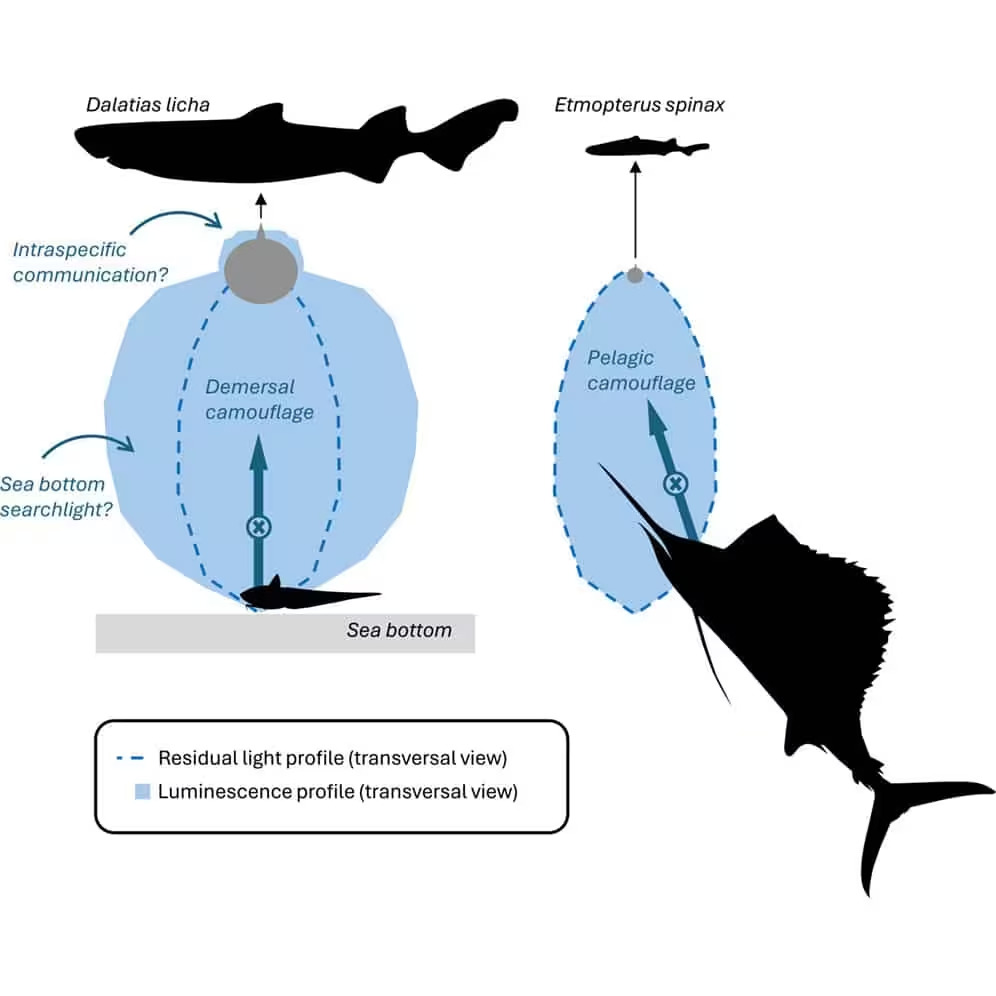
The ventral glow still appears to fulfill its traditional camouflage role, masking the shark’s silhouette from predators below. However, researchers caution that the hypothesized hunting function of the lateral light remains unverified, as no direct observations of prey capture using this illumination have been recorded.
Slow Swimmer, Fast Prey: Why Light Matters
Despite being described as a very slow swimmer, the kitefin shark preys on agile fish and cephalopods. This apparent mismatch makes its newly documented light pattern especially intriguing.
As reported by Futura Sciences, the ventral blue‑green glow likely helps erase the dark outline that would otherwise be visible from below, while the side‑facing illumination may allow the shark to approach unsuspecting prey—such as squid—without immediately betraying its presence.
Mystery of the Brilliant Dorsal Fin
The most puzzling feature is the shark’s dorsal fin, which emits a concentrated flash that does not align with standard camouflage explanations. Scientists speculate that this bright signal could serve for intraspecific communication or perhaps function as a lure to attract prey, though both ideas remain untested in natural settings.
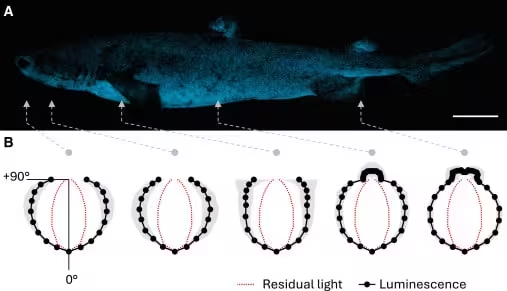
Together, these observations suggest a multi‑purpose lighting system: ventral illumination for camouflage, lateral light that may aid in prey detection, and a dorsal flash whose function is still unresolved. Ongoing field studies will be needed to confirm how each of these light sources contributes to the shark’s hunting strategy and social behavior.
This article has been fact checked for accuracy, with information verified against reputable sources. Learn more about us and our editorial process.
Last reviewed on .
Article history
- Latest version
Reference(s)
- Claes, Julien M.., et al. “Counterillumination in a large demersal bioluminescent shark.” iScience, vol. 29, no. 8, August 1, 2026, pp. 117089 Elsevier BV, doi: 10.1016/j.isci.2026.117089. <https://www.sciencedirect.com/science/article/pii/S2589004226024673>.
- Team, Futura. “Why This Shark Glows in the Dark—and What Scientists Just Discovered About It.”, August 13, 2026 Futura-Sciences <https://www.futura-sciences.com/en/why-this-shark-glows-in-the-dark-and-what-scientists-just-discovered-about-it_37497/>.
Cite this page:
- Posted by Hassan Raza