How Chemistry Transformed a Toxic Industrial Wasteland Into a Thriving Public Park
From the Seveso disaster to modern green chemistry, researchers are rewriting the rules of manufacturing to eliminate industrial waste and protect ecosystems.
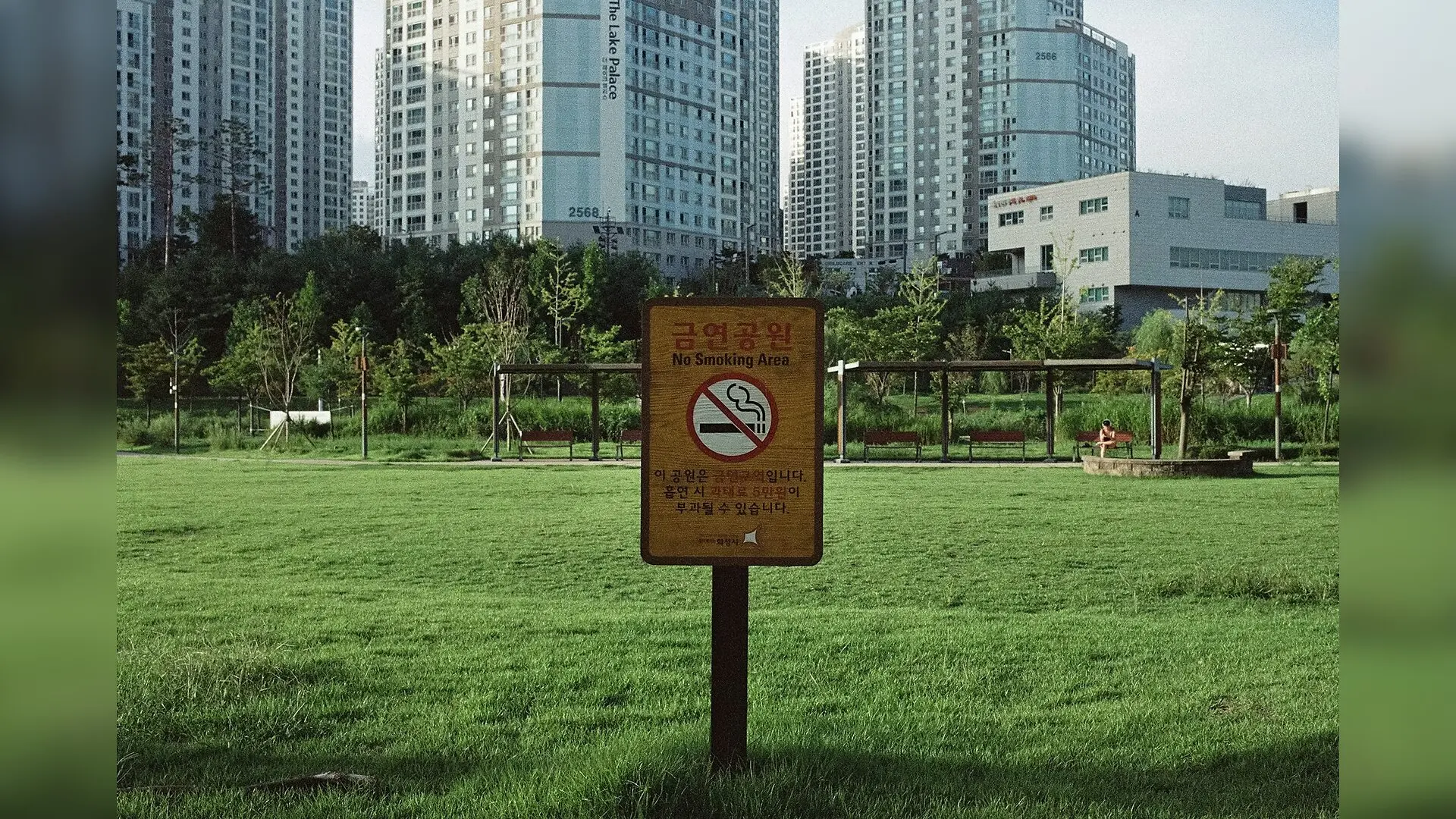
A single industrial accident in 1976 sent toxic dioxin clouds over Seveso, Italy, forcing the evacuation of entire neighborhoods and branding chemical manufacturing as an environmental nightmare. Decades later, that same contaminated disaster zone has transformed into a thriving public sanctuary known as the Oak Forest, mirroring a broader industrial revolution sweeping through modern laboratories.
Chemistry has long balanced its dual identity as both a creator of life-saving medicines and a driver of industrial pollution. Harvard University chemist George M. Whitesides once described the discipline as the art of manipulating atoms into new forms of matter for human benefit, noting its highly empirical nature. Yet this practical utility historically came with a heavy ecological toll, measured in toxic waste and polluted waterways.
How Green Chemistry Redefined Industrial Efficiency
The turning point for the chemical sector arrived when researchers realized that cleaning up pollution after production was no longer enough. Scientists needed to prevent waste before it formed, leading to the creation of metrics like the Environmental factor, which calculates the mass of waste generated per kilogram of product. Around the same time, Paul Anastas and John Warner formulated the twelve principles of green chemistry, prioritizing renewable raw materials, energy efficiency, and the avoidance of toxic solvents.
These principles found a powerful institutional home in Europe through the Sustainable Chemistry technology platform, known as SusChem, which was established to revitalize industrial research. As detailed in a review published in the Conference of the National Academy of Lincei and National Research Council, modern chemical engineering rests on three foundational pillars. These include advanced reaction design, innovative materials technology, and industrial biotechnology.
From Lithium Batteries to Quantum Dots
Recent Nobel Prizes highlight how these sustainable pillars translate into everyday technology. The development of rechargeable lithium-ion batteries transformed global energy storage, enabling portable electronics and facilitating the transition away from fossil fuels by capturing solar and wind power. Similarly, the discovery and synthesis of quantum dots, tiny semiconductor nanoparticles with unique optical properties, now illuminate television screens and assist surgeons by highlighting tumor tissues.
In the pharmaceutical and manufacturing sectors, industrial biotechnology has introduced biocatalysis, employing living organisms and engineered enzymes to synthesize complex molecules under mild conditions. For example, the production of the diabetes drug sitagliptin was redesigned using an evolved transaminase enzyme, which increased overall yield by 13 percent while cutting total waste by nearly a fifth compared to earlier synthetic routes.
Building a Circular Bioeconomy
Moving away from a linear model of consumption requires the creation of closed-loop systems where waste serves as a resource. Biorefineries now utilize agricultural byproducts and organic waste to produce biofuels and bio-based polymers without competing with food crops. A prime illustration is polylactic acid, a biodegradable plastic derived from plant sugars that breaks down naturally in months rather than persisting for centuries like traditional petrochemical plastics.
Ultimately, the ongoing evolution of chemical sciences points toward a future where industrial progress harmonizes with environmental stewardship. From restoring contaminated soils to developing renewable materials, modern chemistry continues to adapt its practices to meet the needs of society while safeguarding the planet for future generations.
The research was published in Conference of the National Academy of Lincei and National Research Council - 100 Years of Collaboration for the Progress of Science, Rome, 17-18 October 2023.
This article has been fact checked for accuracy, with information verified against reputable sources. Learn more about us and our editorial process.
Last reviewed on .
Article history
- Latest version
Reference(s)
- Riva, Sergio. “Chemistry: A Crucial Science for the Environment and for a Sustainable Development.” Springer Proceedings in Physics, November 14, 2026, pp. 76-90. Springer Nature Switzerland, doi: 10.1007/978-3-032-35509-6_7. <https://doi.org/10.1007/978-3-032-35509-6_7>.
Cite this page:
- Posted by Bilal Abbasi