Melting Sea Ice and Tiny Seafloor Animals Drive Arctic Nutrient Cycles
A comprehensive analysis of Canadian Arctic marine sediments reveals how retreating ice and benthic animal traits reshape nutrient cycling on the ocean floor.
A sweeping analysis of Arctic seafloor ecosystems reveals that tiny bottom-dwelling animals and disappearing sea ice dictate how nutrients cycle in northern waters. The study shows that benthic communities, which are the organisms living on or in the seafloor, act as living barometers of climate change in regions experiencing rapid ice loss.
How Seafloor Life Responds to Melting Arctic Ice
Marine soft sediments play a critical role in global carbon storage and nutrient cycling by processing organic matter that drifts down from the water column. In the Arctic, this process is heavily influenced by seasonal sea ice, which controls light penetration and marine plant growth. As global temperatures rise, open-water areas in the Arctic have expanded by roughly 27 percent since the late 1990s, altering the flow of organic material to the ocean floor. To understand how these changes ripple through marine ecosystems, researchers collected sediment cores from nine stations along a massive latitudinal gradient in Nares Strait, located between Greenland and Canada.
The research team measured oxygen consumption and nutrient exchanges across the sediment-water interface, serving as key indicators of benthic ecosystem health. The study is published in PLOS One, detailing how the researchers incubated sediment cores at four degrees Celsius and tracked chemical fluxes over a 24 to 48 hour period. They combined these chemical measurements with detailed surveys of macrofauna abundance, biomass, taxonomic diversity, and biological traits such as body size and feeding strategies.
The Hidden Drivers of Seafloor Nutrient Cycling
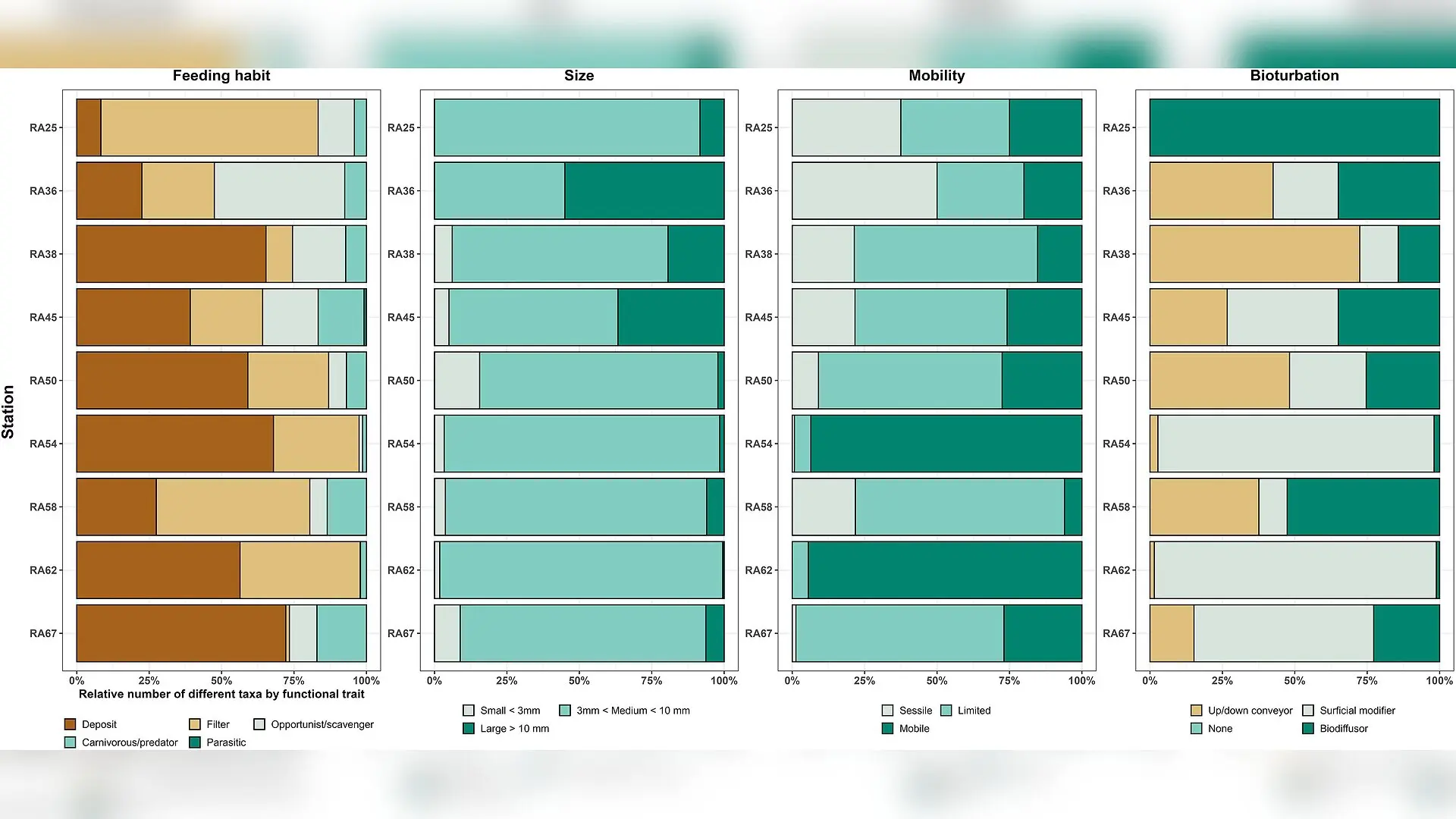
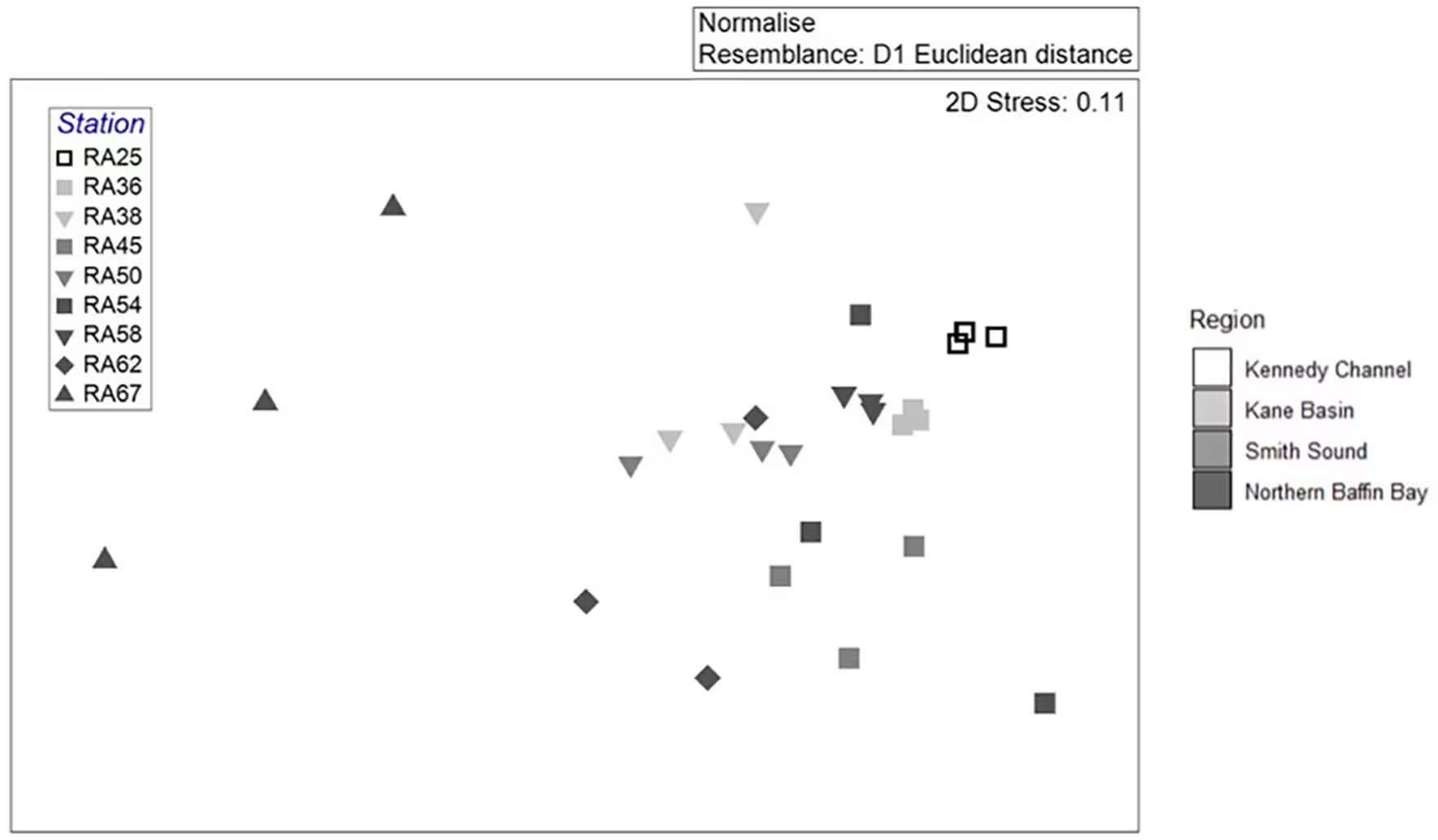
The analysis revealed distinct biological and environmental gradients running from the permanently ice-covered northern channels down to the ice-free waters of northern Baffin Bay. Northern stations featured coarser sediments, lower organic matter content, and sparse communities dominated by larger, sessile filter feeders. In contrast, southern stations exhibited finer-grained sediments and thriving populations of small, mobile deposit-feeding animals that churn through organic debris.
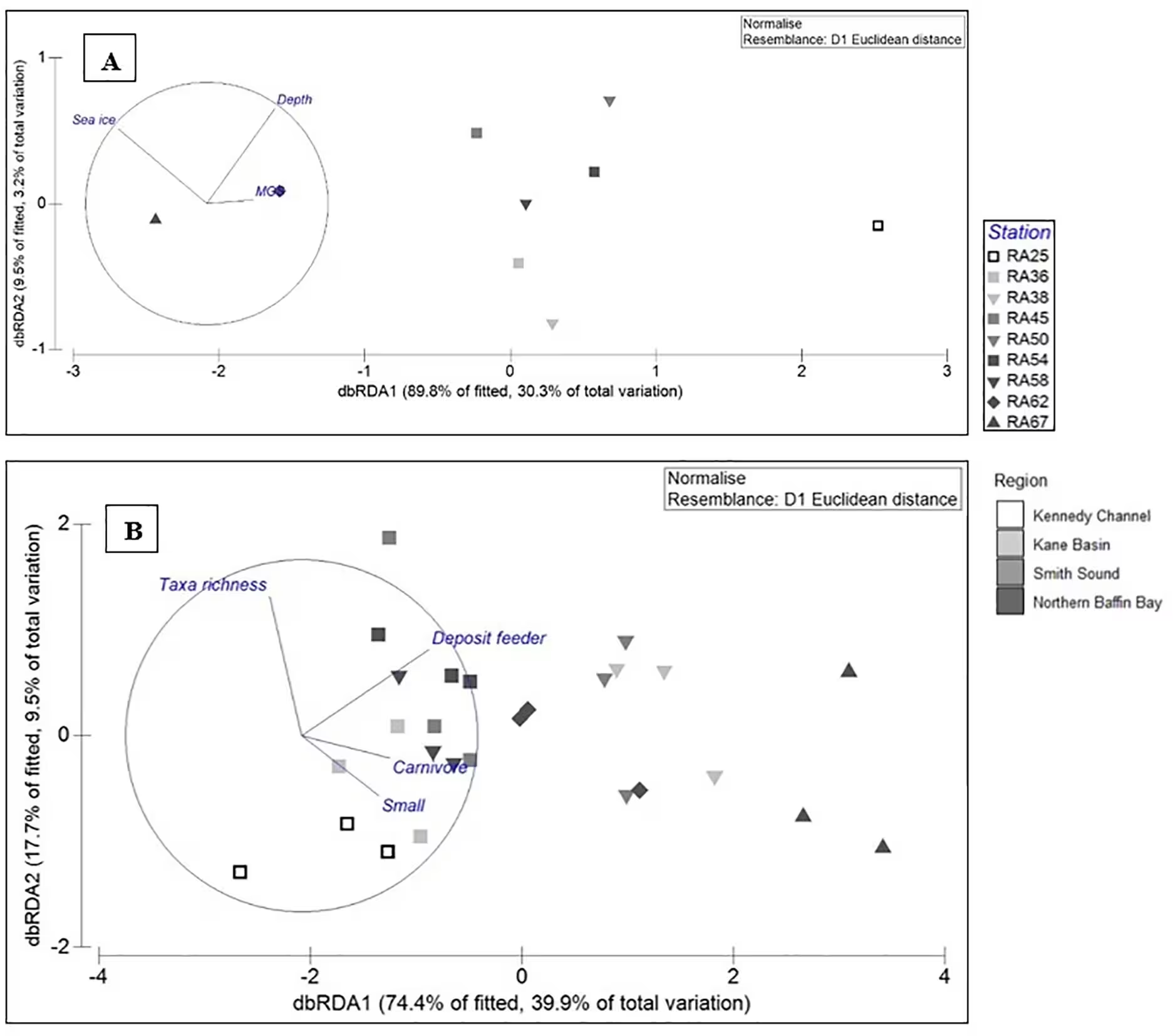
Statistical modeling demonstrated that environmental factors alone accounted for about 34 percent of the total flux variation, with sea ice cover standing out as the single most influential environmental predictor. Specifically, the number of days a site had been ice-free accounted for nearly 14 percent of the variation in oxygen and nutrient fluxes. Meanwhile, biological traits proved even more powerful, with the community-weighted presence of deposit-feeding organisms explaining over 22 percent of flux variations.
What These Seafloor Changes Mean for the Future Arctic
Variation partitioning analysis further clarified these dynamics by showing that environmental variables and functional traits shared a massive 25 percent overlap in explaining flux patterns. Interestingly, once the researchers factored in the functional traits of the benthic communities, purely environmental variables ceased to explain any unique variation. This indicates that local environmental conditions exert their primary influence on seafloor chemistry by shaping the functional traits and behaviors of resident organisms.
While the measured variables successfully explained roughly 45 percent of total flux variability, about 55 percent remained unexplained. The authors note that unmeasured factors, such as fine-scale microbial metabolic pathways, meiofauna activity, and sharp changes in oxygen penetration depth within the sediment, likely contributed to the remaining variance. As sea ice continues to retreat across the polar region, tracking these biological shifts will be essential for forecasting how the Arctic Ocean handles carbon and nutrient storage in a warming world.
The research was published in PLOS One on November 13, 2026.
This article has been fact checked for accuracy, with information verified against reputable sources. Learn more about us and our editorial process.
Last reviewed on .
Article history
- Latest version
Reference(s)
- Combaz, Thibaud., et al. “Hydrographic and sea ice gradients shape benthic ecosystem functioning through sediment characteristics and benthic functional structure in Nares Strait, Canadian Arctic.” PLOS One, vol. 21, no. 11, November 13, 2026, pp. e0345559 Public Library of Science (PLoS), doi: 10.1371/journal.pone.0345559. <https://doi.org/10.1371/journal.pone.0345559>.
Cite this page:
- Posted by Anjali Singh