Guava Leaf Compounds Shut Down Breast Cancer Cell Growth in New Study
Researchers isolate two natural diterpenes from guava leaves that trigger cancer cell apoptosis and restore blood and liver markers in mice.
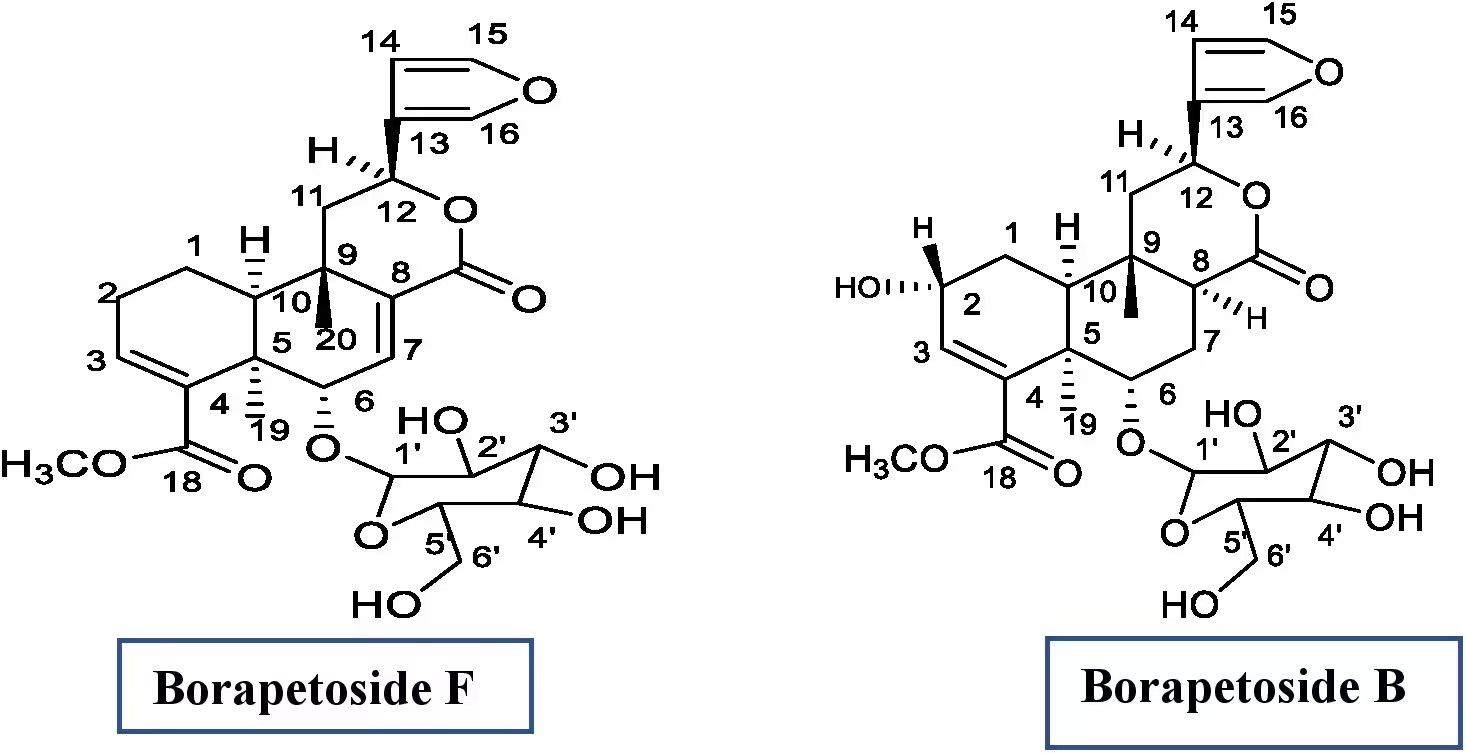
Two newly isolated natural compounds from everyday guava leaves significantly slow the growth of breast cancer cells in both laboratory dishes and living mice. Researchers successfully extracted borapetoside F and borapetoside B from the ethyl acetate fraction of Psidium guajava leaves, marking the first time these specific clerodane-type diterpenes have been identified in the plant.
Laboratory Experiments Reveal Strong Cytotoxicity Against Cancer Cells
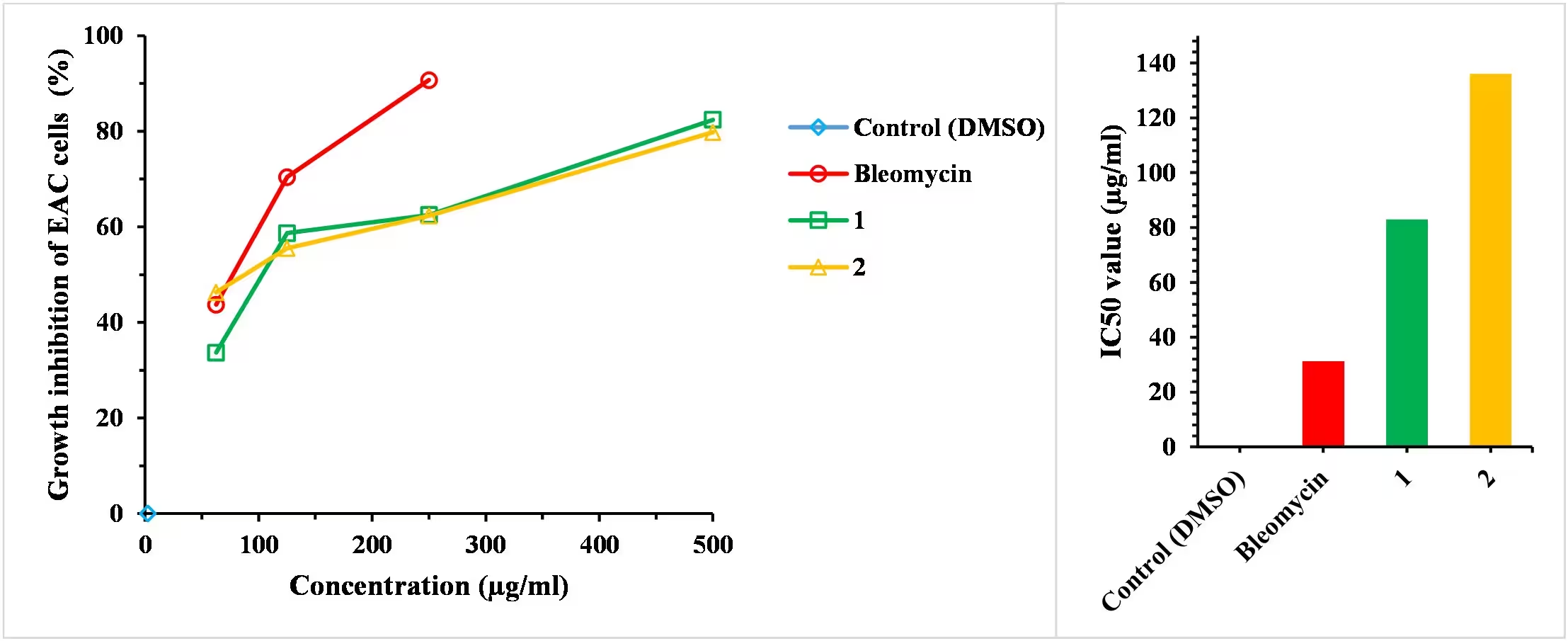
The team tested the extracted compounds on Ehrlich Ascites Carcinoma cells, a common experimental model used to study breast cancer behavior and treatments. In laboratory assays published in PLOS One, borapetoside F demonstrated an inhibitory concentration value of 83 micrograms per milliliter, while borapetoside B recorded 136.11 micrograms per milliliter. When evaluated at a dose of 500 micrograms per milliliter, borapetoside F halted 82.4 percent of cancer cell growth, and borapetoside B inhibited 79.8 percent.
These laboratory figures approached the performance of bleomycin, a standard chemotherapy drug that inhibited 90.7 percent of cell growth at a concentration of 250 micrograms per milliliter. To confirm these effects beyond glassware, the investigators administered daily doses of 5 milligrams per kilogram to mice with tumor grafts over a five-day period.
Living Animal Trials Show Tumor Suppression and Restored Blood Profiles
In the living animal assessments, borapetoside F achieved a 61.26 percent reduction in tumor cell growth, while borapetoside B reached a 48.88 percent reduction compared to untreated diseased controls. Furthermore, the treatments safely reversed disease-driven abnormalities in blood and liver metrics.
Untreated mice bearing cancer cells suffered from sharp drops in red blood cells and hemoglobin alongside elevated white blood cell counts and stressed liver enzymes, including alanine aminotransferase and alkaline phosphatase. Administration of the guava leaf extracts brought these hematological and hepatic markers back toward normal physiological ranges without triggering severe toxicity.
Molecular Docking Analysis Points to Programmed Cell Death Pathways
Microscopic evaluations using DAPI staining, which highlights nuclear changes, revealed clear signs of programmed cell death, known as apoptosis, in the treated cancer cells. Hallmarks of this cellular disassembly included chromatin condensation, DNA fragmentation, and membrane shrinkage.
To understand the genetic switches behind these changes, the authors examined gene expression via reverse transcription polymerase chain reaction. The treatments upregulated tumor suppressor p53 along with pro-apoptotic genes like Bax and cytochrome c, while simultaneously suppressing anti-apoptotic genes such as Bcl-2 and NF-kappa B.
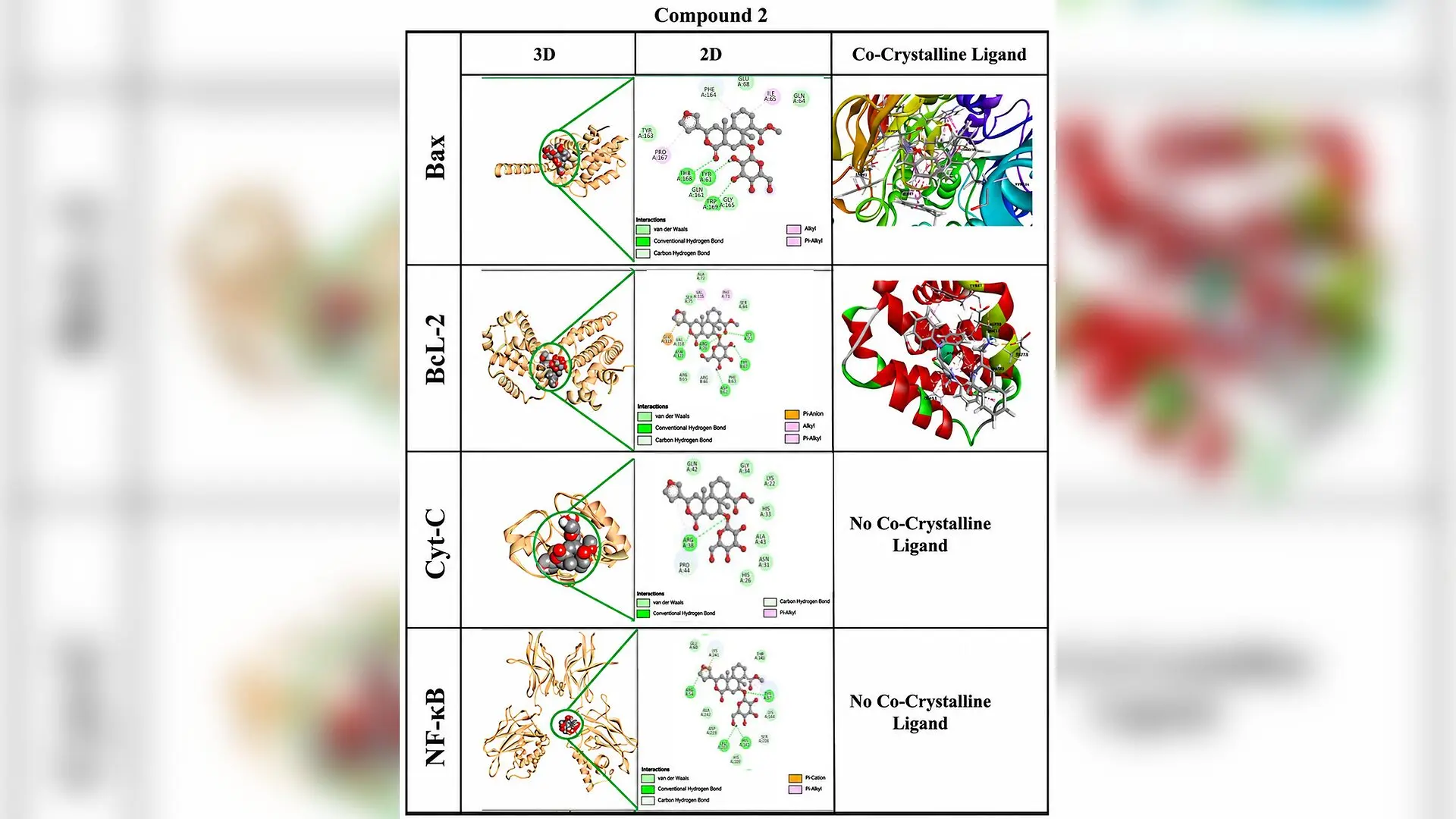
Computer-based molecular docking simulations supported these genetic observations by demonstrating favorable binding affinities between the plant compounds and key apoptotic proteins. Borapetoside F and borapetoside B showed strong binding energies with the anti-apoptotic protein Bcl-2, recording scores of -9.7 and -8.9 kilocalories per mole respectively, suggesting stable structural interactions that help trigger cancer cell destruction.
The research was published in PLOS One on November 13, 2026.
This article has been fact checked for accuracy, with information verified against reputable sources. Learn more about us and our editorial process.
Last reviewed on .
Article history
- Latest version
Reference(s)
- Khatun, Most Chand Sultana., et al. “Integrated In vitro and in vivo evaluation of anticancer potentials of two clerodane diterpenes isolated from Psidium guajava (L.) through molecular docking approaches.” PLOS One, vol. 21, no. 11, November 13, 2026, pp. e0362655 Public Library of Science (PLoS), doi: 10.1371/journal.pone.0362655. <https://doi.org/10.1371/journal.pone.0362655>.
Cite this page:
- Posted by Bilal Abbasi